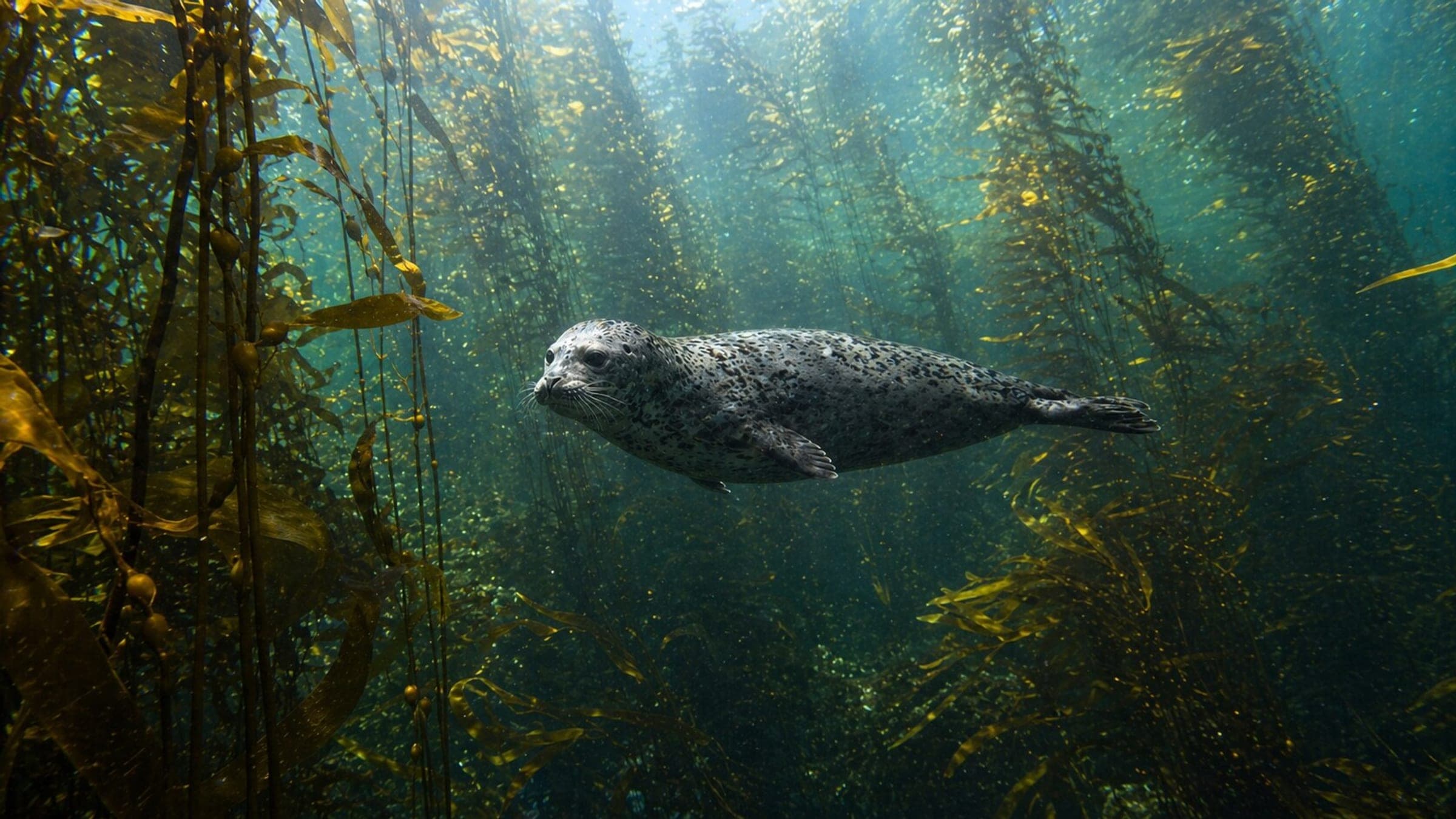
External ear flaps
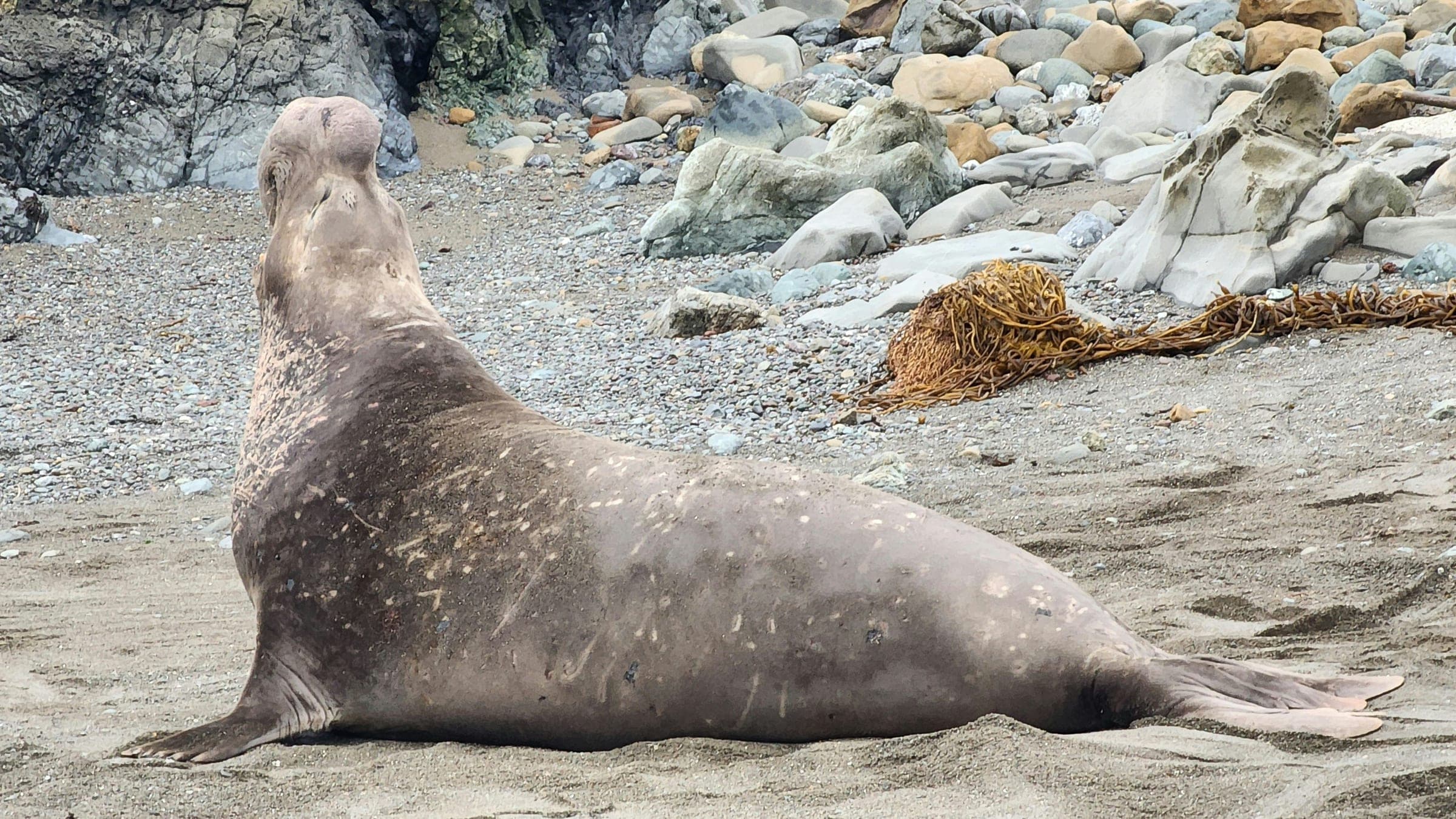
Sea lions have visible external ear flaps, distinguishing them from earless seals.
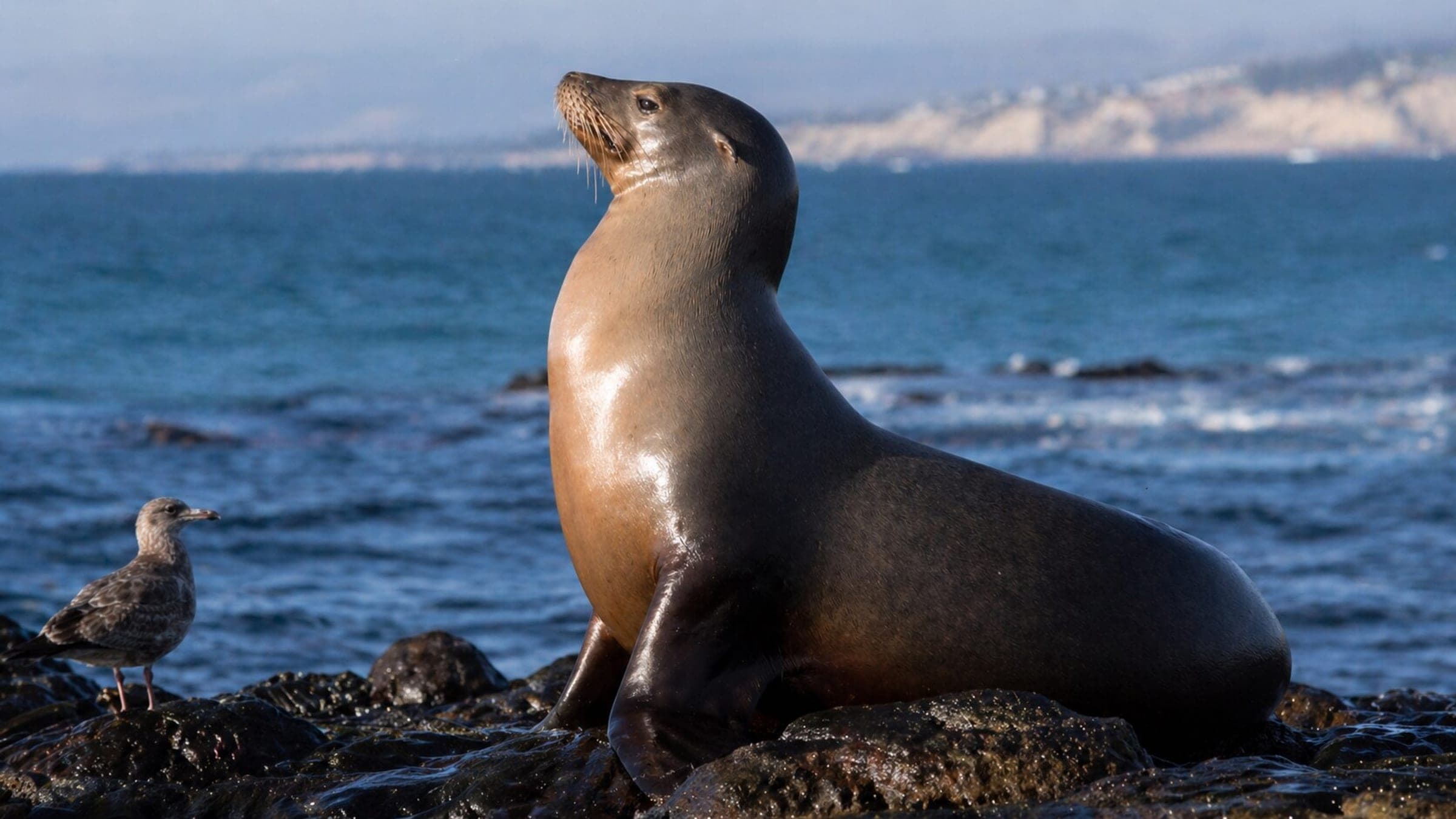
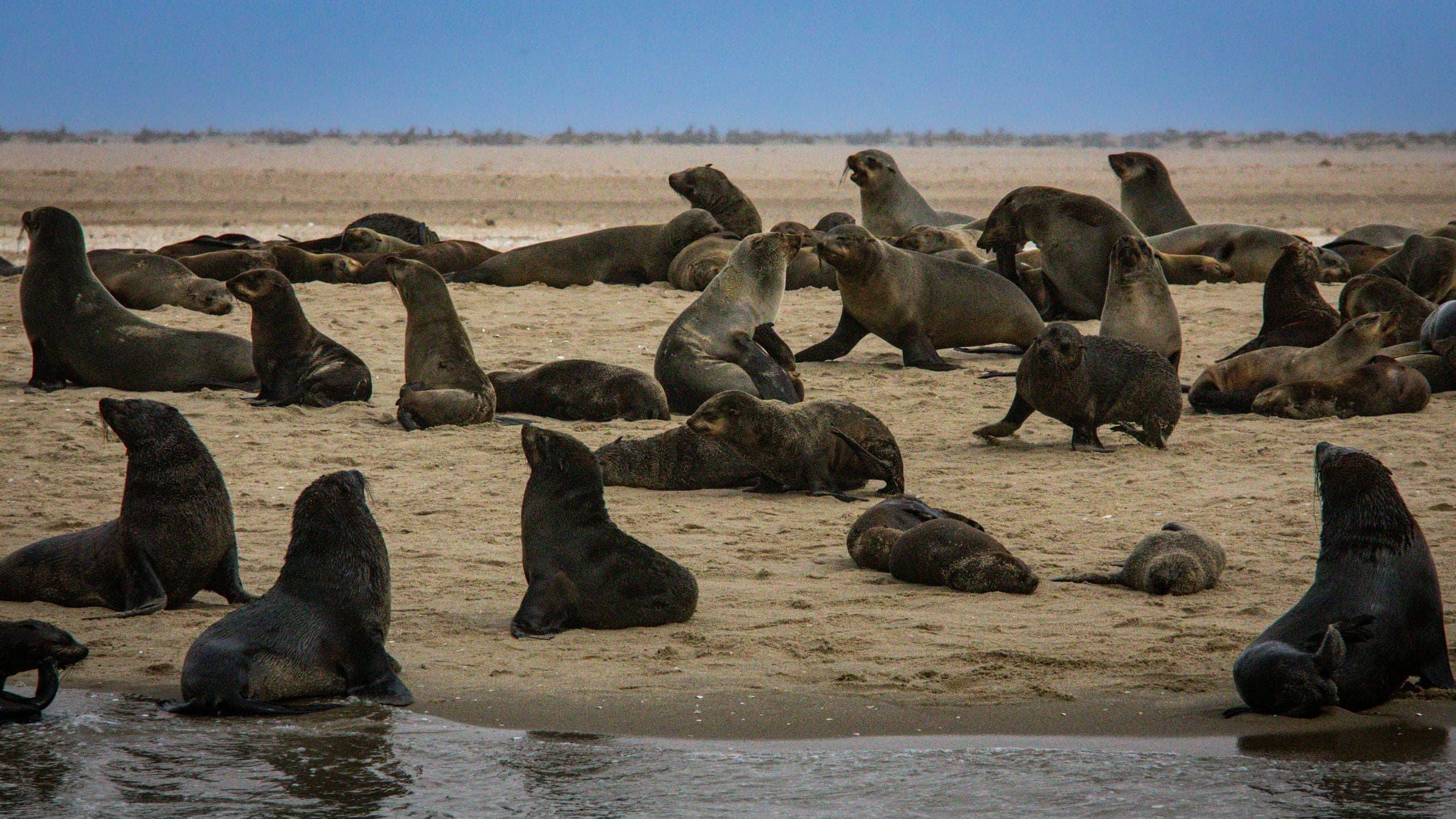
Sea lions are eared pinnipeds with external ear flaps, long foreflippers, and the ability to walk on all fours.
Last Updated Mar 9, 2026 ·
Species Guide
A clean field guide focused on habitat, identification, behavior, and conservation context without burying the useful parts.
Sea lions are pinnipeds in the family Otariidae (eared seals). They are characterized by external ear flaps, long foreflippers, the ability to walk on all fours, short thick hair, and a relatively large chest and belly. There are six extant and one extinct sea lion species across five genera. Their range extends from subarctic to tropical waters in both hemispheres, with the notable exception of the northern Atlantic Ocean. Average lifespan is about 20–30 years. Size and weight vary by species and sex: for example, male California sea lions average about 300 kg and 2.4 m long while females average about 100 kg and 1.8 m; Steller's sea lions are among the largest, reaching about 1,000 kg and 3.0 m. Sea lions consume large quantities at a time, roughly 5–8% of their body weight per feeding (about 6.8–15.9 kg in the examples given). In water, typical movement is around 16 knots (30 km/h), with top speeds reported near 30 knots (56 km/h). Three species — the Australian sea lion, the Galápagos sea lion and the New Zealand sea lion — are listed as endangered.
Three sea lion species (Australian, Galápagos, New Zealand) are listed as endangered.
Sea lions can move on land by walking on all fours using their foreflippers and in water commonly travel around 16 knots (30 km/h), with reported top speeds near 30 knots (56 km/h).
The strongest linked planning options currently surface around destinations such as Galapagos Islands, Catalina Island, La Paz (Baja California Sur), including Espiritu Santo and countries such as Mexico, United States of America, Ecuador for divers building trips around sea lions.
Identification
The visual markers divers can use underwater, plus the species most likely to cause confusion.
Sea lions have visible external ear flaps, distinguishing them from earless seals.
They have long foreflippers used for propulsion and terrestrial movement.
Sea lions can walk on all fours using their foreflippers and hind flippers.
They have short, thick hair and a relatively large chest and belly.
Fur seals are closely related; together with sea lions they make up the family Otariidae.
Range and Movement
The broad range, seasonal movement, or migratory behavior that shapes where divers encounter this species.
Sea lions can move on land by walking on all fours using their foreflippers and in water commonly travel around 16 knots (30 km/h), with reported top speeds near 30 knots (56 km/h).
Diet
Useful feeding context that often explains habitat, movement, and encounter style.
Sea lions consume large quantities at feeding, typically about 5–8% of their body weight per feeding (examples given around 6.8–15.9 kg).
Conservation
Status, pressure, and protection context grounded in cited sources rather than filler.
Three sea lion species (Australian, Galápagos, New Zealand) are listed as endangered.
Responsible Encounters
Conservation-minded guidance for divers who want the encounter without adding pressure.
Give sea lion space, avoid blocking the animal's path, and follow local site and operator rules for wildlife interactions with other mammals.
Field Notes
Useful species context that makes the encounter more meaningful once you are underwater.
Sea lions inhabit subarctic to tropical waters worldwide except the northern Atlantic Ocean.
There are six extant sea lion species and one extinct species (the Japanese sea lion).
Average lifespan is about 20–30 years.
Males are substantially larger than females in at least some species (example: California sea lion males ~300 kg vs females ~100 kg).
Steller's sea lion can reach about 1,000 kg and 3.0 m in length.
Top Destinations
Destinations surfaced from the linked dive spots associated with this species.
Top Countries
The strongest country-level starting points currently linked to this species.
Top Dive Spots
Directly linked dive spots where this species already shows up in the planning data.
Boat-access Cabo rock-and-bay dive near the Arch.
Boat-only reef and sea lion site beside Cabo's Arch.
Catalina's flagship shore dive park with kelp, walls, and easy stairs.
Boat-based Channel Islands reef with kelp, sea lions, and shallow arch sites.
Protected North Coast shore dive with kelp, anemones, and cold water.
Exposed Pucusana boat dive with rock, kelp, and sea lions.
FAQ
Clear planning and conservation answers written for search visibility and AI retrieval.
Research Sources
Primary and credible references behind the field-guide and conservation claims on this page.
Related Species
Related species guides in the same encounter family.