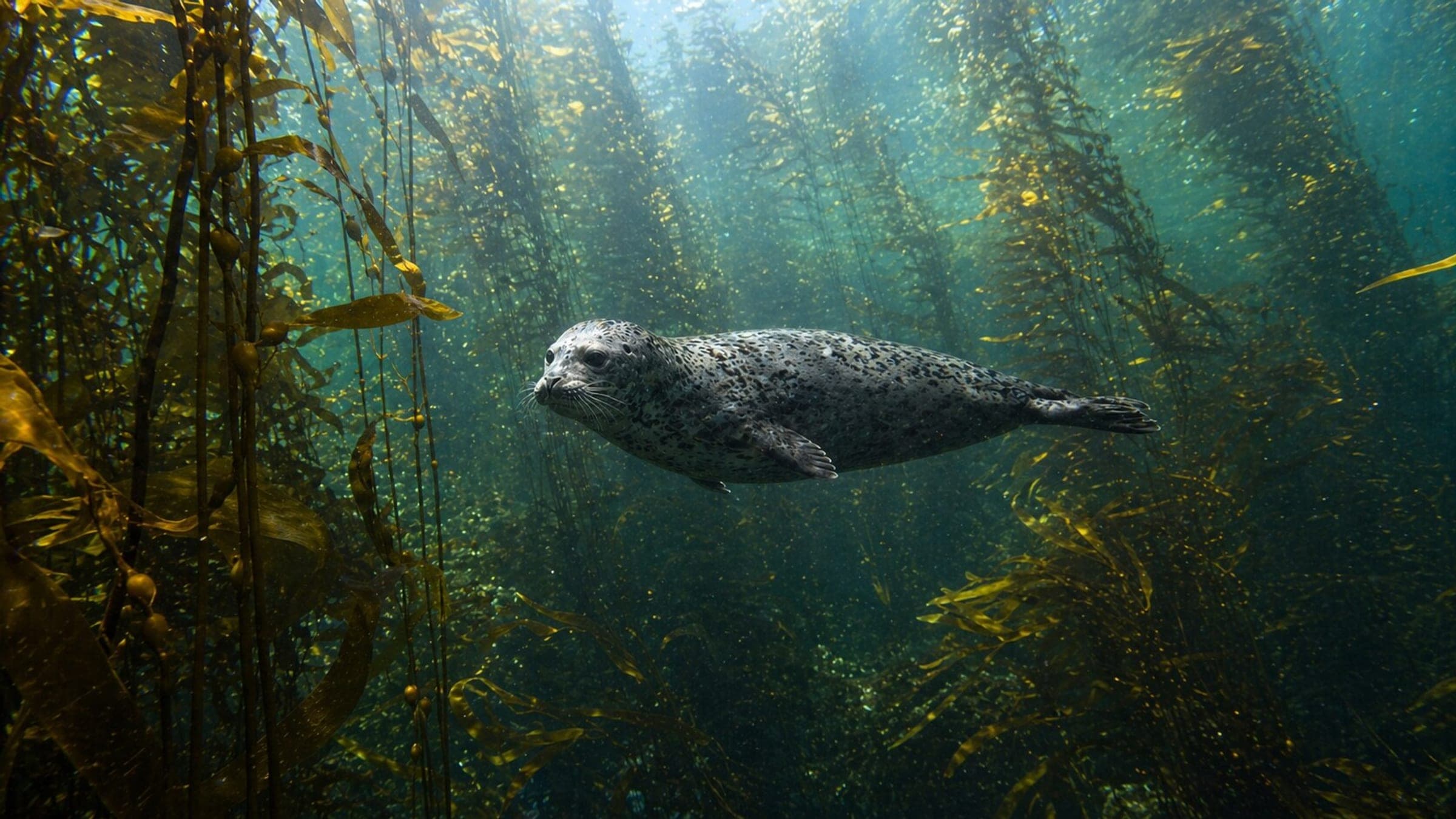
Very large size
Males can weigh up to about 4,000 kilograms (8,800 lb).
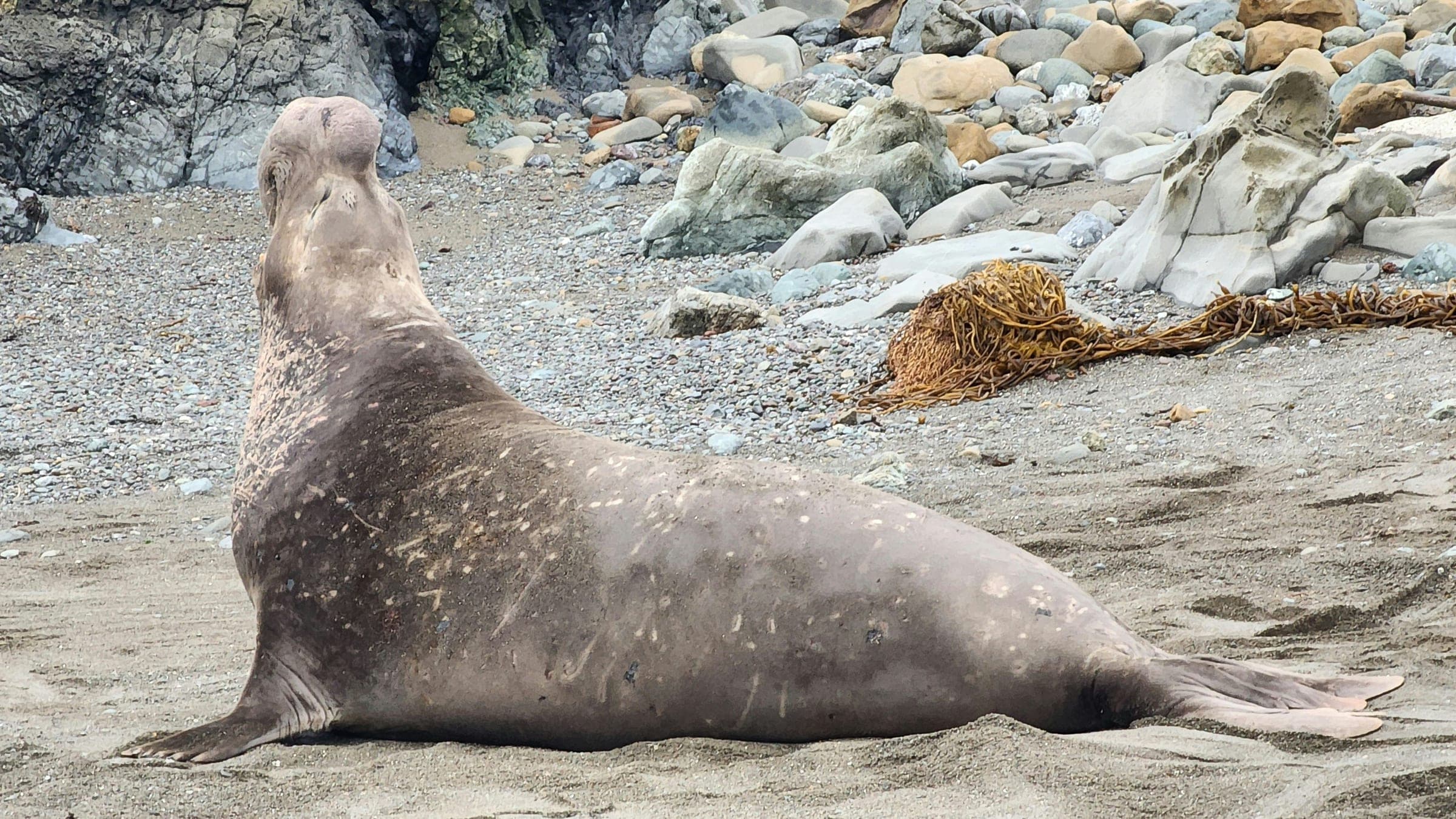
Very large, oceangoing true seals in the genus Mirounga, including northern and southern species with pronounced male proboscises.
Species Guide
A clean field guide focused on habitat, identification, behavior, and conservation context without burying the useful parts.
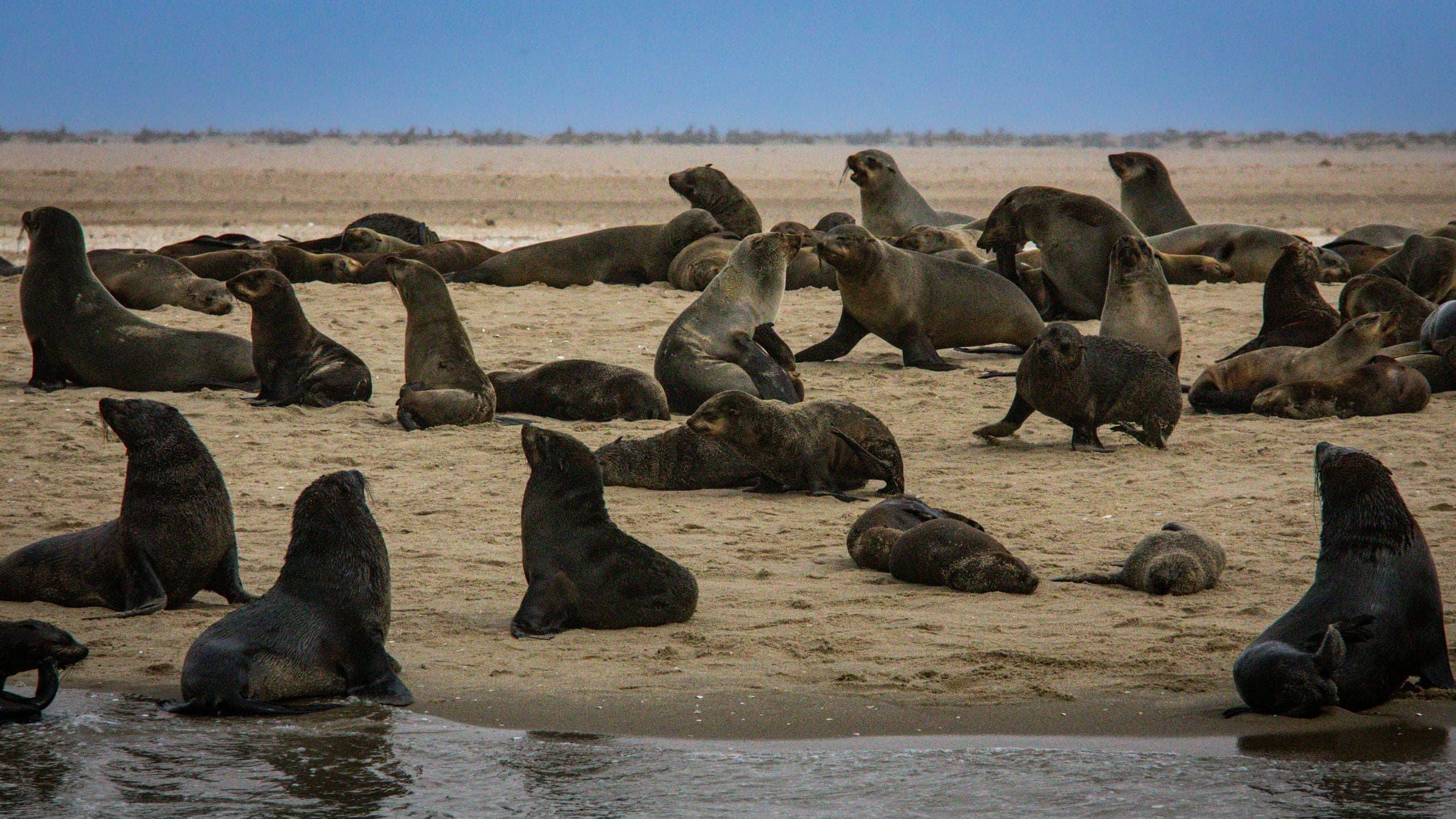
Elephant seals are very large, oceangoing true seals in the genus Mirounga. Two species are commonly recognized: the northern elephant seal (M. angustirostris) and the southern elephant seal (M. leonina). Males can develop a large proboscis and may weigh up to about 4,000 kilograms (8,800 lb). The northern species ranges over the Pacific coast of the U.S., Canada and Mexico, with northerly breeding sites such as Race Rocks Marine Protected Area near Vancouver Island. The southern species occurs in the Southern Hemisphere on islands including South Georgia and Macquarie Island and on coasts of New Zealand, Tasmania, South Africa, and Argentina (Peninsula Valdés); a small colony exists at Jackson Bay in southern Chile. Elephant seals evolved in the Pacific during the Pliocene and breed annually, often returning to established breeding colonies.
Both northern and southern elephant seals were hunted heavily for lamp oil by the end of the 19th century and were driven nearly to extinction; their numbers have since recovered.
The strongest linked planning options currently surface around destinations such as Côte Vermeille (Banyuls-sur-Mer and Cerbère) and countries such as Canada, France for divers building trips around elephant seals.
Last Updated Mar 9, 2026 · 4 sources
Identification
The visual markers divers can use underwater, plus the species most likely to cause confusion.
Males can weigh up to about 4,000 kilograms (8,800 lb).
Adult males develop a large proboscis or trunk-like nose; this feature is an example of convergent evolution.
Elephant seals are true seals in the genus Mirounga.
Conservation
Status, pressure, and protection context grounded in cited sources rather than filler.
Both northern and southern elephant seals were hunted heavily for lamp oil by the end of the 19th century and were driven nearly to extinction; their numbers have since recovered.
Both species were hunted to the brink of extinction for lamp oil by the end of the 19th century.
Responsible Encounters
Conservation-minded guidance for divers who want the encounter without adding pressure.
Give elephant seal space, avoid blocking the animal's path, and follow local site and operator rules for wildlife interactions with other mammals.
Field Notes
Useful species context that makes the encounter more meaningful once you are underwater.
Elephant seals evolved in the Pacific Ocean during the Pliocene period.
They breed annually and tend to return to established breeding colonies.
The northern species ranges along the northeast Pacific; the southern species occurs around subantarctic islands and southern hemisphere coasts.
Their common name refers to the male's proboscis; they are not closely related to elephants.
Top Destinations
Destinations surfaced from the linked dive spots associated with this species.
Top Countries
The strongest country-level starting points currently linked to this species.
Top Dive Spots
Directly linked dive spots where this species already shows up in the planning data.
Le jardin aux gorgones is a deep gorgonian boat dive.
Race Rocks is a challenging cold-water boat dive off Victoria.
FAQ
Clear planning and conservation answers written for search visibility and AI retrieval.
Research Sources
Primary and credible references behind the field-guide and conservation claims on this page.
Primary wildlife guide source.
Supporting wildlife source.
Supporting wildlife source.
Supporting wildlife source.
Related Species
Related species guides in the same encounter family.