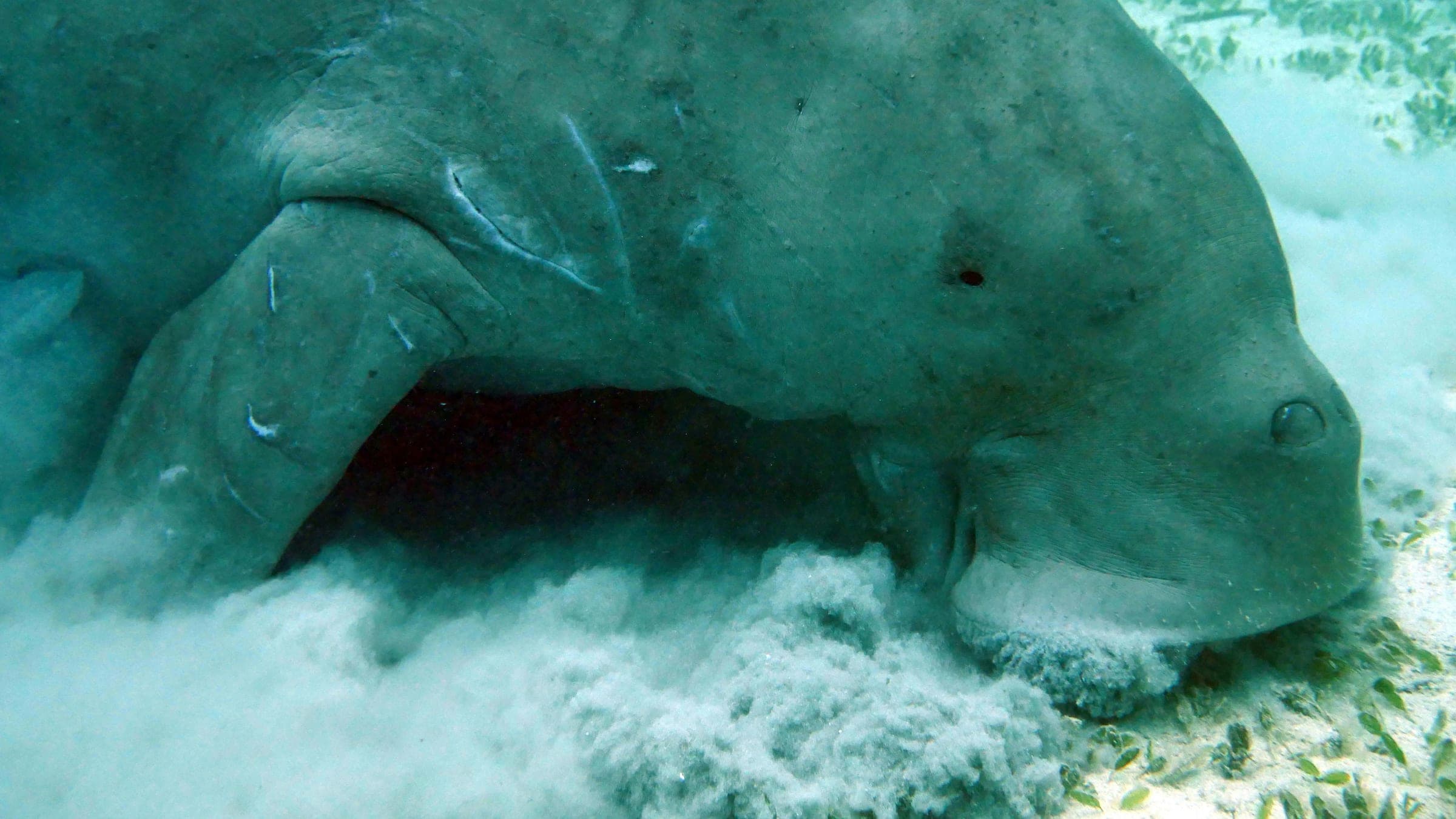
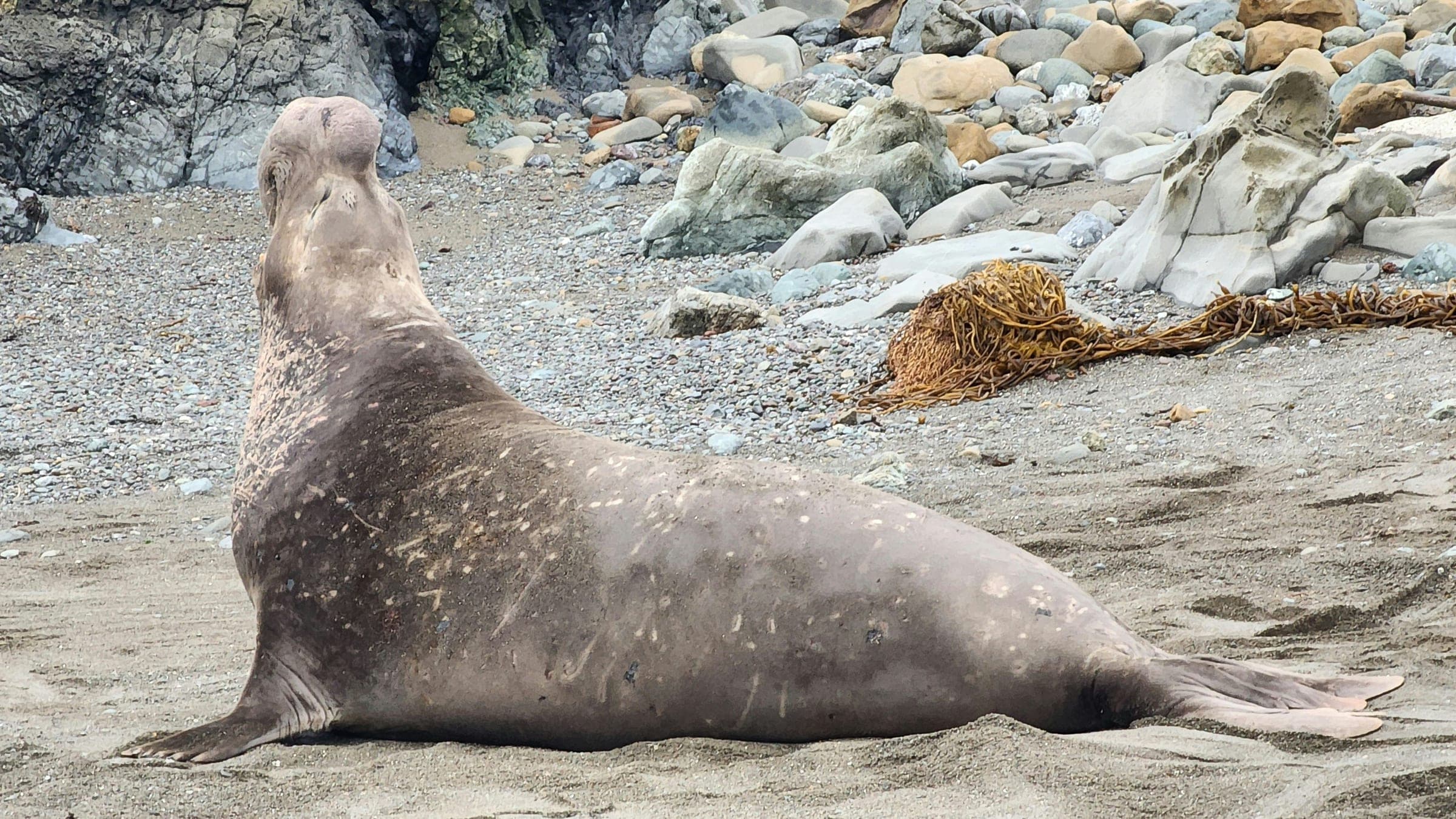
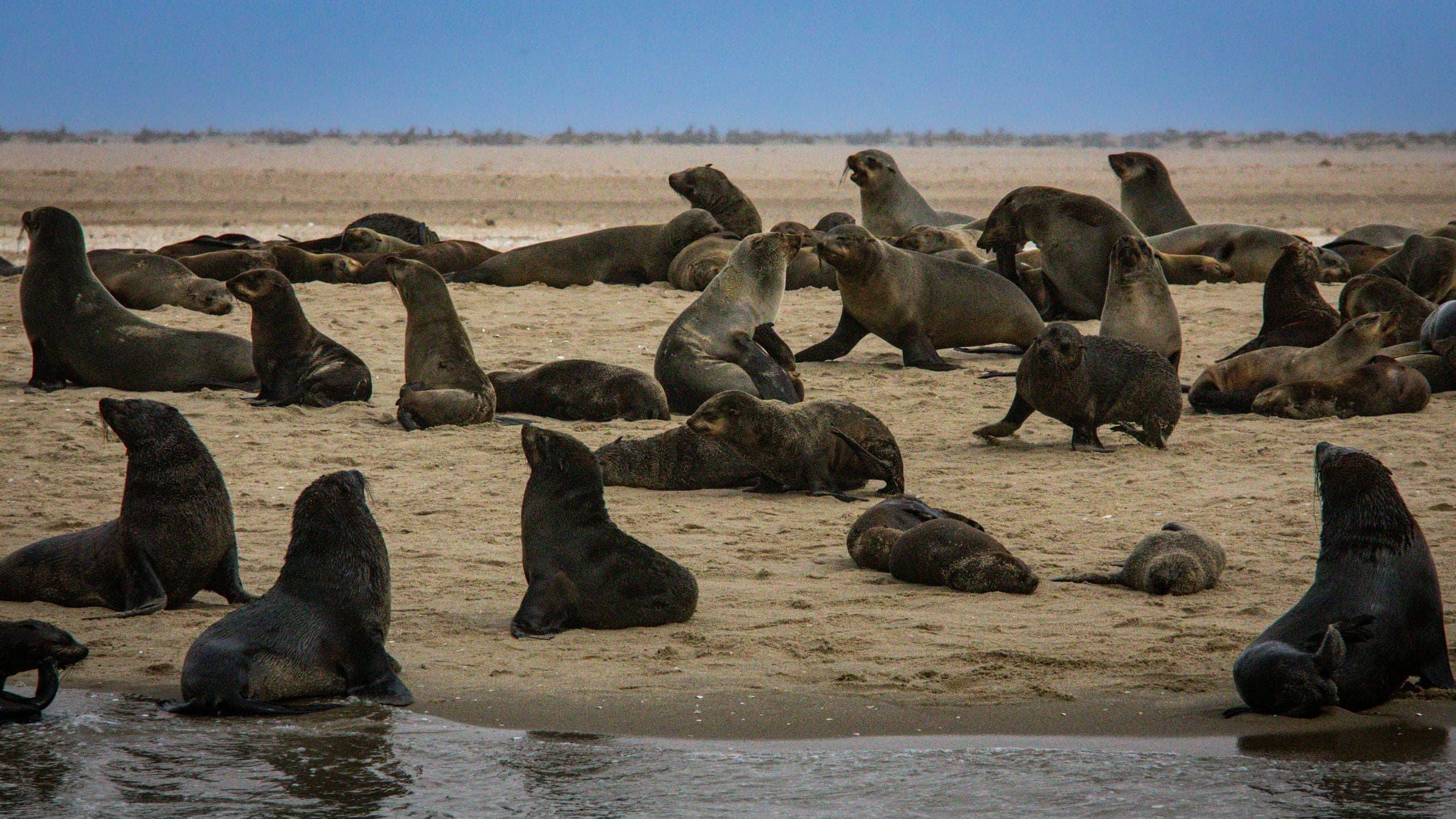
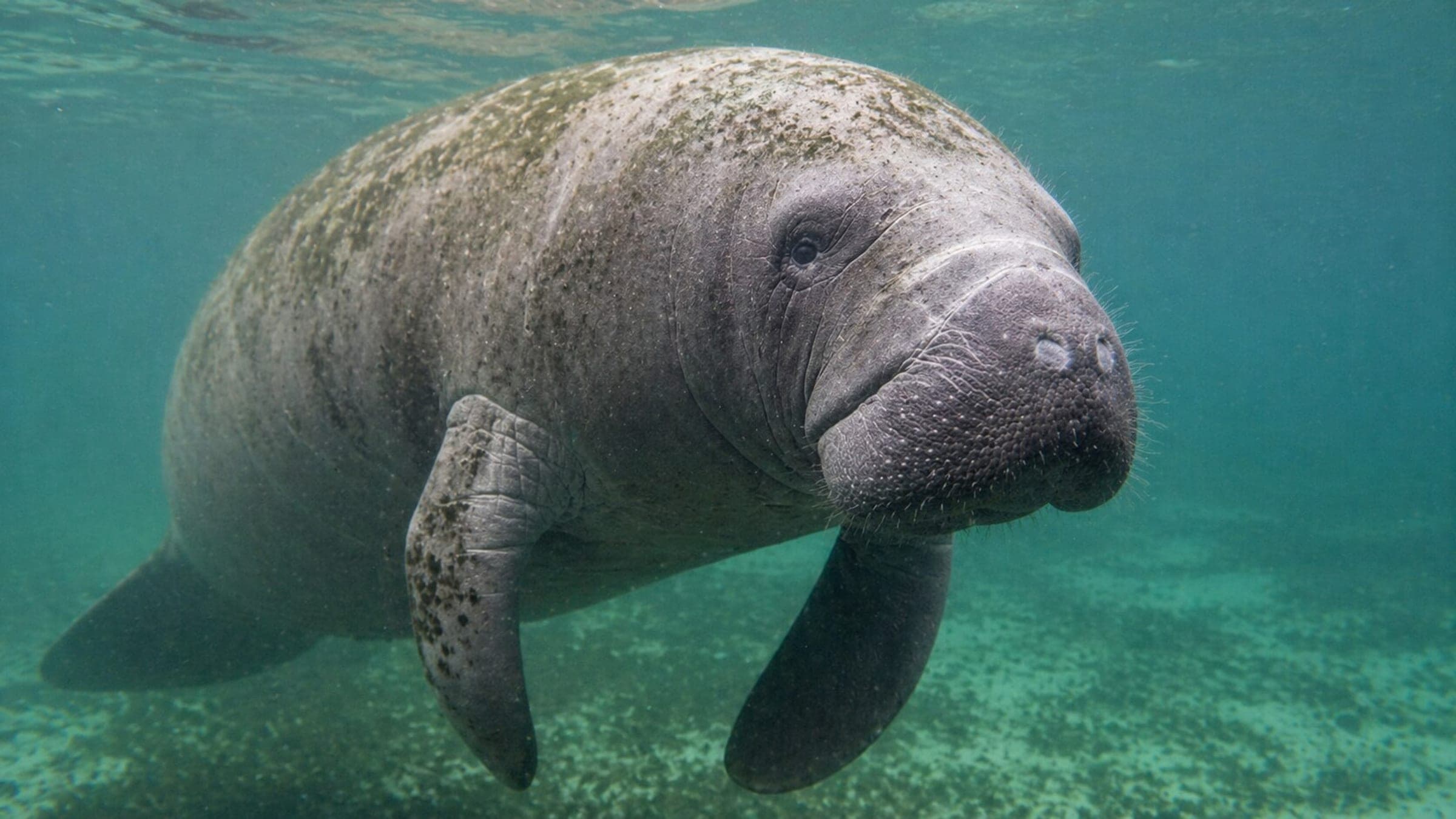
Pinnipeds versus sirenians
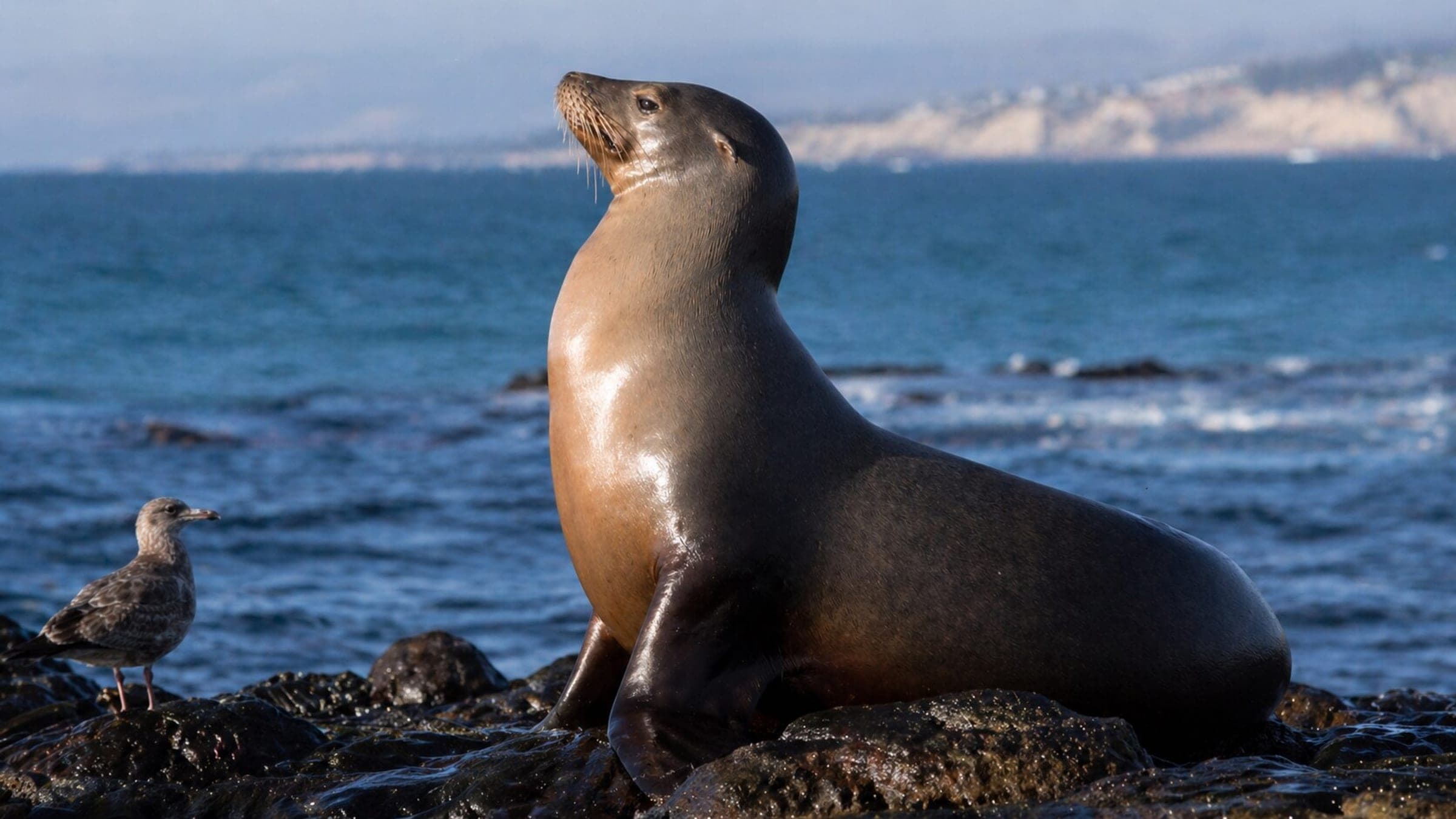
Seals and sea lions are streamlined flippered predators, while manatees and dugongs are broad-bodied herbivores with paddle-like forelimbs and horizontal tails.
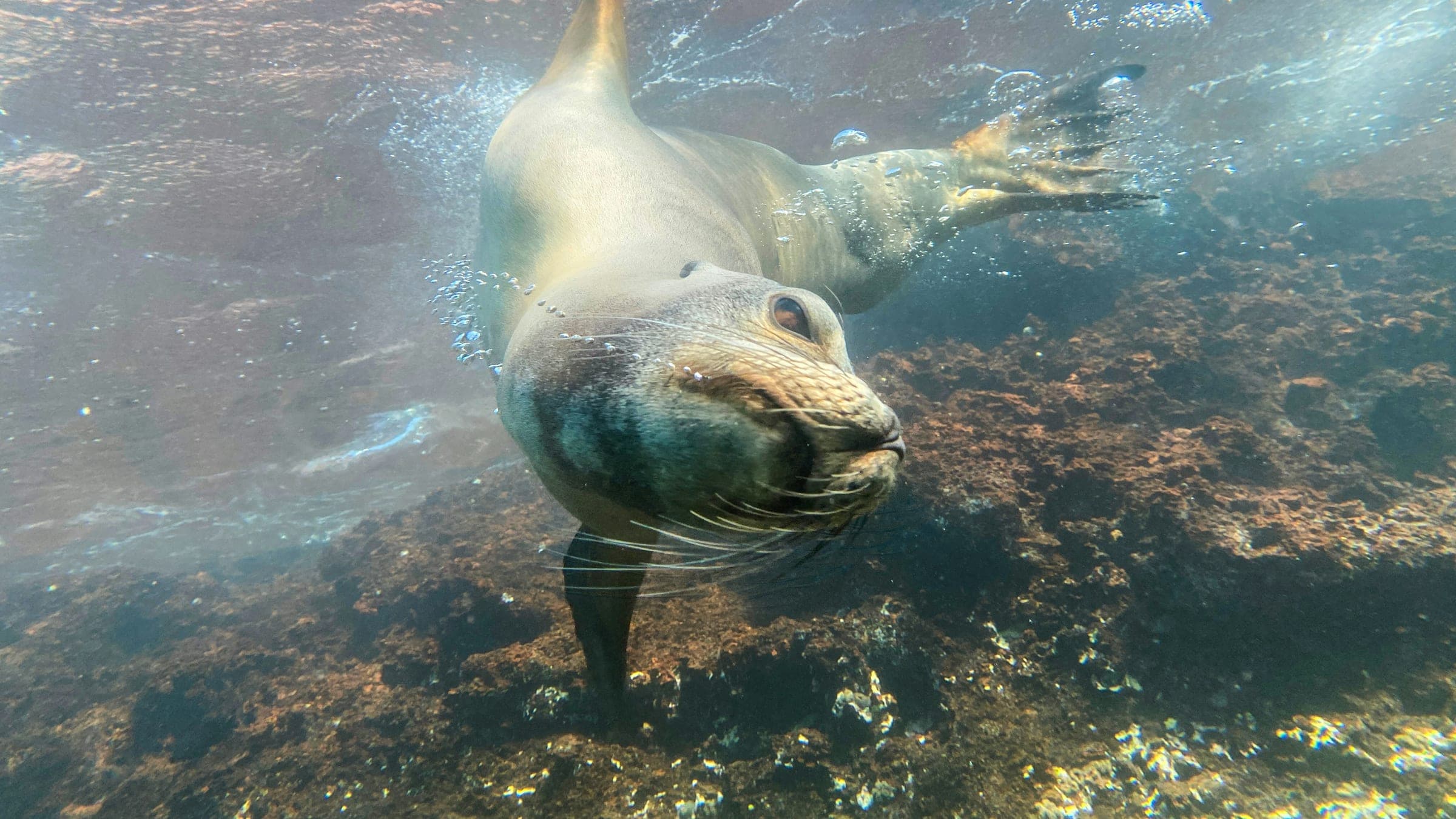
Other marine mammals include seals, sea lions, manatees, dugongs, and otters, with encounters shaped by haul-out rules, seagrass habitat, and strict no-harassment boundaries.
Group Guide
A group-level field guide built to move divers from broad intent into the right species, destinations, and encounter planning.
This group brings together the marine mammals that divers most often meet outside whales and dolphins: seals, sea lions, manatees, dugongs, and a few other region-specific species. They do not behave like one uniform category. Pinnipeds often move between haul-out sites and feeding grounds, sirenians spend long periods grazing in shallow seagrass habitat, and each subgroup responds differently to boats, current, and diver pressure.
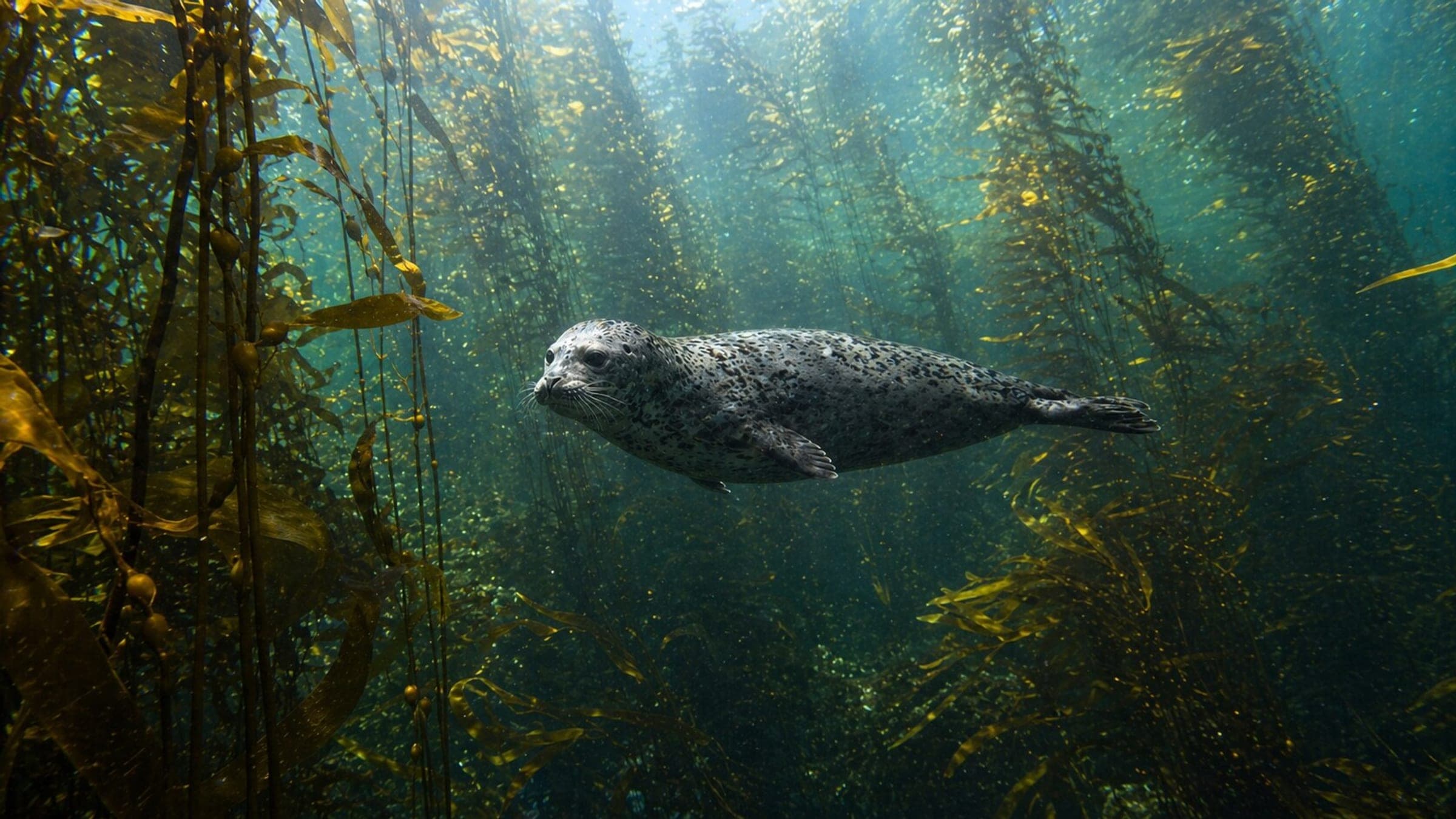
The quickest split is body shape and movement style. Seals and sea lions are streamlined pinnipeds with obvious foreflippers and rear flippers, while manatees and dugongs are slower sirenians with paddle-like forelimbs and broad horizontal tails. Sea lions usually look more agile and social in the water; seals often appear more compact and direct; sirenians are slower, grazing mammals tied to warm, sheltered habitat.
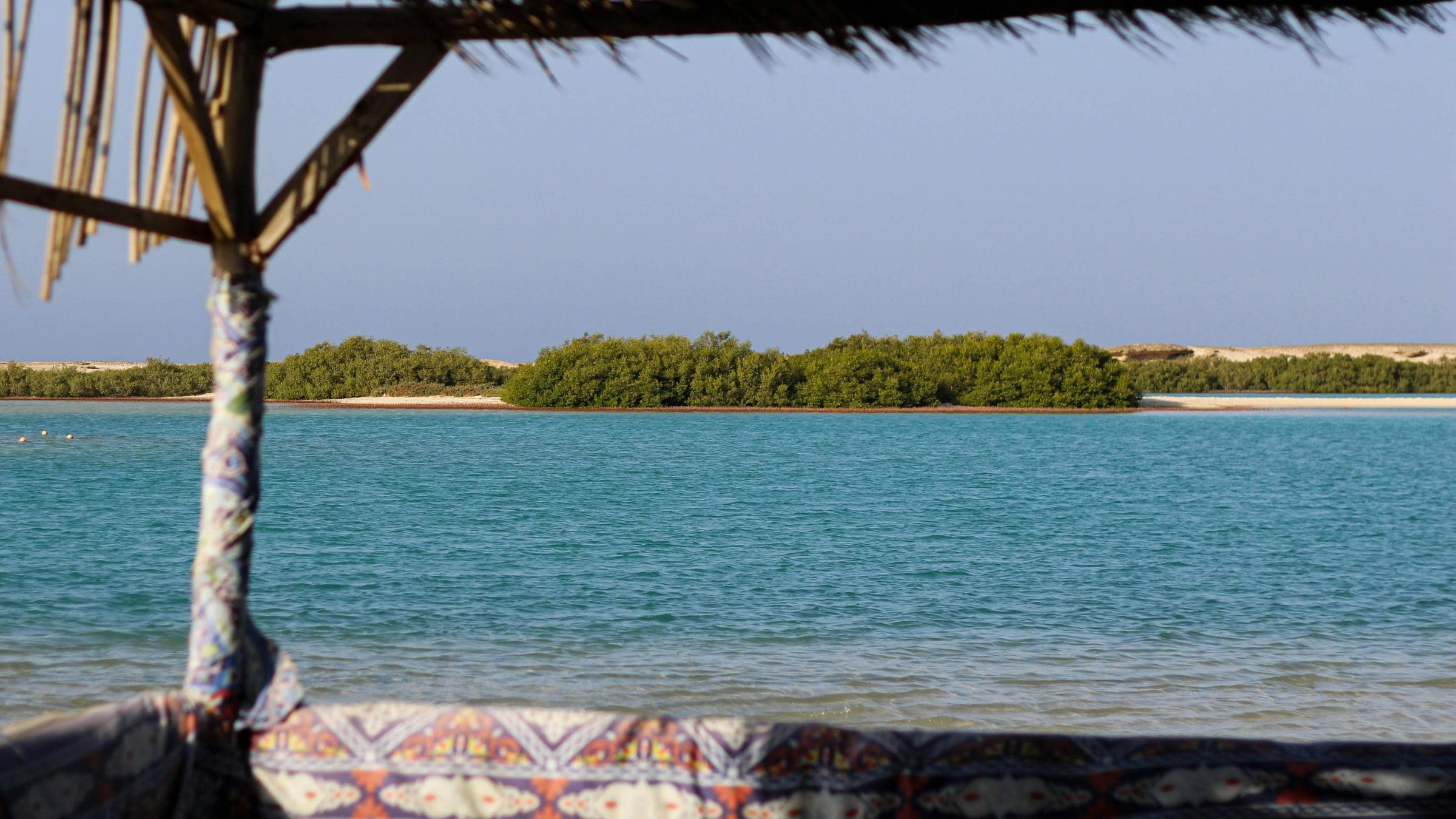
Dive encounters cluster around very different settings. Sea lions and seals often appear around rocky coastlines, kelp forests, islands, and current-fed feeding zones, while dugongs and manatees are linked to calm, shallow water with seagrass or warm refuge habitat. That means destination research matters more than the broad group label, because a great sea lion trip and a great dugong trip are built around completely different conditions.
This page works best as a guide to the kinds of encounters in the group rather than a promise of one style of interaction. Resting haul-outs, pupping sites, and grazing areas are especially sensitive, so the best operators accept shorter encounters instead of forcing extra passes.
This group guide pulls together 6 published Other Mammals guides so divers can move from broad trip intent to the right species pages, destinations, and dive spots faster.
Conservation pressure across this mixed group is real but uneven. Disturbance at haul-outs, entanglement, vessel strikes, habitat loss, harmful algal blooms, pollution, and seagrass decline all matter, depending on the species and region. Because this category spans both pinnipeds and sirenians, divers should assume local rules are species-specific and often stricter around pupping, resting, and warm-water refuge areas.
Movement patterns vary across the group. Pinnipeds cycle between shore-based haul-outs and offshore feeding areas, sometimes over large distances, while sirenians stay much closer to seagrass meadows, warm-water refuges, or sheltered coastal habitat. For divers, that means timing around tides, pupping seasons, forage pulses, and local temperature is often more important than broad regional branding.
Cape Town, Galapagos Islands, and Marsa Alam (Abu Dabbab and Elphinstone) currently stand out as strong destination entry points for Other Mammals planning.
United States of America, Mexico, and Australia are some of the clearest country-level starting points for this group right now.
Seals and sea lions are streamlined flippered predators, while manatees and dugongs are broad-bodied herbivores with paddle-like forelimbs and horizontal tails.
External ear flaps, longer foreflippers, or a dolphin-like dugong tail can separate the major subgroups quickly even in low visibility.
Sea lions often bank, twist, and investigate actively, seals tend to be more direct, and sirenians move slowly while feeding or resting near the bottom or surface.
The group spans agile pinnipeds and slow-grazing sirenians, so destination choice changes almost everything about the encounter.
Some sea lions are famously curious with divers, but seals, manatees, and dugongs usually reward slower, quieter observation instead.
Kelp forests and rocky islands usually point to pinnipeds, while clear springs, lagoons, and seagrass meadows point to sirenians.
Movement patterns vary across the group. Pinnipeds cycle between shore-based haul-outs and offshore feeding areas, sometimes over large distances, while sirenians stay much closer to seagrass meadows, warm-water refuges, or sheltered coastal habitat. For divers, that means timing around tides, pupping seasons, forage pulses, and local temperature is often more important than broad regional branding.
Seals and sea lions feed on fish, squid, and other animal prey, while manatees and dugongs are mostly herbivores that graze on seagrasses or aquatic vegetation. The habitat you choose should match the feeding ecology you want to see: rocky coasts and current-fed water for pinnipeds, calm seagrass systems for sirenians.
Conservation
A group-level read on the pressures, protections, and diver behavior that matter most across these species.
Conservation pressure across this mixed group is real but uneven. Disturbance at haul-outs, entanglement, vessel strikes, habitat loss, harmful algal blooms, pollution, and seagrass decline all matter, depending on the species and region. Because this category spans both pinnipeds and sirenians, divers should assume local rules are species-specific and often stricter around pupping, resting, and warm-water refuge areas.
Stay away from haul-outs, pupping beaches, and warm-water refuge sites unless local rules explicitly allow access. In the water, hold position instead of chasing, never cut off an animal surfacing for air, and leave extra space around mothers, juveniles, and any animal that changes course to avoid you. If an operator keeps making repeated drops to force interaction, that is a bad encounter, not a better one.
Repeated close approaches can displace animals from beaches, rocks, or refuge habitat used for resting, nursing, and breeding.
Fishing gear, fast boats, and crowded tourism routes can injure or kill both pinnipeds and sirenians.
Seagrass loss, coastal development, pollution, and harmful blooms reduce the quality of the habitat these mammals rely on for feeding and refuge.
National marine mammal laws and protected-species regulations can prohibit harassment and set minimum approach distances or seasonal closures.
Site-based closures and managed access around colonies, pupping beaches, springs, or seagrass habitat help reduce chronic disturbance.
NOAA and wildlife agencies publish encounter guidance that helps operators avoid crowding, blocking, or repeated disturbance of vulnerable animals.
Species
Jump into the individual species pages that currently sit inside this wildlife group.
Top Destinations
Destinations surfaced from the linked dive spots associated with species in this group.
Top Countries
The strongest country-level starting points currently linked to this wildlife group.
Top Dive Spots
Directly linked dive spots where species in this group already show up in the planning data.

Boat-access Cabo rock-and-bay dive near the Arch.
Boat-only reef and sea lion site beside Cabo's Arch.
Catalina's flagship shore dive park with kelp, walls, and easy stairs.
Popular False Bay shore dive with kelp, boulders, and a swim-through.
Abu Dabab Garden is a shore-friendly Marsa Alam reef.
Sheltered Red Sea bay with seagrass, reefs, and dugongs.
FAQ
Direct answers to the questions divers and planners tend to ask first.
Research Sources
Primary and supporting references used for the published group guide.
Protection framework and marine mammal management context.
Pinniped overview and encounter ecology.
Sirenian habitat and protection context.
Responsible viewing guidance relevant to diver and boat behavior.