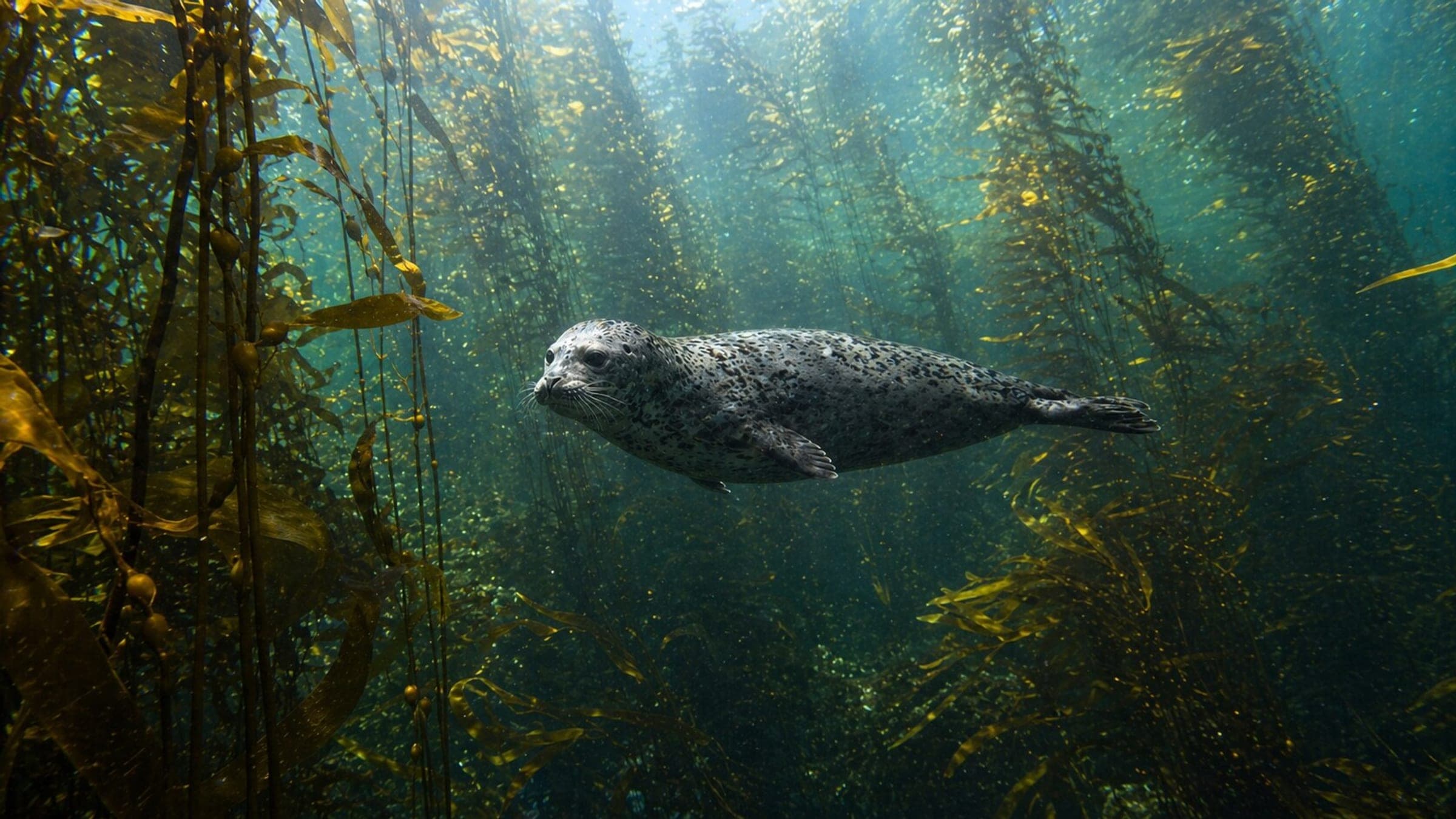
External ears (pinnae)
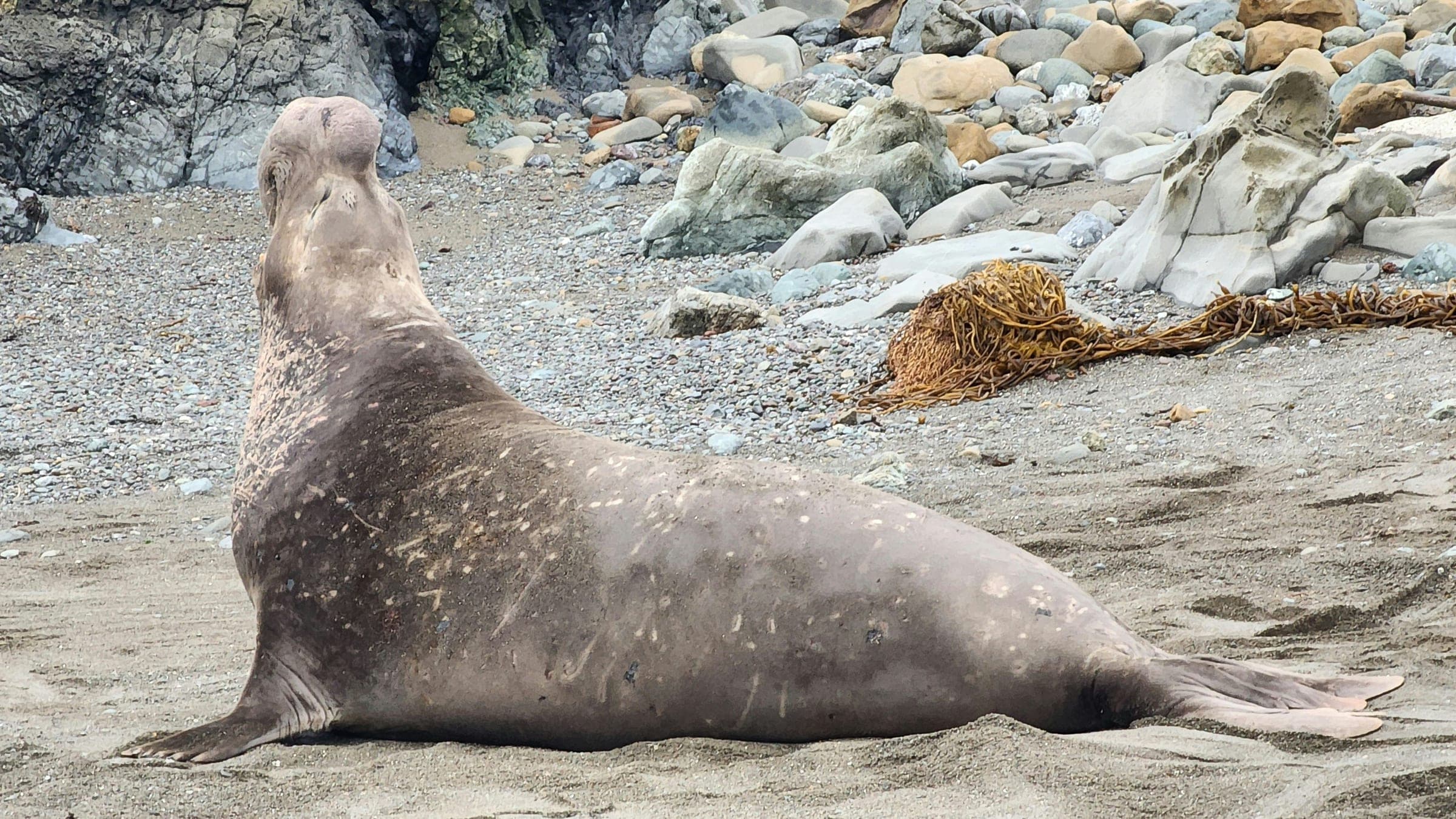
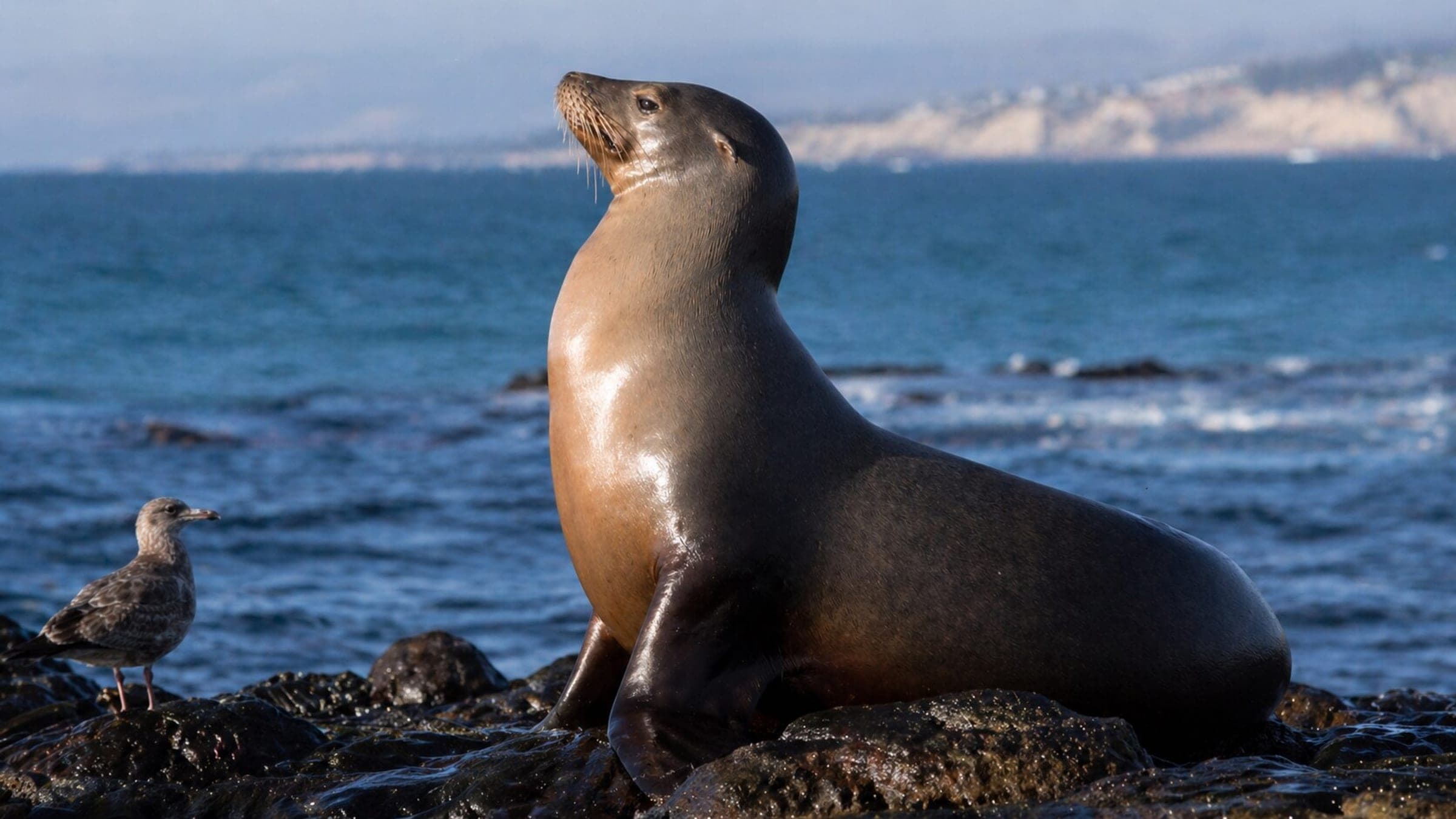
Fur seals have visible external ears, a trait shared with sea lions and distinguishing them from true seals.
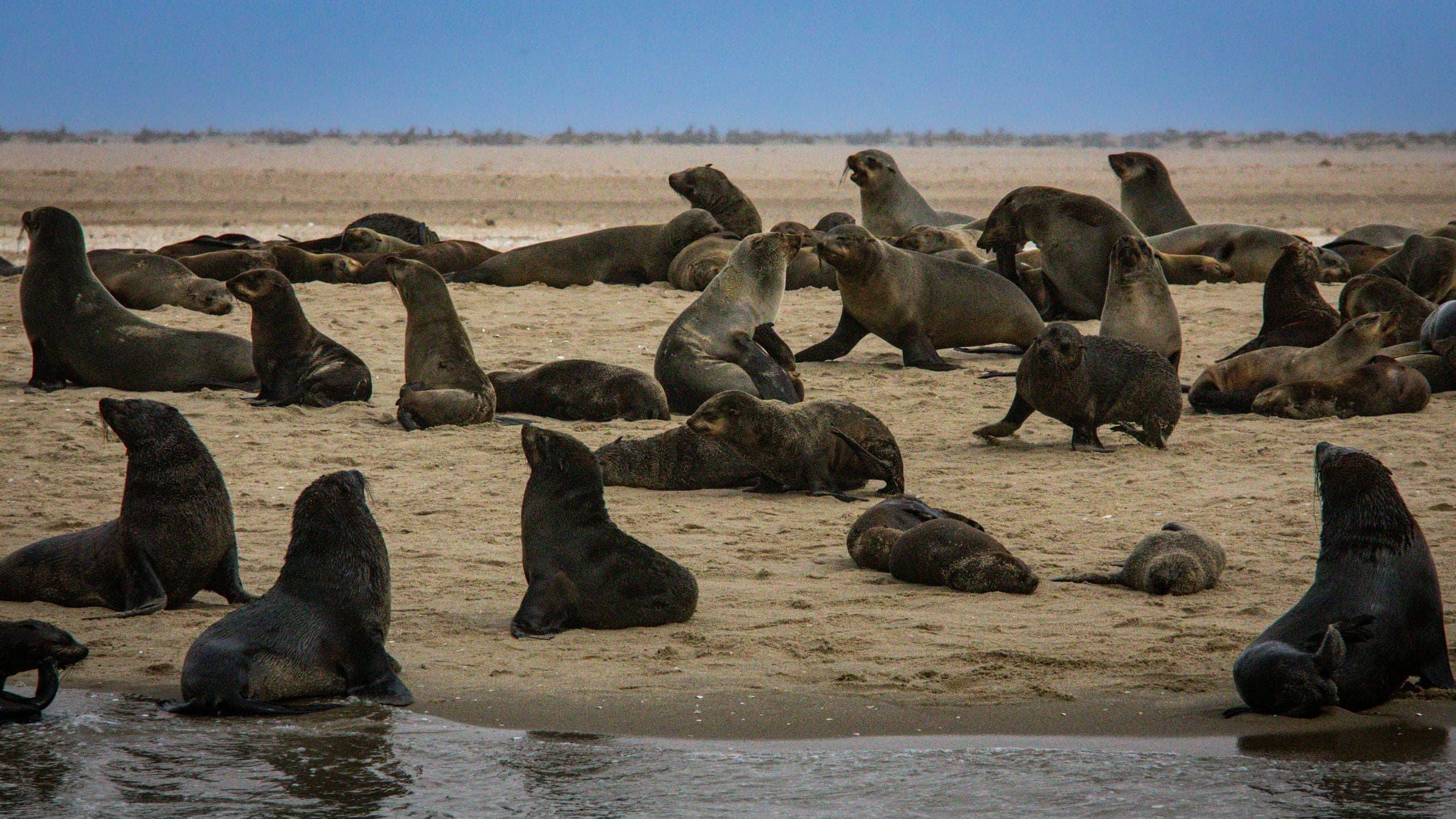
Fur seals are pinnipeds with dense underfur, external ears, and long foreflippers, comprising nine species primarily in the Southern Hemisphere and one in the North Pacific.
Species Guide
A clean field guide focused on habitat, identification, behavior, and conservation context without burying the useful parts.
Fur seals are nine species of pinnipeds in the subfamily Arctocephalinae (family Otariidae). They share external ears (pinnae), relatively long muscular foreflippers, and the ability to walk on all fours—traits they have in common with sea lions. Fur seals are marked by dense underfur, which was the primary reason they were hunted commercially. Eight species belong to the genus Arctocephalus and are found mainly in the Southern Hemisphere; a ninth, the Northern fur seal (Callorhinus ursinus), belongs to a different genus and inhabits the North Pacific. All fur seals are more closely related to sea lions than to true seals.
Commonly cited pressures include Commercial hunting.
The strongest linked planning options currently surface around destinations such as Cape Town, Bay of Islands, Jervis Bay and countries such as Australia, South Africa, New Zealand for divers building trips around fur seals.
Identification
The visual markers divers can use underwater, plus the species most likely to cause confusion.
Fur seals have visible external ears, a trait shared with sea lions and distinguishing them from true seals.
Last Updated Mar 9, 2026 · 4 sources
They are marked by dense underfur, historically targeted by hunters.
Relatively long, muscular foreflippers and the ability to walk on all fours, similar to sea lions.
Sea lions are closely related and share features such as external ears and long foreflippers.
True seals are less closely related and generally lack external ears, distinguishing them from fur seals.
Conservation
Status, pressure, and protection context grounded in cited sources rather than filler.
Commonly cited pressures include Commercial hunting.
Dense underfur made fur seals a long-time object of commercial hunting.
Responsible Encounters
Conservation-minded guidance for divers who want the encounter without adding pressure.
Give fur seal space, avoid blocking the animal's path, and follow local site and operator rules for wildlife interactions with other mammals.
Field Notes
Useful species context that makes the encounter more meaningful once you are underwater.
Fur seals comprise nine species across two genera.
Eight Arctocephalus species are primarily Southern Hemisphere; the Northern fur seal inhabits the North Pacific.
Fur seals belong to the subfamily Arctocephalinae within the family Otariidae.
Top Destinations
Destinations surfaced from the linked dive spots associated with this species.
Top Countries
The strongest country-level starting points currently linked to this species.
Top Dive Spots
Directly linked dive spots where this species already shows up in the planning data.

Popular False Bay shore dive with kelp, boulders, and a swim-through.
Offshore Simon's Town seal and reef dive.
Bird Rock is an offshore wall dive with sharks and seals.
Boat-accessed Victorian drop-off with stepped walls and boulders.
False Bay kelp-and-boulder shore dive with swim-throughs
Queenscliff shore reef with ledges, swim-throughs, and sea dragons
FAQ
Clear planning and conservation answers written for search visibility and AI retrieval.
Research Sources
Primary and credible references behind the field-guide and conservation claims on this page.
Primary wildlife guide source.
Supporting wildlife source.
Supporting wildlife source.
Supporting wildlife source.
Related Species
Related species guides in the same encounter family.