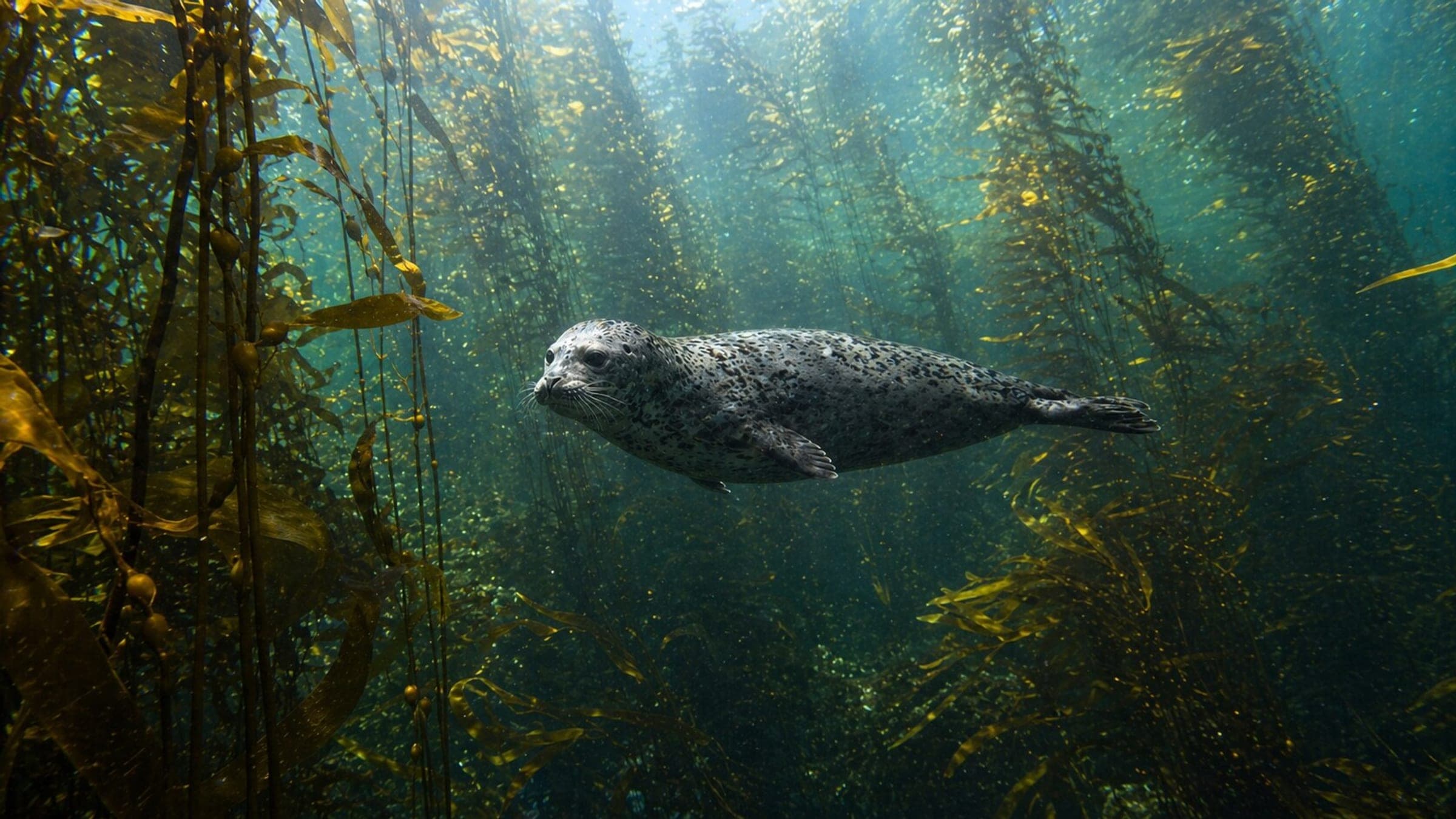
Body shape
Fusiform body with no dorsal fin or hind limbs; paddle-like forelimbs.
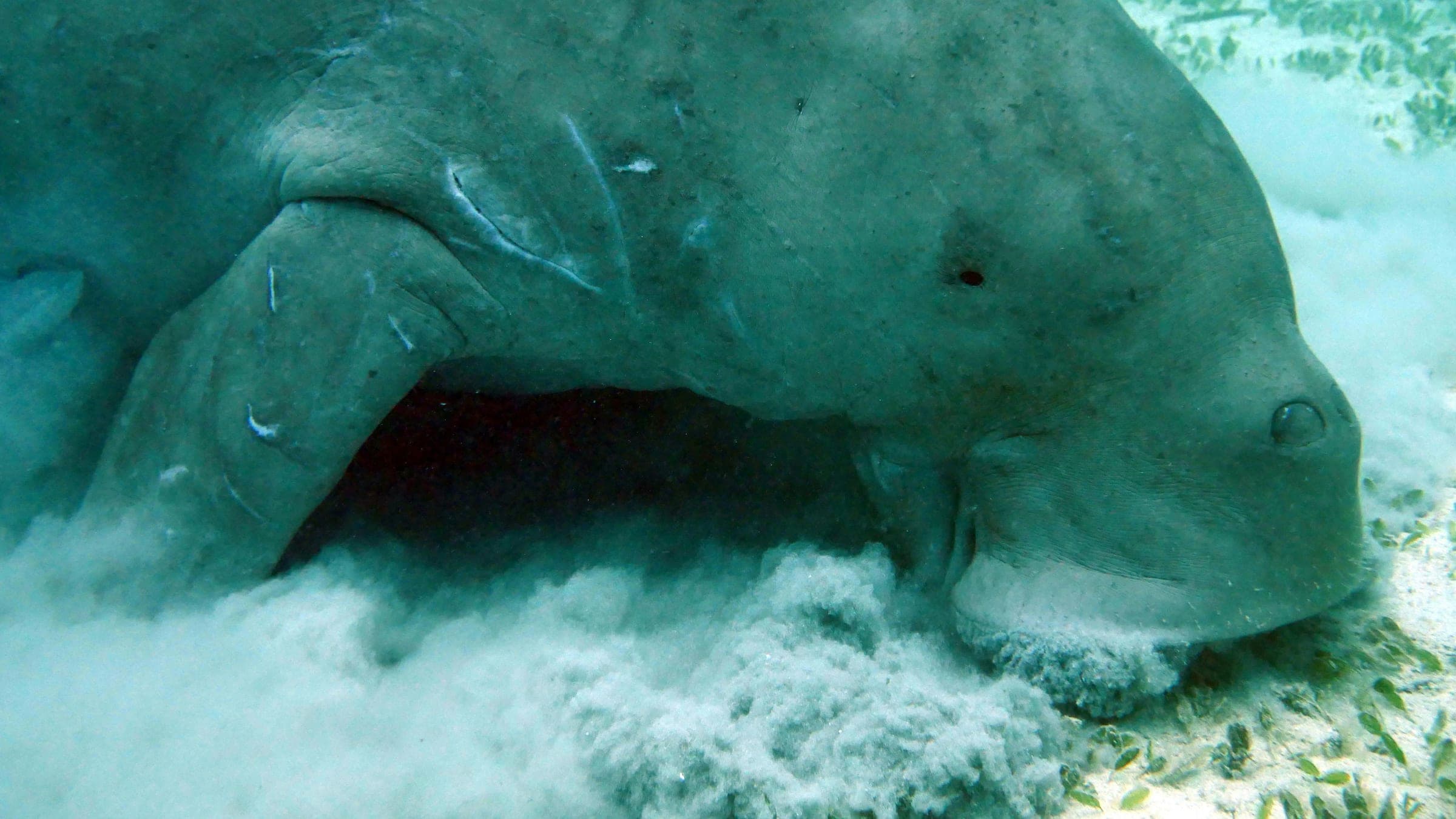
Dugong dugon
The dugong is a seagrass‑feeding marine mammal found in shallow coastal waters across the Indo‑West Pacific and listed as Vulnerable to extinction.
Species Guide
A clean field guide focused on habitat, identification, behavior, and conservation context without burying the useful parts.
The dugong (Dugong dugon) is a marine mammal and one of four living species in the order Sirenia. It is the only living member of the family Dugongidae. Its range spans waters of about 40 countries and territories throughout the Indo‑West Pacific, and it is the only sirenian within that range. Dugongs are largely dependent on seagrass communities and are therefore restricted to coastal habitats that support seagrass meadows. Largest concentrations typically occur in wide, shallow, protected areas such as bays, mangrove channels, waters around large inshore islands, and inter‑reefal waters; northern Australian waters between Shark Bay and Moreton Bay are considered a contemporary stronghold.
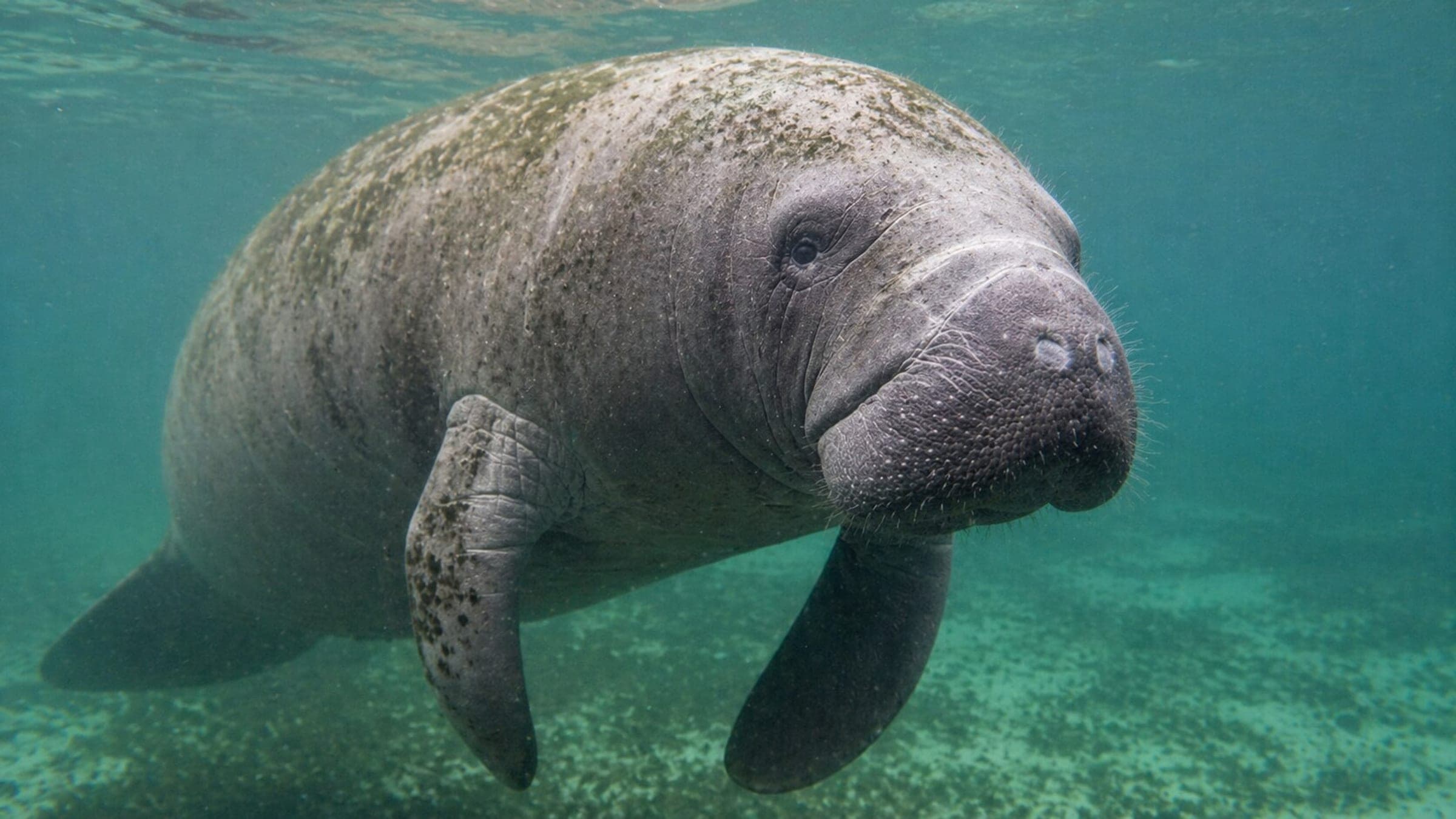
Morphology: dugongs have a fusiform body with no dorsal fin or hind limbs and paddle‑like forelimbs (flippers). They are distinguished from manatees by a fluked, dolphin‑like tail, a sharply downturned snout adapted for benthic seagrass feeding, and simple peg‑like molar teeth. The dugong has been hunted for thousands of years for meat and oil, and traditional hunting remains culturally significant in parts of its range. Current distribution is fragmented, many populations are believed to be close to extinction, and the IUCN lists the species as Vulnerable. Major causes of decline include hunting, fishing-related fatalities, and habitat degradation. Dugongs have long lifespans (70 years or more) and a slow rate of reproduction, increasing their vulnerability to population declines.
The dugong is listed as Vulnerable with fragmented distribution and many populations believed close to extinction; main declines are from hunting, fishing fatalities, and habitat degradation despite legal protections in many countries.
The strongest linked planning options currently surface around destinations such as Marsa Alam (Abu Dabbab and Elphinstone), Cocos (Keeling) Islands, Bunaken and Manado (North Sulawesi) and countries such as Egypt, India, Australia for divers building trips around dugongs.
Last Updated Mar 9, 2026 · 4 sources
The core conservation facts anchoring the cited claims on this guide.
Identification
The visual markers divers can use underwater, plus the species most likely to cause confusion.
Fusiform body with no dorsal fin or hind limbs; paddle-like forelimbs.
Fluked, dolphin-like tail distinguishes dugongs from manatees.
Sharply downturned snout adapted for feeding in benthic seagrass communities.
Molar teeth are simple and peg-like, unlike the more elaborate molars of manatees.
Manatees are related sirenians but dugongs differ by a fluked tail, a downturned snout, and peg-like molars.
Range and Movement
The broad range, seasonal movement, or migratory behavior that shapes where divers encounter this species.
Dugongs are typically found in wide, shallow, protected coastal areas that support seagrass meadows, including bays, mangrove channels, waters around large inshore islands, and inter-reefal waters.
Diet
Useful feeding context that often explains habitat, movement, and encounter style.
Dugongs are largely dependent on seagrass communities and feed on seagrass.
Conservation
Status, pressure, and protection context grounded in cited sources rather than filler.
The dugong is listed as Vulnerable with fragmented distribution and many populations believed close to extinction; main declines are from hunting, fishing fatalities, and habitat degradation despite legal protections in many countries.
Dugongs have been hunted for thousands of years for meat and oil; traditional hunting remains culturally significant in parts of the range.
Bycatch and other fishing-related deaths are listed as a major cause of population decline.
Dependence on seagrass meadows makes dugongs vulnerable to loss and degradation of coastal seagrass habitats.
Dugongs are legally protected in many countries (specific protections vary by country).
CITES limits or bans the trade of products derived from dugongs.
Responsible Encounters
Conservation-minded guidance for divers who want the encounter without adding pressure.
Give dugong space, avoid blocking the animal's path, and follow local site and operator rules for wildlife interactions with other mammals.
Field Notes
Useful species context that makes the encounter more meaningful once you are underwater.
The dugong is the only living representative of the family Dugongidae.
Its closest modern relative, Steller's sea cow, was hunted to extinction in the 18th century.
Dugongs have long lifespans of 70 years or more.
They occur across the Indo‑West Pacific and are the only sirenian in that range.
Top Destinations
Destinations surfaced from the linked dive spots associated with this species.
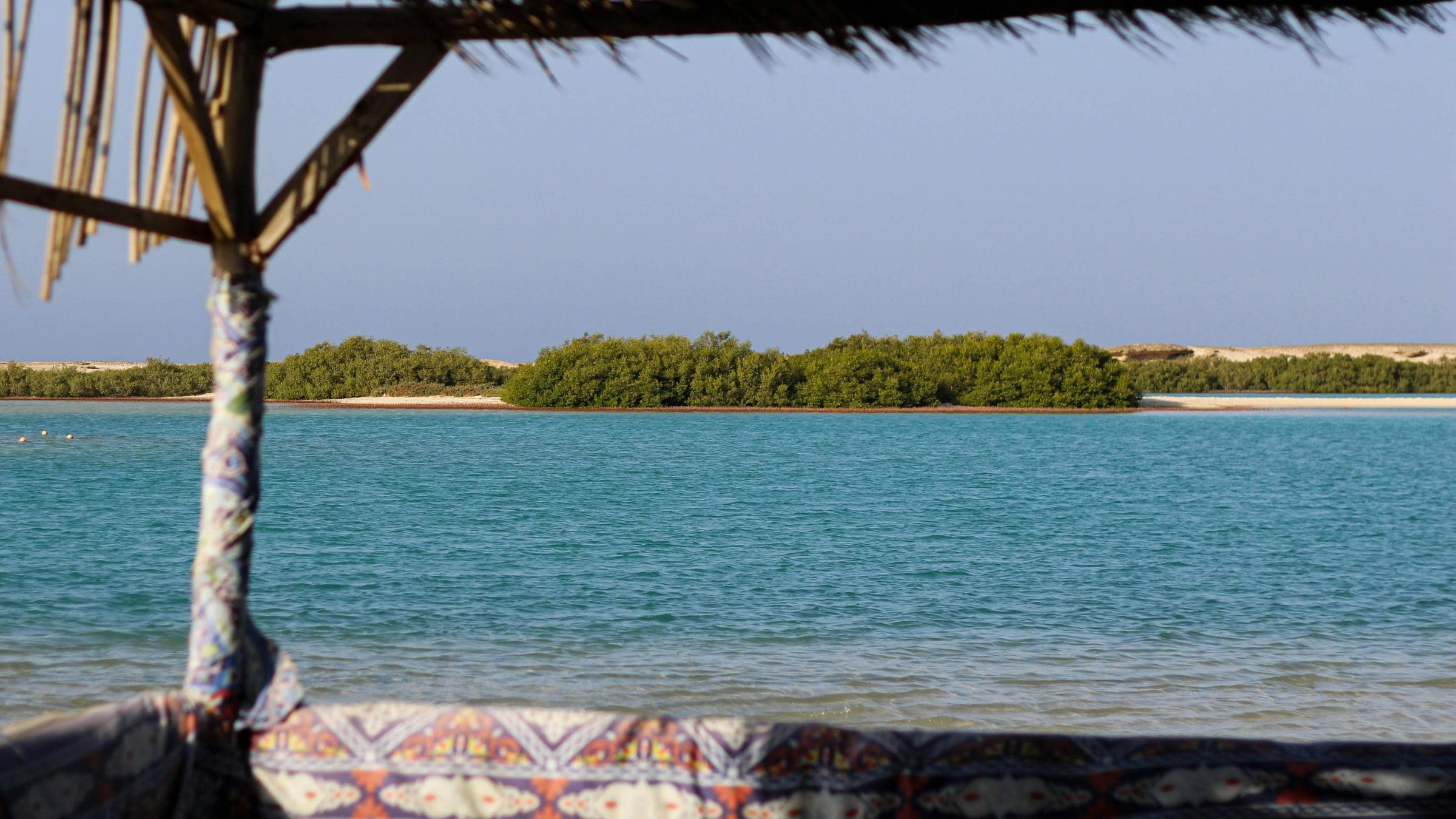
Egypt
Australia

Indonesia
Indonesia
Solomon Islands

Solomon Islands
Top Countries
The strongest country-level starting points currently linked to this species.
Top Dive Spots
Directly linked dive spots where this species already shows up in the planning data.

Abu Dabab Garden is a shore-friendly Marsa Alam reef.
Shore-access coral-block reef dive in Abu Dabab bay.
Sheltered Red Sea bay with seagrass, reefs, and dugongs.
Boat-dive reef with plateau, wall, and seagrass.
Calm Makadi Bay lagoon for beginner dives and snorkelers.
Aquarium - Neil: shallow reef and fish-cage snorkel stop
FAQ
Clear planning and conservation answers written for search visibility and AI retrieval.
Research Sources
Primary and credible references behind the field-guide and conservation claims on this page.
Primary wildlife guide source.
Supporting wildlife source.
Supporting wildlife source.
Taxonomy reference.
Related Species
Related species guides in the same encounter family.