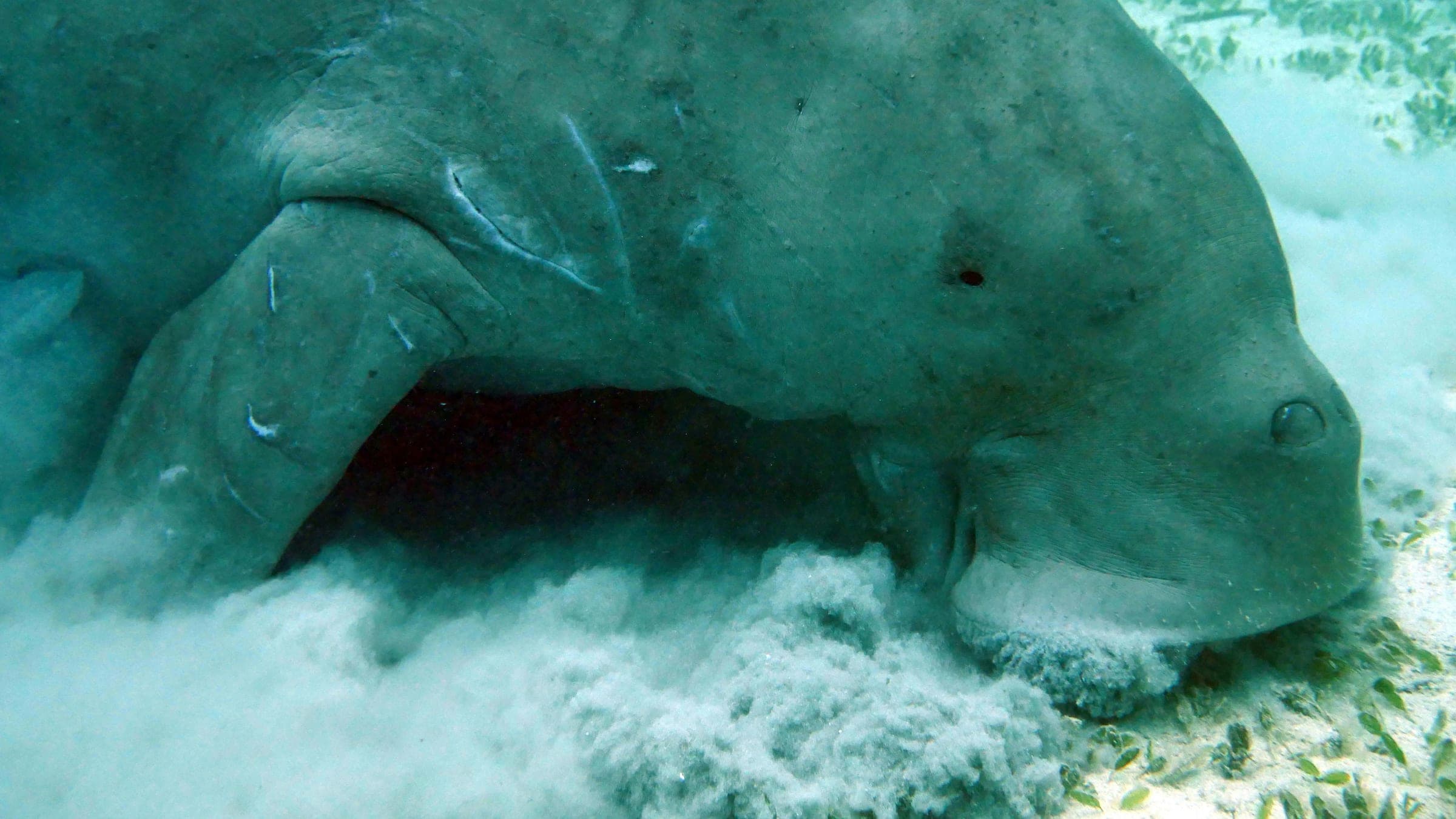
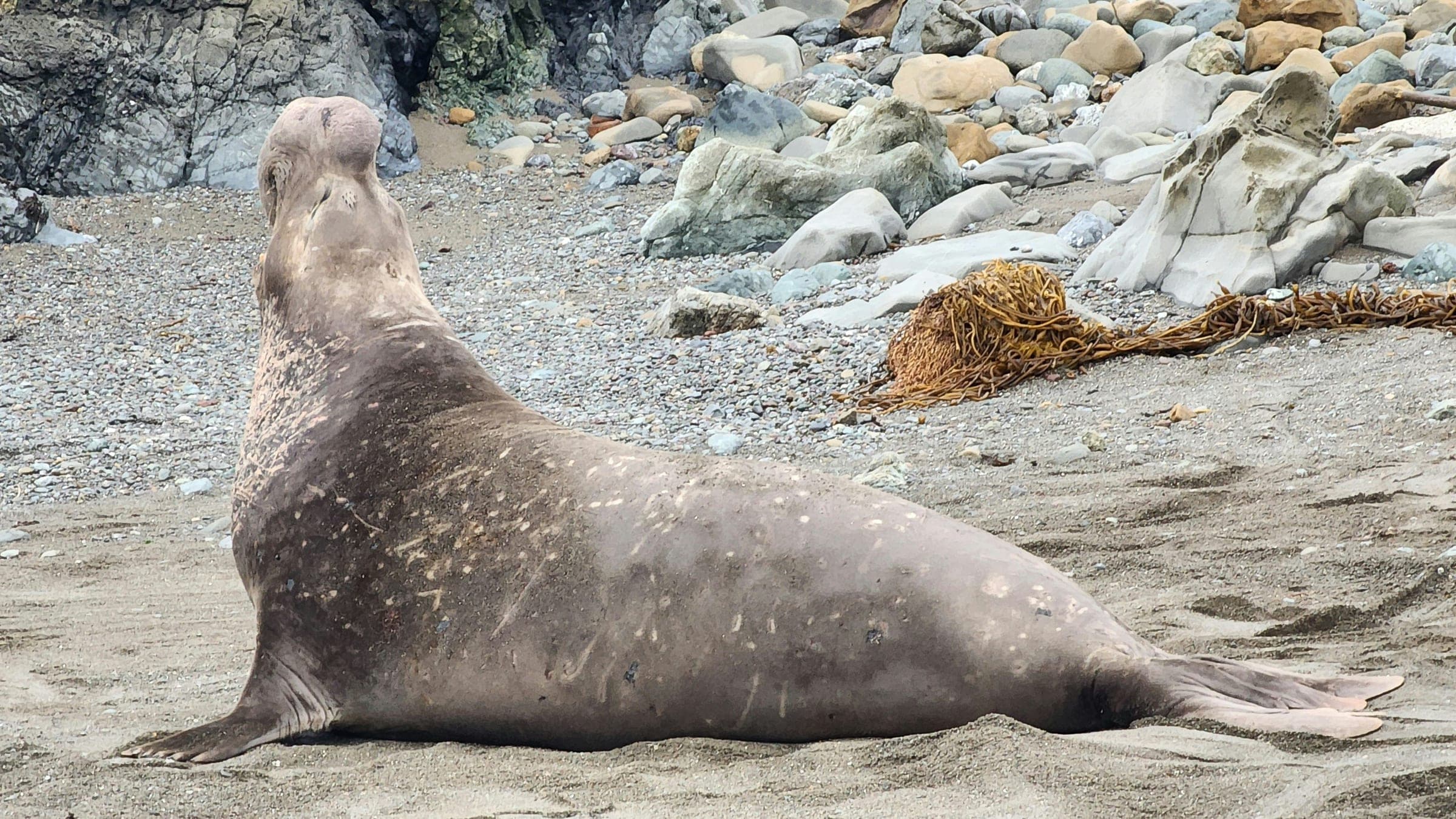
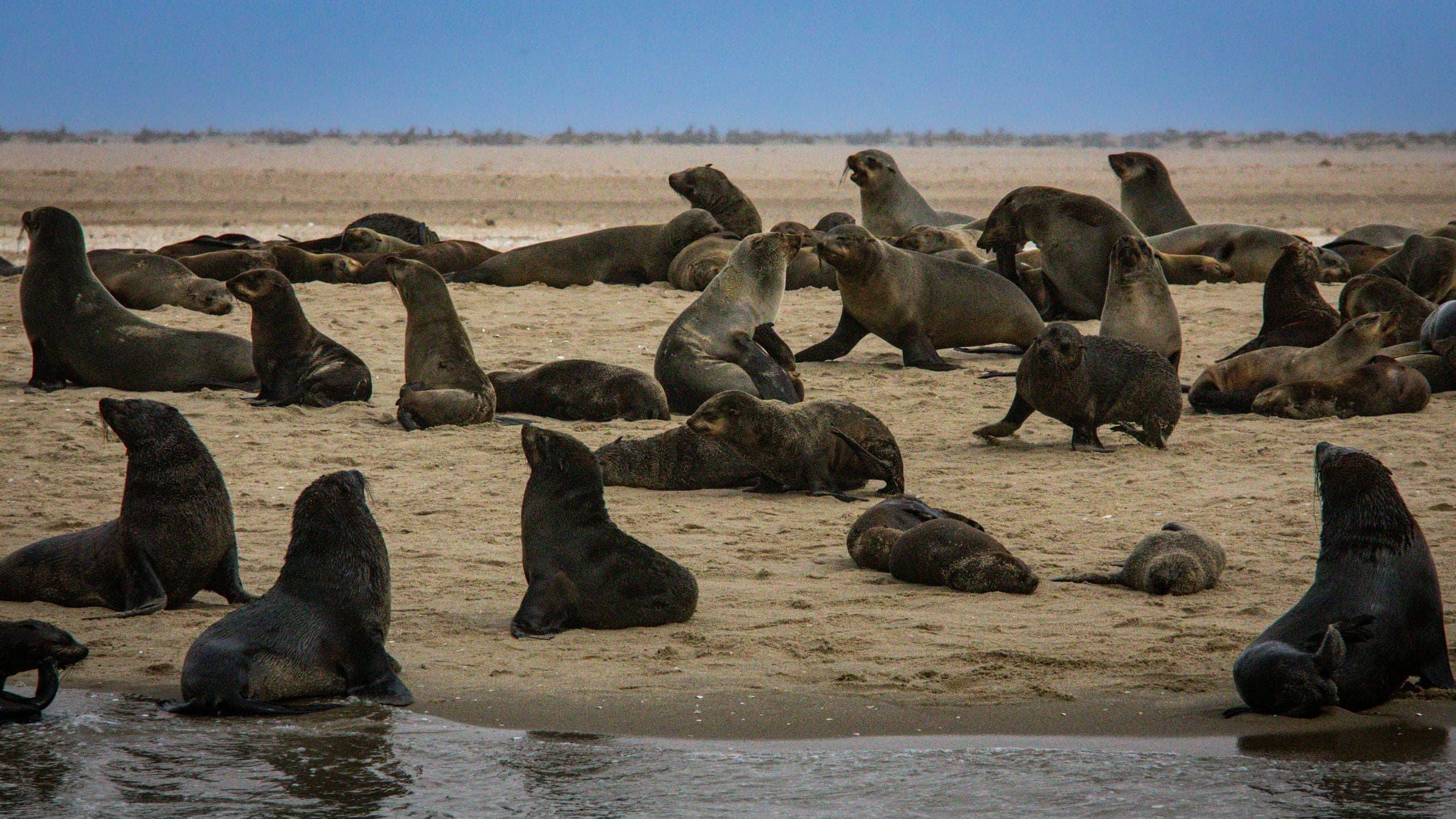
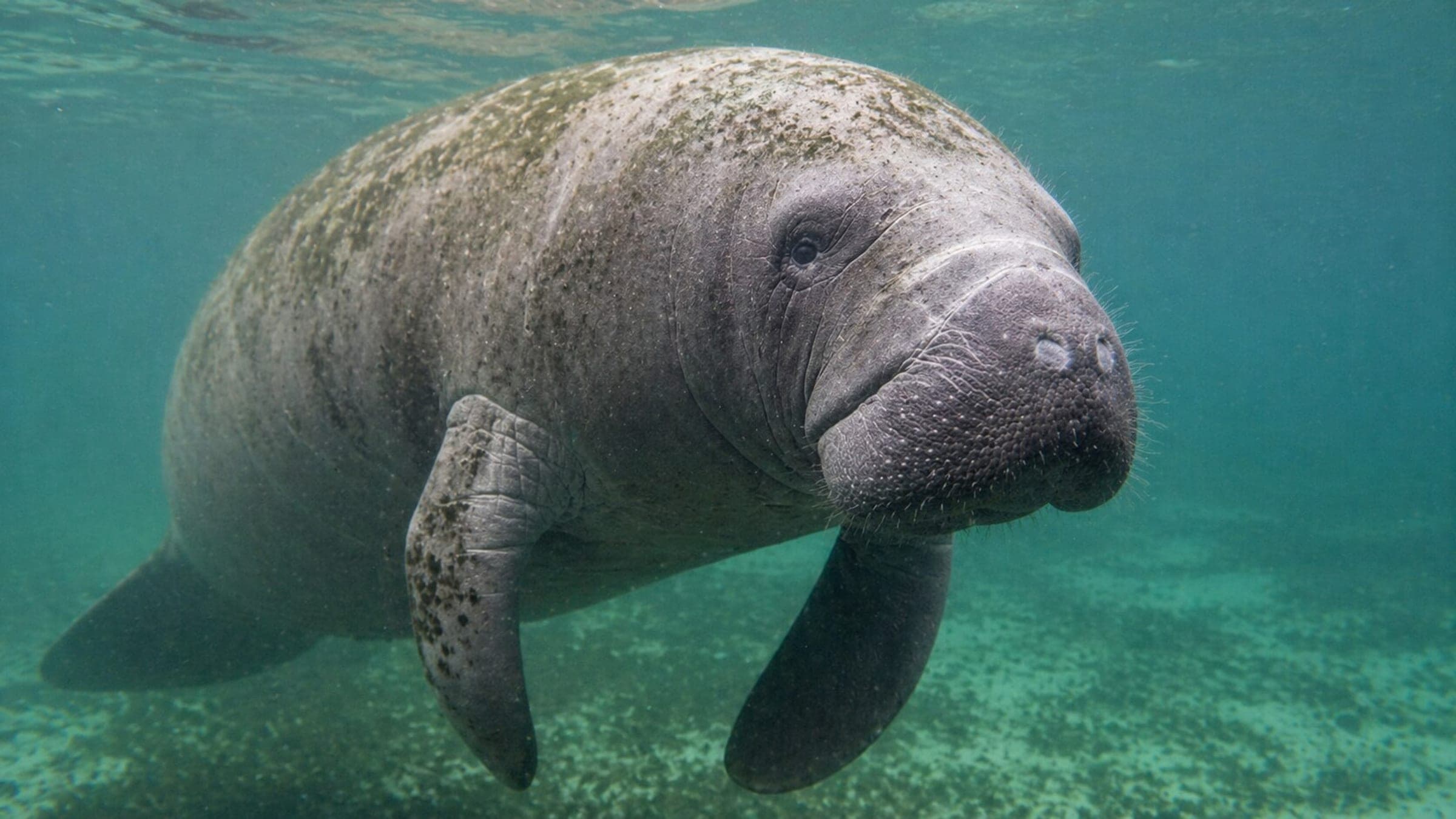
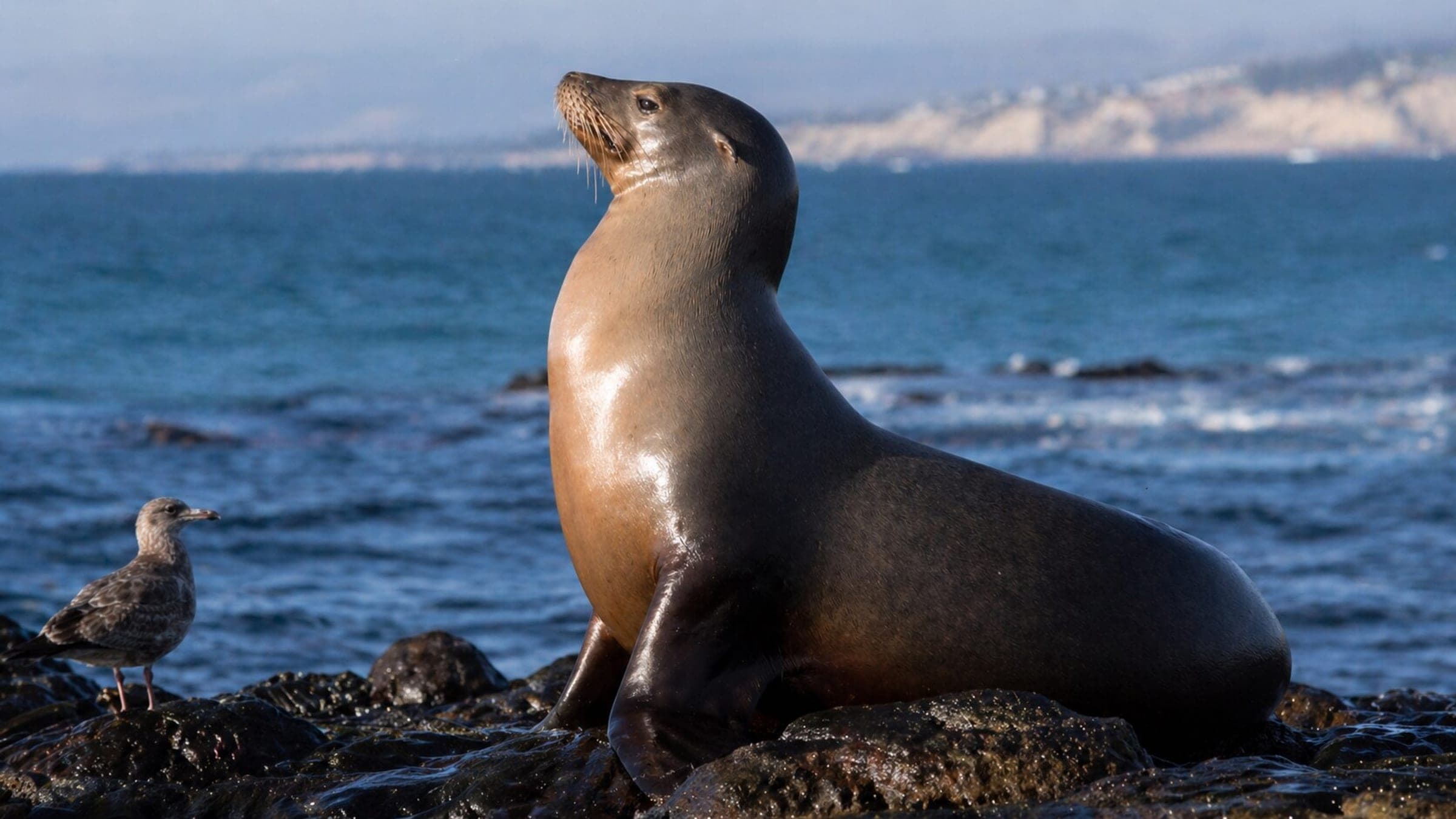
Body and limbs
Streamlined bodies with four limbs modified into flippers; limb use differs by family (otariids use front limbs for propulsion, phocids and walruses use hind limbs).
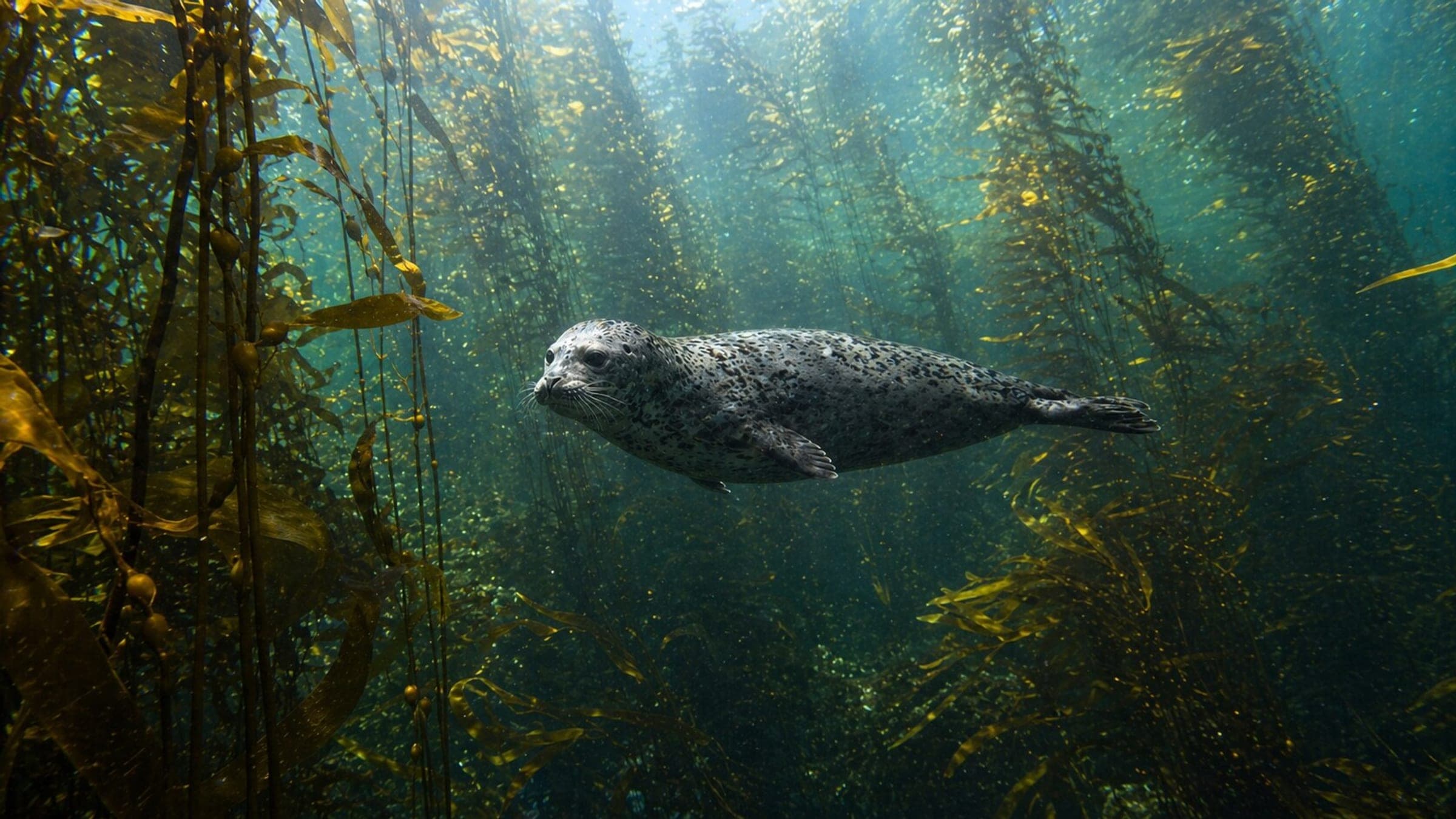
Seals (pinnipeds) are semiaquatic, fin‑footed marine mammals with streamlined bodies and flippers, adapted for swimming, diving and life in cold waters.
Species Guide
A clean field guide focused on habitat, identification, behavior, and conservation context without burying the useful parts.
Pinnipeds, commonly called seals, are a diverse clade of carnivorous, fin-footed, semiaquatic mammals that include the families Odobenidae (walrus), Otariidae (eared seals: sea lions and fur seals) and Phocidae (earless or true seals). There are 34 extant species. They have streamlined bodies, four limbs modified into flippers, a layer of blubber for insulation, and fur (except the walrus). Senses are well developed for both air and water, and whiskers (vibrissae) provide an advanced tactile system. Species vary greatly in size and in diving capability. Otariids primarily propel with their front limbs and can use hind limbs as legs on land; phocids and walruses primarily use their hind limbs for propulsion and are more cumbersome on land. Most species spend most of their lives in water but come ashore to mate, give birth, molt, or avoid predators.
Once heavily hunted for meat, blubber and skins, pinnipeds are now protected by international law; some species remain endangered or have gone extinct, and threats include hunting, accidental trapping, pollution, climate change and human conflict.
Otariids primarily propel through water using their front limbs and can pull hind limbs under the body to move on land; phocids and walruses primarily use hind limbs for swimming and are less agile on land.
The strongest linked planning options currently surface around destinations such as Monterey Bay, Cape Town, Cornwall (Falmouth, the Lizard and Newquay) and countries such as United States of America, Greece, United Kingdom for divers building trips around seals.
Identification
The visual markers divers can use underwater, plus the species most likely to cause confusion.
Last Updated Mar 9, 2026 · 2 sources
Streamlined bodies with four limbs modified into flippers; limb use differs by family (otariids use front limbs for propulsion, phocids and walruses use hind limbs).
Otariids have visible external ears; phocids and walruses lack external ear flaps.
Most species have fur and a layer of blubber under the skin; walruses lack fur.
Well-developed vibrissae provide tactile sensing.
Size varies widely among species, from around 1 m and 45 kg to about 5 m and 3,200 kg.
Sea lions (otariids) have external ears and walk on land using their hind limbs under the body; true seals (phocids) lack external ears and are more cumbersome on land.
Range and Movement
The broad range, seasonal movement, or migratory behavior that shapes where divers encounter this species.
Otariids primarily propel through water using their front limbs and can pull hind limbs under the body to move on land; phocids and walruses primarily use hind limbs for swimming and are less agile on land.
Diet
Useful feeding context that often explains habitat, movement, and encounter style.
Primarily fish and marine invertebrates; some species eat large vertebrates (e.g., leopard seal); walruses specialize on bottom-dwelling mollusks.
Conservation
Status, pressure, and protection context grounded in cited sources rather than filler.
Once heavily hunted for meat, blubber and skins, pinnipeds are now protected by international law; some species remain endangered or have gone extinct, and threats include hunting, accidental trapping, pollution, climate change and human conflict.
Commercial hunting for meat, blubber and skins severely reduced some populations; international protections now exist.
Pinnipeds face risk from accidental trapping and other interactions with fishing gear.
Pollution in marine environments is a noted threat to pinnipeds.
Changing climates affect habitats used for breeding, molting, and foraging.
Conflicts with local people over resources and interactions pose threats to some populations.
Pinnipeds are now protected by international law following historical commercial hunting.
Indigenous Arctic peoples have traditionally used pinniped meat, blubber and skin.
Responsible Encounters
Conservation-minded guidance for divers who want the encounter without adding pressure.
Give seal space, avoid blocking the animal's path, and follow local site and operator rules for wildlife interactions with other mammals.
Field Notes
Useful species context that makes the encounter more meaningful once you are underwater.
Molecular evidence supports pinnipeds as descended from a single common ancestor.
Their closest living relatives are musteloids (weasels, raccoons, skunks and red pandas).
Species range from about 1 m and 45 kg to about 5 m and 3,200 kg.
Pinnipeds produce various vocalizations, including barks, gong-like calls and complex songs in some species.
Top Destinations
Destinations surfaced from the linked dive spots associated with this species.
Top Countries
The strongest country-level starting points currently linked to this species.
Top Dive Spots
Directly linked dive spots where this species already shows up in the planning data.

Boat dive with a wall, pinnacle, and rich fish life.
Closed Similan reef with a shallow sandy slope.
Bird Rock is an offshore wall dive with sharks and seals.
Shore-access wreck-and-reef dive in Kaloi Limenes with clear water and light, if
A calm Caracasbaai shore reef with easy beach access.
Shore cavern dive with cathedral light and antique pottery.
FAQ
Clear planning and conservation answers written for search visibility and AI retrieval.
Research Sources
Primary and credible references behind the field-guide and conservation claims on this page.
Related Species
Related species guides in the same encounter family.
There are 34 extant pinniped species described in the source.