haveinternetwilltravel.com · Independent Guide
Independent dive guide with Mamsa Point depth, current, visibility, and fish notes.
Mamsa Point: east-side Apo drift dive for jacks
Mamsa Point: east-side Apo drift dive for jacks
Boat access and current-sensitive planning make a local briefing the safest way to dive the site.
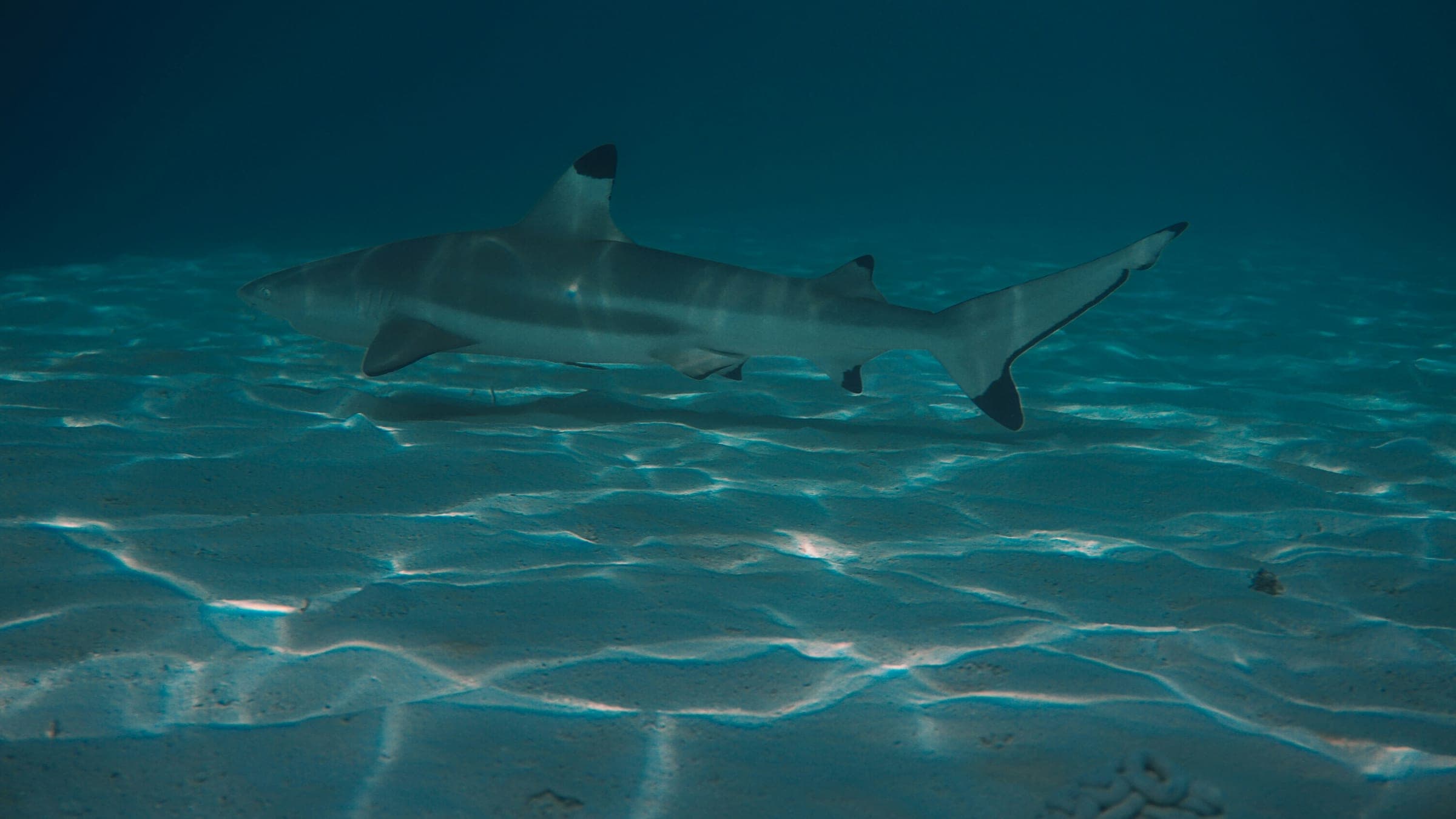
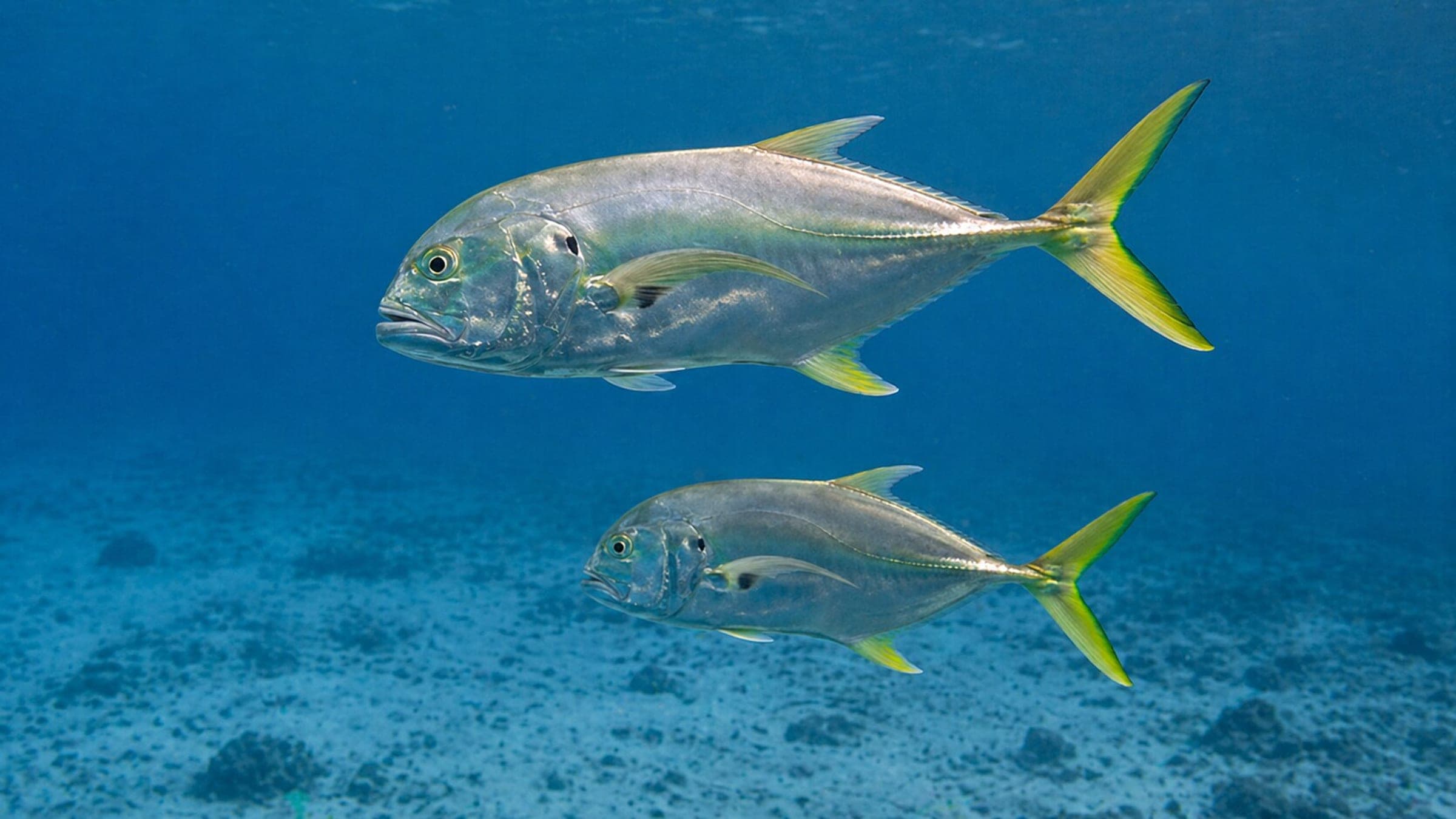
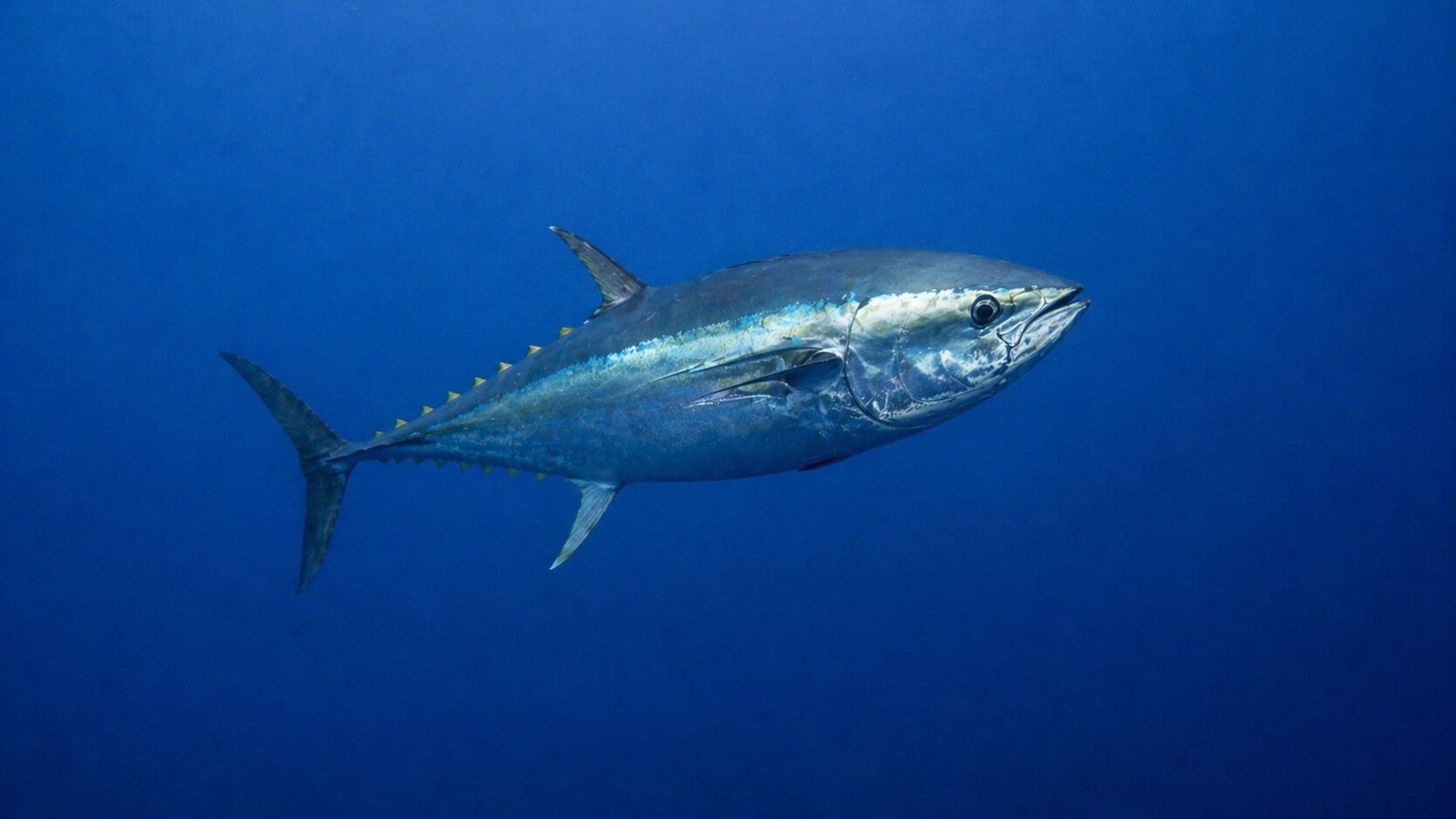
Mamsa Point is the east-side drift dive on Apo Island where a gentle start turns into a wall and the current pushes schools of jackfish through the site. It is a boat-access, condition-sensitive dive for experienced divers who want moving water, good buoyancy practice, and the chance of tuna or other pelagics passing through rather than a relaxed reef cruise.
Site Conditions
Safety Notes
Plan for potentially very strong currents.
Access Restrictions
Best with a local boat operator; if the current or sea state is up, the site may be skipped for safety.
Legal Notes
Apo Island is a protected marine area, so follow local dive rules and do not remove reef material.
Community notes to help plan your visit.
Scuba Diving
Best as a guided drift dive for experienced divers. The reward is moving schools of jackfish and occasional pelagics over a reef that turns into a wall.
Freediving
Not a primary freedive site; the current and depth profile make it a poor fit except for highly experienced teams in ideal conditions.
Snorkeling
Not a standard snorkel stop. The site is better suited to scuba than surface-level viewing because the best action sits in moving water.
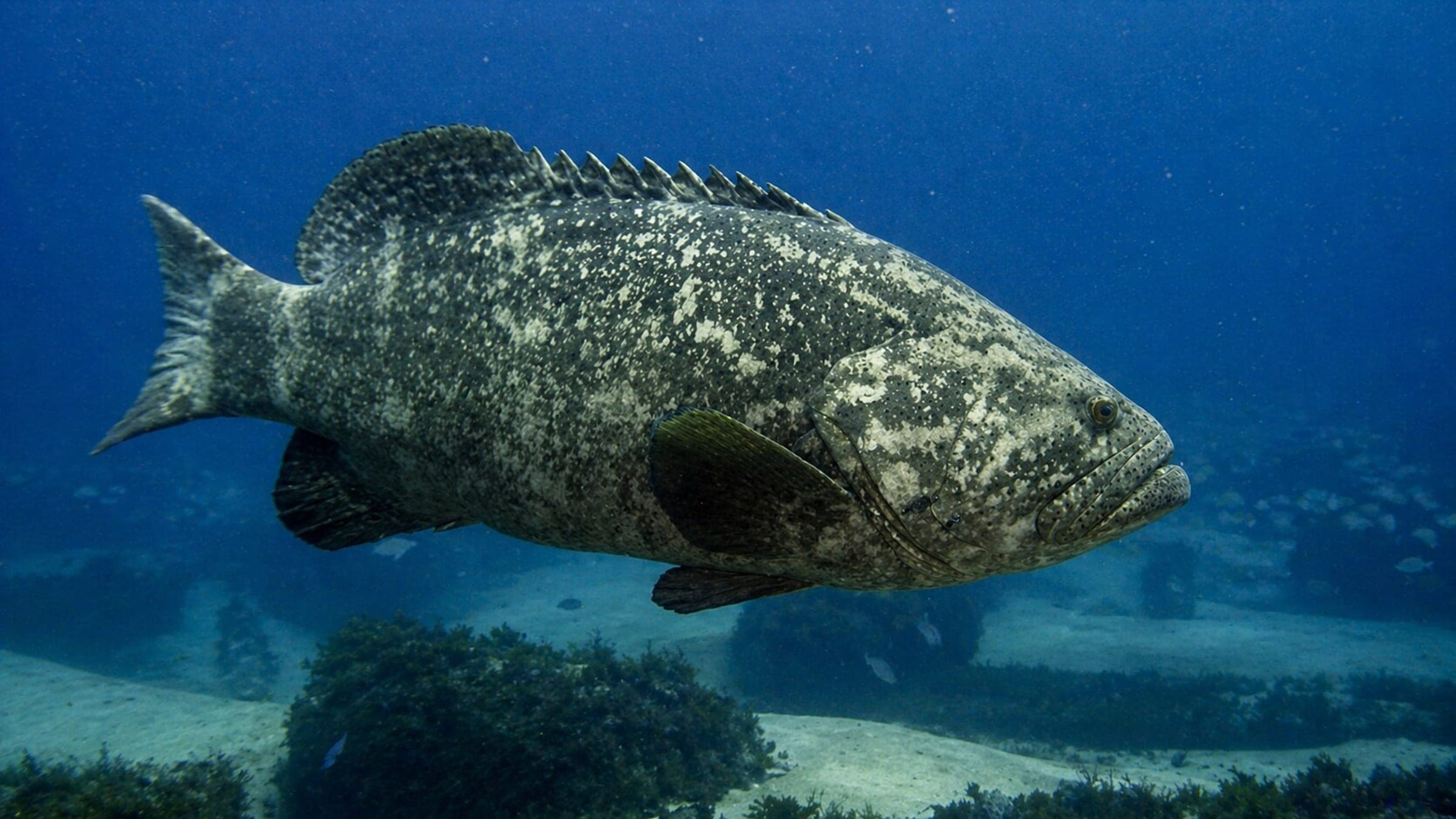
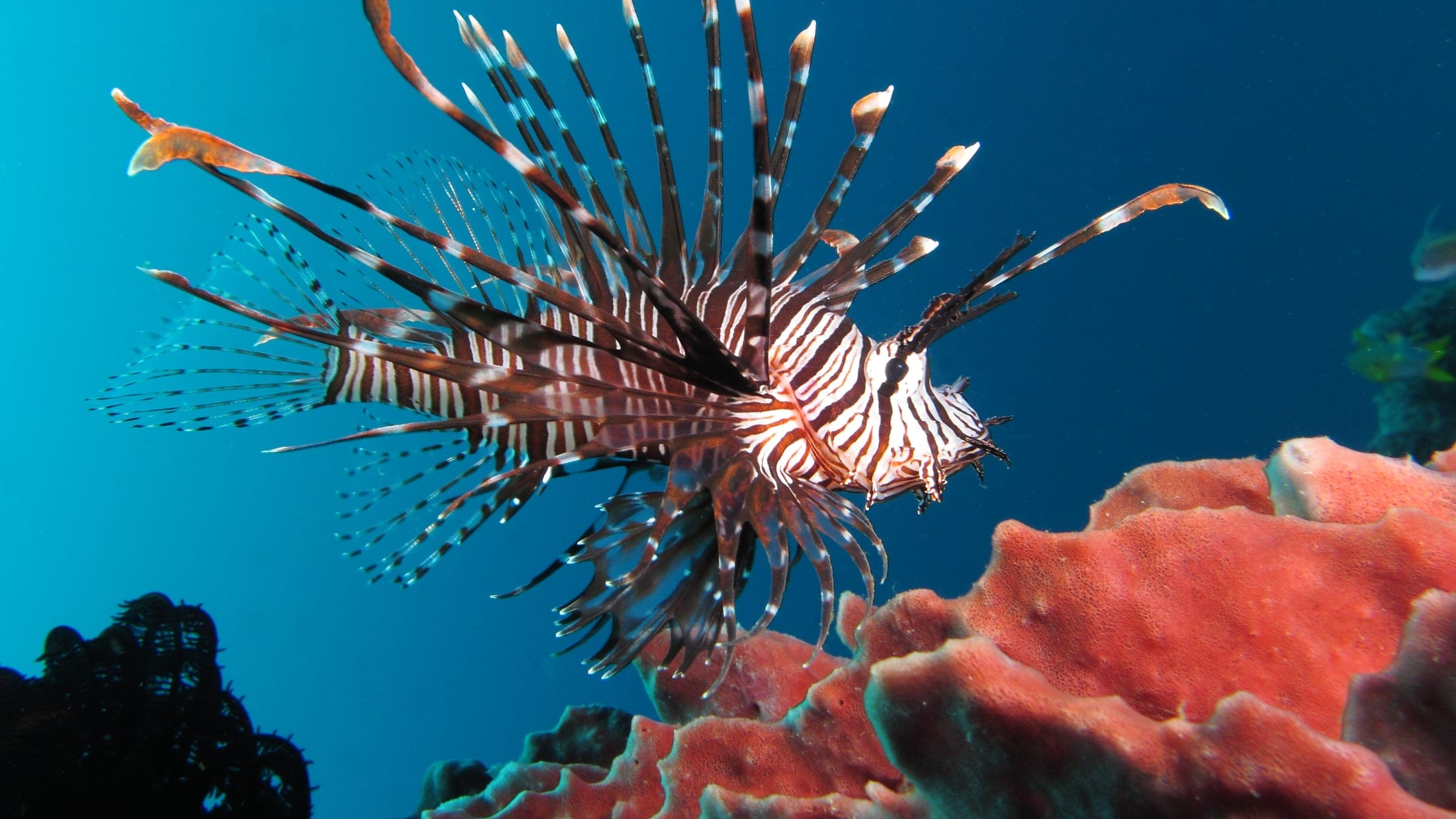
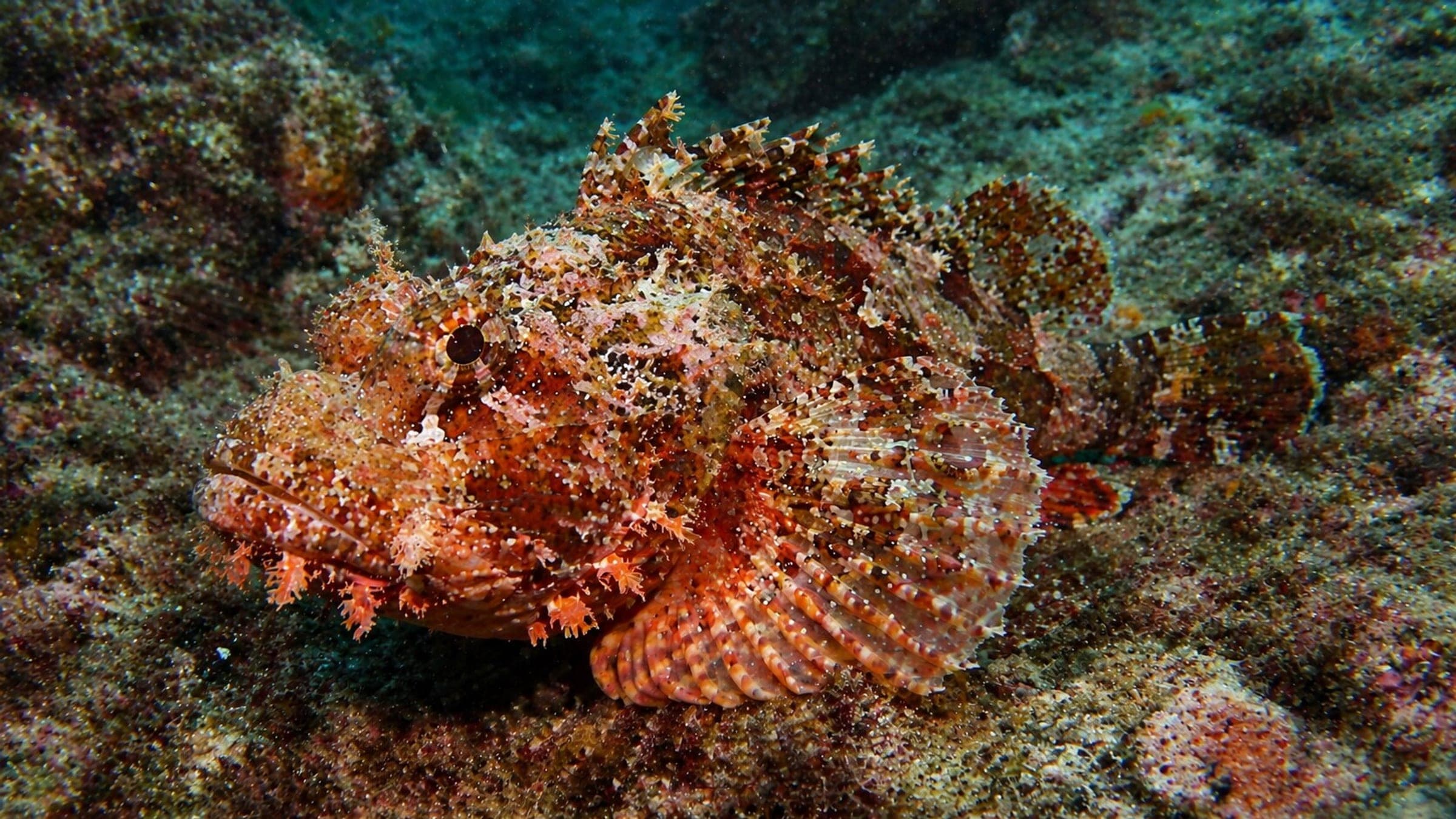
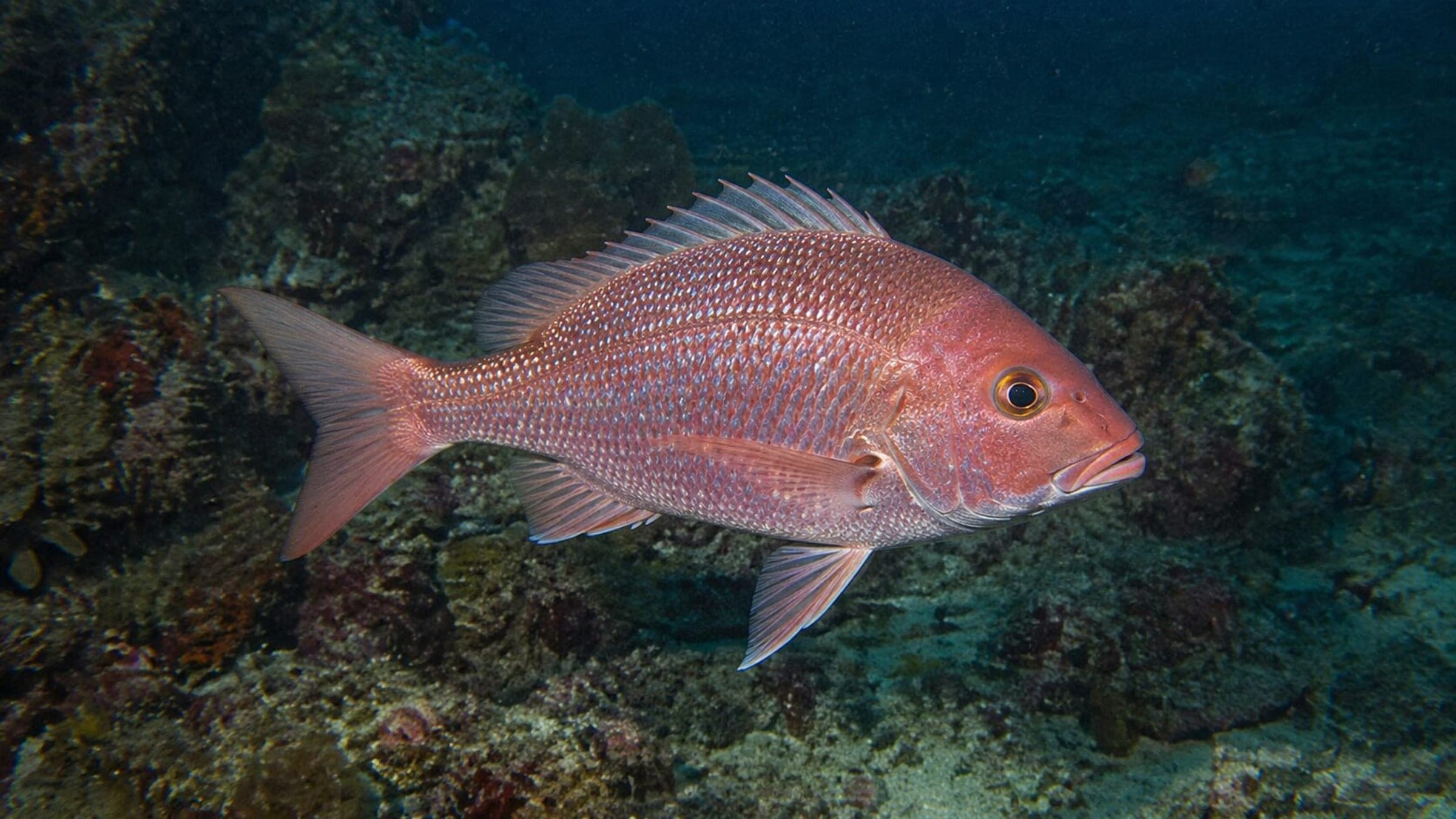
Species commonly reported at this site, with direct links into their wildlife guides.
Research estimate
Research estimate
Research estimate
Research estimate
Research estimate
Last Updated
Research Sources
Independent dive guide with Mamsa Point depth, current, visibility, and fish notes.
Operator page for Apo Island dive sites and site logistics.
Independent guide noting strong currents, jacks, tuna, and experienced-diver suitability.

Boat-accessed Apo Island reef with sand, coral, and wall.
Olo is a northeast Apo Island reef with strong current and macro life.
Kan Oran Reef is a gentle wall reef on Apo Island in the Philippines.