Getting there and around
- Cornwall Airport Newquay · About 15 minutesutes to Newquay, about 1 hour to Falmouth, and about 1 hour 30 minutesutes to Lizard Point by road, traffic dependent

Cold-water wrecks, kelp reefs and Atlantic wildlife across Cornwall's two coasts
Overview
Cornwall is a weather-led, land-based dive trip with unusually varied rewards: shallow Falmouth shore entries, the wreck-rich Manacles off the Lizard, and exposed Atlantic reefs around Newquay. The strongest itinerary uses more than one base or keeps both coasts available, because wind and swell that stop a north-coast plan may leave Falmouth Bay or the east side of the Lizard workable. New divers can train at sheltered sites such as Porthkerris, Porthoustock, Gylly Beach, and Swanpool Beach. Experienced divers can target the Manacles and the Mohegan on a precisely timed local boat. Above water, Falmouth's maritime heritage, the Lizard's coast path, and Newquay's surf culture make cancellations easier to absorb. Expect temperate water, variable visibility, tide-sensitive entries, and some of Britain's most characterful reef and wreck diving.
Quick shortlist before you jump into the full planning page.
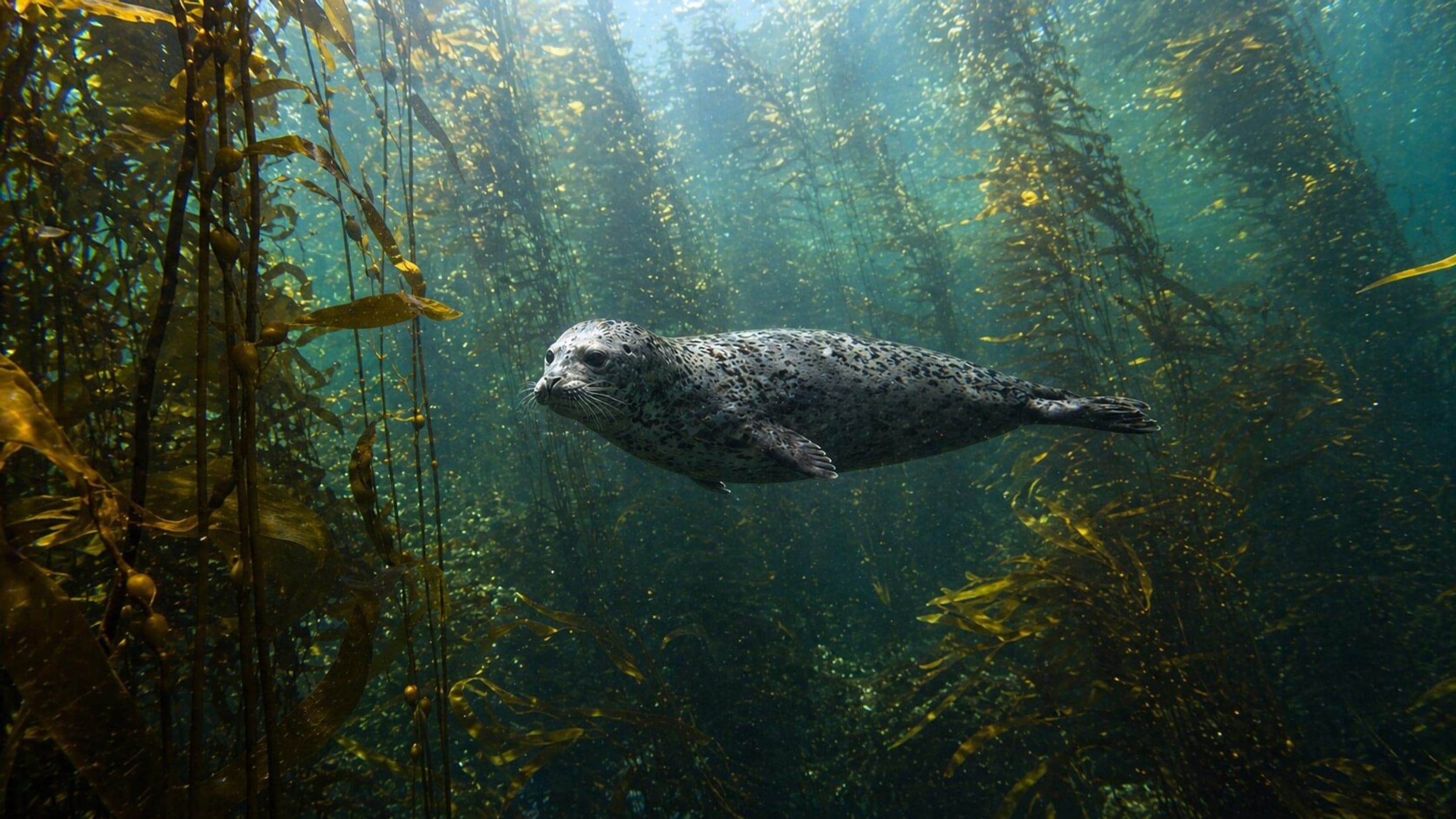
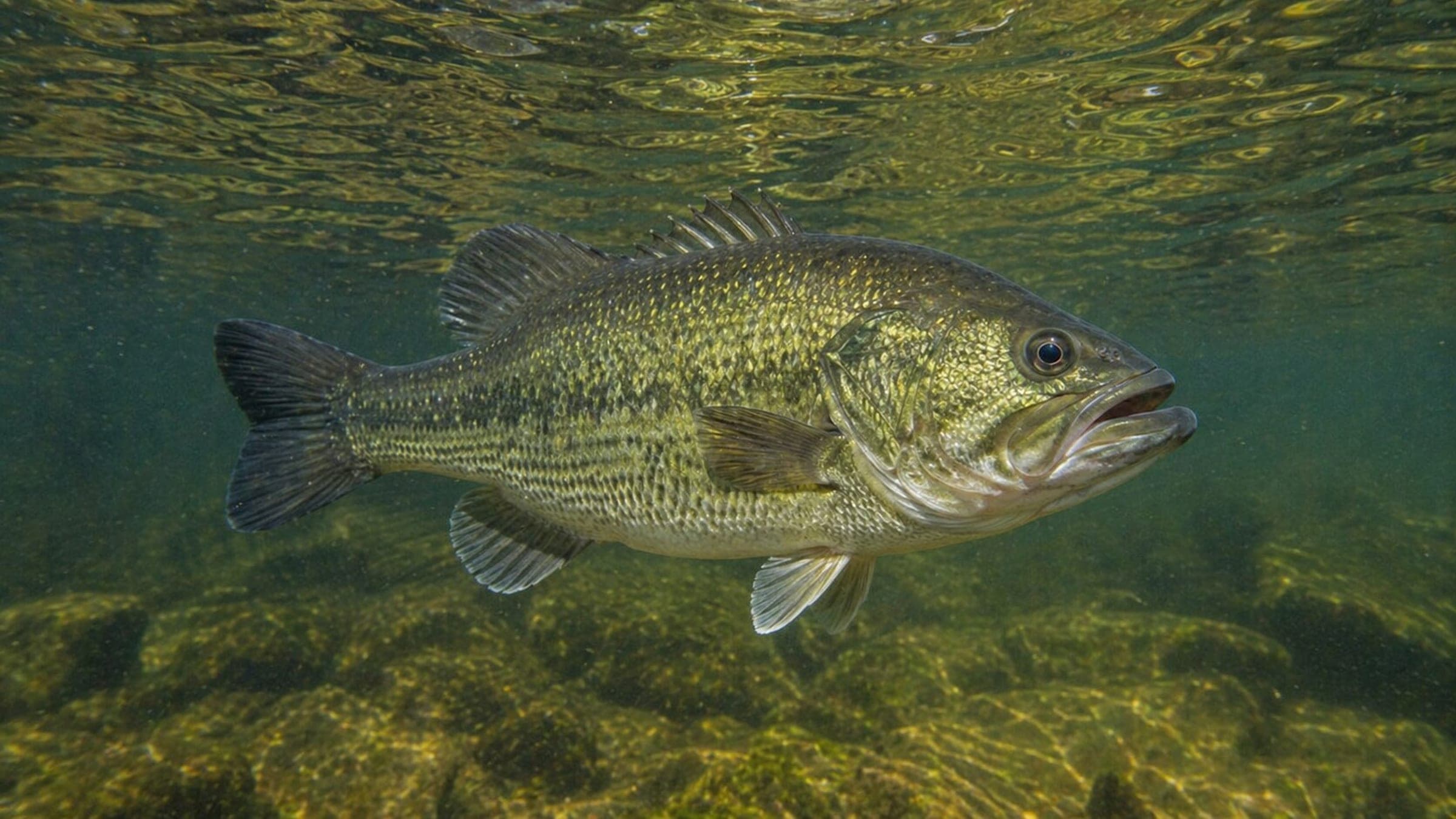
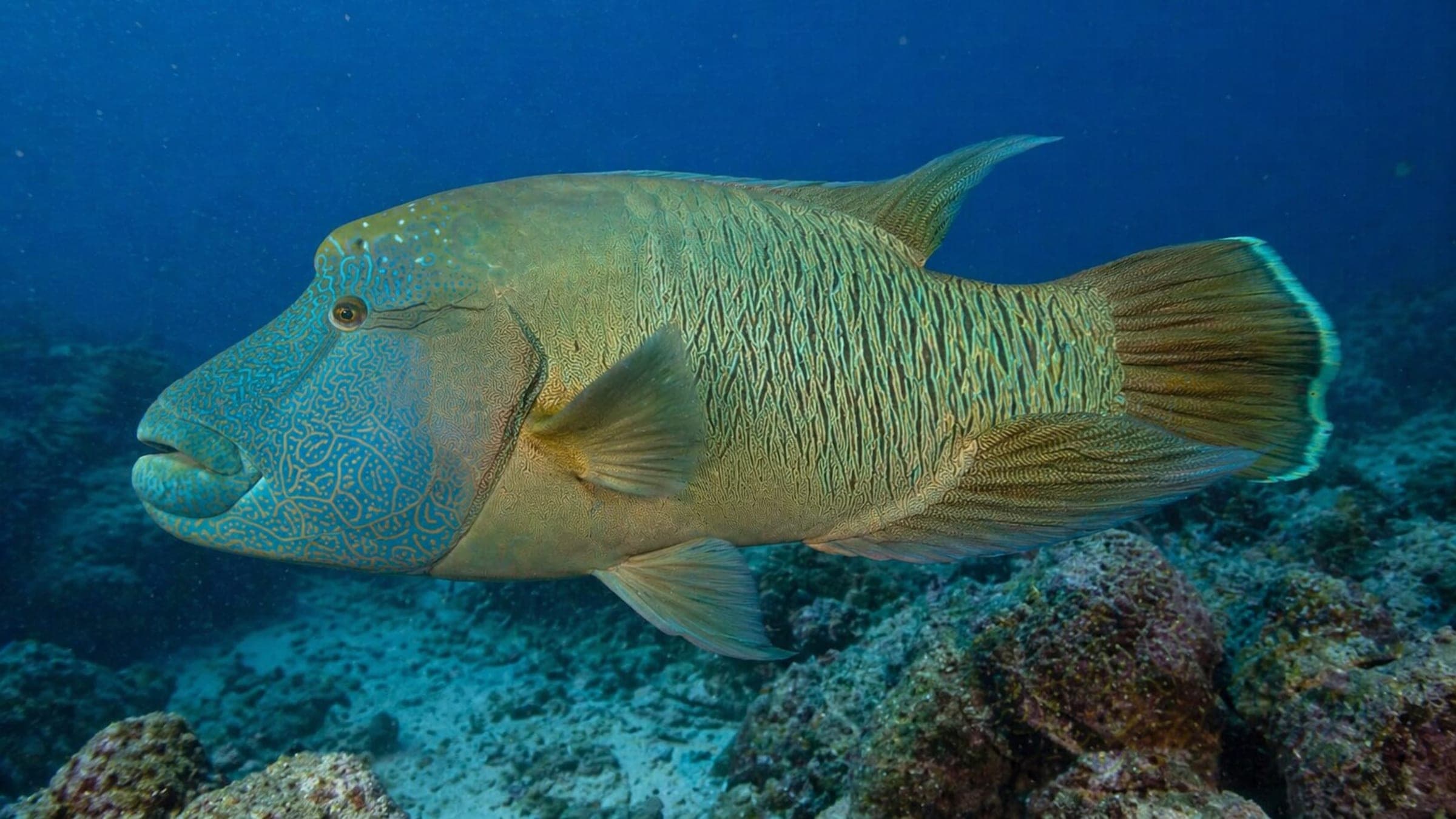
Top species linked to approved dive spots in Cornwall (Falmouth, the Lizard and Newquay).
Share what the whole destination was like. Once enough independent reviews are approved, DiveJourney publishes anonymous patterns, not reviewer profiles.
Falmouth Bay and the east side of the Lizard are generally more sheltered than Atlantic-facing Newquay, giving a mobile group a realistic chance of finding an alternative when one coast is blown out.
The Manacles combines granite pinnacles, steep life-covered rock, and historic losses, while Falmouth adds shallow wreckage and offshore steamship sites across a broad skill range.
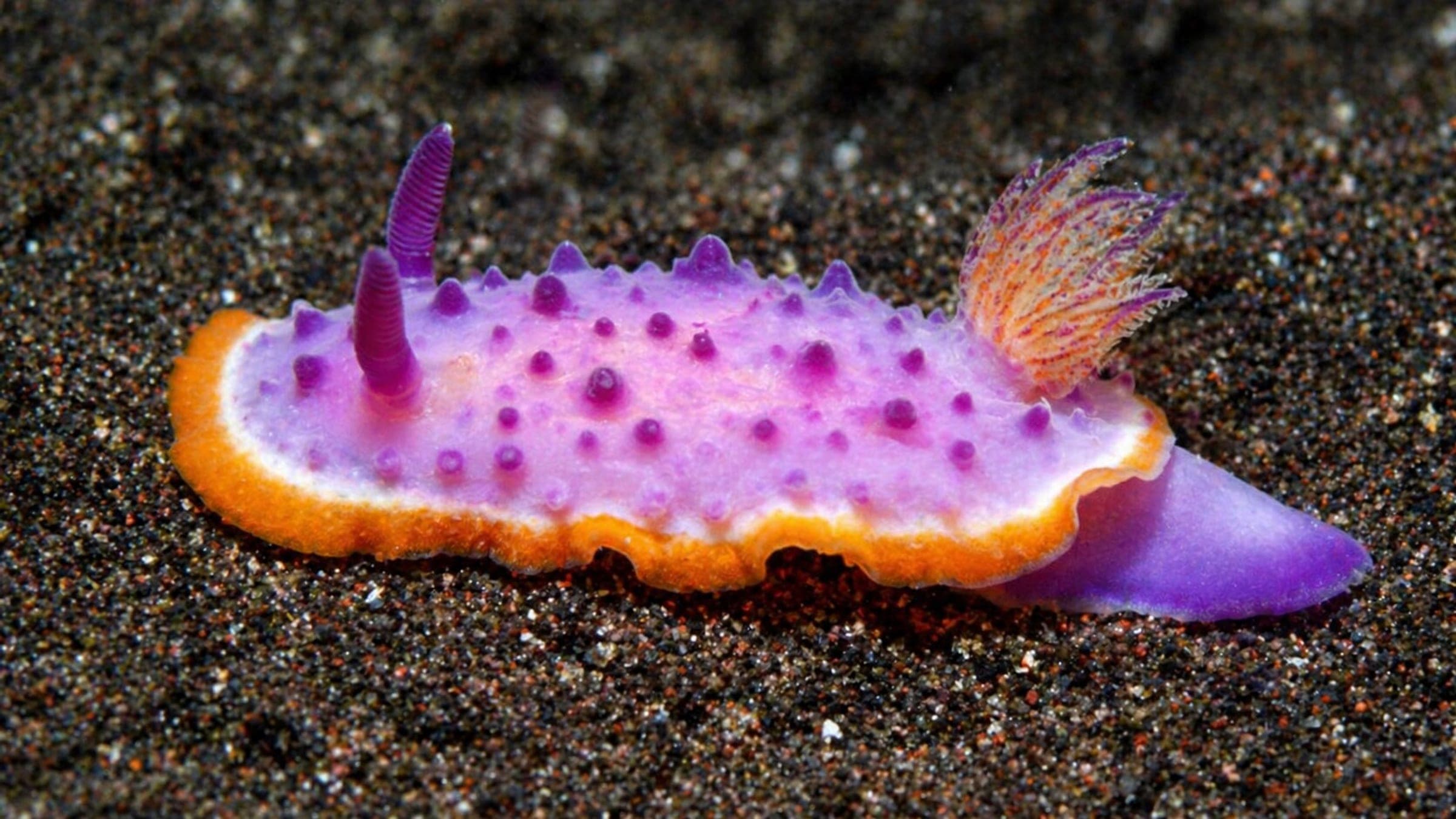
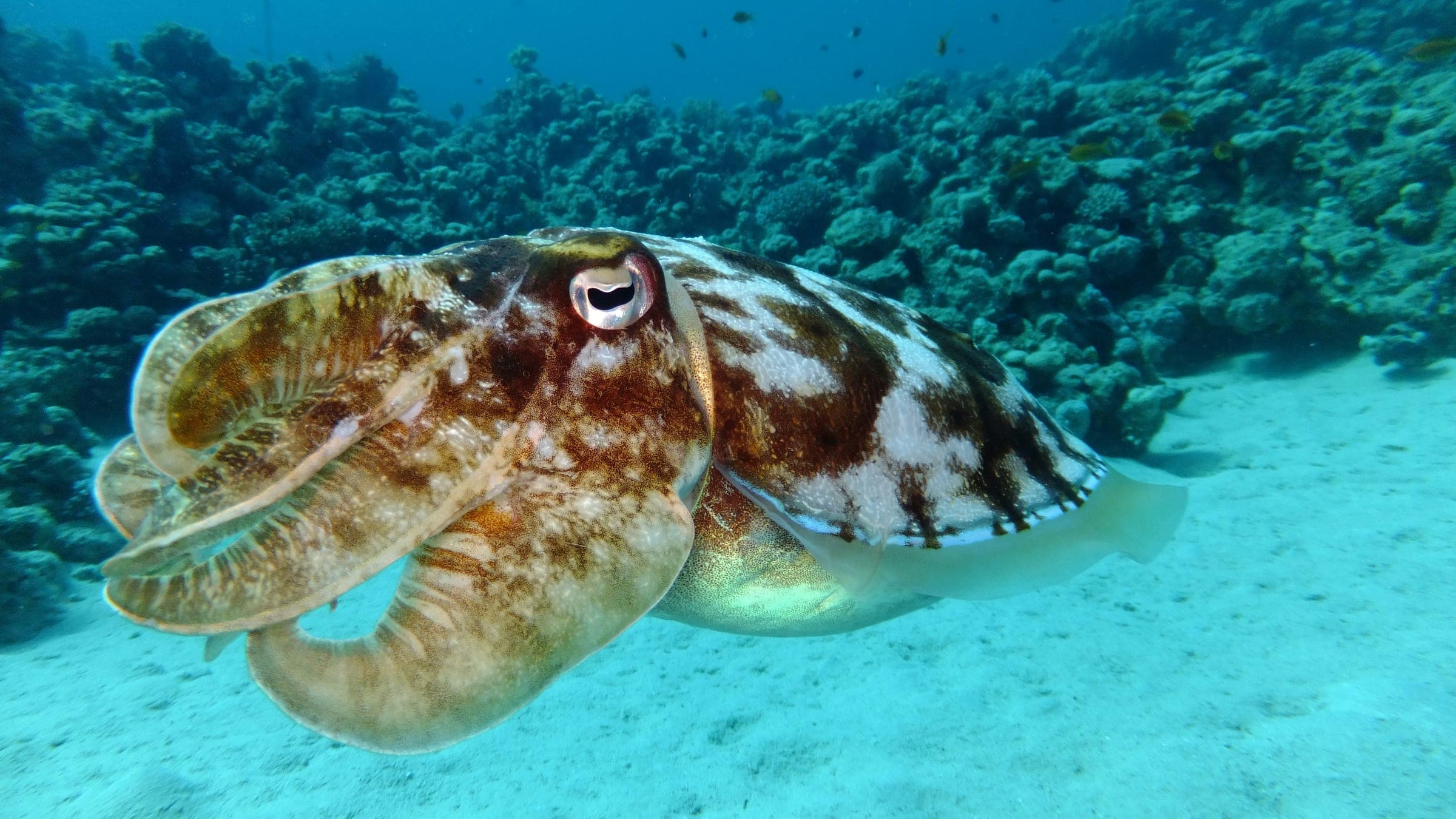
Kelp, jewel anemones, pink sea fans, dead man's fingers, sponges, wrasse, pollack, crawfish, cuttlefish, and macro life reward slow observation and careful buoyancy.
Scuba, coached freediving, sheltered snorkeling, surf, kayaking, and seasonal pelagic encounters can share one itinerary without relying on a liveaboard.
Best time to go
May to September
Longer daylight, broad operator availability, and water warming toward about 16°C by July to September. Summer remains weatherdependent.
Main caution: Specialist coldwater period. Water can approach 7°C in late winter, while storms, swell, short daylight, and reduced schedules constrain plans.
13 linked spots