Hero photo of Marlborough Sounds Picton And Lermontov Wreck New Zealand
Destination Guide

Marlborough Sounds Picton And Lermontov Wreck New Zealand

Temperate reef life, sheltered inlets, and New Zealand's most famous wreck dive

Updated Feb 13, 202621 sources

View On Map

Overview

Temperate reef life, sheltered inlets, and New Zealand's most famous wreck dive

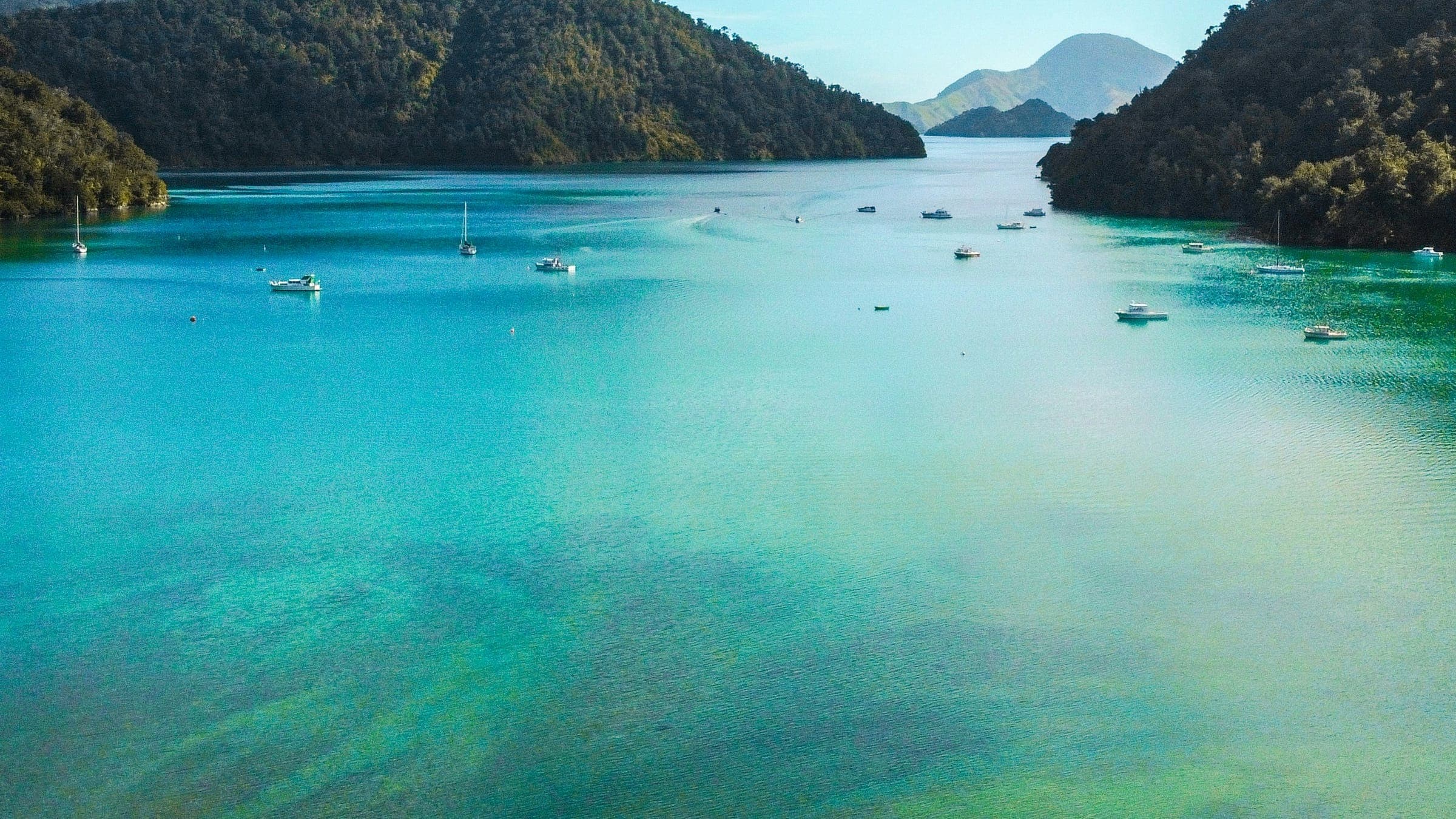
At the northeastern tip of New Zealand's South Island, the Marlborough Sounds are a labyrinth of sheltered inlets where forested hills drop straight into cold temperate water. Picton and nearby Waikawa Marina make an easy base for boat dives on kelp-draped reefs, training-friendly bays, and the headline wreck: the MV Mikhail Lermontov in Port Gore. Add in the Long Island-Kokomohua Marine Reserve, where no-take rules have produced bold blue cod and healthy reef communities, and you get a destination that feels remote while staying logistically simple.

Between dives, the Queen Charlotte Track, sea kayaking, and Marlborough wine country (Blenheim and Renwick) keep non-divers happy. Expect water temperatures around 13°C to 18°C and plan for weather windows, especially if you are heading toward the outer Sounds and Cook Strait.
What Makes It Special

  • Bucket-list wreck diving

    Port Gore's MV Mikhail Lermontov delivers big-wreck scale with recreational depth touring and optional advanced penetration.

  • Marine reserve ecology close to town

    The Long Island-Kokomohua Marine Reserve is a strict no-take zone that protects all marine life inside its boundaries.

  • Sheltered-water logistics

    Dozens of coves and points let operators pick sites that suit conditions, training needs, and mixed-experience groups.

  • Mixed group friendly

    Non-divers have a full itinerary: Queen Charlotte Track day-walks, sea kayaking, cruises, museums, and Blenheim wine country.

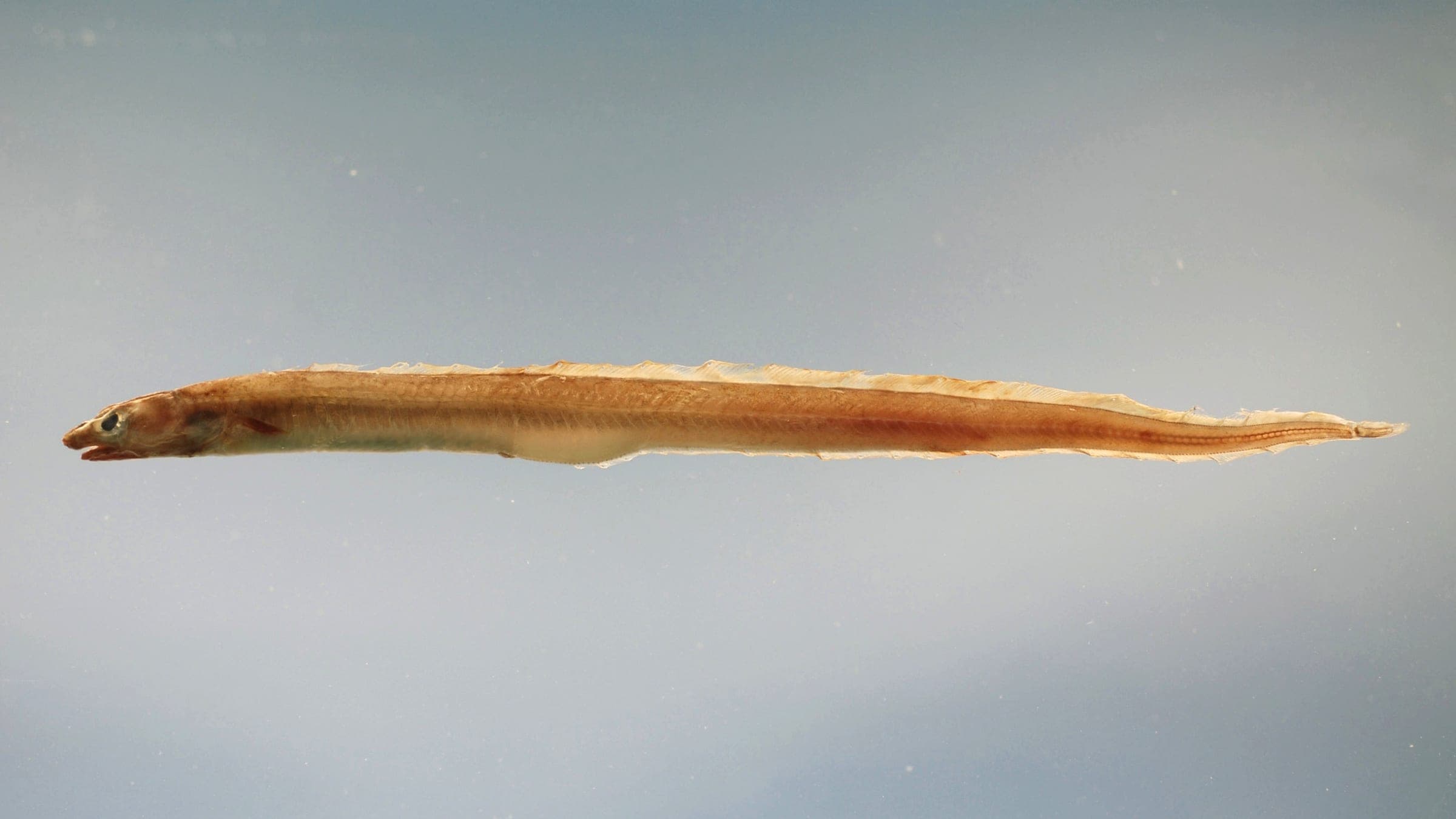
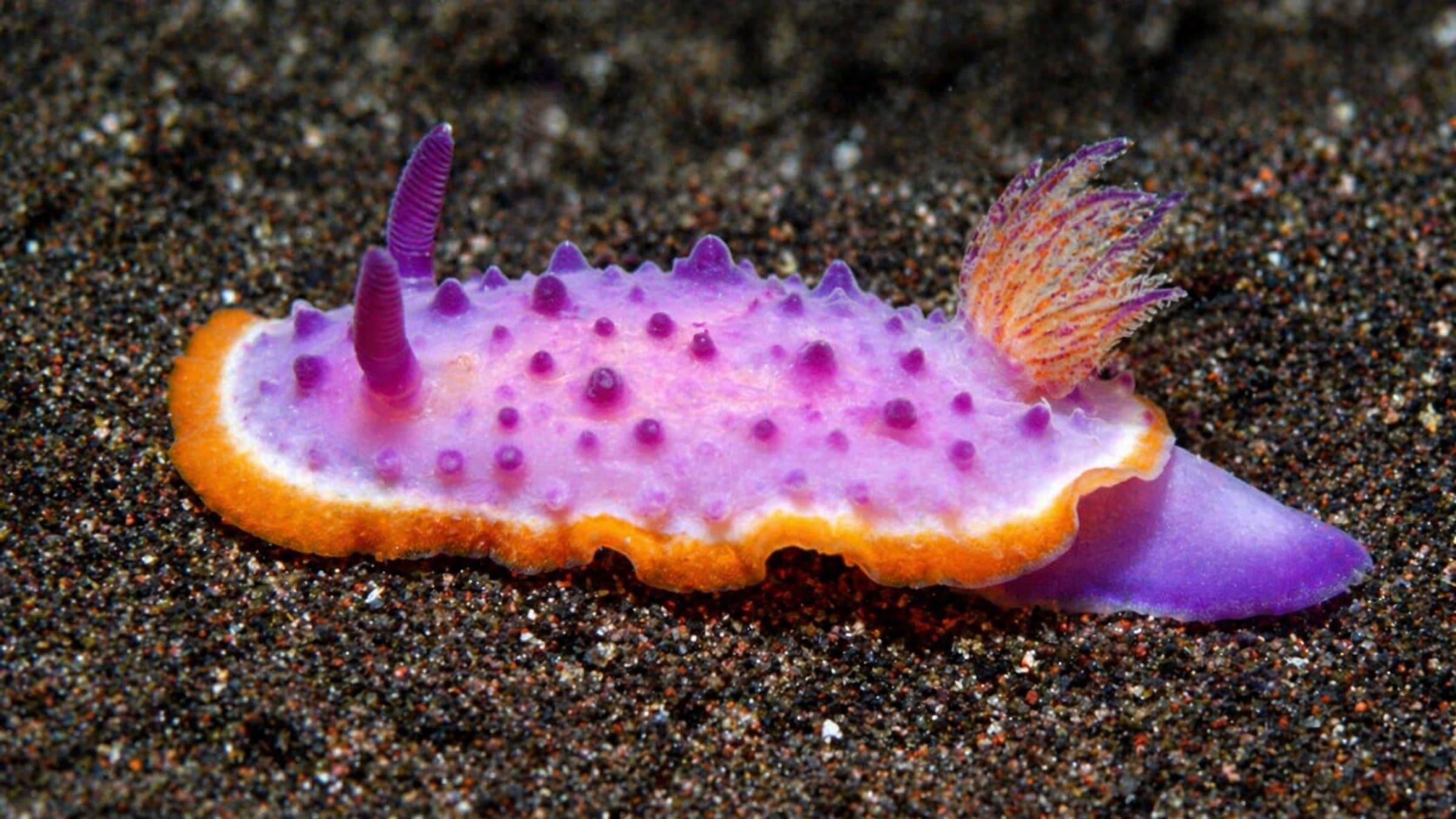
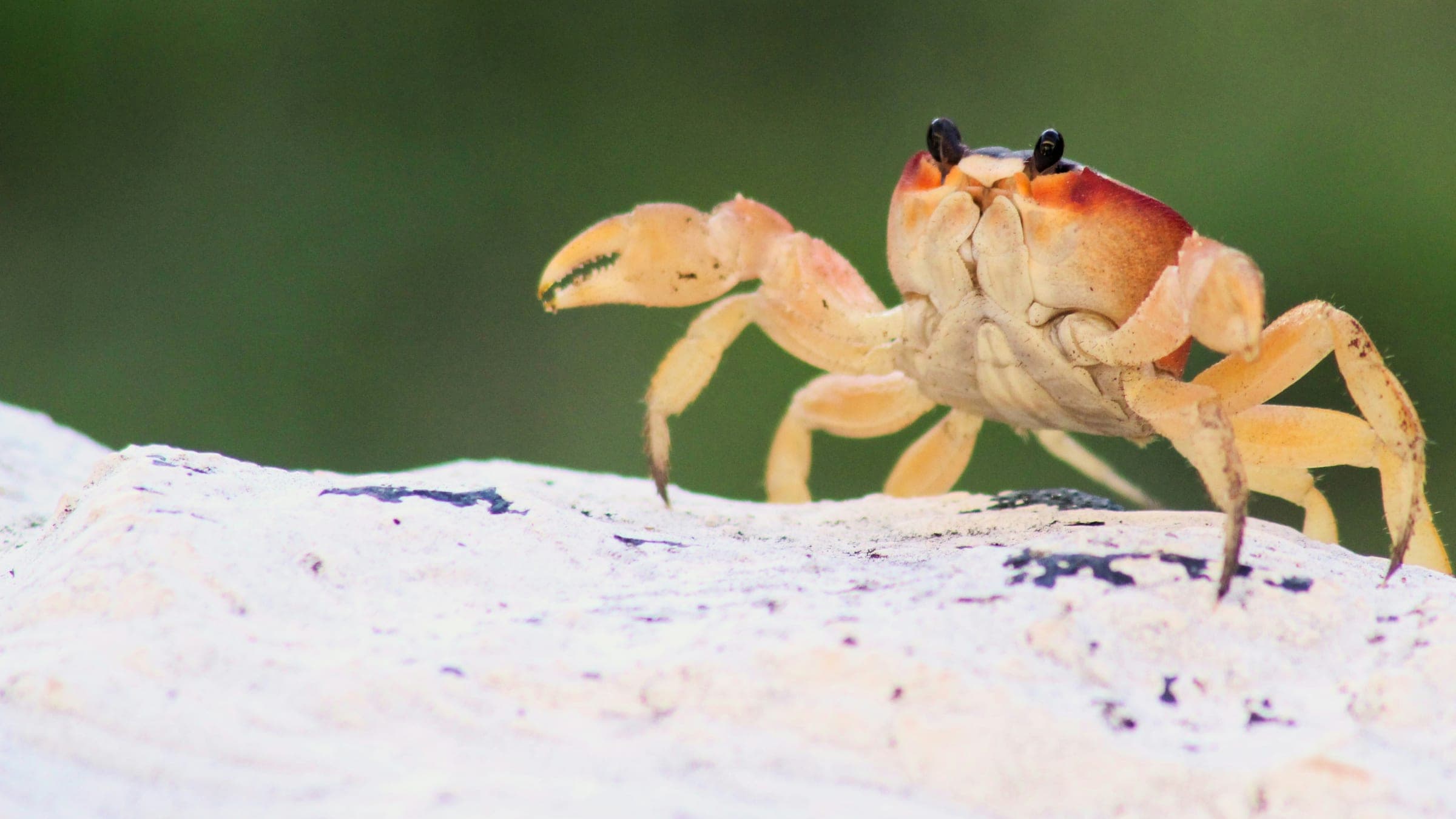
Wildlife In Marlborough Sounds Picton And Lermontov Wreck New Zealand

Top species linked to approved dive spots in Marlborough Sounds Picton And Lermontov Wreck New Zealand.

Signature Spots Preview

Quick shortlist before you jump into the full planning page.

See Full Plan
Double Cove Marine Reserve dive spot

Double Cove Marine Reserve

Reef

Sheltered beginner-friendly sound dive with tame fish and easy access.

Visibility6 m
AccessSimple entry
Marine LifeAverage variety
FacilitiesLimited facilities
CrowdFew visitors
MV Mikhail Lermontov, wreck dive spot

MV Mikhail Lermontov, wreck

Artificial ReefWreck

Large Port Gore cruise-ship wreck for experienced divers.

Visibility7 m
AccessChallenging entry effort
Marine LifeAverage variety
FacilitiesLimited facilities
CurrentLight current
Wiakawa Swim Spot dive spot

Wiakawa Swim Spot

Swim Spot

Sheltered Waikawa Bay swim and snorkel fallback spot.

🏖️
AccessEasy entry
Marine LifeSome life
FacilitiesBasic facilities
CurrentNo current
SurgeFlat calm
Blue Cod Point dive spot

Blue Cod Point

ReefWall

Sheltered shallow cove for easy macro-focused diving.

Visibility8 m
AccessSimple entry
Marine LifeSome life
CurrentNo current
SurgeFlat calm
Allports Island dive spot

Allports Island

Deep

Boat-access deep wall and training site near Picton.

AccessChallenging entry effort
Marine LifeAverage variety
FacilitiesLimited facilities
Lochmara dive spot

Lochmara

Kelp ForestReef

Sheltered observatory and kelp-reef dive in Queen Charlotte Sound.

AccessChallenging entry effort
Marine LifeGreat variety
FacilitiesGood facilities

Seasonality Preview

  • Best overall window: December to March
  • Track monthly activity windows in a full 12-month planner view.
See Full Season Planner

Logistics Preview

  • Marlborough Airport (Blenheim / Woodbourne) · 30 km drive
  • Nelson Airport · 110 km drive
Open Logistics

Safety Preview

  • Cold-water exposure and afterdrop
  • Tide-driven currents and unmarked reefs
Open Safety Guide

FAQ Preview

  • When is the best time to visit the Marlborough Sounds for scuba diving?
  • How do I get from Wellington to Picton for the Marlborough Sounds?
Open FAQs

About these guides

DiveJourney destination guides are living documents built from local knowledge, operator experience, and publicly available sources. Conditions, regulations, and logistics can change. Each guide shows its last update date and sources used.

Last updated: February 13, 2026 21 sources

If you see something inaccurate or outdated, you can submit an update. This is how the platform improves.