airliebeachdiving.com · Operator
Operator site describing bommies, schooling fish life, and the deeper outer profile.
Hook Island bay with bommies, snorkelling, and George the wrasse.
Hook Island bay with bommies, snorkelling, and George the wrasse.
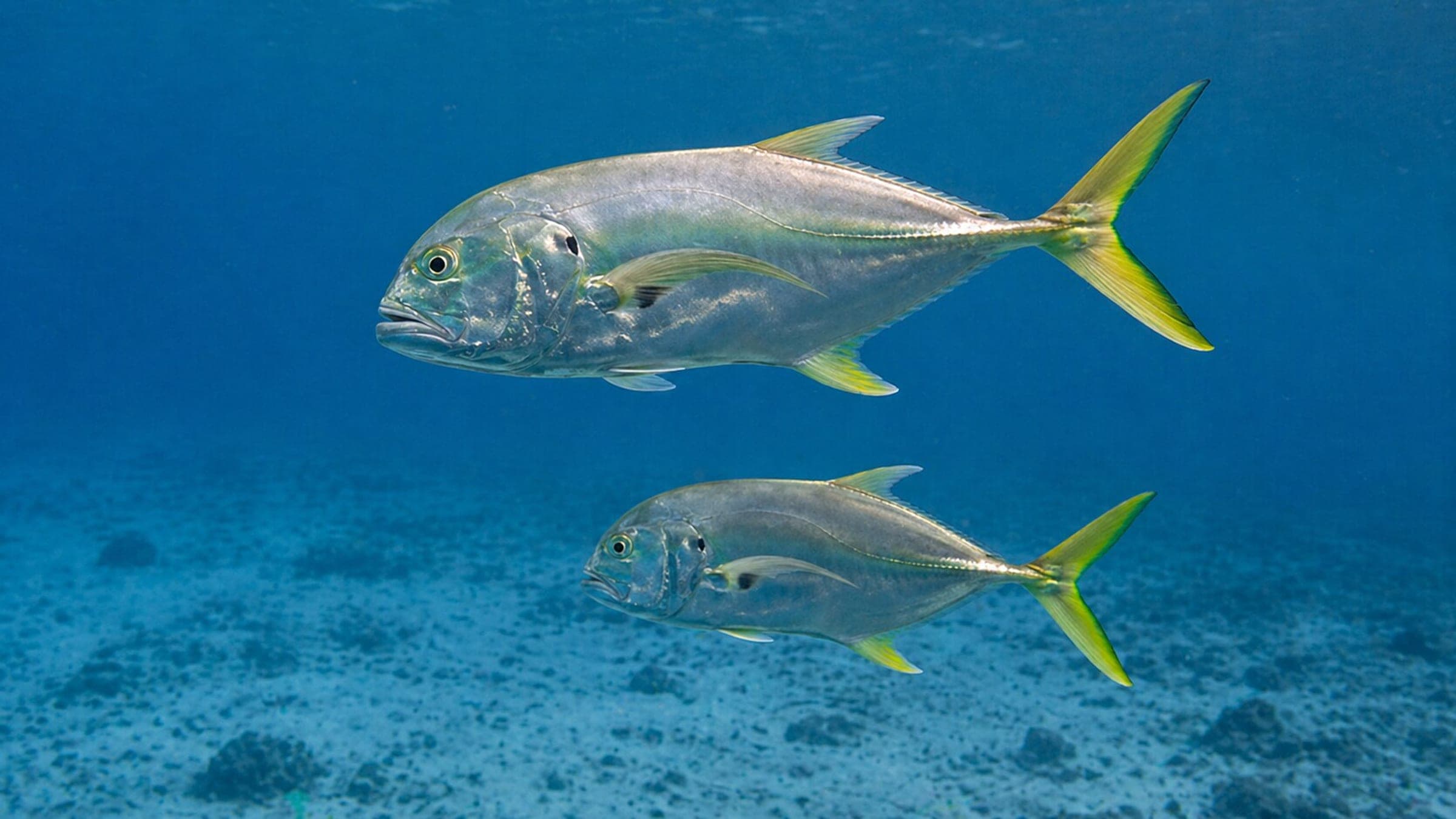
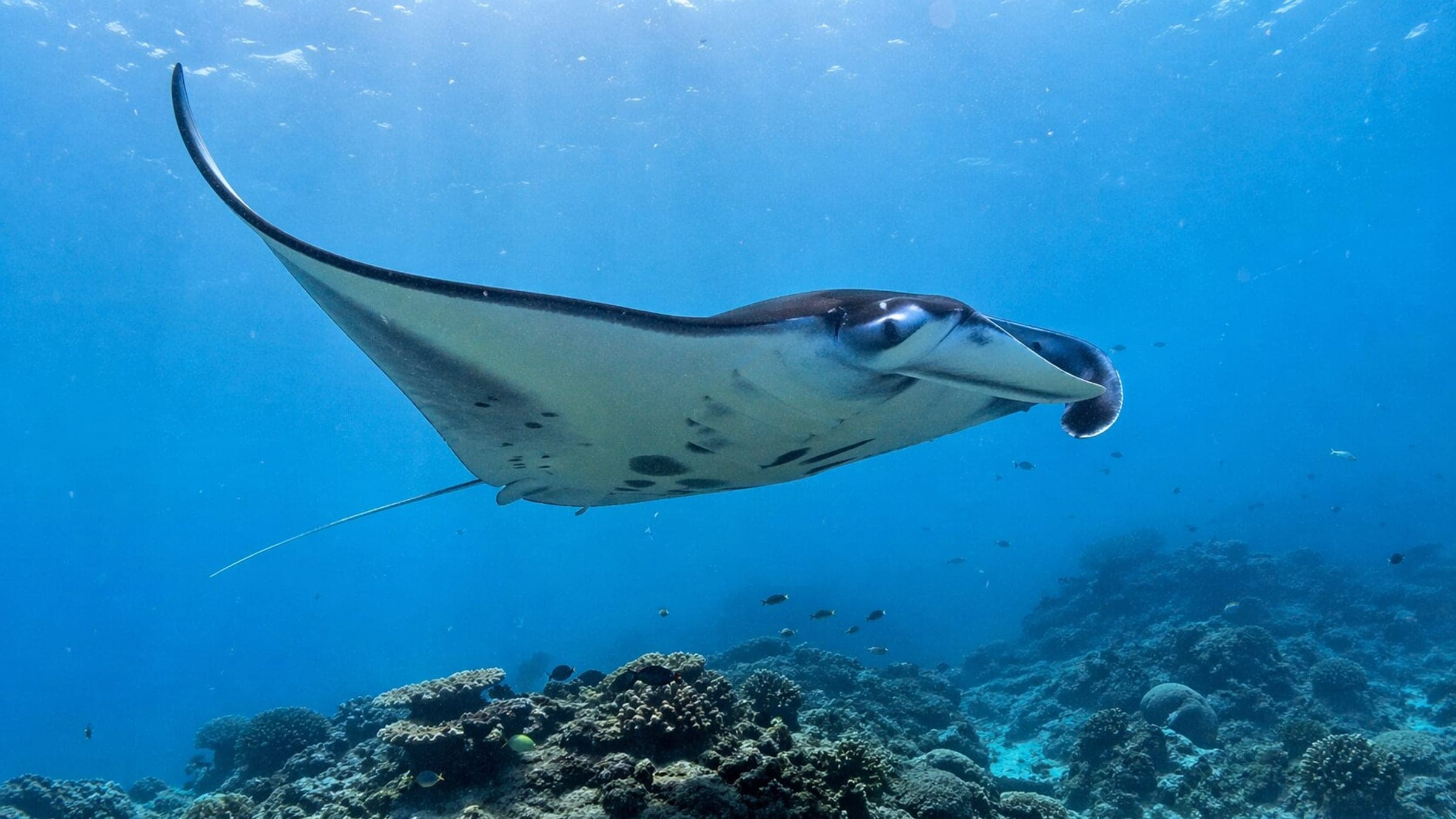
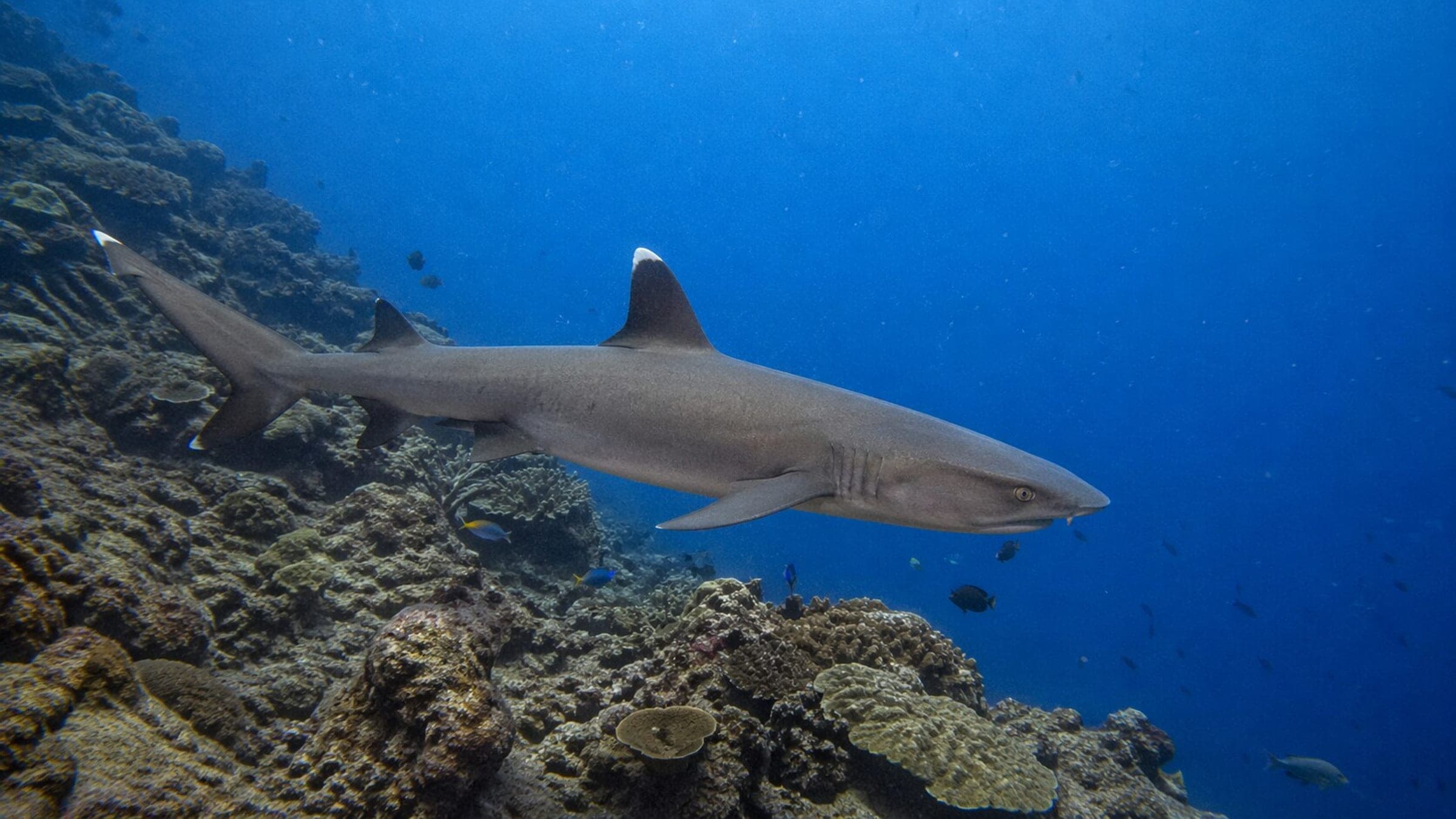
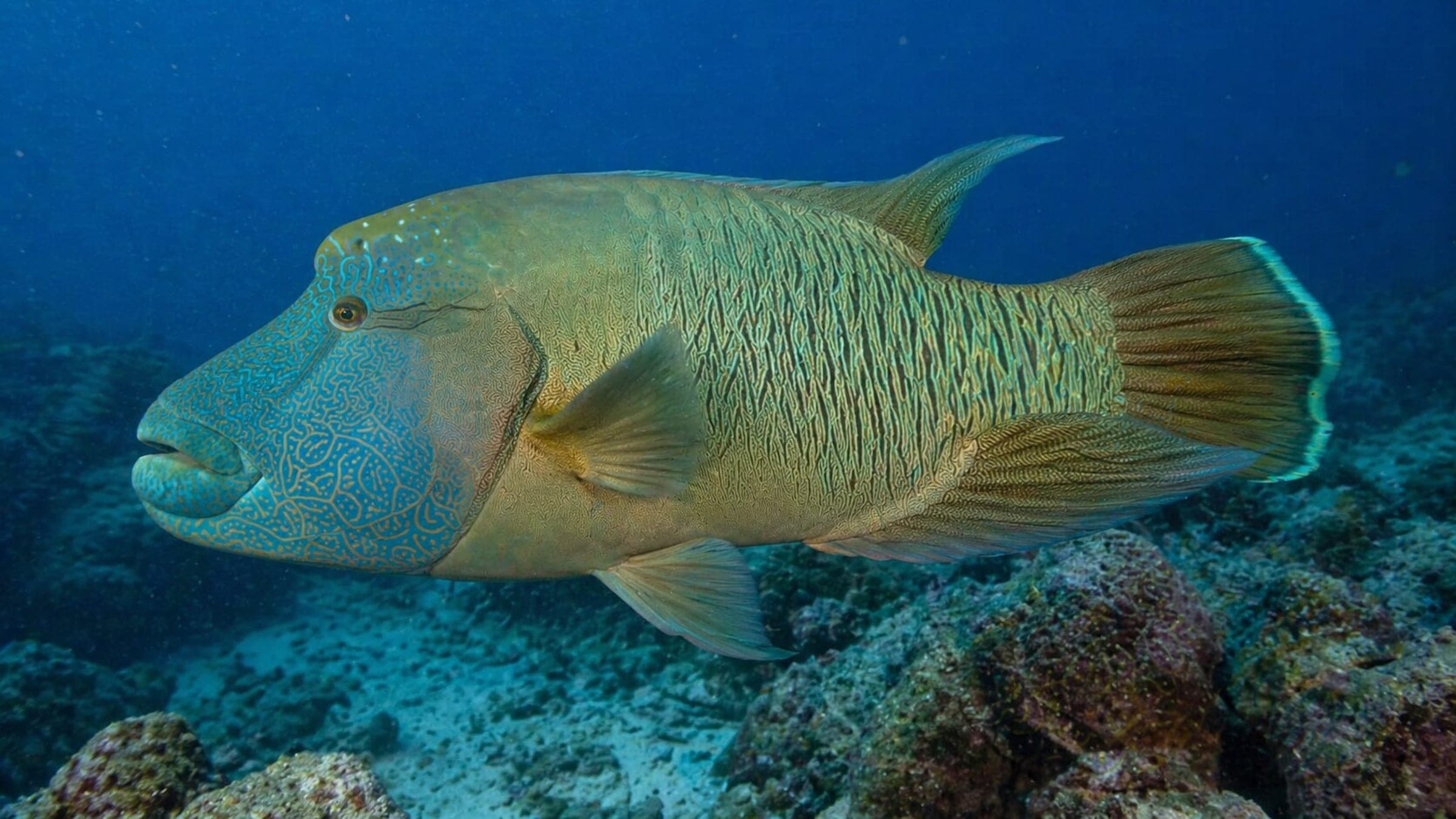
Manta Ray Bay is a boat-accessed Hook Island stop where coral bommies fill a small bay before the site falls away along the outer edge. It is known for George the Maori wrasse, schooling reef fish and jacks, and seasonal manta ray visits, while the best dives and snorkels are usually chosen around settled weather, tide, and current.
Conservative baseline from public research. No community dives logged yet.
Depth range, seasonality, and planning context.
Reported Depth
14m - 30m
Depth Note
Shallow bommies in the bay; outskirts are around 14–16 m with a steep slope dropping to about 30 m.
Best Season
Visited year-round in settled weather, with manta ray encounters most often noted from May to September.
Typical Conditions
Usually dived or snorkelled around coral bommies inside a small bay, with stronger movement and deeper water toward the outer headland.
Site conditions, restrictions, and access requirements.
Site Conditions
Safety Notes
Deeper profiles down the steep slope increase risk and may involve encounters with reef sharks.
Access Restrictions
Boat access only. Use a public mooring or join a licensed operator; Manta Ray Bay is managed as a no-anchoring site.
Legal Notes
Manta Ray Bay sits inside Great Barrier Reef Marine Park zoning. Fishing and collecting are not allowed in the Green Zone, and public moorings are first in, first served.
Community notes to help plan your visit.
Scuba Diving
Suitable for shallow reef dives, with options to dive the outskirts at about 14–16 m or descend a steep slope to roughly 30 m.
Snorkeling
Commonly used as a guided snorkel stop on Whitsunday day trips, especially when calmer weather keeps the bay comfortable for surface time around the bommies.
Species commonly reported at this site, with direct links into their wildlife guides.
Community dive logs and visit reports for this site.
Average conditions based on logged dives & visits.
Planning answers for access, conditions, timing, and site logistics.
Last Updated
Research Sources
Operator site describing bommies, schooling fish life, and the deeper outer profile.
Public moorings guide for Whitsunday sites including Manta Ray Bay moorings and first-come access rules.
Operator guidance on weather, tide, current, and northerly swell sensitivity at the site.
Destination guide covering site popularity, resident Maori wrasse, and seasonal manta timing.
Know this site? Improve Spot Details.
Sheltered Hook Island bay with bommies, gullies, and wall edges.
Sheltered Butterfly Bay reef pocket for easy boat dives and snorkels.
Boat-access fringing reef with coral gardens off Hook Island.
Boat-access tidal reef wall with coral and schooling life.
Sheltered Hayman Island reef with bommies and easy snorkelling.
Pontoon-based Hardy Reef hub for easy GBR access