Seasonality Preview
- Best overall window: March - October
- Track monthly activity windows in a full 12-month planner view.

Two islands, warm reefs, and easy boat diving in Malaysia's Marine Park waters
Updated Feb 13, 2026 • 14 sources
Overview
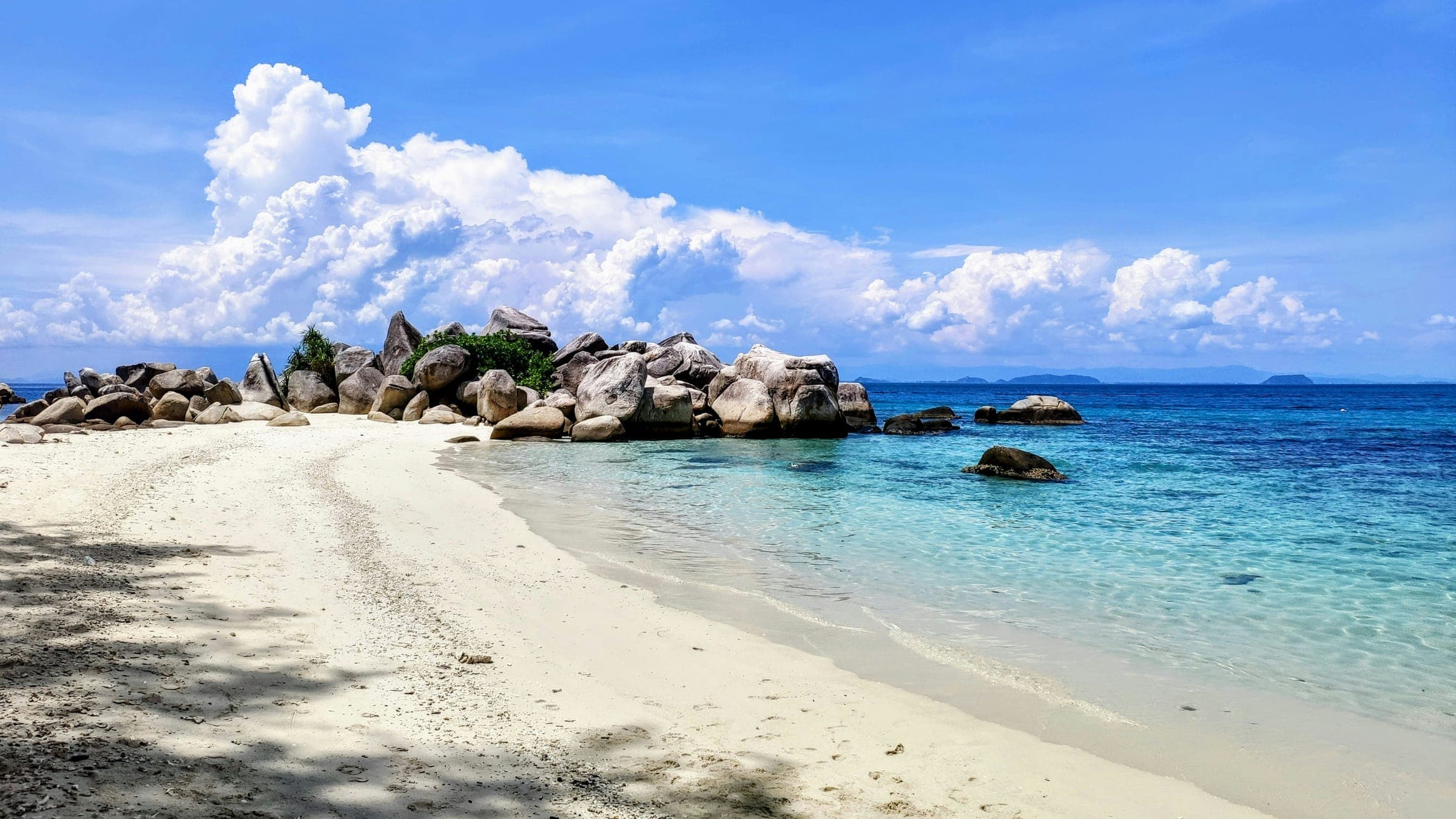
Perhentian Islands (Perhentian Kecil and Perhentian Besar) are Malaysia's barefoot reef escape on the South China Sea. In the main season (roughly March to October), warm water around 28°C and short boat rides put coral gardens, turtle cleaning stations, and easy-to-love wrecks within reach of first-timers and photographers alike. Signature dives like Tokong Laut (Temple of the Sea), the Sugar Wreck, and the Vietnamese Wreck add variety beyond the beach reefs, while sheltered bays such as Coral Bay and Teluk Kerma (D'Lagoon) suit relaxed snorkeling and freediving sessions. On land, think jungle footpaths between Long Beach and Coral Bay, simple seafood dinners, and low-light stargazing. The islands sit inside a Marine Park: fishing and coral collecting are prohibited and visitors pay a conservation charge. Plan carefully for the Northeast Monsoon (November to March), when rougher seas can disrupt transfers and many resorts and dive operations pause.
The islands fall under Marine Parks Malaysia, with a visitor conservation charge that funds management, facilities, and reef protection.
Lots of sites sit in the 5 m to 18 m range, making it easy to combine training dives, photography, and relaxed snorkeling in the same trip.
Short boat rides reach iconic wrecks like the Sugar Wreck and Vietnamese Wreck, plus deeper boulder sites like Tokong Laut.
Stay on Perhentian Kecil for a social, budget-friendly scene or on Perhentian Besar for quieter resorts and family beaches.
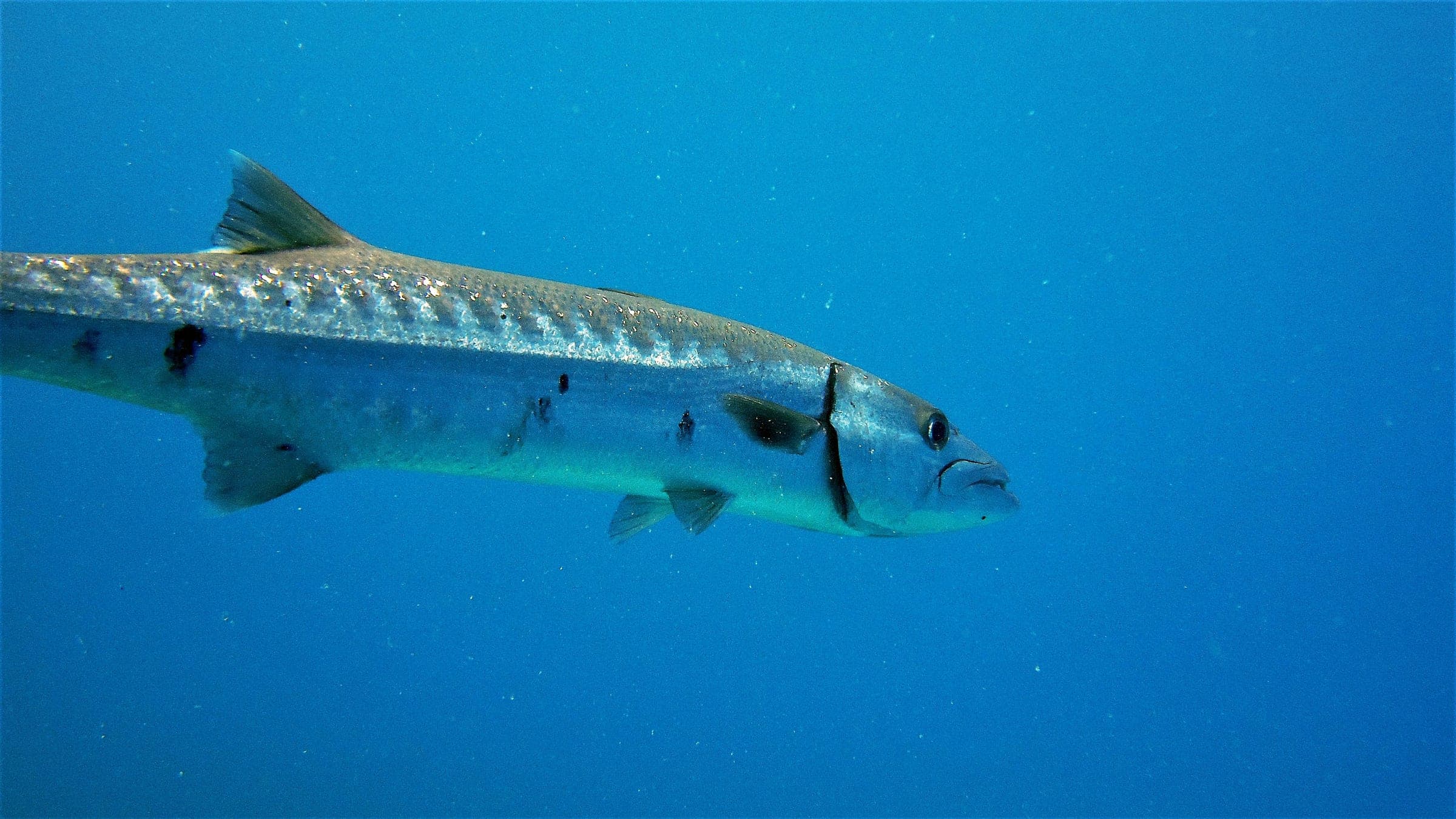
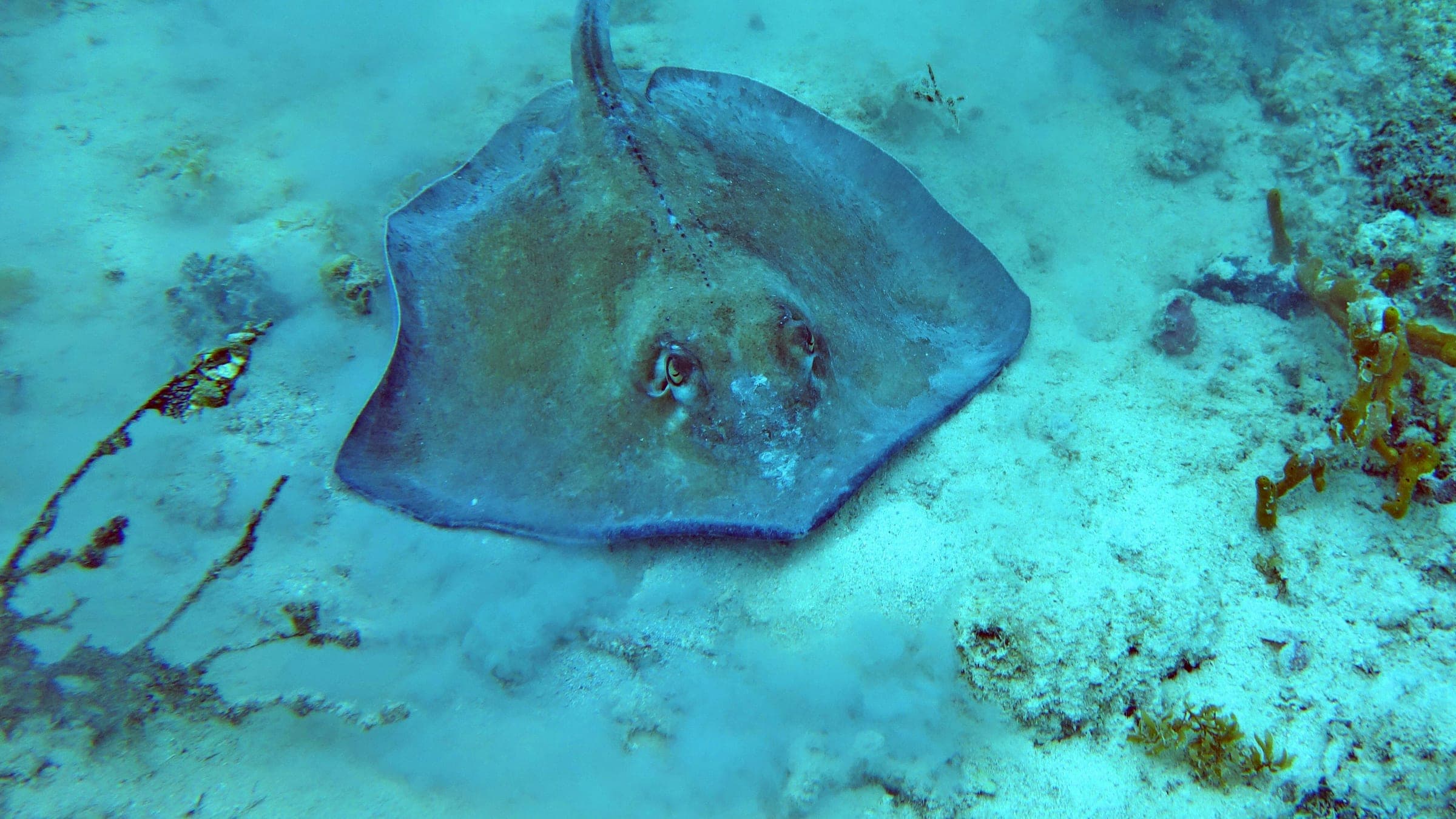
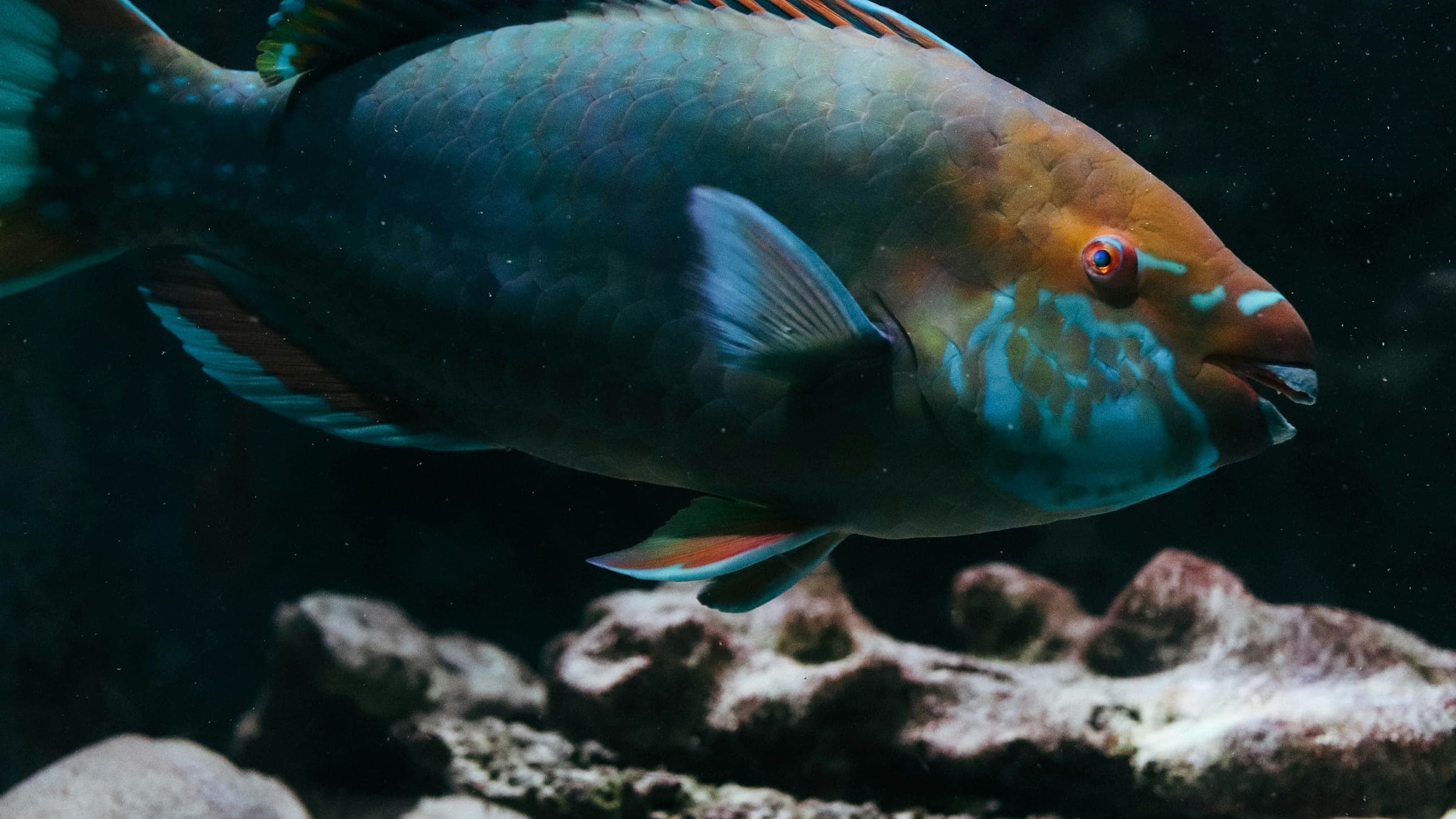
Top species linked to approved dive spots in Perhentian Islands Malaysia.
Quick shortlist before you jump into the full planning page.


DiveJourney destination guides are living documents built from local knowledge, operator experience, and publicly available sources. Conditions, regulations, and logistics can change. Each guide shows its last update date and sources used.
Last updated: February 13, 2026 • 14 sources
If you see something inaccurate or outdated, you can submit an update. This is how the platform improves.