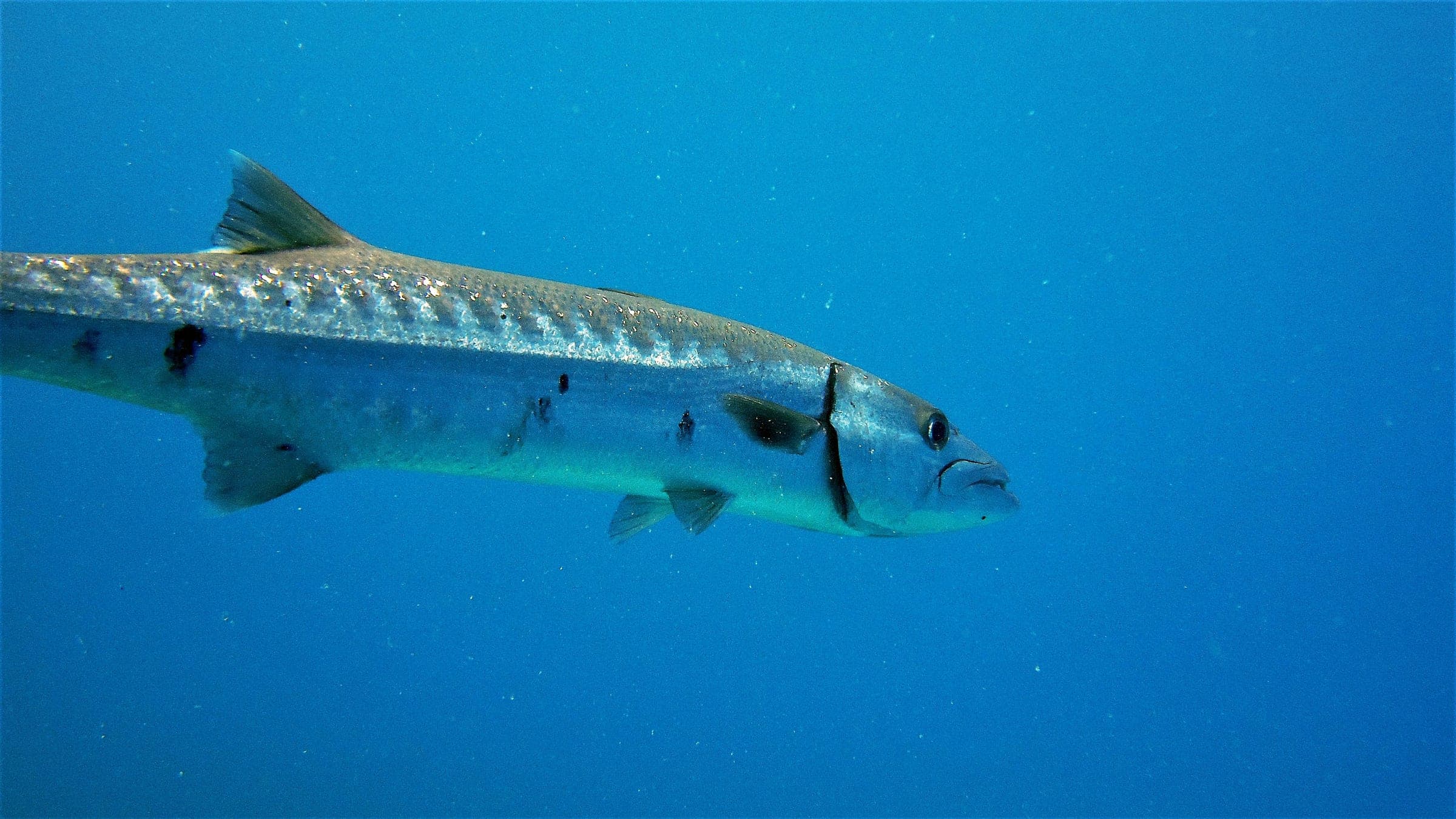
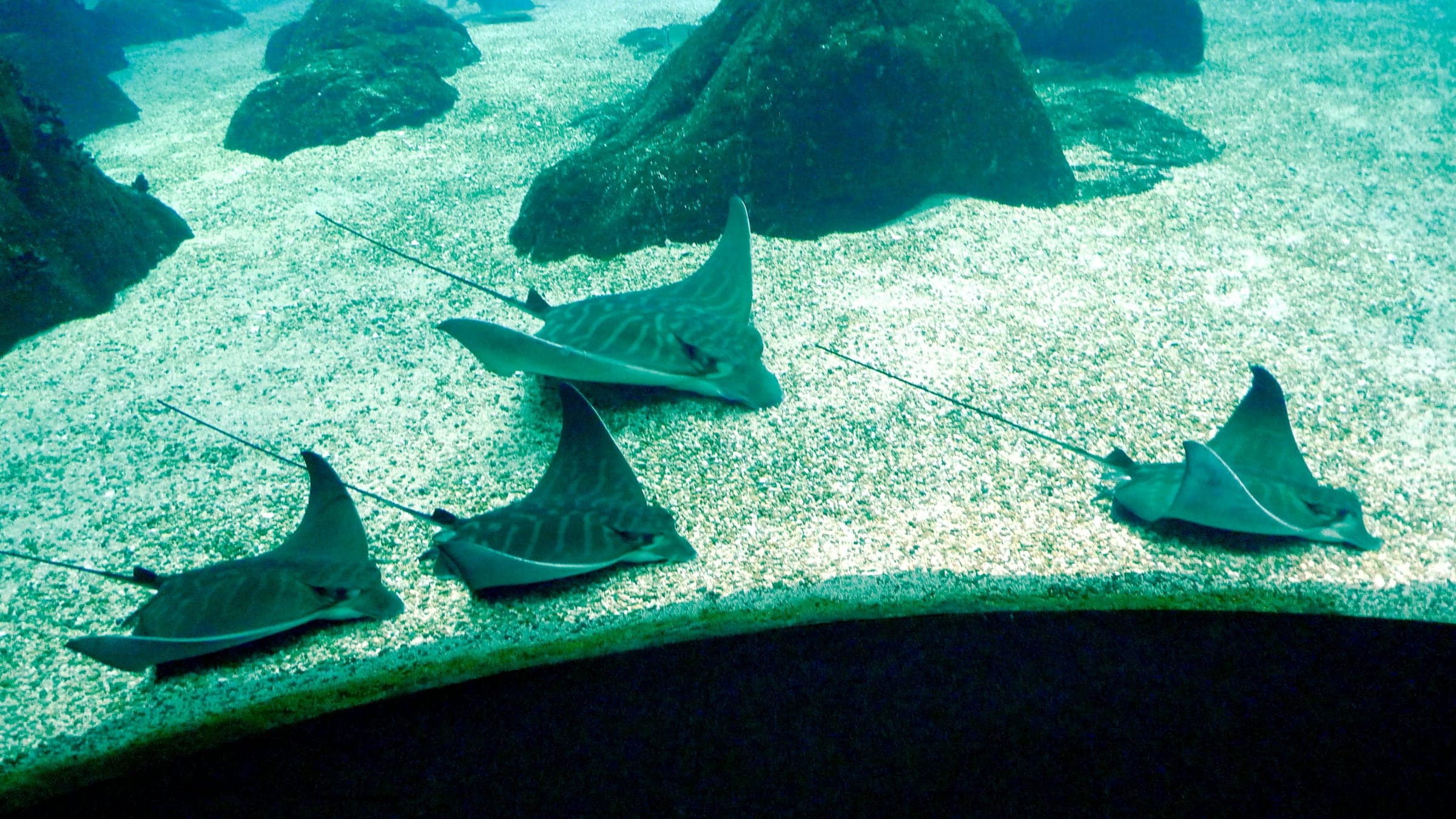
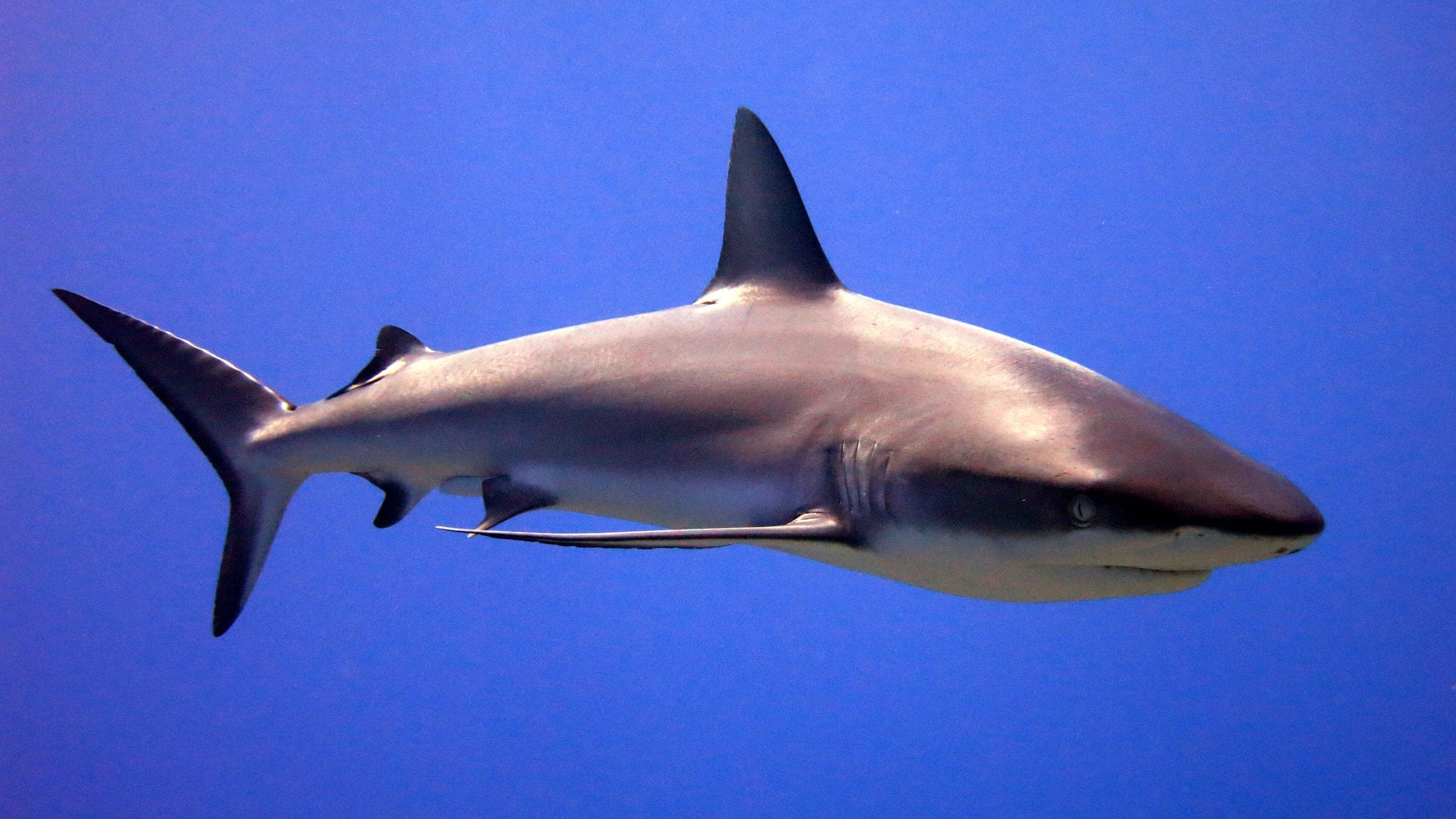
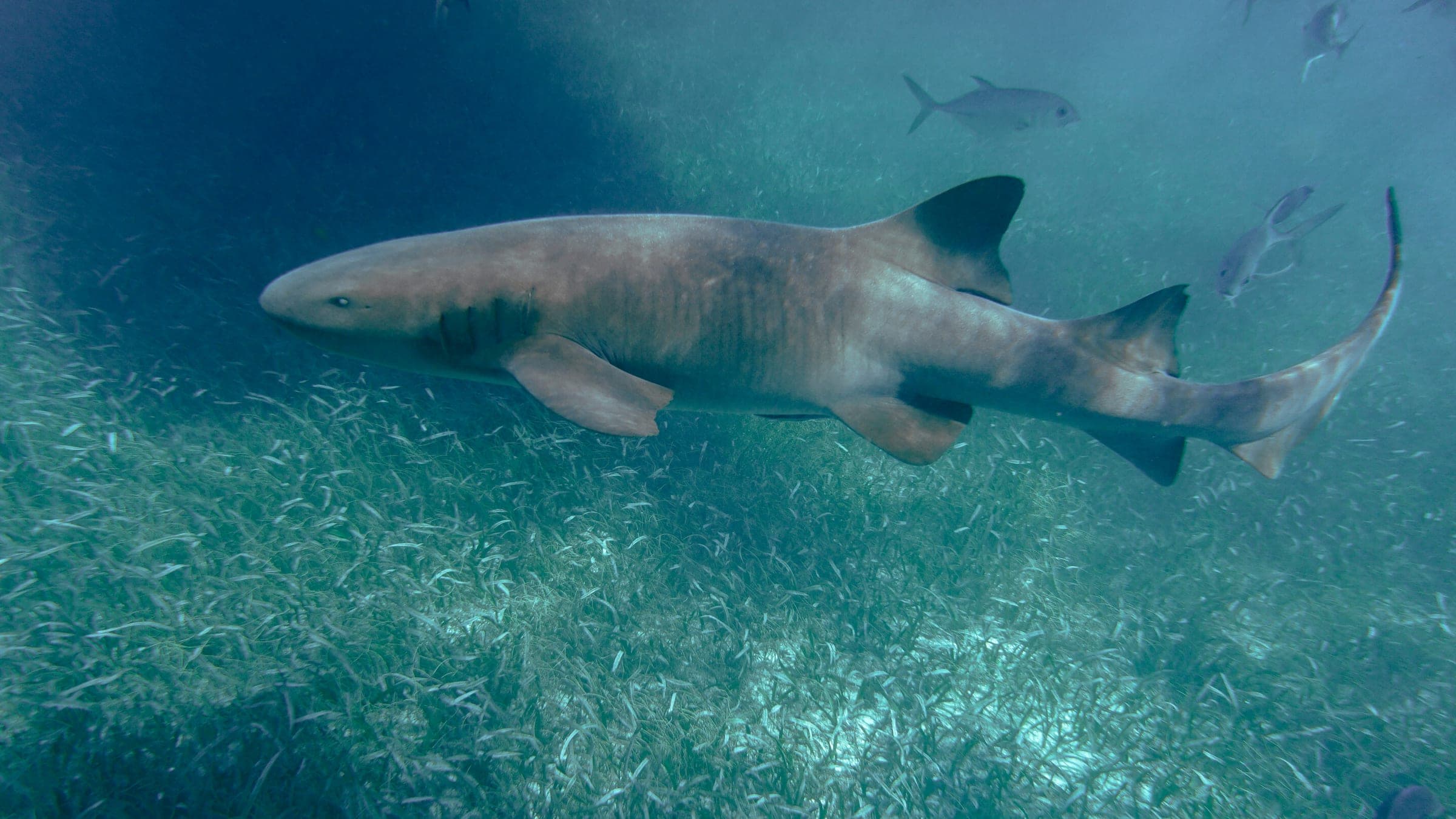
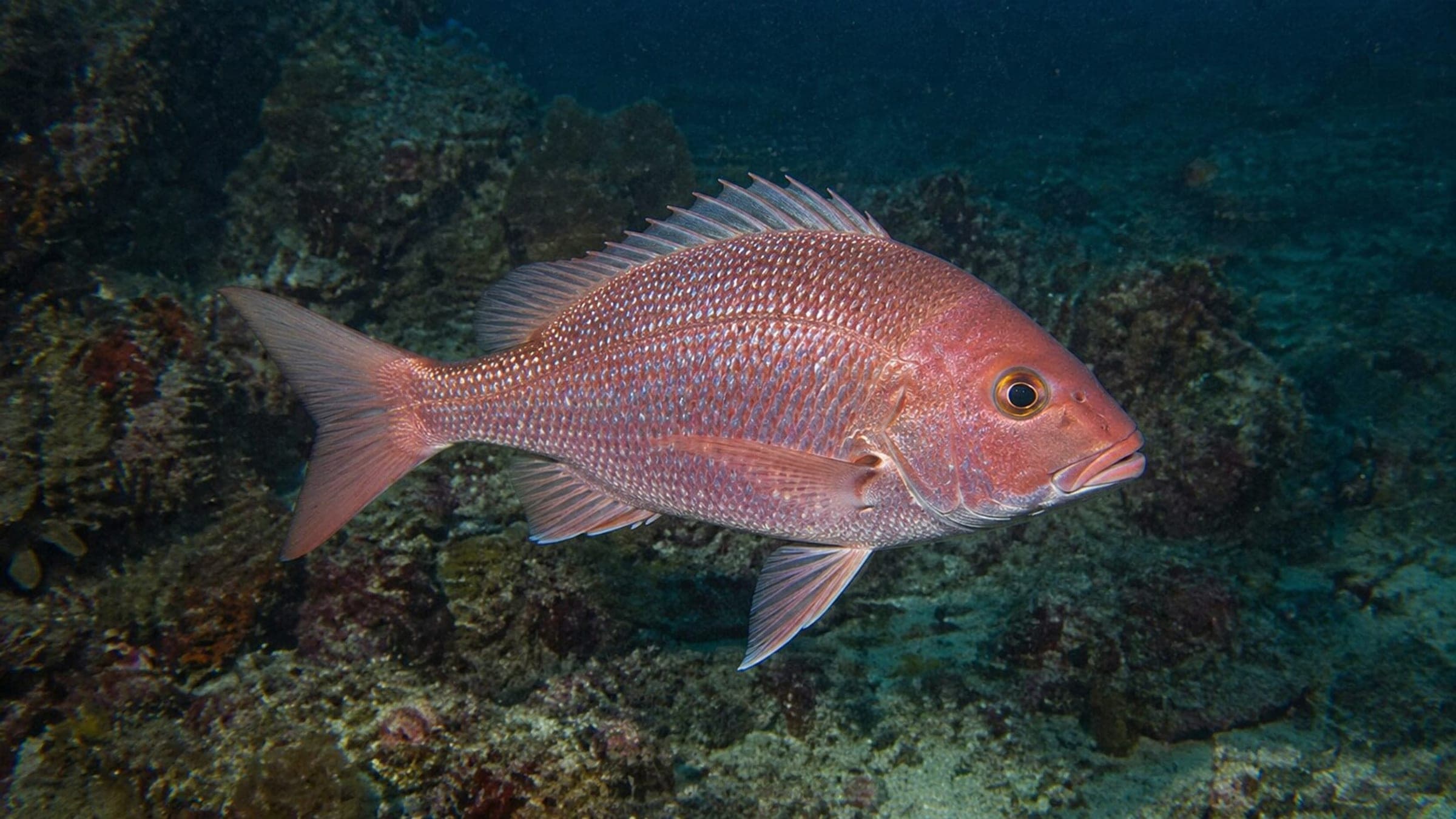
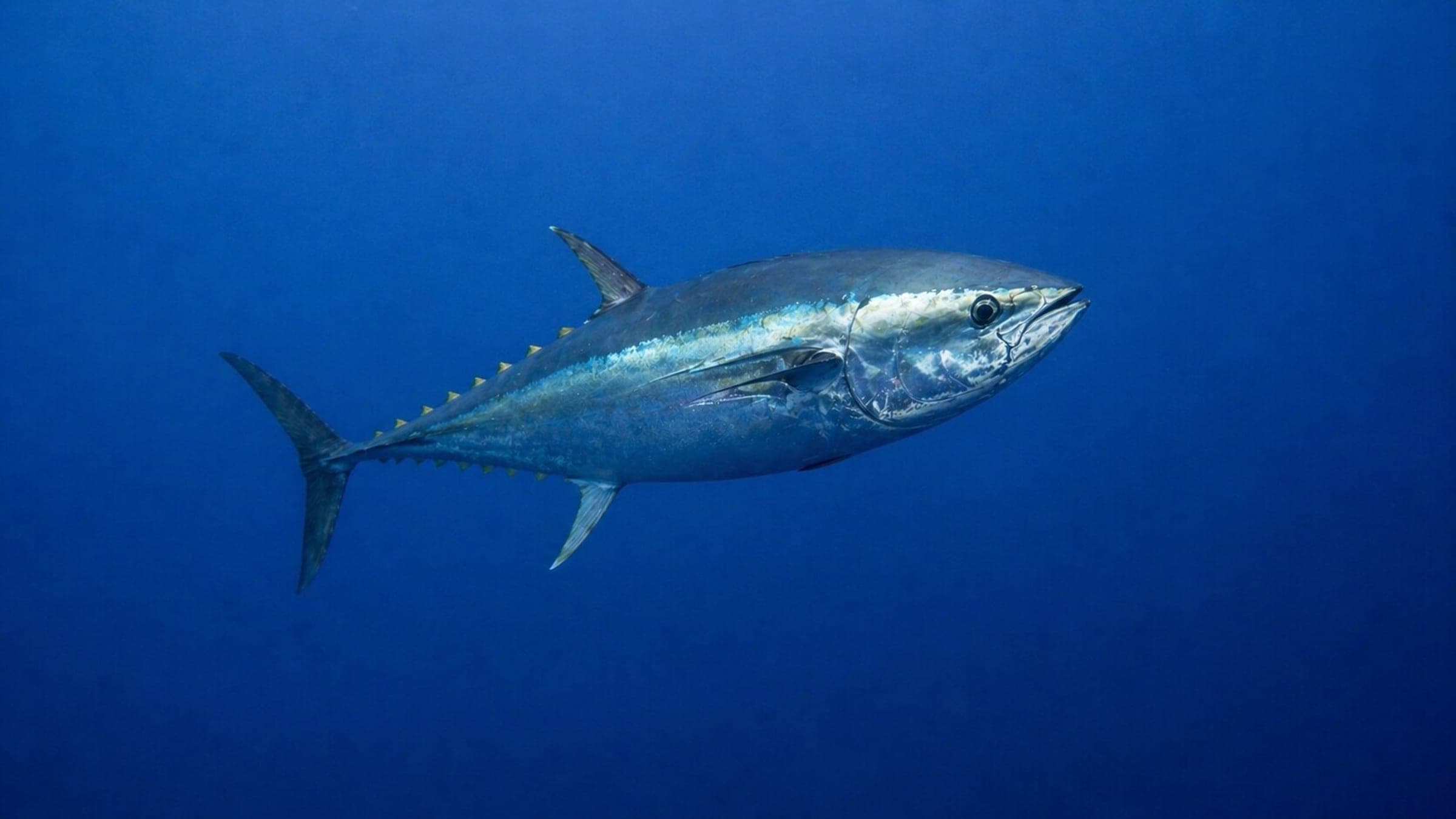
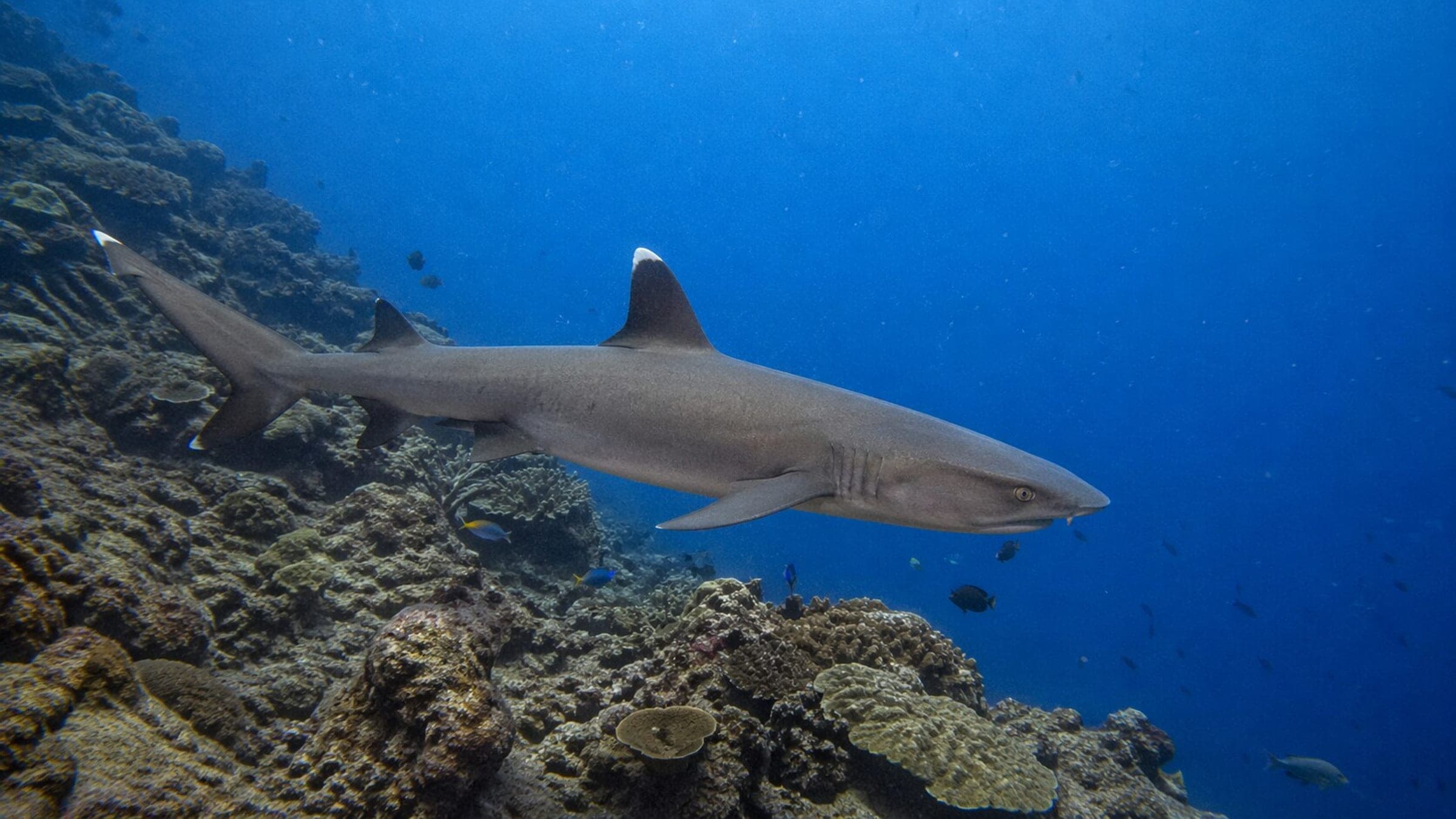
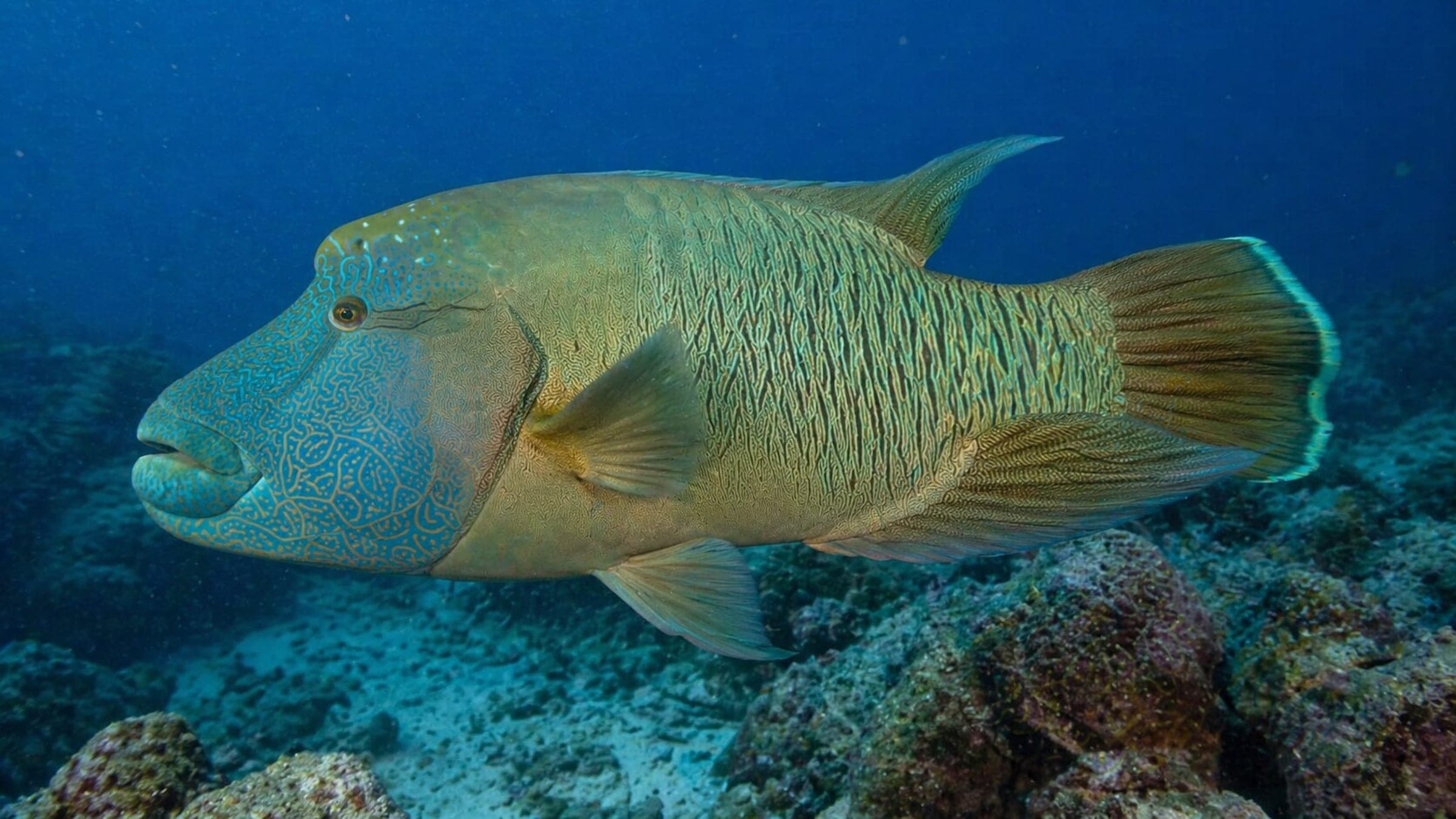
Supports Devana Kandu as a Vaavu signature channel with strong current, hard and soft coral structure, and grey reef sharks, whitetip sharks, nurse sharks, eagle rays, Napoleon wrasse, barracuda, tuna, fusiliers, and snappers.
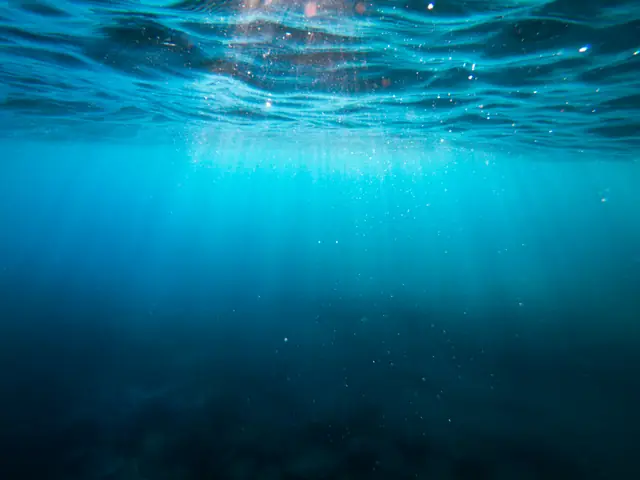
Devana Kandu
Protected Vaavu channel drift with sharks, rays, and split-reef walls.
Local operator required
Use a local operator or guide for boat transfer, advanced overhang diving, tide timing, current assessment, and protected-area compliance.
About Devana Kandu
Devana Kandu is a protected Vaavu channel dive south of Alimatha, where a long central reef splits the pass into two routes and turns the site into a fast current-driven drift. The main line follows reef edges, overhangs, caves, and the outer wall, with the strongest action usually around the channel mouth when clear incoming water pushes across the drop-off. The site is primarily an advanced scuba dive rather than a casual water-access stop. Divers plan it around tide, current direction, guide judgment, and boat support, using the reef structure for positioning while watching grey reef sharks, whitetip reef sharks, eagle rays, barracuda, tuna, Napoleon wrasse, snappers, and other passing pelagics in the blue.
Research Estimate At Devana Kandu
Conservative baseline from public research. No community dives logged yet.
Where Is Devana Kandu?
Devana Kandu Planning Details
Depth range, seasonality, and planning context.
Reported Depth
5m - 40m
Depth Note
Public listings consistently place the dive from about 5 m on the upper reef down to about 25-30 m for the main route, with the outer wall dropping far deeper beyond normal recreational profiles.
Best Season
Often most rewarding during the northeast monsoon and other settled periods when incoming current brings clearer water and more activity at the channel entrance.
Typical Conditions
Boat-entry channel drift with mild-to-strong current depending on tide. Visibility is often good to very good, and the most active marine life is usually concentrated near the outer entrance and drop-off.
Safety & Access At Devana Kandu
Hazards, restrictions, and access requirements.
Key Hazards
Safety Notes
Strong currents; only suitable for advanced divers.
Access Restrictions
Boat access only; plan this site through a local dive operator or guide. Devana Kandu is listed as a marine protected area, so divers should follow operator-briefed protected-area rules and avoid entering when the channel current exceeds the group's ability.
Legal Notes
Devana Kandu is a protected marine area in Vaavu Atoll, so divers should expect standard no-take and no-anchoring style marine-protection rules through their operator.
Local Intel For Devana Kandu
Community notes to help plan your visit.
Scuba Diving
Best suited to advanced divers comfortable with current diving, negative entries when needed, and moving efficiently along a reef edge or hook-in style viewing point. The route combines pelagic watching at the mouth with caves, overhangs, and coral-covered wall sections.
Devana Kandu Dive Conditions Planner
Use the planner to scan this week, inspect today in local time, and understand how exposure shapes conditions at Devana Kandu.
Exposure Profile at Devana Kandu
Directional shelter context for incoming swell.
Wildlife at Devana Kandu
Species commonly reported at this site, with direct links into their wildlife guides.
Recent Logged Visits At Devana Kandu
Community dive logs and visit reports for this site.
No Dive Logs Yet
Be the first to log a dive at this spot and share your experience!
Dive Spot Log Averages At Devana Kandu
Average conditions based on logged dives & visits.
Devana Kandu Guide - Frequently Asked Questions
Planning answers for access, conditions, timing, and site logistics.
Devana Kandu Guide - Sources and Updates
Last Updated
Research Sources
Supports boat access, strong current, advanced-level difficulty, visibility range, deep reef/drift identity, and sharks/eagle rays around the entrance.
Official protected-areas list supporting Devana Kandu protected-area status.
Supports advanced diver level, strong current, tide planning, SMB use, and common shark, ray, jack, tuna, barracuda, wrasse, turtle, snapper, fusilier, and batfish sightings.
Supports the split-channel layout, marine protected area status, ingoing-current drift profile, coral quality, and pelagic/shark/ray sightings.
Know this site? Improve Spot Details.


