Taxonomy
An elasmobranch in the family Ginglymostomatidae; scientific name Ginglymostoma cirratum.
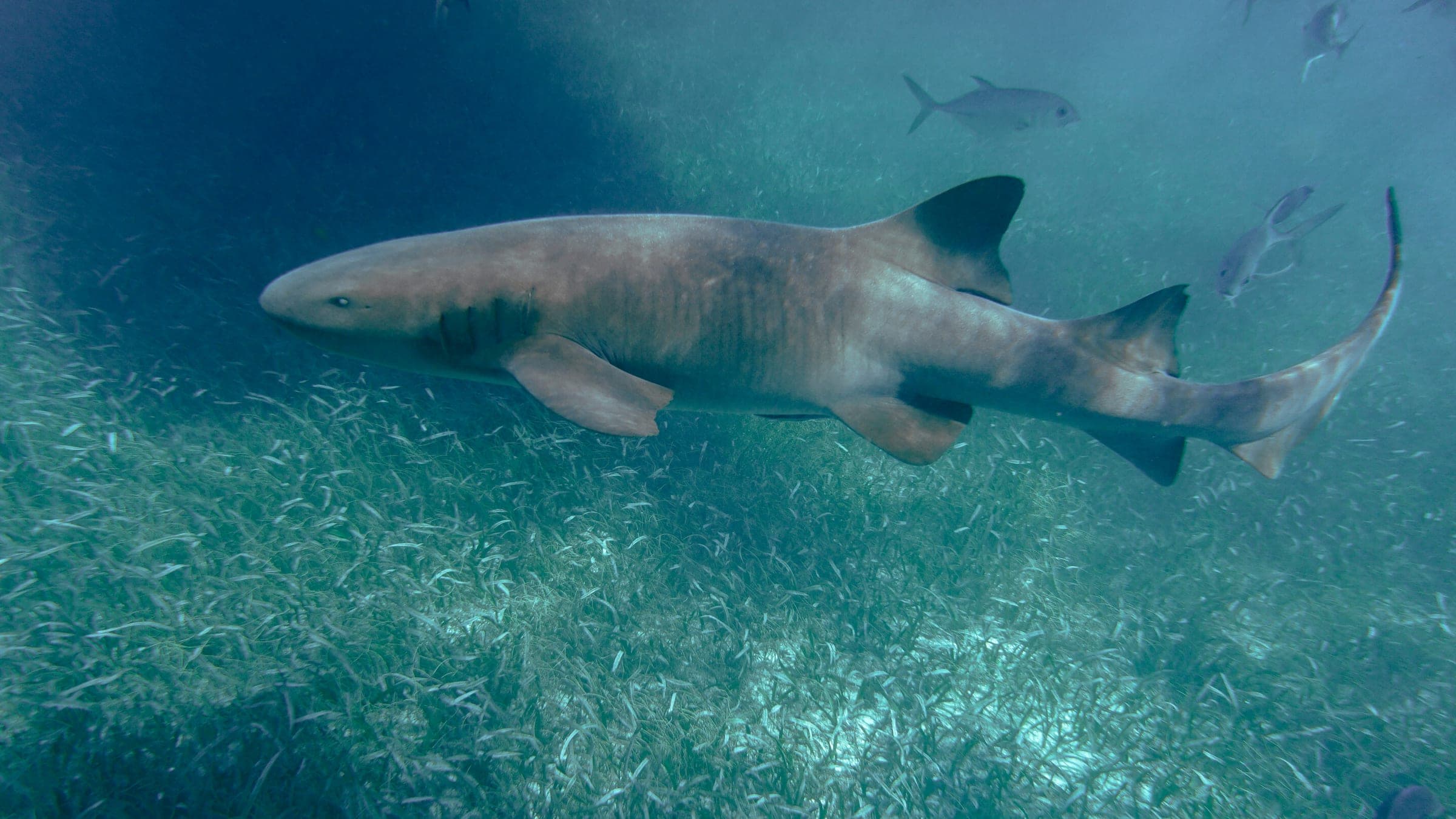
Species Guide
A clean field guide focused on habitat, identification, behavior, and conservation context without burying the useful parts.
The nurse shark (Ginglymostoma cirratum) is an elasmobranch fish in the family Ginglymostomatidae. It is globally assessed as Vulnerable on the IUCN Red List, though regional assessments vary: considered Least Concern in the United States and The Bahamas, and Near Threatened in the western Atlantic due to vulnerability in parts of South America and reported threats across Central America and the Caribbean. Nurse sharks are directly targeted by some fisheries and taken as by-catch in others. They are robust animals that tolerate capture, handling, and tagging well. Despite a calm, sedentary appearance, nurse sharks are involved in documented bites on humans and rank fourth in recorded shark bite incidents, likely linked to incautious human behavior around them.
Globally Vulnerable per IUCN; regional assessments vary with Least Concern in the United States and The Bahamas and Near Threatened status in parts of the western Atlantic due to localized vulnerabilities and reported threats.
Typically calm and sedentary.
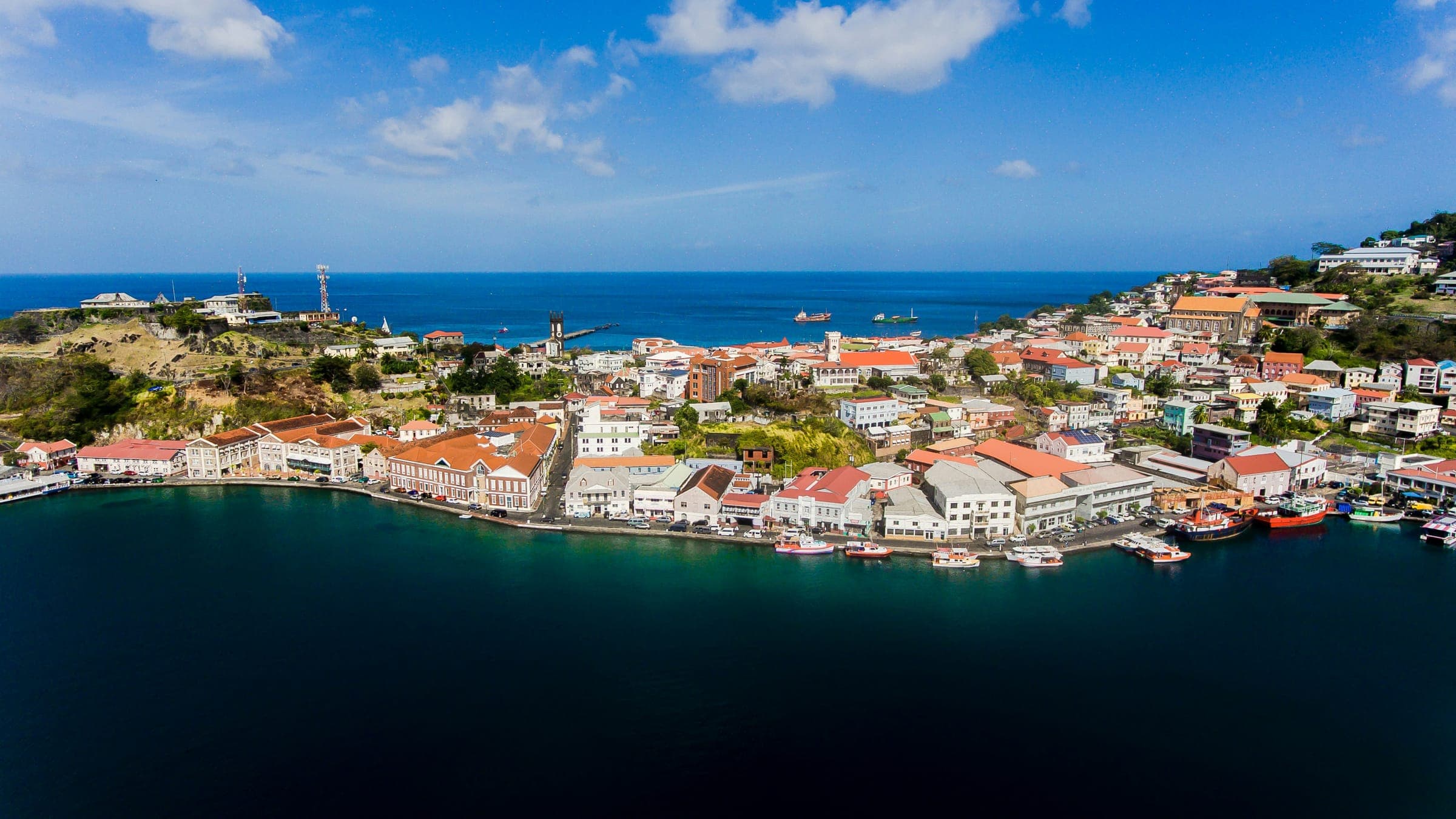
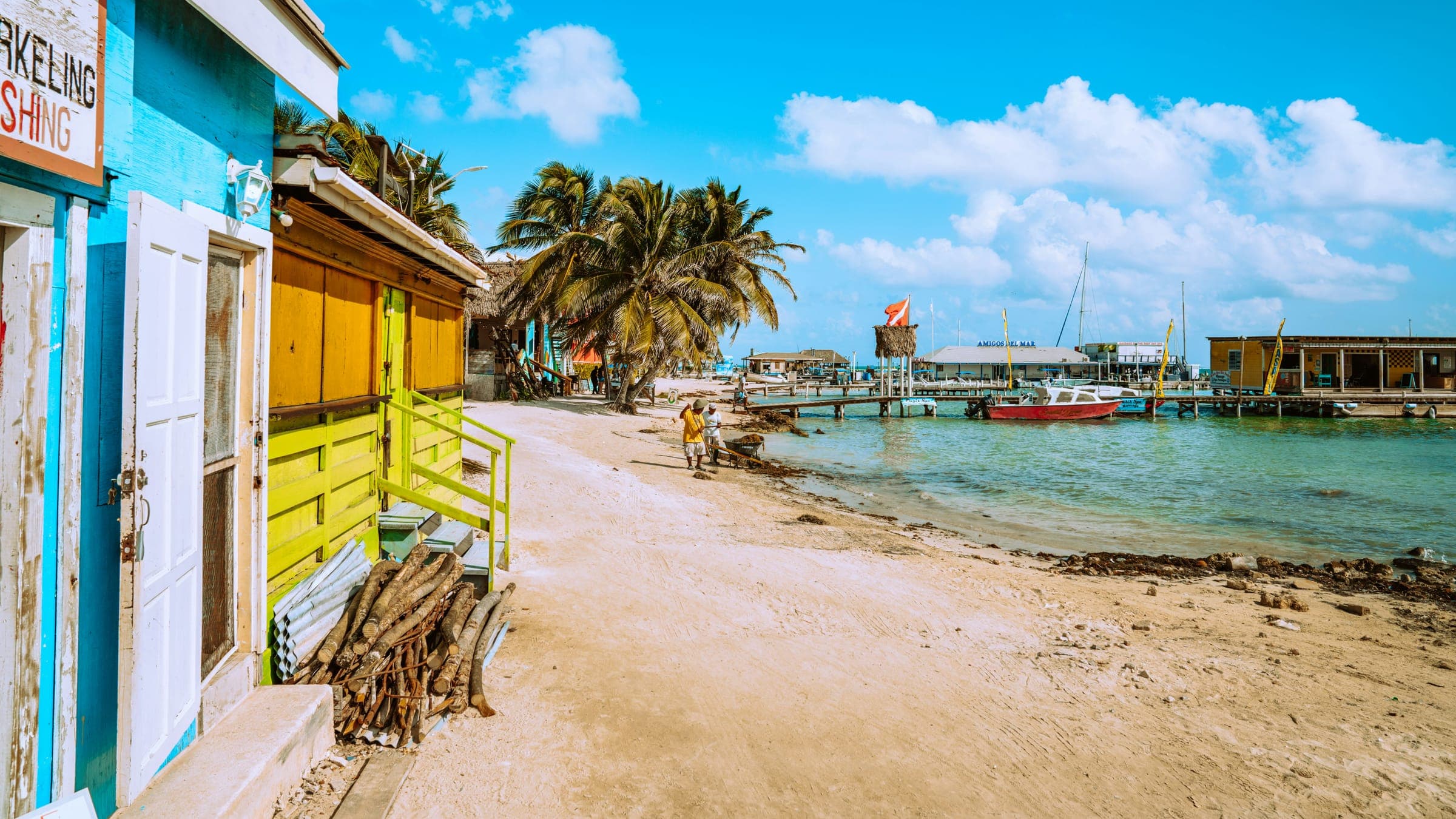
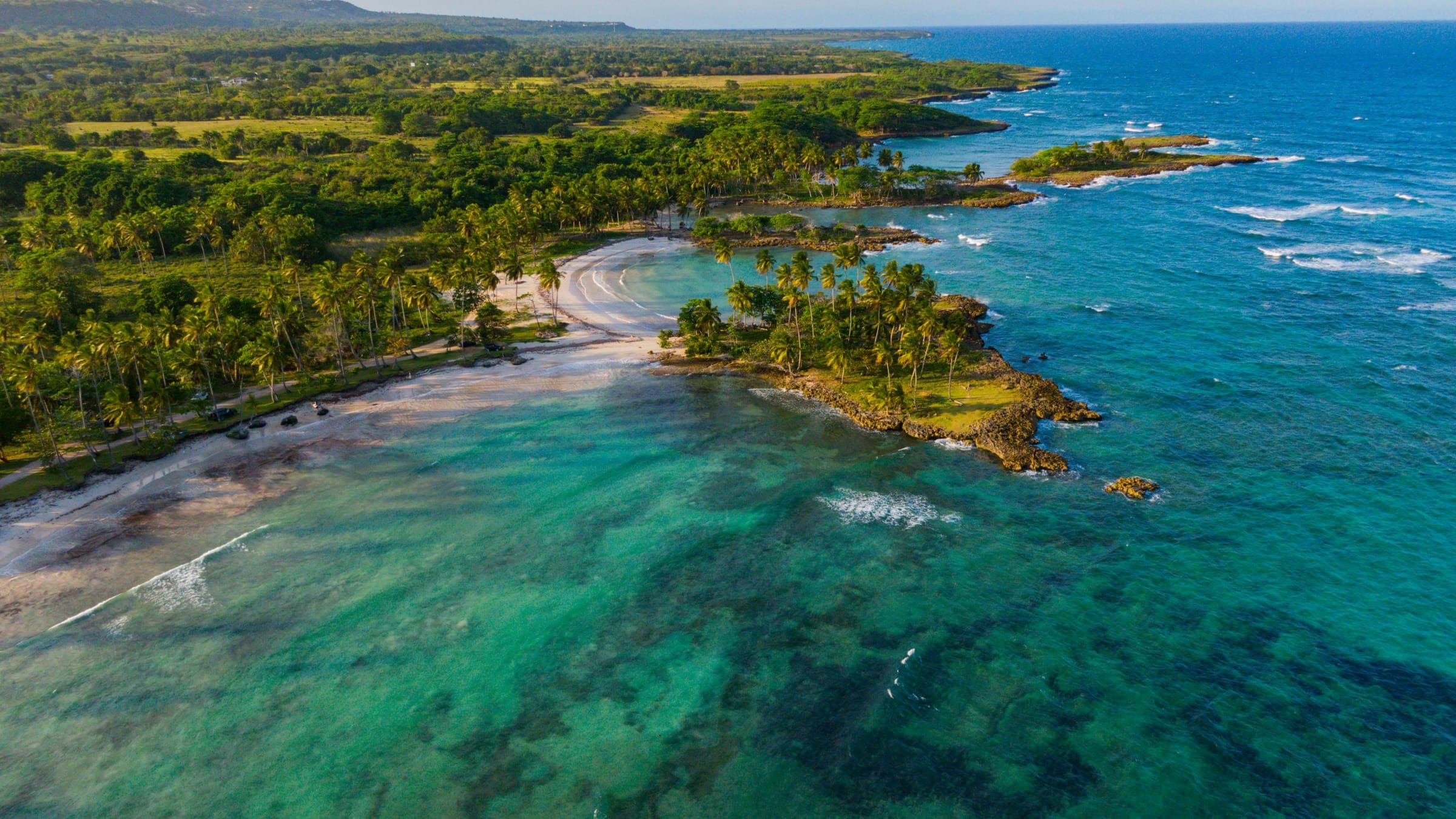
The strongest linked planning options currently surface around destinations such as Caye Caulker, San Pedro (Ambergris Caye), Belize, Carriacou (Tyrrel Bay) and countries such as Grenada, Belize, Dominican Republic for divers building trips around nurse sharks.
Identification
The visual markers divers can use underwater, plus the species most likely to cause confusion.
An elasmobranch in the family Ginglymostomatidae; scientific name Ginglymostoma cirratum.
Described as robust and typically calm and sedentary.
Range and Movement
The broad range, seasonal movement, or migratory behavior that shapes where divers encounter this species.
Typically calm and sedentary.
Conservation
Status, pressure, and protection context grounded in cited sources rather than filler.
Globally Vulnerable per IUCN; regional assessments vary with Least Concern in the United States and The Bahamas and Near Threatened status in parts of the western Atlantic due to localized vulnerabilities and reported threats.
Nurse sharks are directly targeted in some fisheries.
They are taken as by-catch in other fisheries.
Reported threats occur across many areas of Central America, the Caribbean, and parts of South America contributing to regional vulnerability.
Responsible Encounters
Conservation-minded guidance for divers who want the encounter without adding pressure.
Avoid incautious behavior around nurse sharks; their calm, sedentary nature can lead people to approach them closely, which is associated with recorded bites.
Field Notes
Useful species context that makes the encounter more meaningful once you are underwater.
They tolerate capture, handling, and tagging extremely well, making them important for shark research.
Ranked fourth in documented shark bites on humans, a pattern attributed to human incautiousness around the species.
Top Destinations
Destinations surfaced from the linked dive spots associated with this species.
Top Countries
The strongest country-level starting points currently linked to this species.
Top Dive Spots
Directly linked dive spots where this species already shows up in the planning data.
Shallow manta cleaning station on southwest Penida.
Boat-access canyon dive in front of San Pedro Town.
Boat-access reef and canyon diving off Ambergris Caye.
Intermediate Palancar Bricks boat dive with coral towers
Boat reef with coral blocks, caves, and soft corals
Ningaloo shark-cleaning-station dive with dense reef life.
FAQ
Clear planning and conservation answers written for search visibility and AI retrieval.
Research Sources
Primary and credible references behind the field-guide and conservation claims on this page.
Primary wildlife guide source.
Supporting wildlife source.
Taxonomy reference.
Related Species
Related species guides in the same encounter family.