tourism.andamannicobar.gov.in · Official
Official tourism scuba map listing the wreck as a boat-access site off Duncan Island.
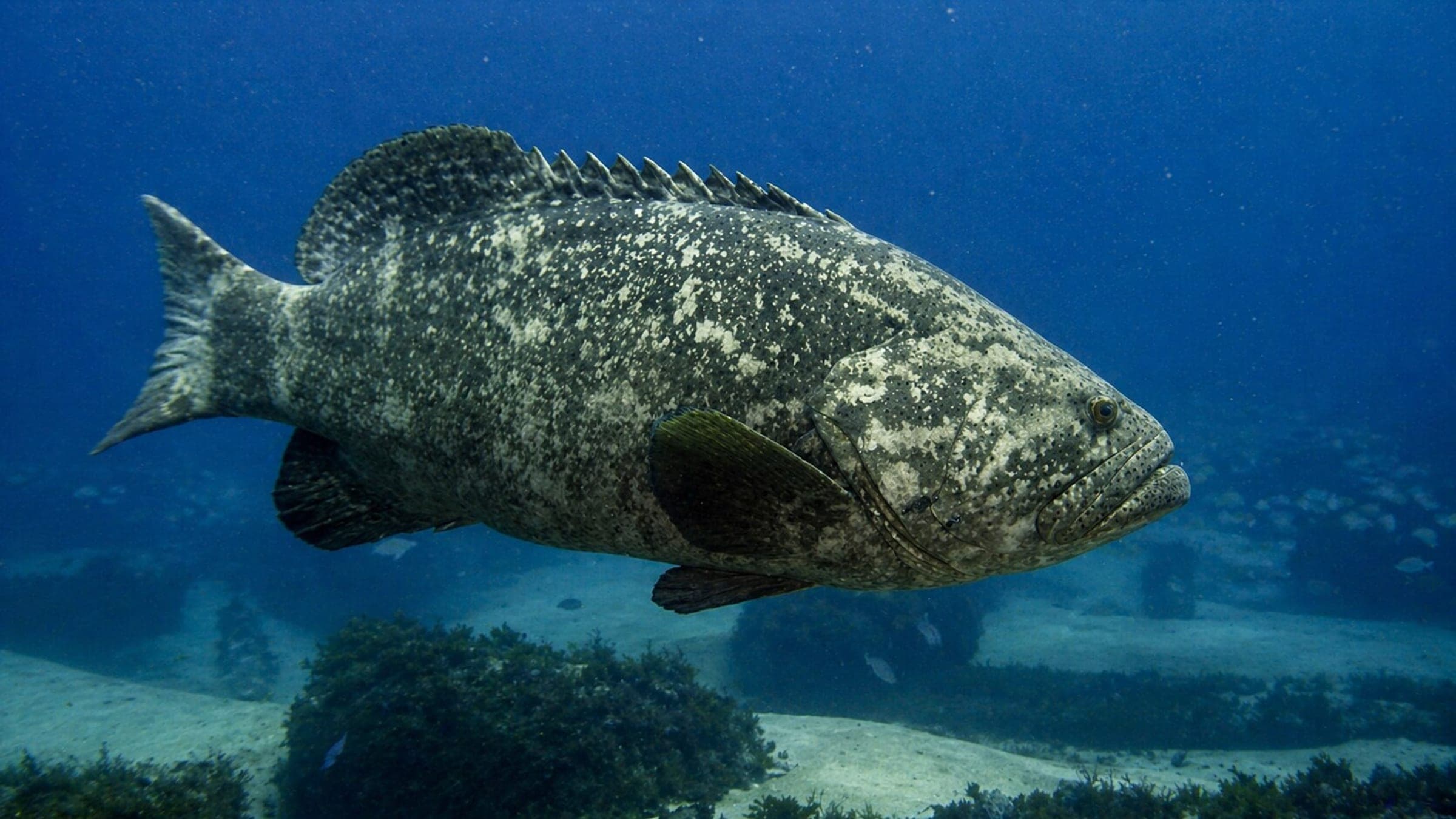
Inchkeith Wreck is a Havelock wreck with low visibility and big fish.
Inchkeith Wreck is a Havelock wreck with low visibility and big fish.
Boat access and dive logistics are handled through Havelock dive centres.
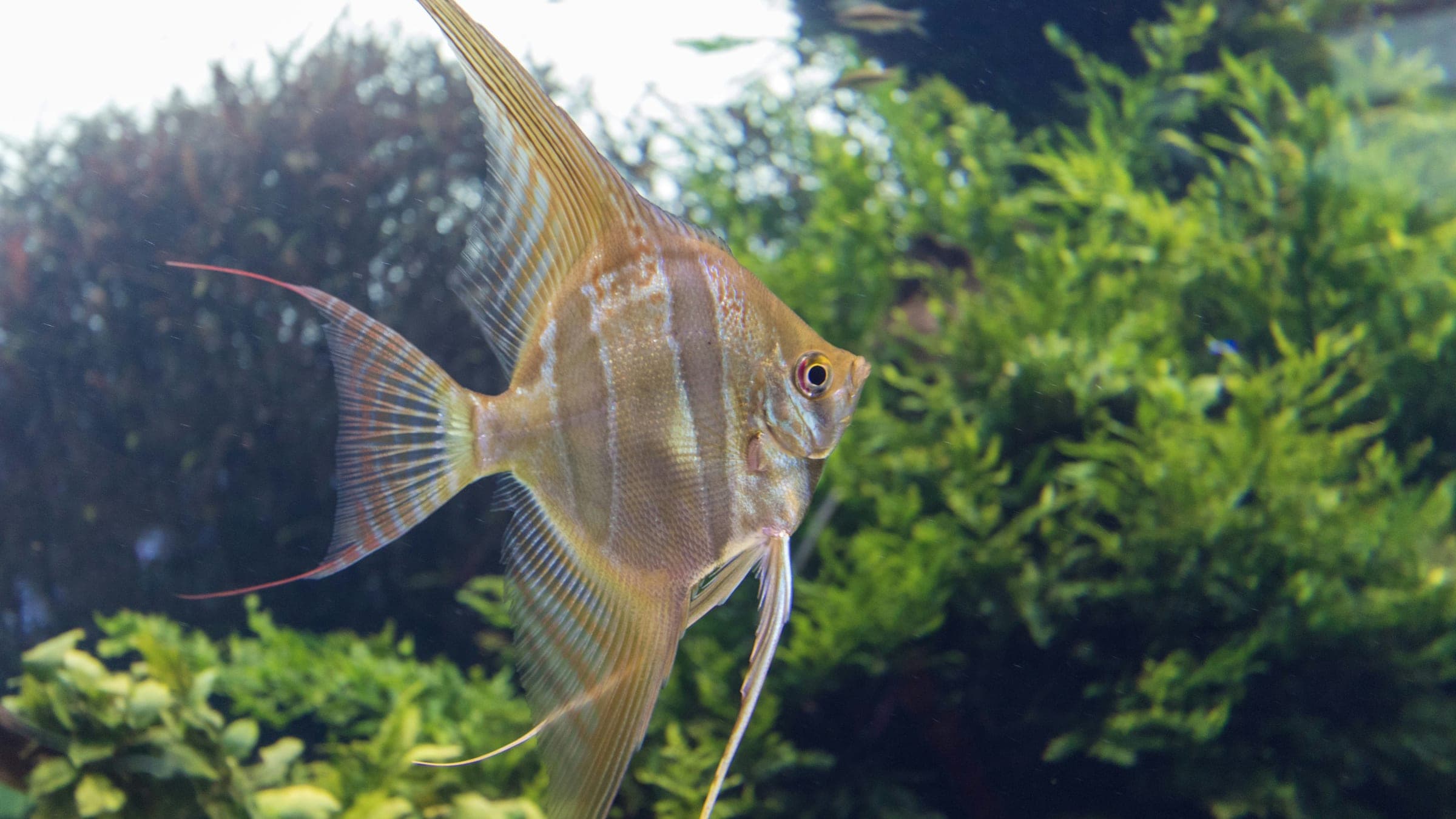
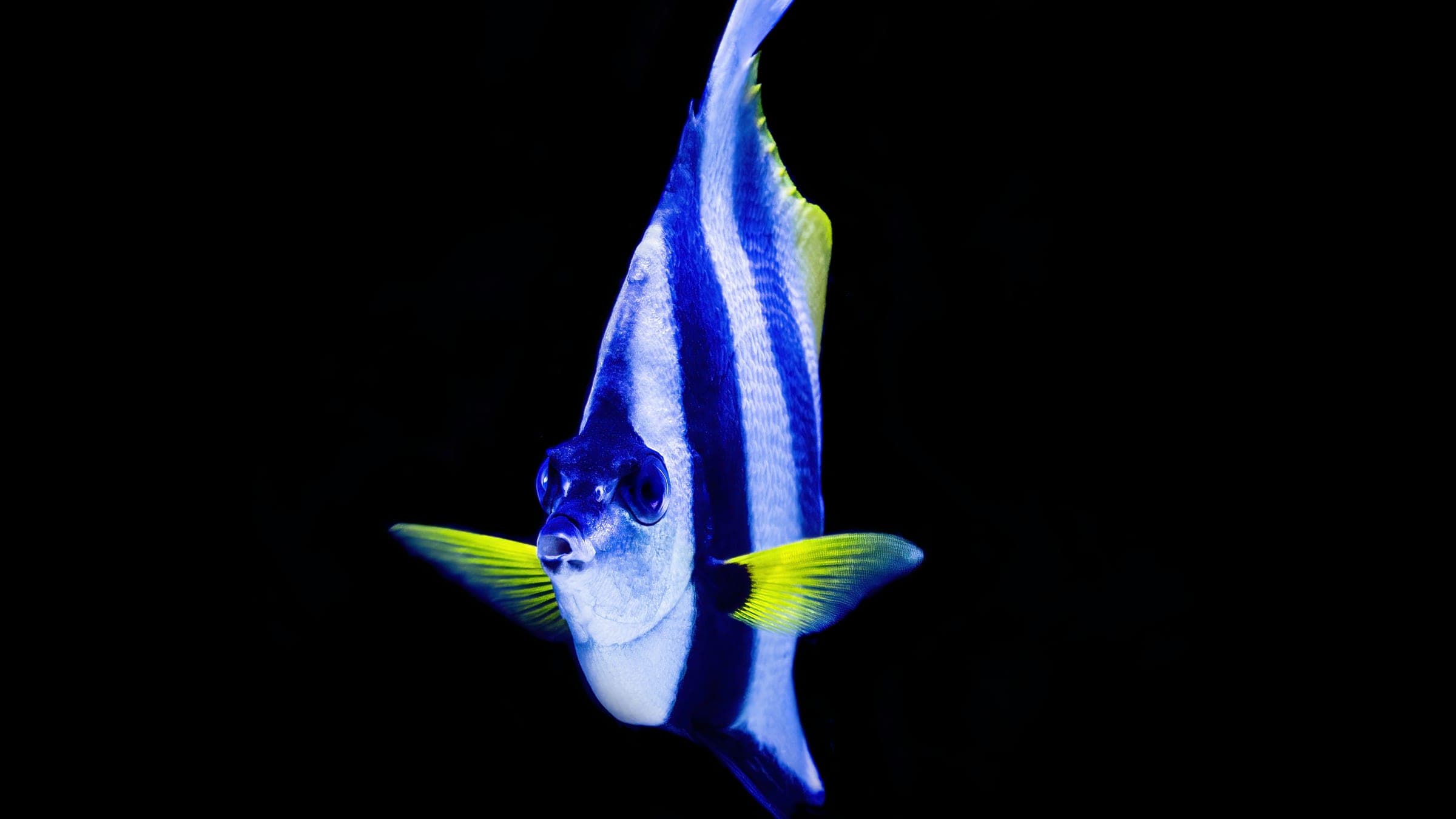
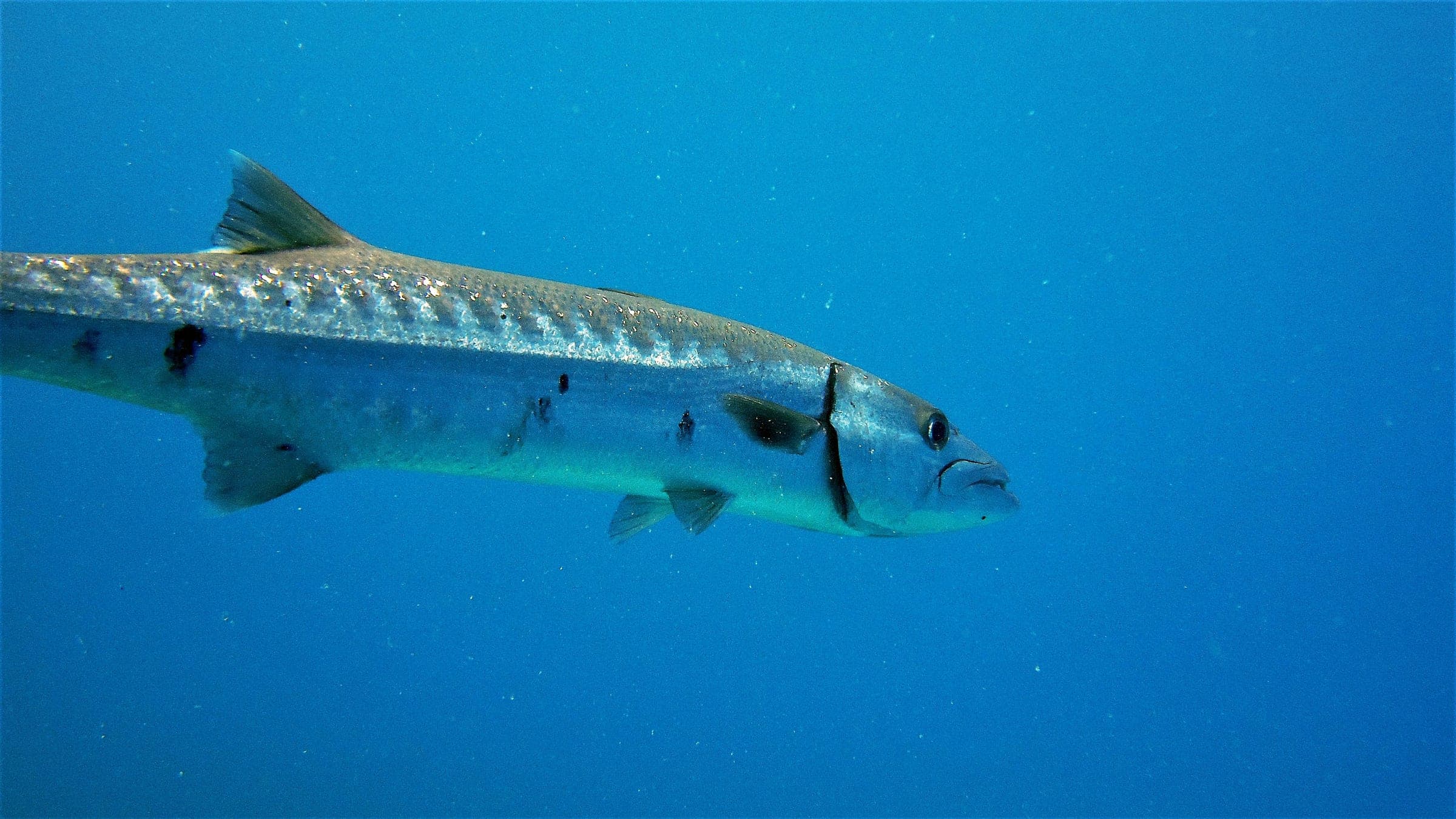
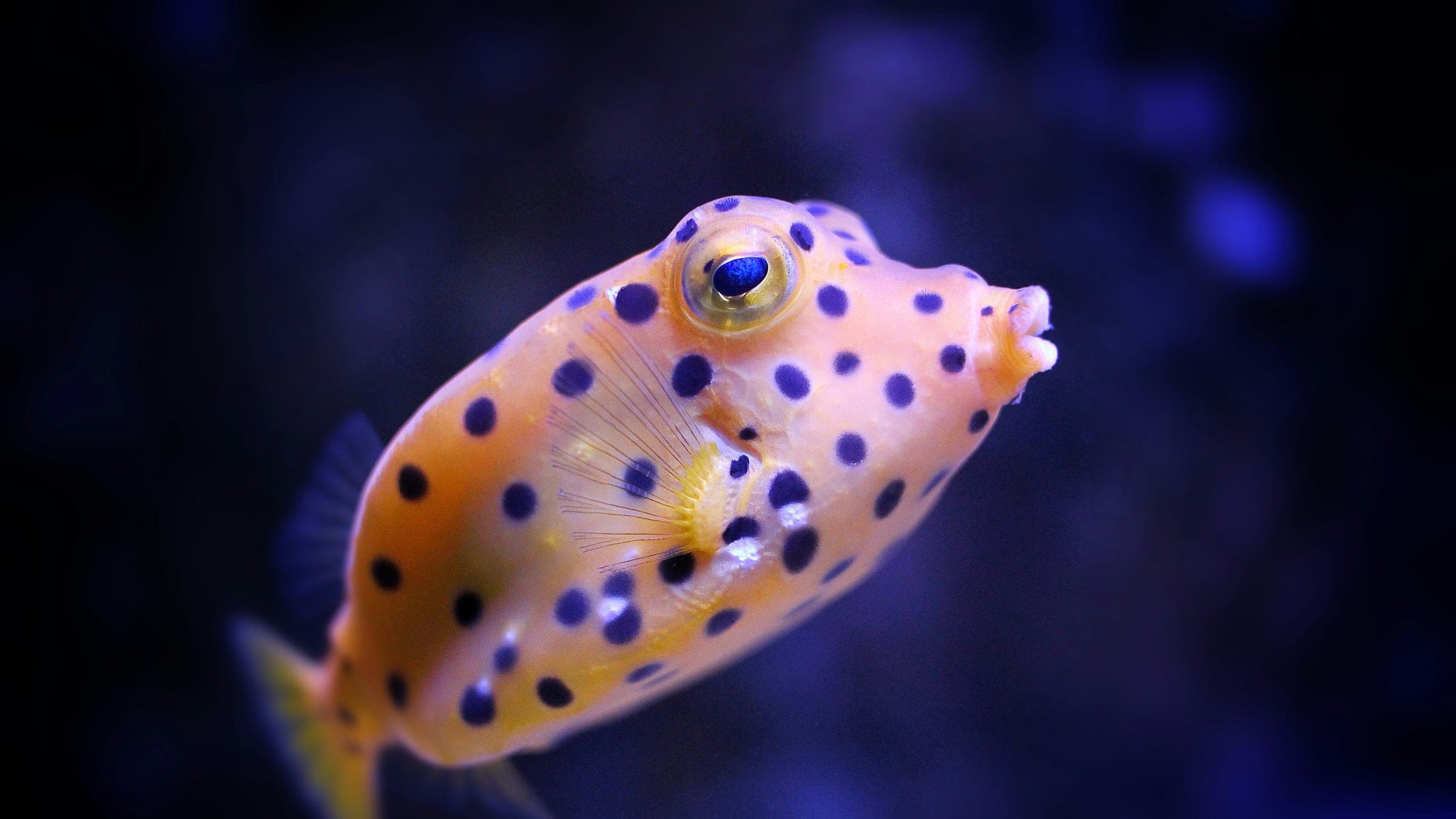
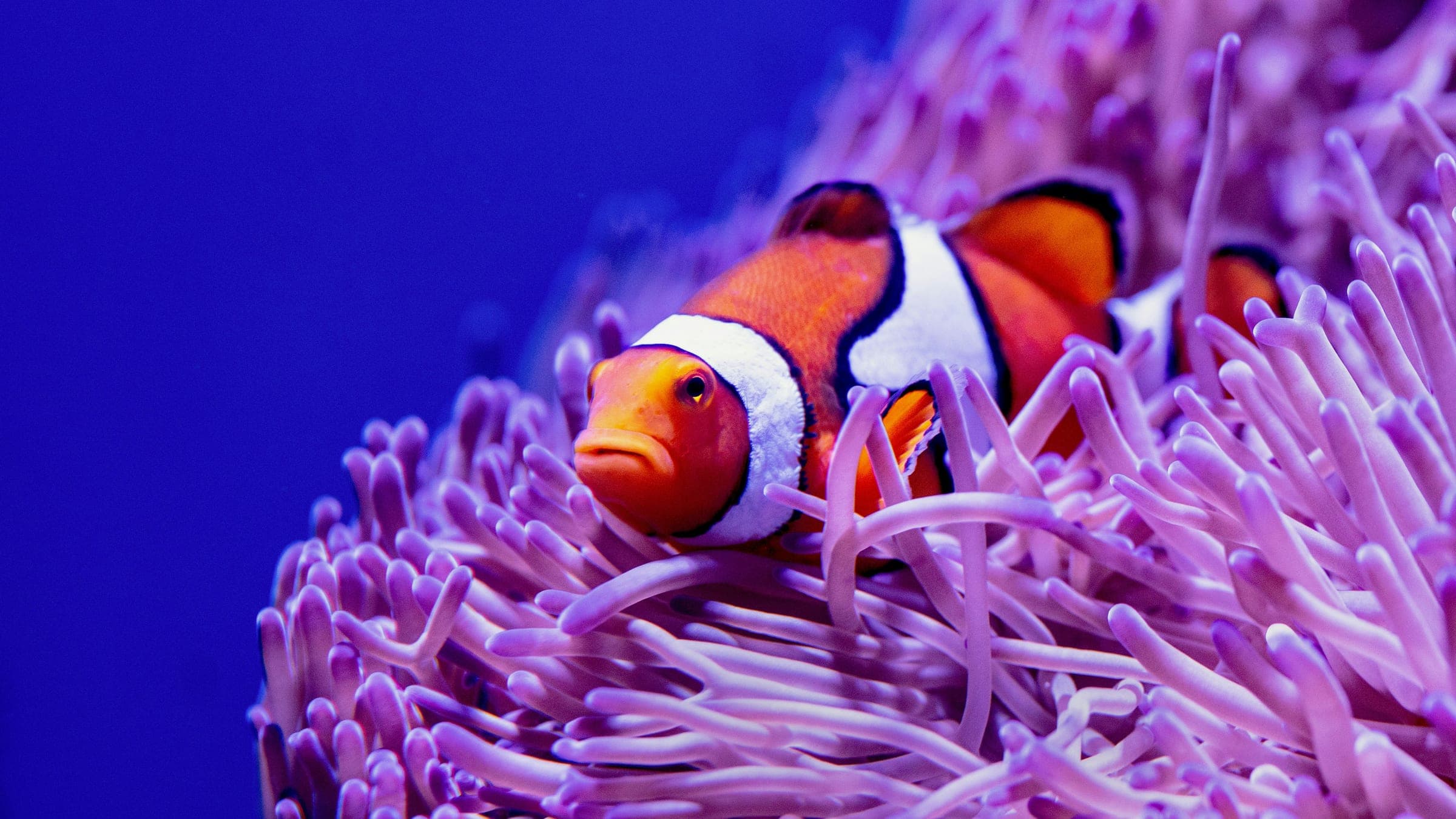
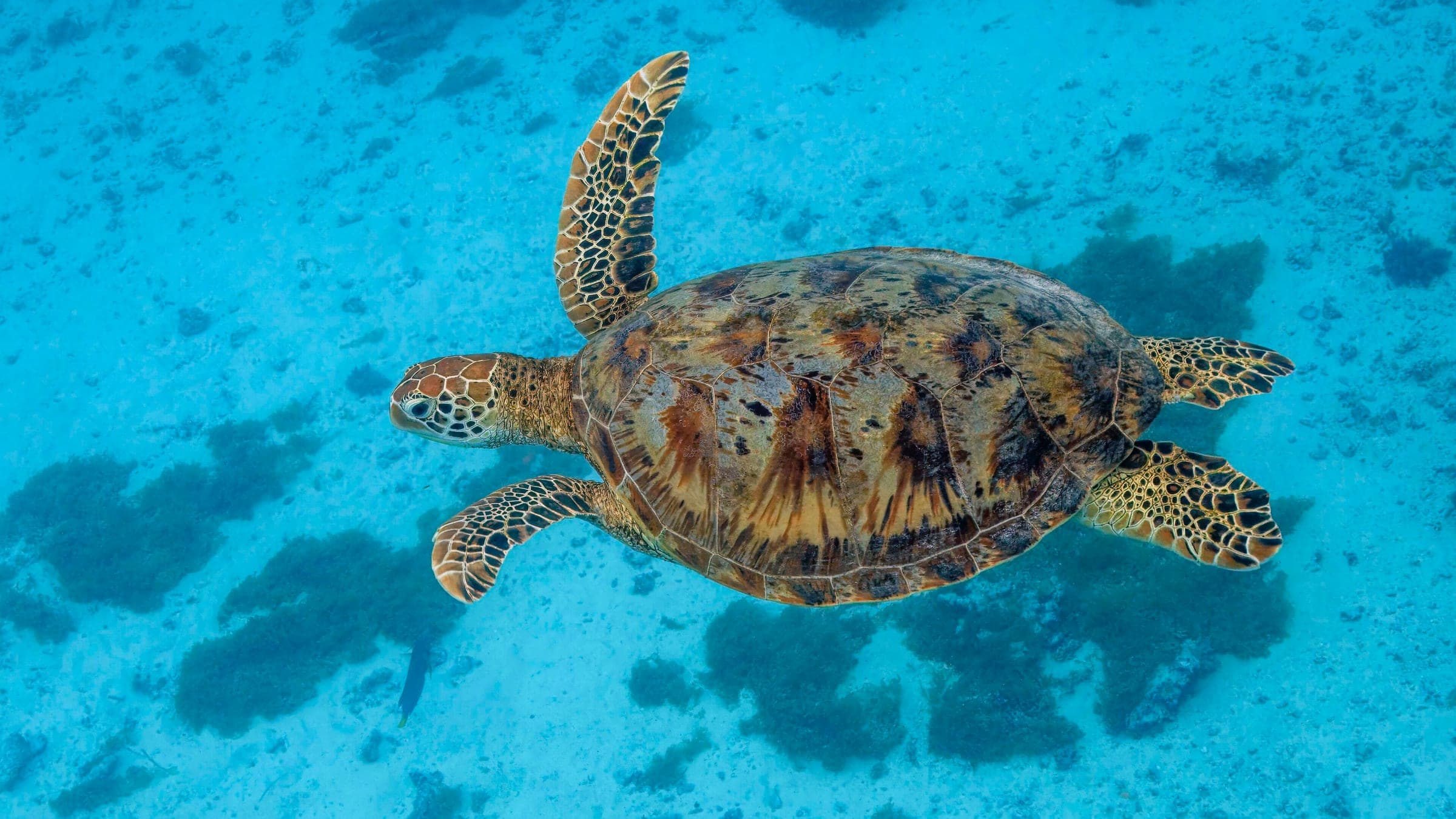
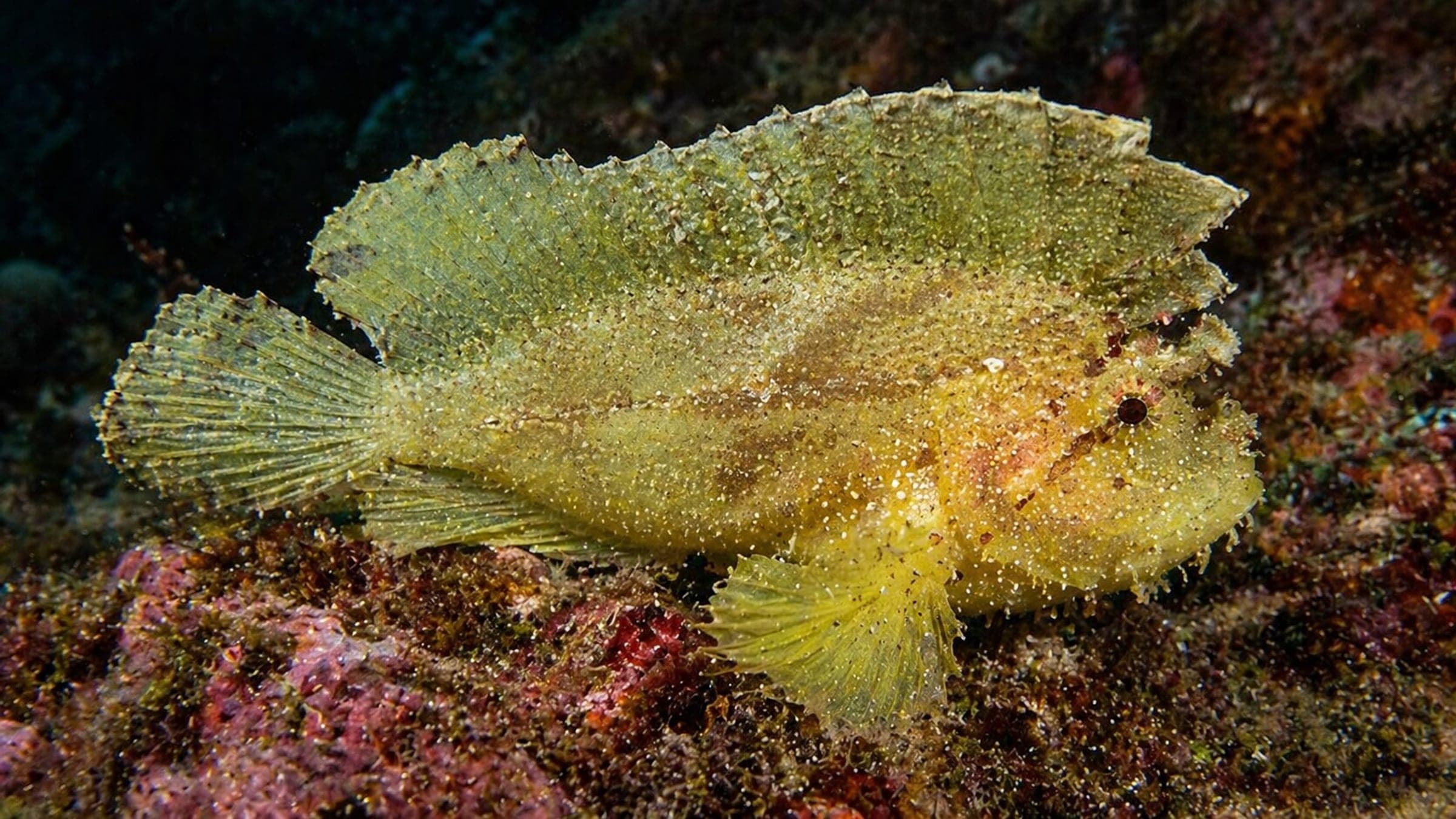
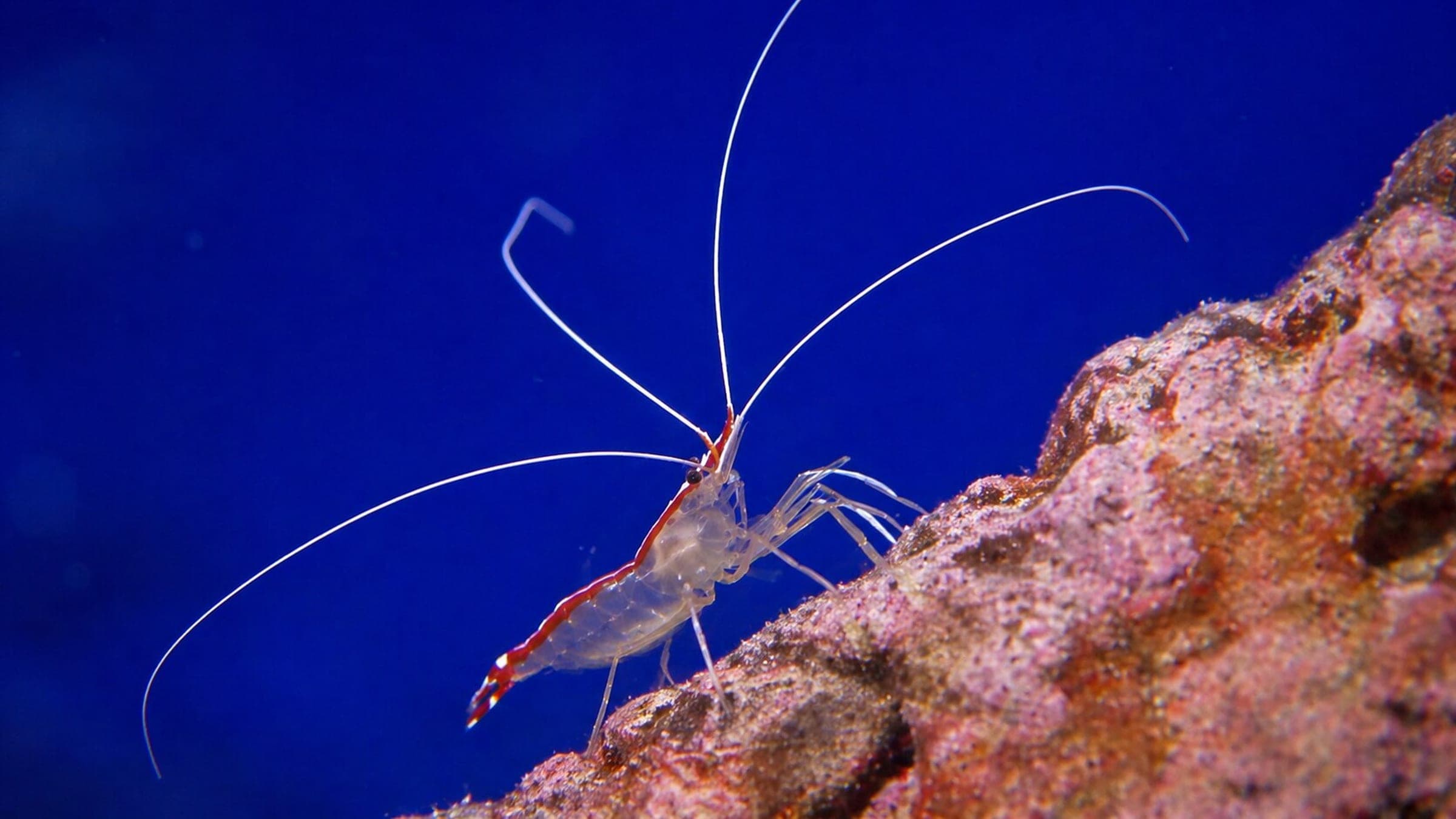
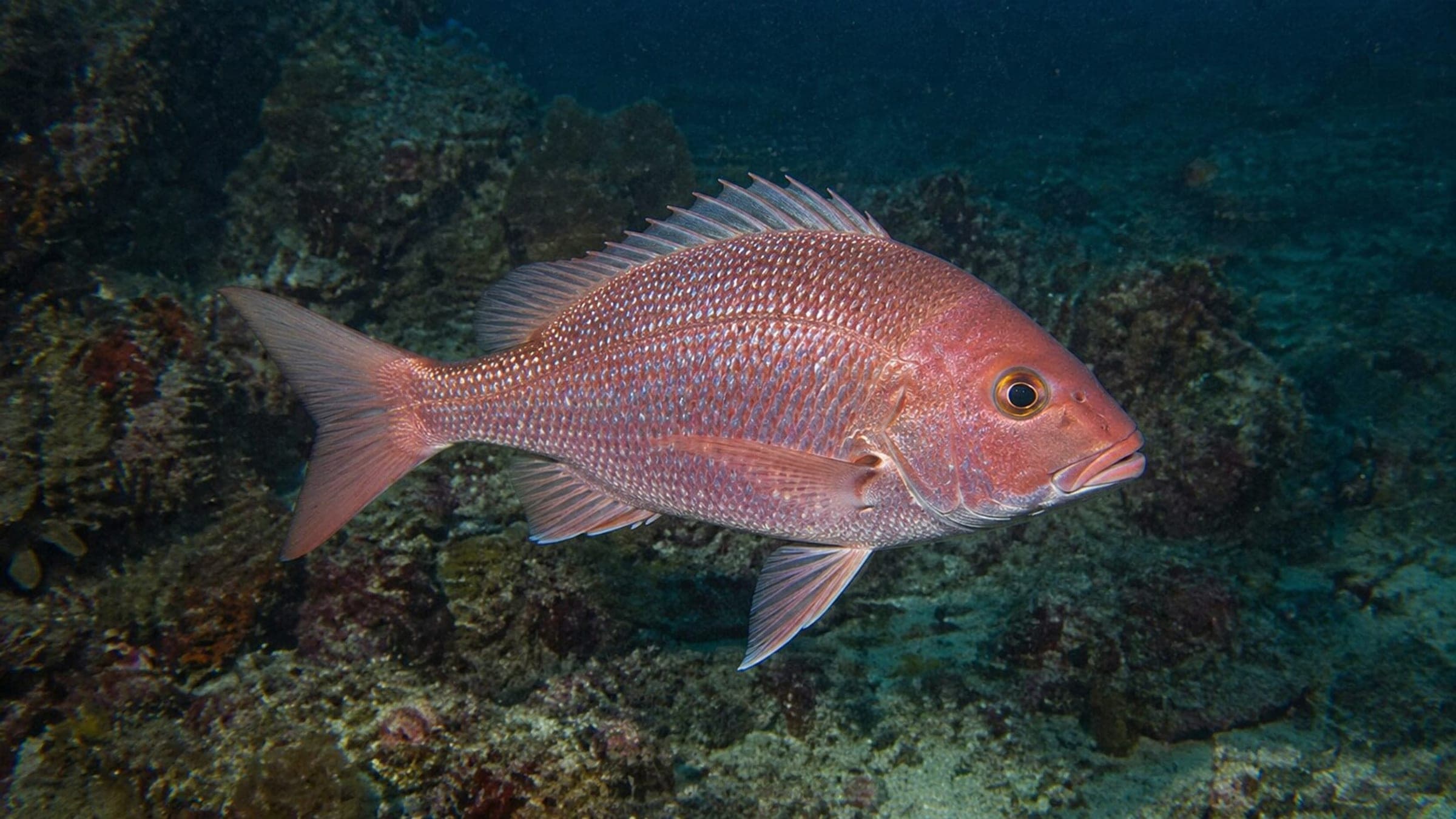
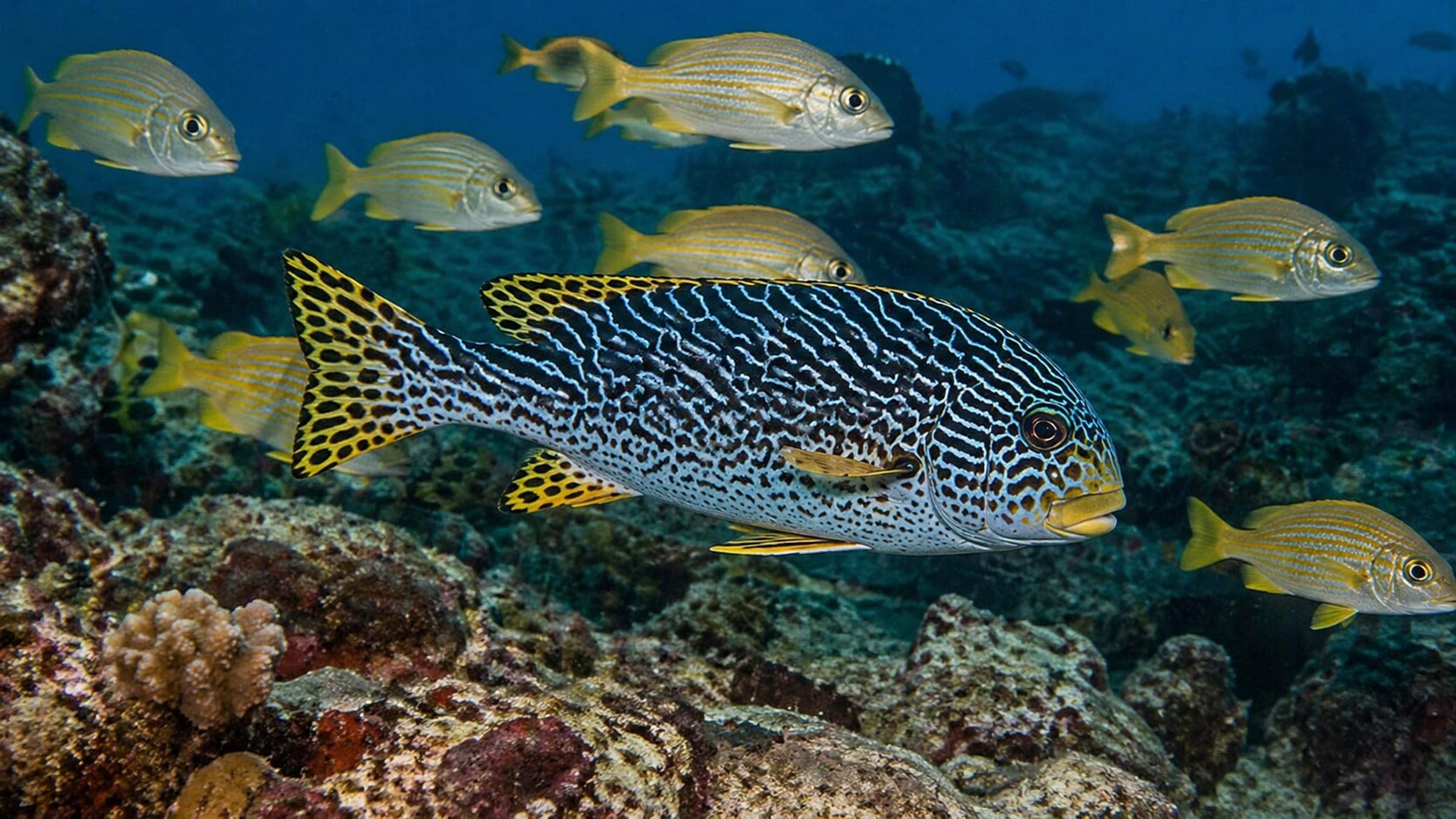
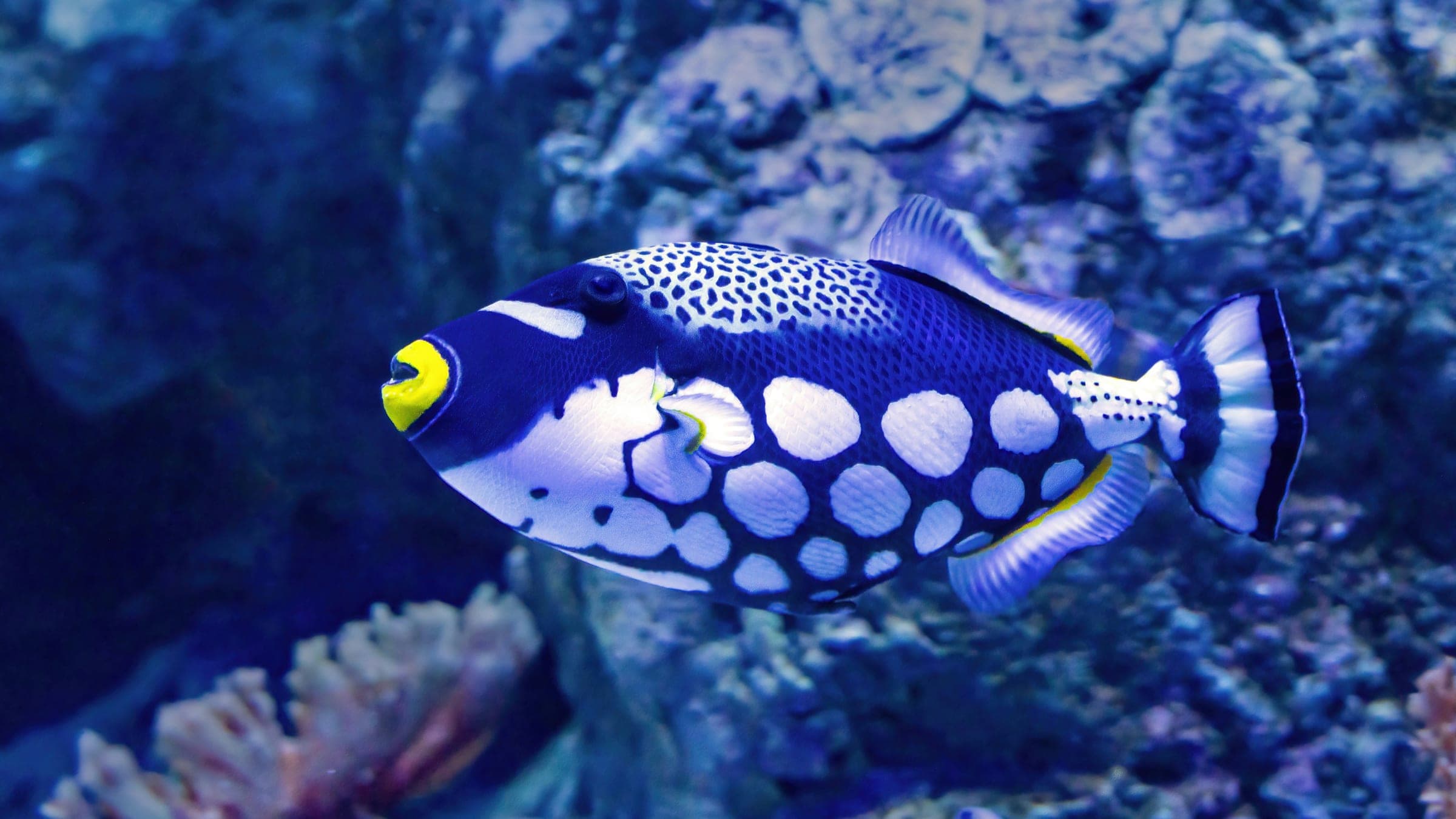
Inchkeith Wreck is a Havelock wreck dive where the SS Inchkeith rests near Duncan Island and rewards slow, careful passes over a shallow-to-mid-depth structure. The site is known for low visibility, a clear bow-to-stern layout, and plenty of fish life and coral growth around the hull and stern propeller. It is a boat dive for certified divers, and a torch plus steady buoyancy make the wreck easier to read.
Conservative baseline from public research. No community dives logged yet.
Depth range, seasonality, and planning context.
Reported Depth
6m - 22m
Depth Note
Published guides place the wreck from about 6 m down to 18-22 m, with the most readable structure around the stern at roughly 18 m.
Best Season
Late October to early April.
Typical Conditions
Low visibility is the main planning factor, with a shallow-to-mid wreck profile that rewards slow, guided passes and good buoyancy.
Site conditions, restrictions, and access requirements.
Site Conditions
Safety Notes
Use a torch, keep tight spacing in the low visibility, and avoid moving into the wreck without proper wreck and buoyancy control.
Access Restrictions
Boat access only through local dive centres; the site is normally reached as a guided wreck dive from Havelock.
Legal Notes
Check local operator requirements and weather before booking, because dive schools may tighten minimum experience levels when conditions worsen.
Community notes to help plan your visit.
Scuba Diving
Boat-accessed wreck with a simple profile and a readable stern-to-bow layout; the site suits slow navigation, torch use, and macro searching.
Freediving
Not a strong freedive target; the wreck profile and low visibility make it better for scuba training and guided fun dives.
Snorkeling
Not a snorkel-first site; the wreck is offshore and best appreciated underwater.
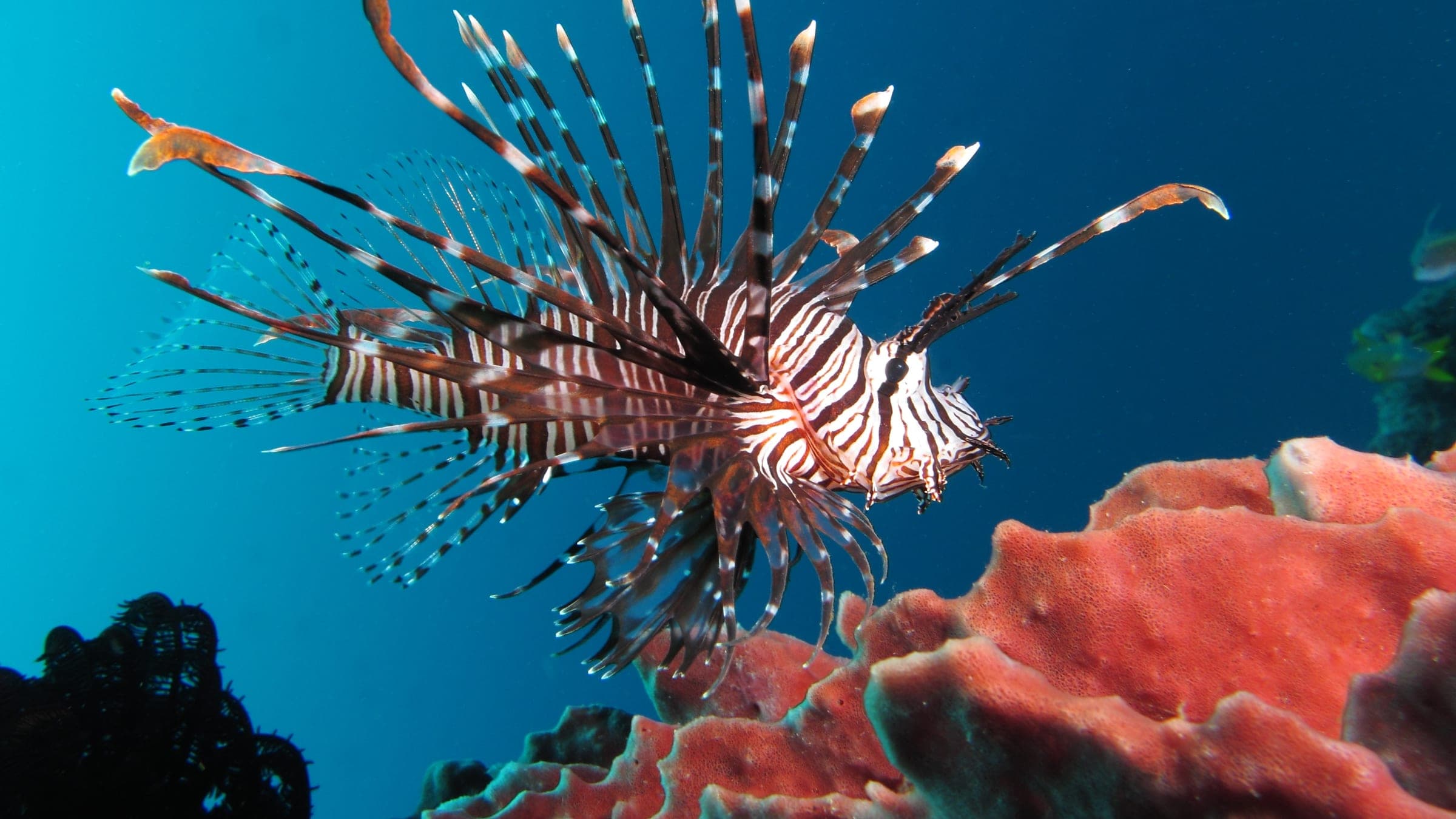
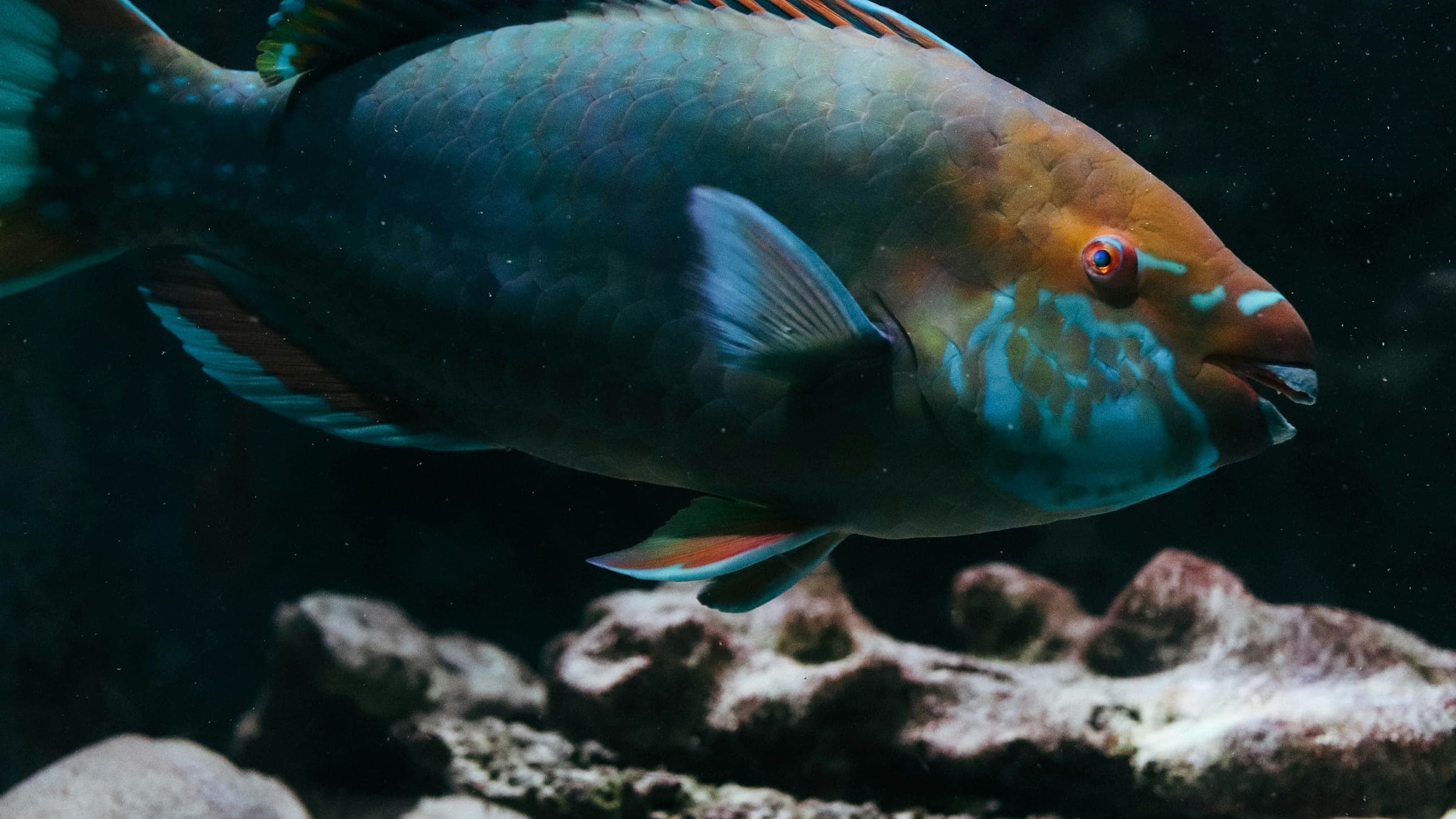
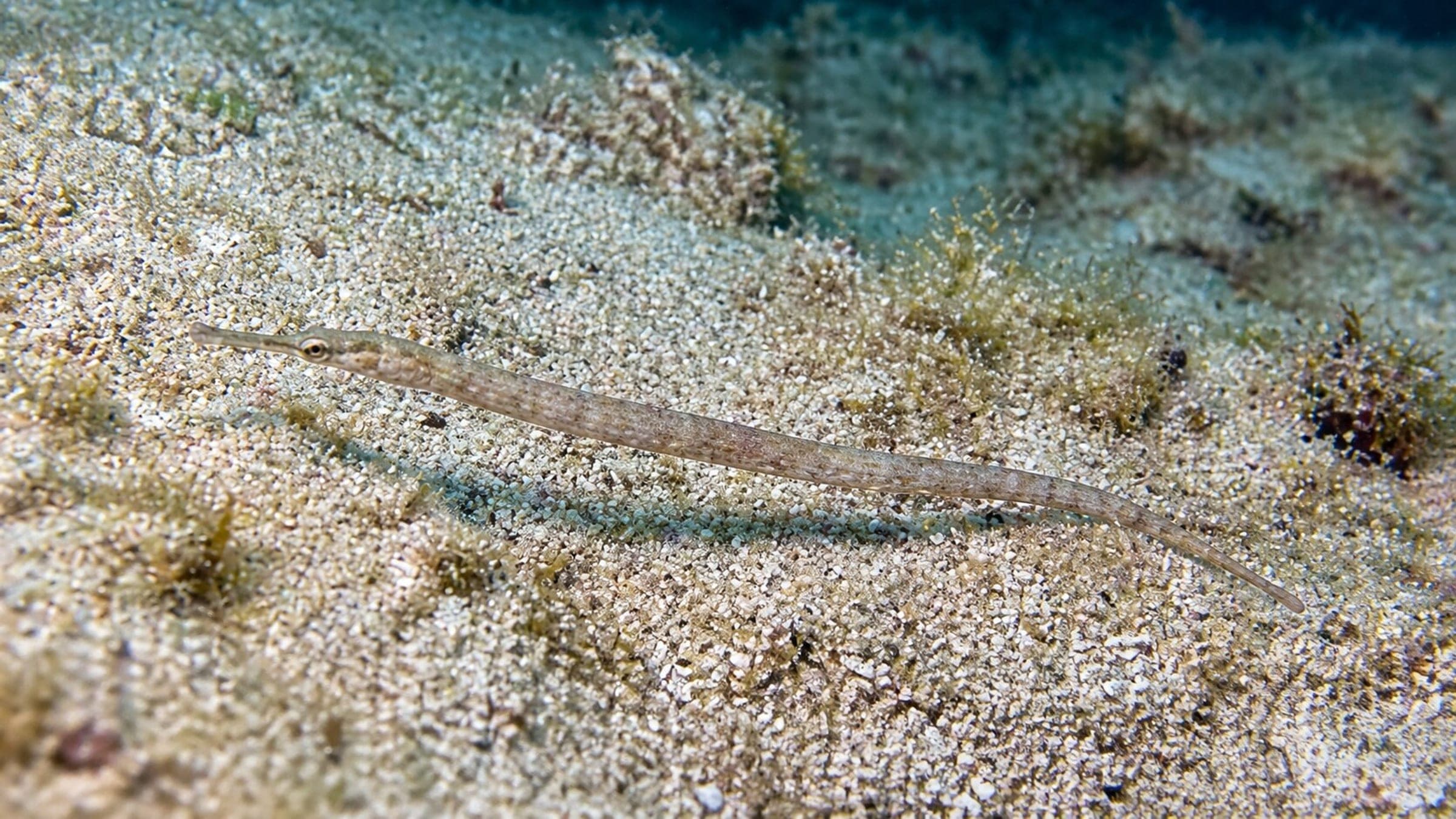
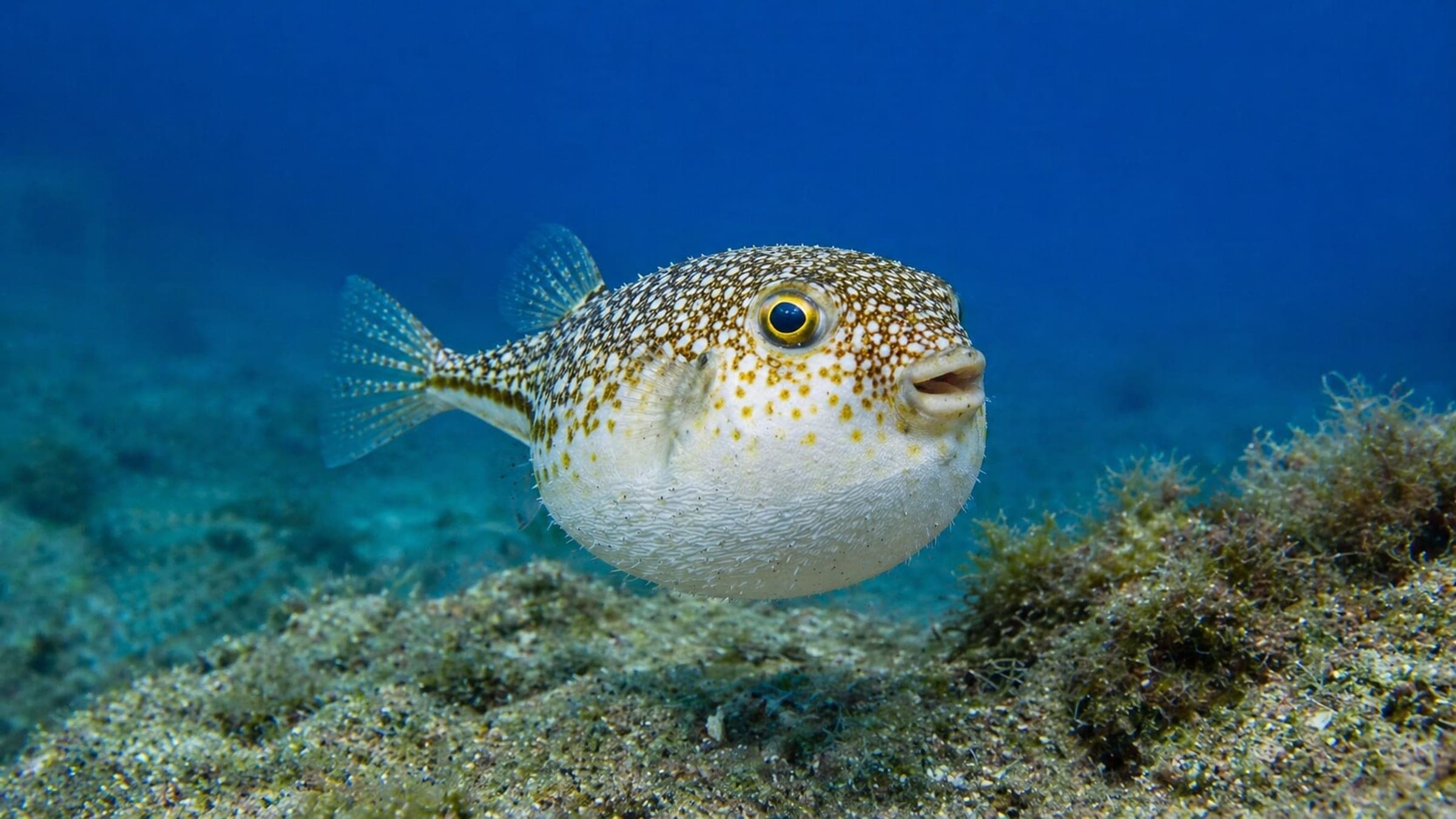
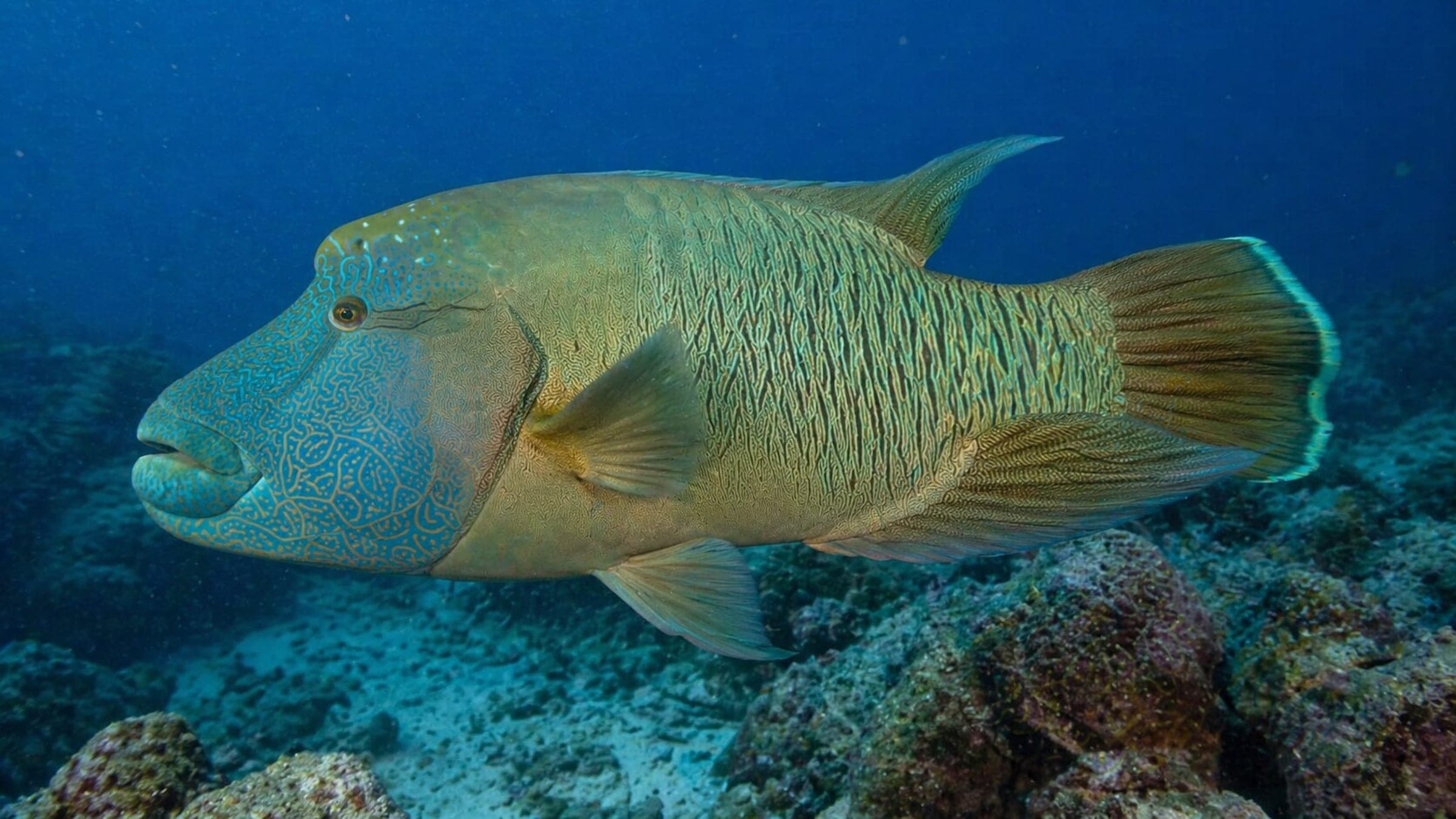
Species commonly reported at this site, with direct links into their wildlife guides.
Community dive logs and visit reports for this site.
Average conditions based on logged dives & visits.
Planning answers for access, conditions, timing, and site logistics.
Last Updated
Research Sources
Official tourism scuba map listing the wreck as a boat-access site off Duncan Island.
Detailed site page with entry, depth, visibility, training guidance, and species lists.
Independent dive guide with sea-season timing, approximate depth, and species coverage.
Know this site? Improve Spot Details.
Havelock wreck with a plain start and rich macro life.
Whitehouse Rock: Havelock seamount with coral slopes.
Beginner-friendly boat dive off Havelock Island.
Havelock reef dive with coral and sand.
Lighthouse is Havelock's signature reef for easy training dives.