divingfrontiers.com.au · Dive Guide
Independent Rottnest cave-site guide used to support boat access, surge context, and wildlife patterns on exposed reef routes.
Boat-dived limestone reef, caves, and wrecks off Rottnest Island.
Boat-dived limestone reef, caves, and wrecks off Rottnest Island.
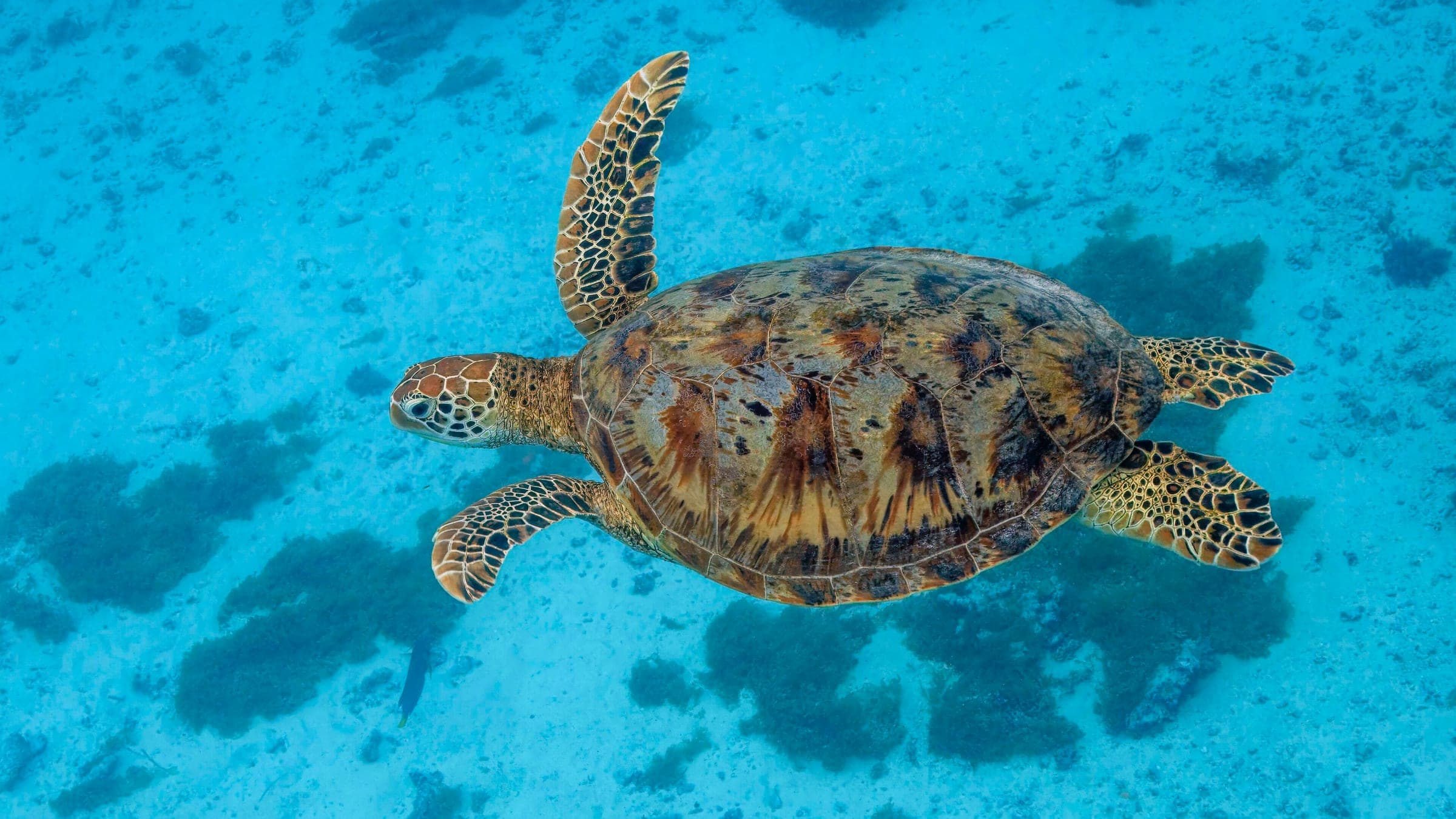
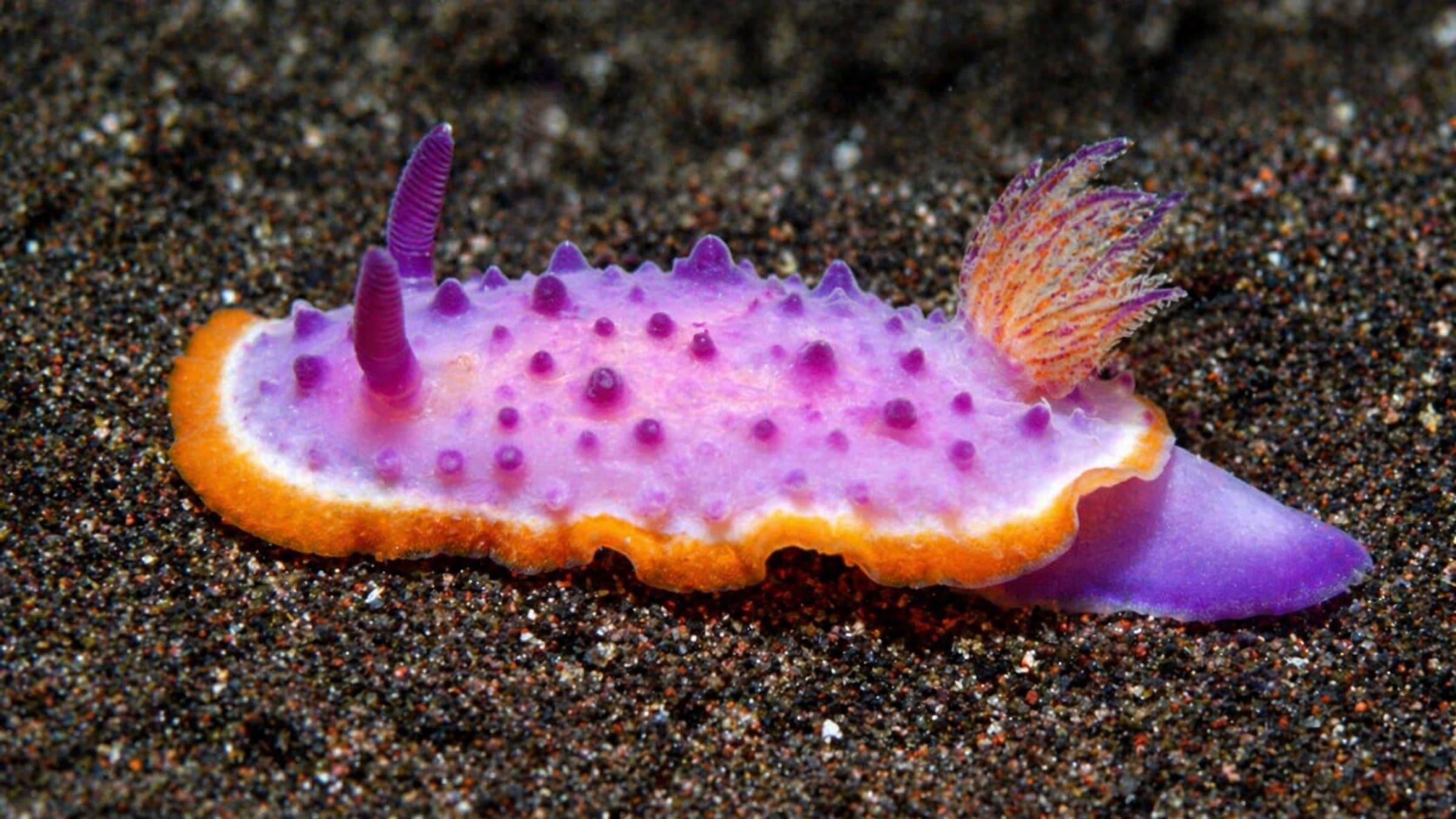
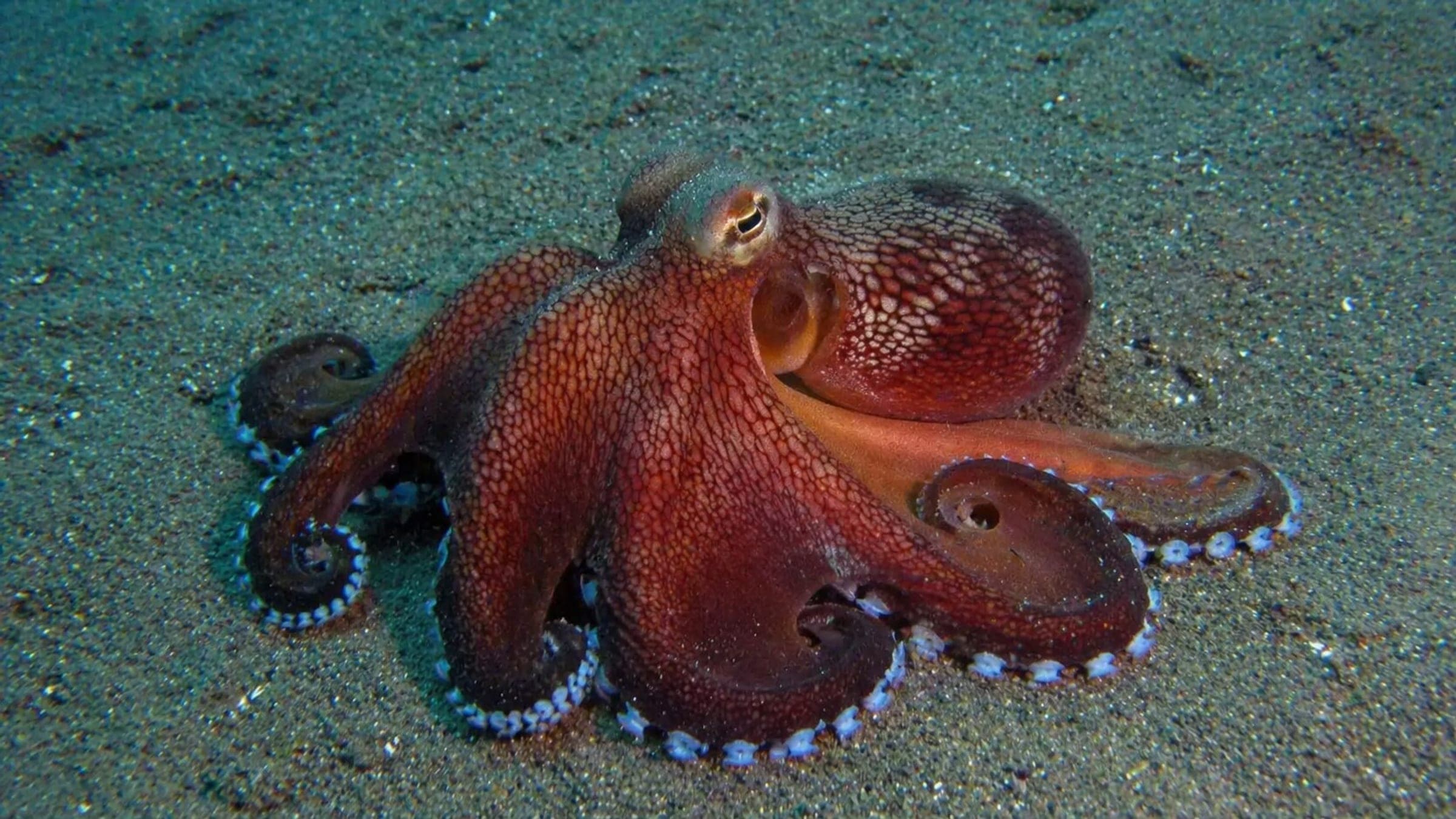
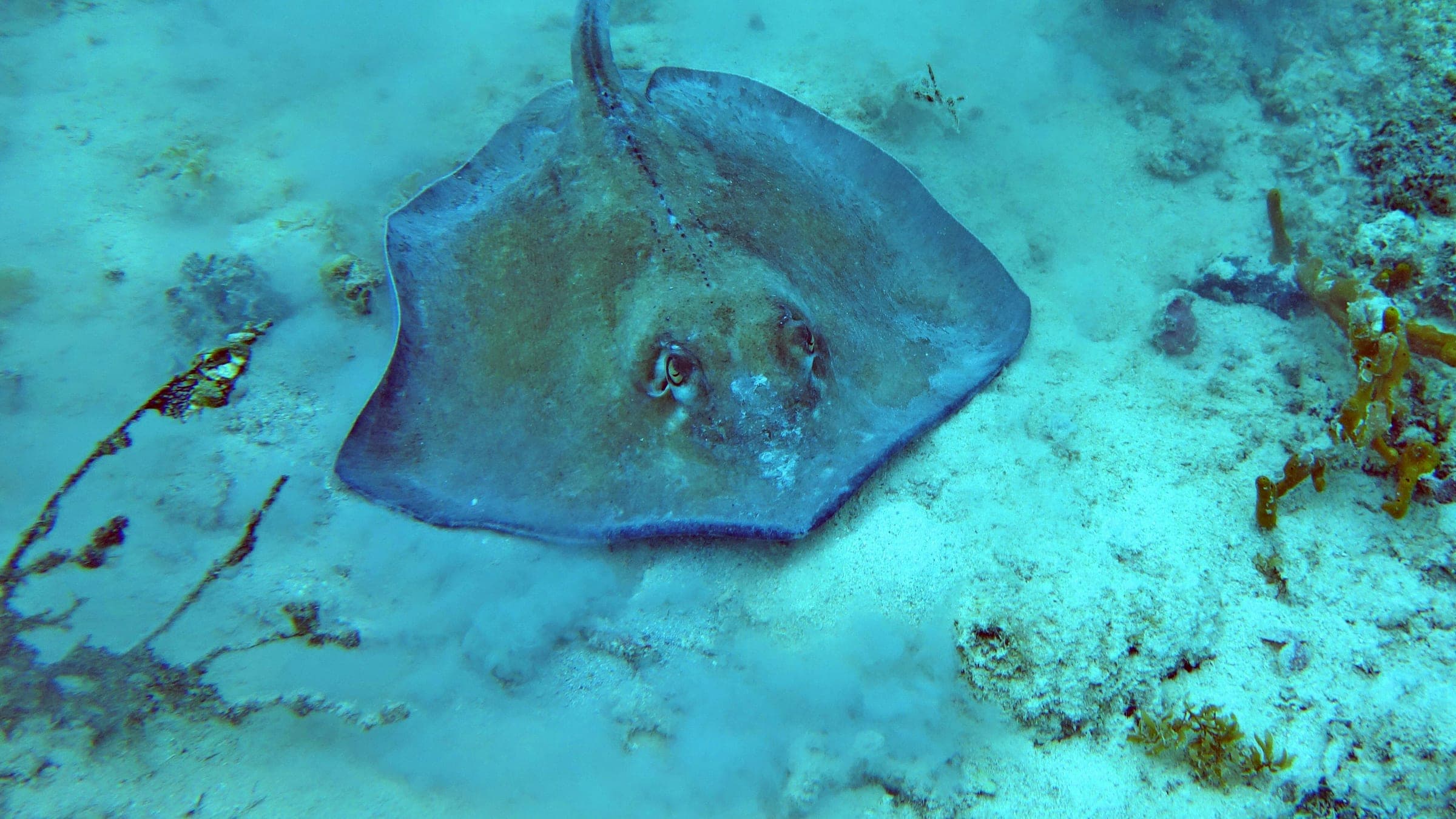
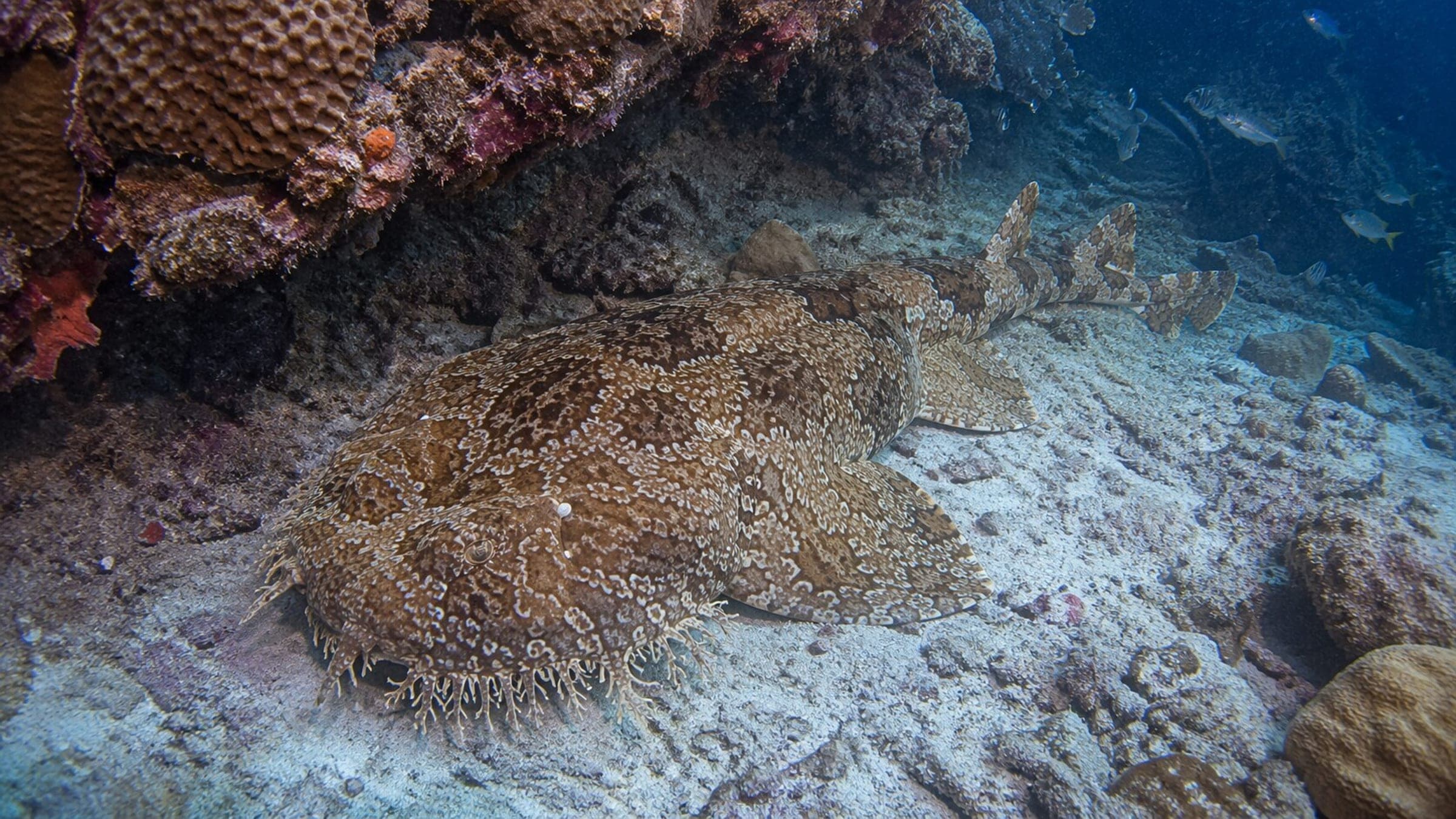
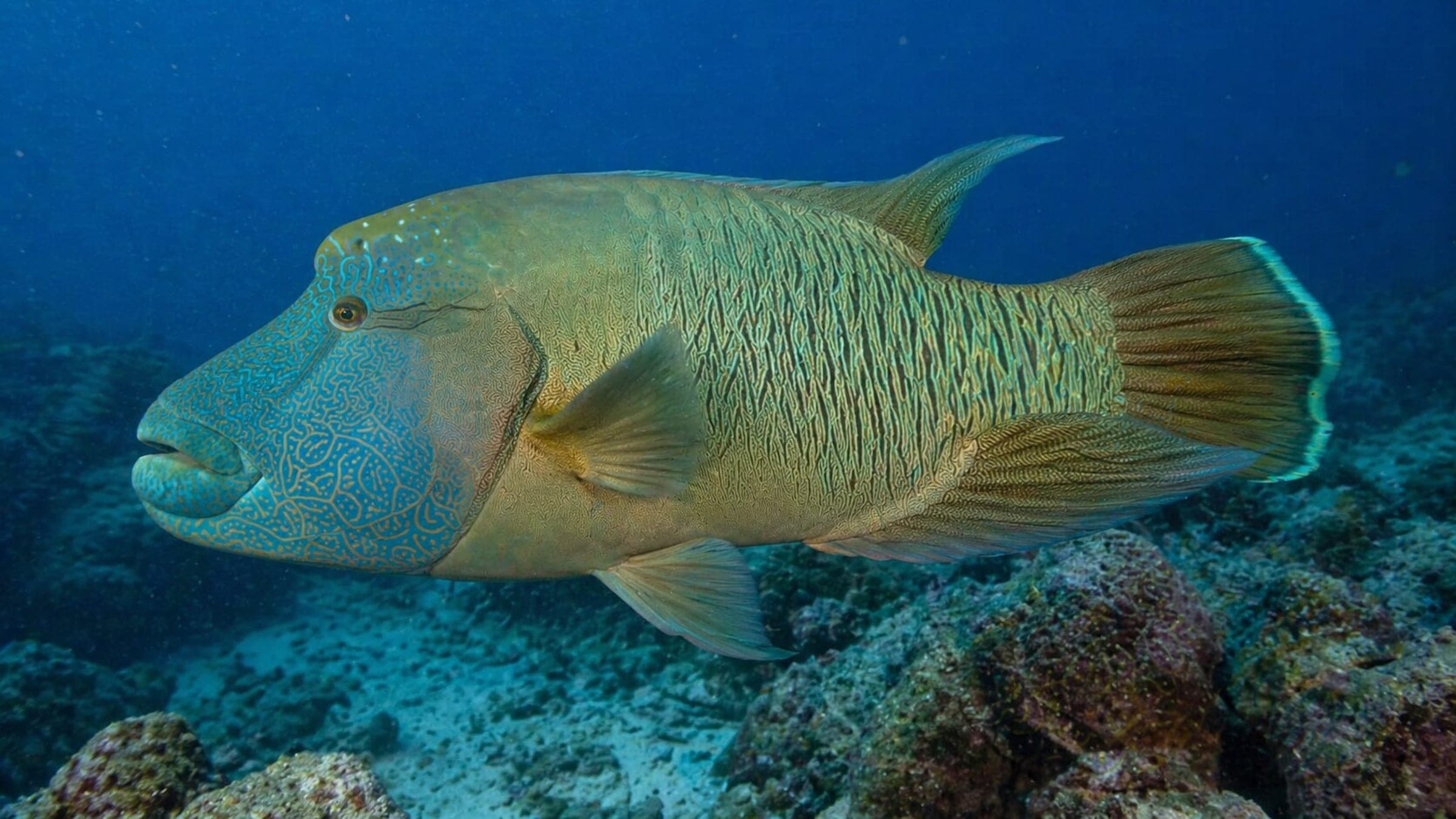
Rottnest Island is a temperate Indian Ocean dive destination where limestone reef, caves, swim-throughs, and historic wrecks sit in clear water around sheltered bays and more exposed outer reefs. Divers usually visit by boat to follow the day's wind and swell, with sanctuary-protected marine life, stingrays, turtles, nudibranchs, wobbegongs, and other reef fish shaping the experience.
Conservative baseline from public research. No community dives logged yet.
Depth range, seasonality, and planning context.
Reported Depth
9m - 18m
Depth Note
Public dive listings describe many Rottnest reef and cavern dives in roughly 9-18 m, with exact depth varying by site and route.
Best Season
Rottnest Island is dived year-round, with many divers favouring autumn for stable conditions and spring for clear water and active seasonal wildlife.
Typical Conditions
Clear water is common around sheltered bays, but outer reef and cave sites become more exposed when afternoon sea breeze or swell builds.
Site conditions, restrictions, and access requirements.
Site Conditions
Safety Notes
Plan site choice around wind, swell, and boat traffic, and treat caves or caverns as overhead environments suited to divers with solid buoyancy and buddy control. Tow or fly the international A flag and keep clear of mooring or vessel traffic areas.
Legal Notes
Marine sanctuary zones protect parts of Rottnest Island. Spearguns and handspears are not permitted in the marine reserve, and fishing or anchoring rules vary by sanctuary zone.
Community notes to help plan your visit.
Scuba Diving
Scuba routes typically focus on limestone reef, swim-throughs, caves, and wrecks chosen to match the day's conditions.
Species commonly reported at this site, with direct links into their wildlife guides.
Community dive logs and visit reports for this site.
Average conditions based on logged dives & visits.
Planning answers for access, conditions, timing, and site logistics.
Last Updated
Research Sources
Independent Rottnest cave-site guide used to support boat access, surge context, and wildlife patterns on exposed reef routes.
Official sanctuary overview with marine protection context, fish and coral counts, and zone restrictions.
Know this site? Improve Spot Details.
Boat dive with limestone caves off Parker Point.
Offshore limestone reef with caverns and fish.
Advanced boat dive with Shark Cave west of Rottnest.
Boat-only limestone cavern dive off Rottnest Island.
Shallow shore groyne with easy critter hunting.
Sheltered Swan River shore dive for macro and night life.