Coloration
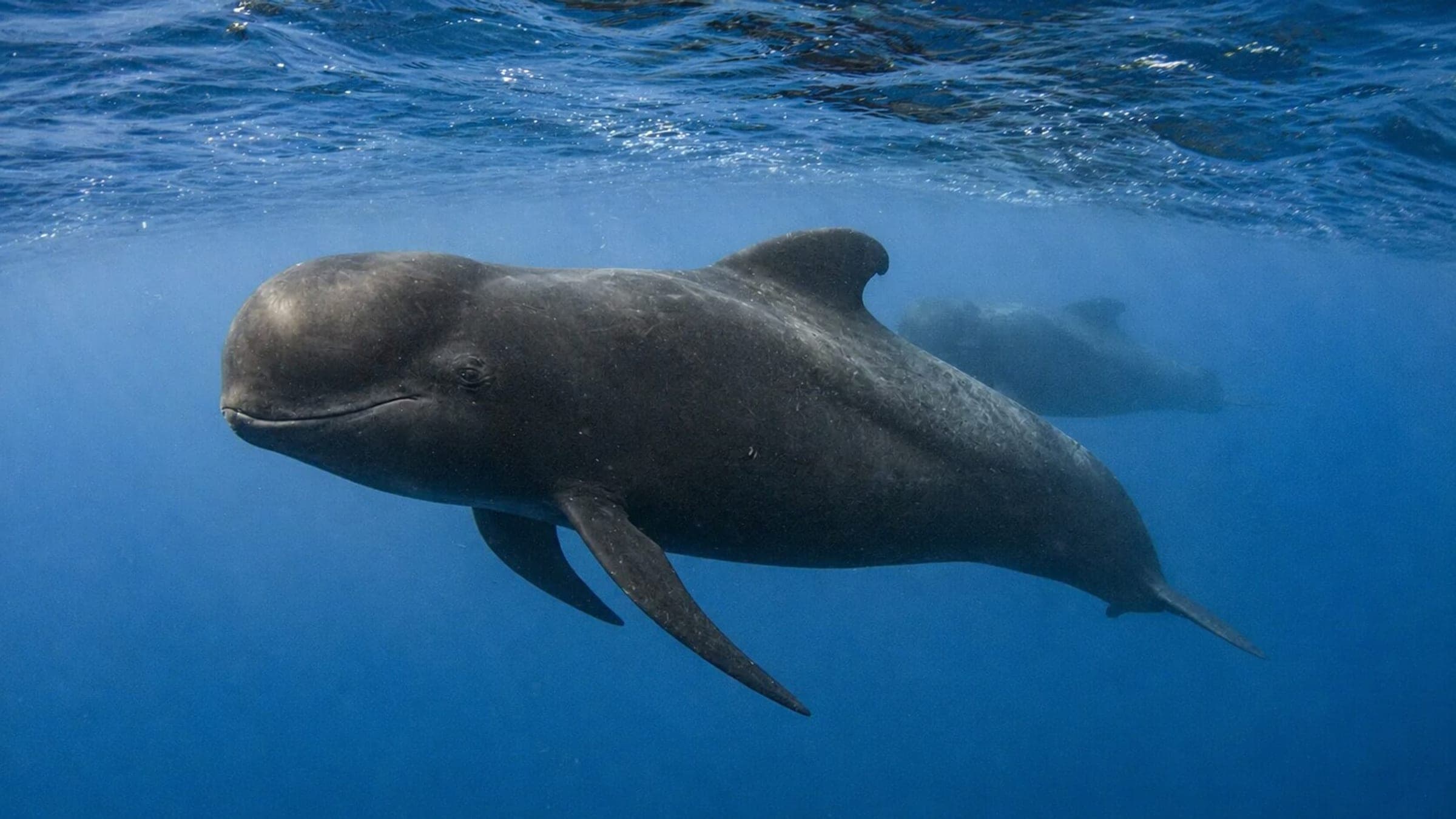
Distinct black-on-top and white-on-bottom pigmentation with recognizable white eye patches.
Orcinus orca
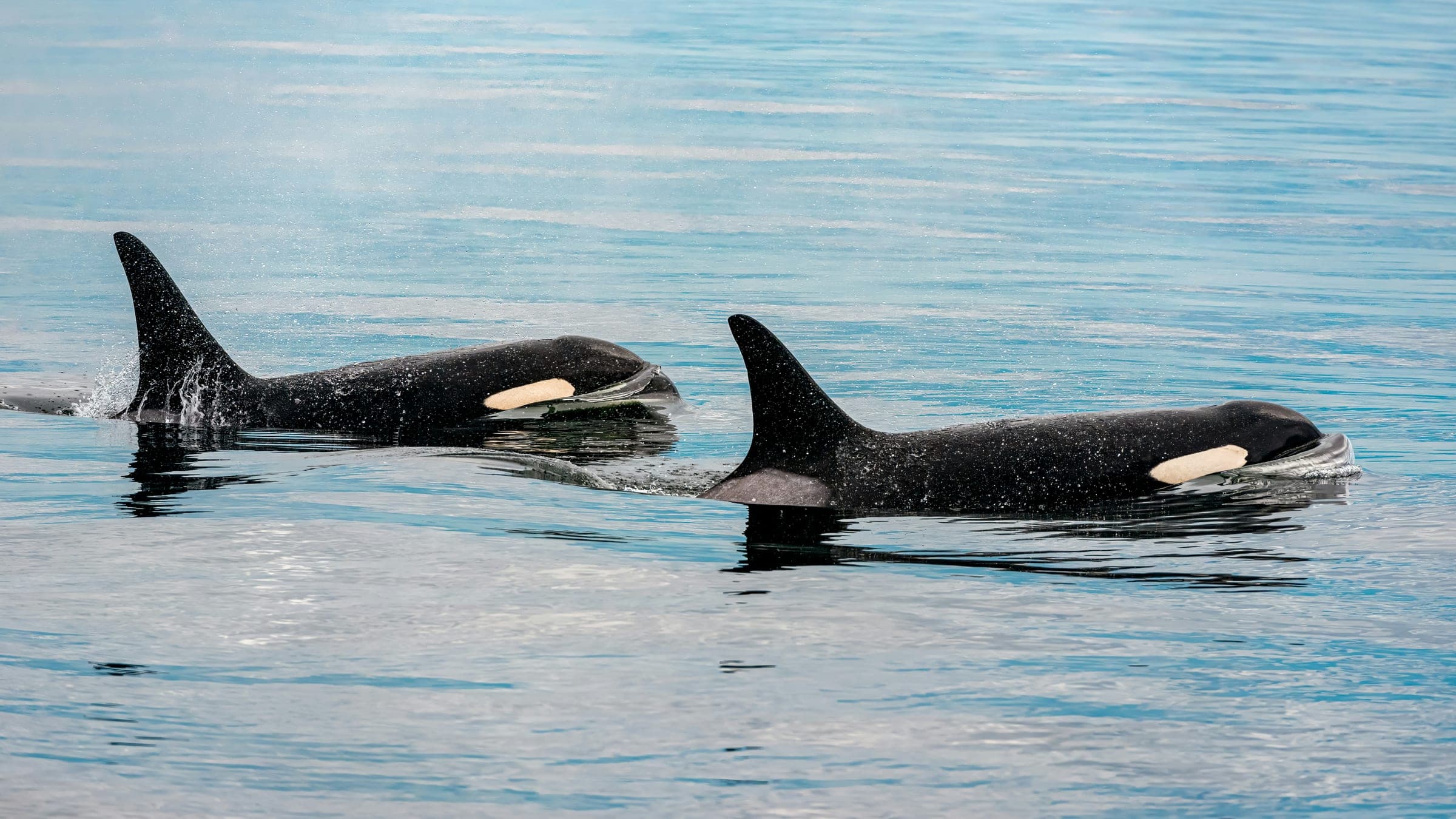
The orca (killer whale) is a cosmopolitan, toothed whale and the largest member of the oceanic dolphin family, recognizable by black-and-white pigmentation and white eye patches.
Species Guide
A clean field guide focused on habitat, identification, behavior, and conservation context without burying the useful parts.
The orca (Orcinus orca), or killer whale, is a toothed whale and the largest member of the oceanic dolphin family. It is recognizable by its distinct pigmentation: mostly black on top, white on the bottom, and with white eye patches. A cosmopolitan species, orcas inhabit a wide range of marine environments from Arctic to Antarctic regions and tropical seas, and are more commonly documented in temperate or cooler coastal waters. Scientists have proposed dividing the global population into races, subspecies, or possibly even separate species. Orcas are apex predators with a diverse diet; individual populations often specialize on particular prey types. They are highly social, with some populations forming stable matrilineal family groups (pods). Orcas employ sophisticated hunting techniques and vocal behaviors that can be unique to specific groups and passed down through generations—traits considered manifestations of animal culture.
The global assessment is Data Deficient because multiple orca types may represent distinct species; some local populations are threatened or endangered due to prey depletion, habitat loss, pollution (PCBs), captures for marine parks, and fisheries conflicts.
Orcas are cosmopolitan, inhabiting a wide range of marine environments from Arctic to Antarctic regions and tropical seas, and are more commonly documented in temperate or cooler coastal waters.
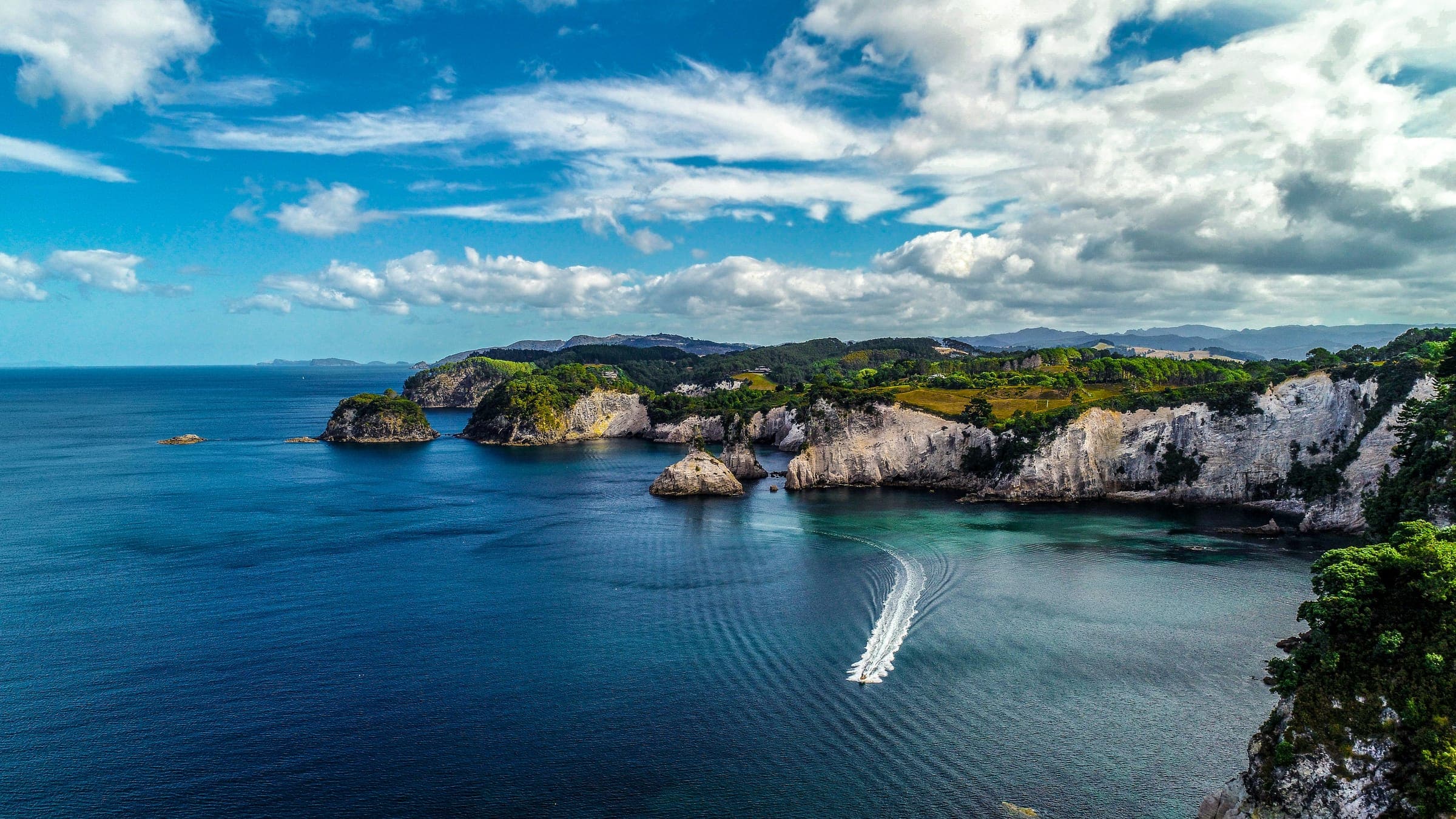
The strongest linked planning options currently surface around destinations such as Mercury Islands (Coromandel Peninsula), Berlin and Brandenburg Lakes (Straussee, Stechlinsee and Werbellinsee), Hurghada (Giftun and Abu Nuhas) and countries such as New Zealand, Germany, Argentina for divers building trips around killer whale (orca)s.
Last Updated Mar 9, 2026 · 2 sources
Identification
The visual markers divers can use underwater, plus the species most likely to cause confusion.
Distinct black-on-top and white-on-bottom pigmentation with recognizable white eye patches.
A toothed whale and the largest member of the oceanic dolphin family.
Range and Movement
The broad range, seasonal movement, or migratory behavior that shapes where divers encounter this species.
Orcas are cosmopolitan, inhabiting a wide range of marine environments from Arctic to Antarctic regions and tropical seas, and are more commonly documented in temperate or cooler coastal waters.
Diet
Useful feeding context that often explains habitat, movement, and encounter style.
Orcas are apex predators with a diverse diet; individual populations often specialize on particular prey types, including bony fish, sharks, rays, and marine mammals such as seals, dolphins, and whales.
Conservation
Status, pressure, and protection context grounded in cited sources rather than filler.
The global assessment is Data Deficient because multiple orca types may represent distinct species; some local populations are threatened or endangered due to prey depletion, habitat loss, pollution (PCBs), captures for marine parks, and fisheries conflicts.
Local populations are threatened by reductions in preferred prey species.
Habitat loss is listed as a threat to some local populations.
Pollution, specifically by PCBs, is cited as a threat to some populations.
Captures of orcas for display in marine parks have been a historical and ongoing threat.
Conflicts with fisheries are noted as a threat to some local populations.
The southern resident orcas were added to the U.S. Endangered Species list in late 2005.
Responsible Encounters
Conservation-minded guidance for divers who want the encounter without adding pressure.
Give killer whale (orca) space, avoid blocking the animal's path, and follow local site and operator rules for wildlife interactions with whales.
Field Notes
Useful species context that makes the encounter more meaningful once you are underwater.
Orcas exhibit hunting techniques and vocal behaviors that can be unique to groups and passed down across generations, considered manifestations of animal culture.
Orcas have been revered by indigenous peoples and historically feared by Western cultures; their public image changed in the 1960s with increased study and display in captivity.
No fatal attack has been recorded in the wild, but captive orcas have injured or killed their handlers in marine theme parks.
Top Destinations
Destinations surfaced from the linked dive spots associated with this species.
Top Countries
The strongest country-level starting points currently linked to this species.
Top Dive Spots
Directly linked dive spots where this species already shows up in the planning data.
Boat dive with a wall, pinnacle, and rich fish life.
Summer lido with shallow freshwater swimming and a marked thermocline.
Berlin-area freshwater lake with good visibility and abundant fish.
Protected sea-lion reserve off Puerto Madryn
Great Mercury Islands bay dive with kelp reef and fish life.
Seasonal drift-ice scuba region on the Hokkaido Okhotsk coast.
FAQ
Clear planning and conservation answers written for search visibility and AI retrieval.
Research Sources
Primary and credible references behind the field-guide and conservation claims on this page.
Primary wildlife guide source.
Taxonomy reference.
Related Species
Related species guides in the same encounter family.