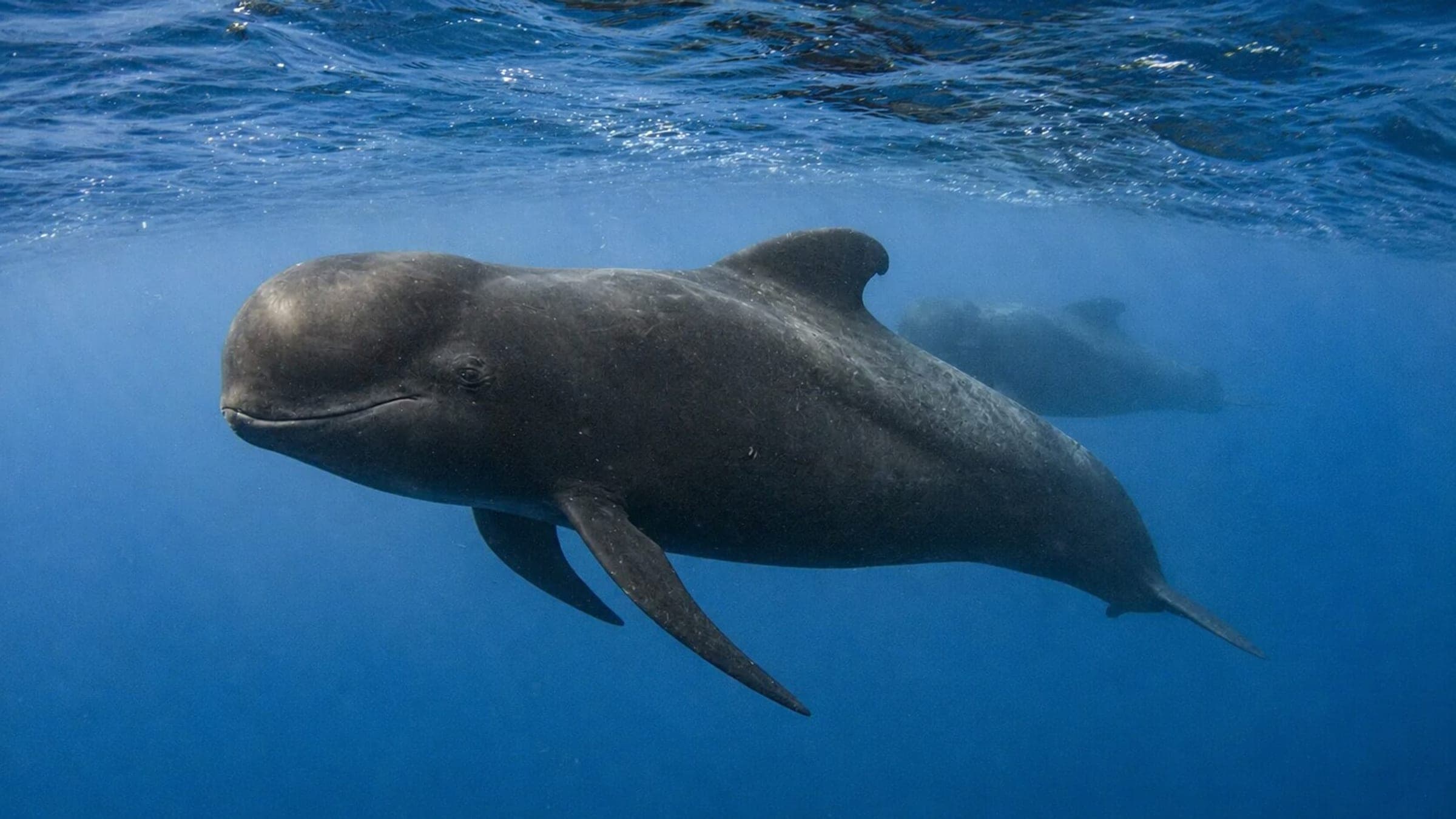
Baleen whale
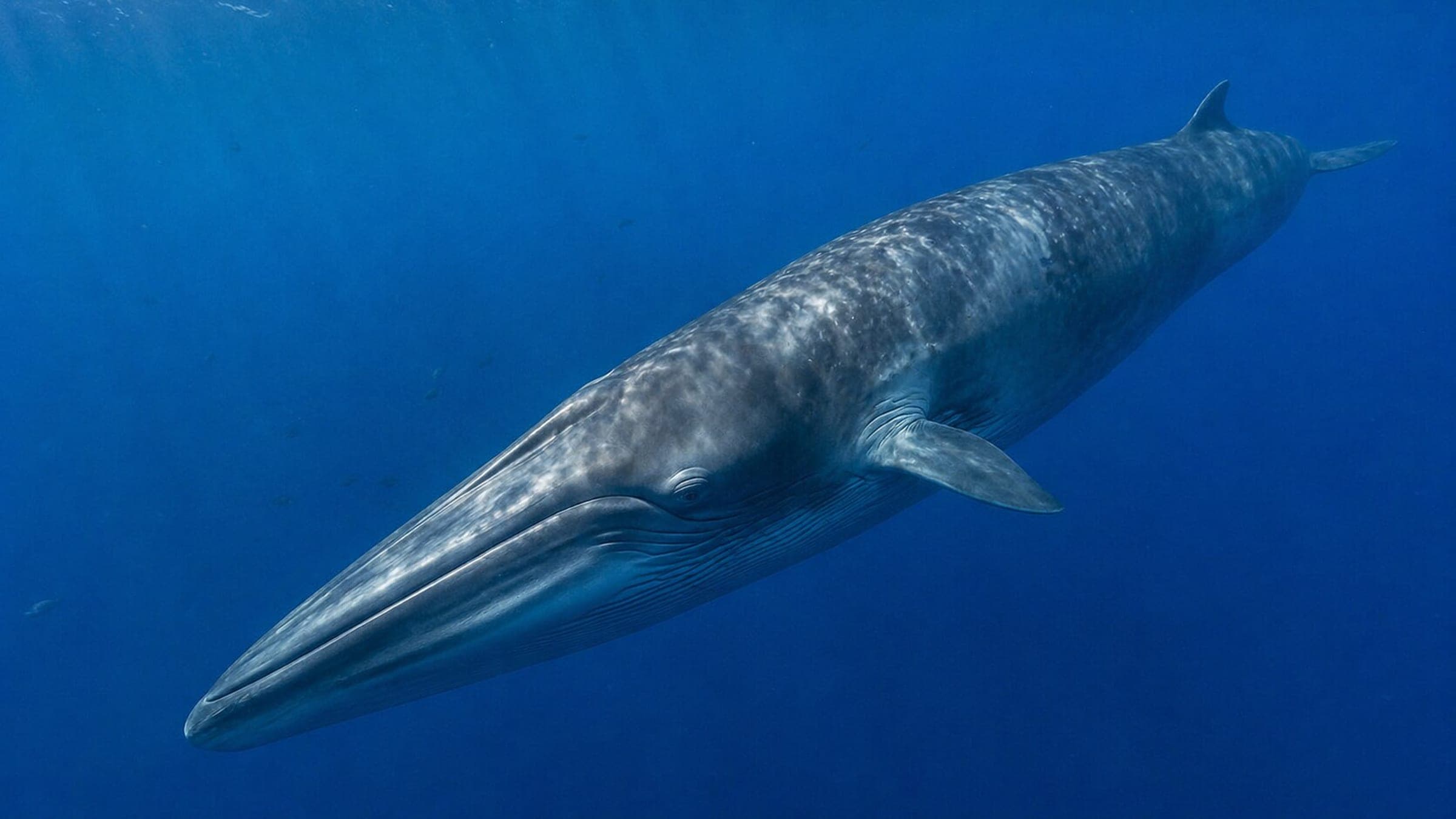
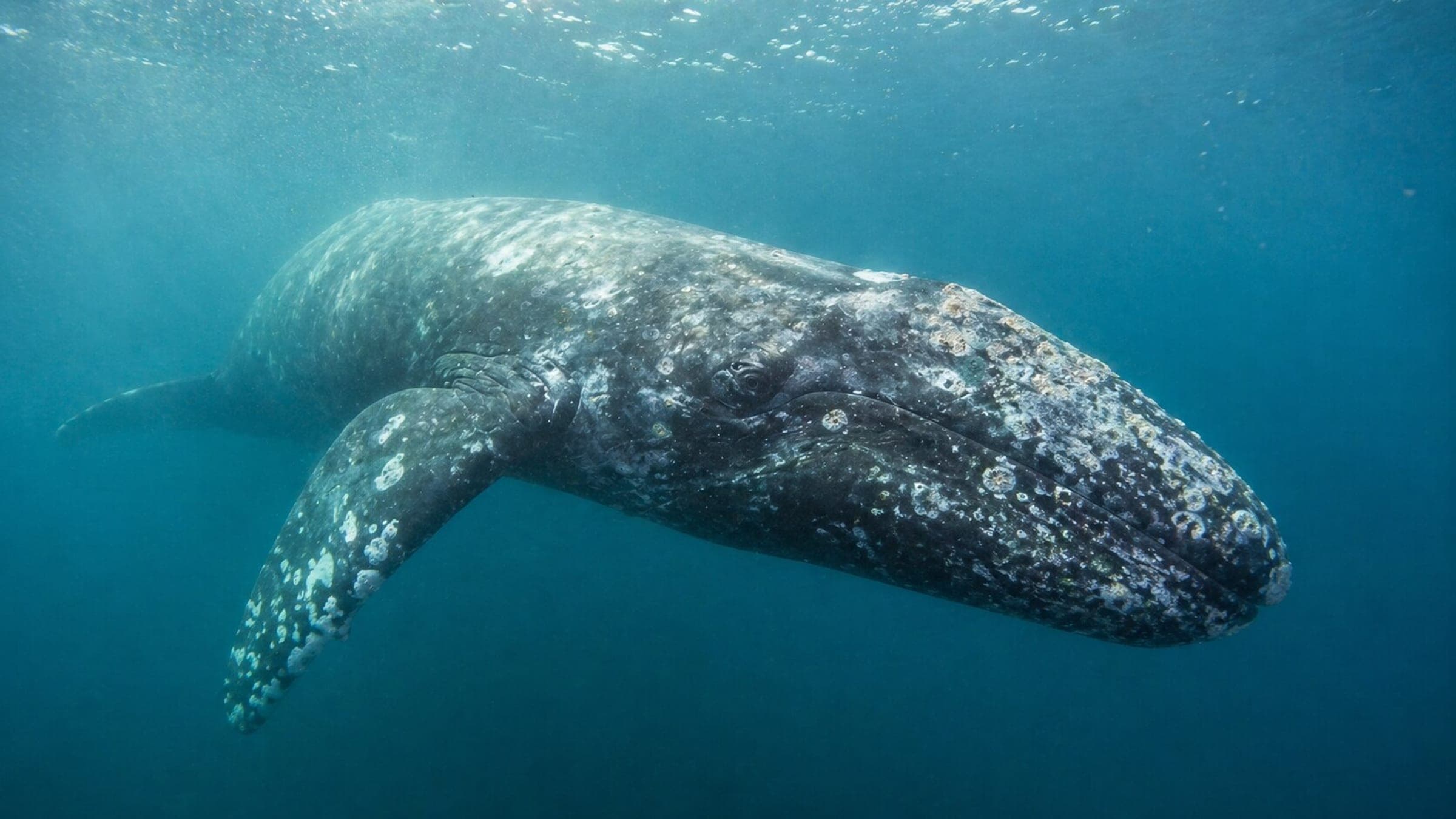
Minke whales are baleen whales (filter-feeding whales) and are classified among the rorquals.
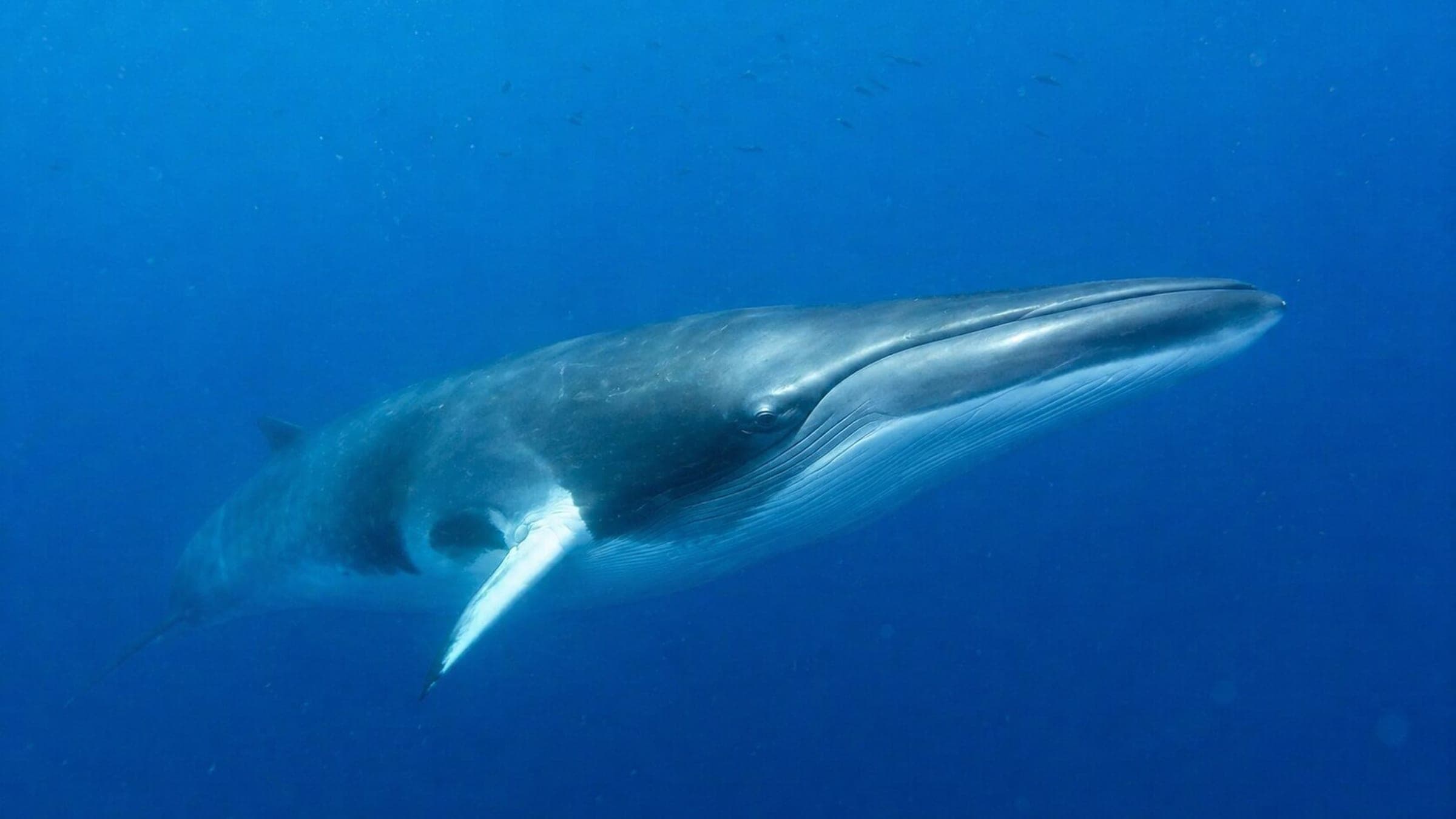
The minke whale is a species complex of baleen whale that includes northern and southern forms.
Species Guide
A clean field guide focused on habitat, identification, behavior, and conservation context without burying the useful parts.
The minke whale is a species complex of baleen whale, commonly called the lesser rorqual. It comprises two recognized species or forms: the northern (common) minke whale and the southern (Antarctic) minke whale. The animals were first described in the scientific literature in the late 18th and early 19th centuries; Otto Fabricius described a specimen in 1780 and Bernard Germain de Lacépède described a juvenile in 1804. The common English name derives from the Norwegian minkehval and may reference a Norwegian whaler, Meincke, who once mistook a northern minke whale for a blue whale.
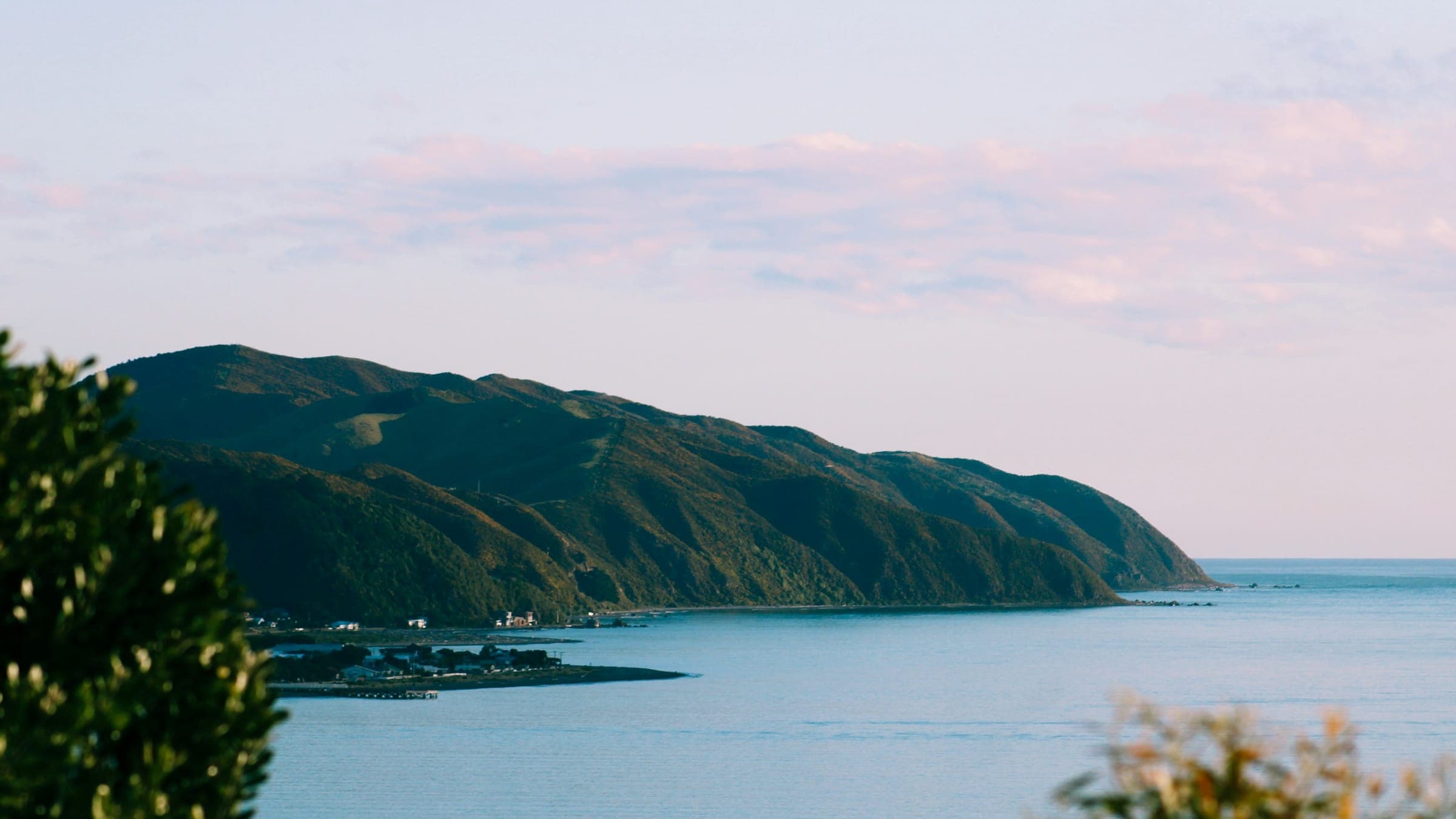
The strongest linked planning options currently surface around destinations such as St Abbs and Eyemouth, Townsville, Wellington and countries such as Canada, Japan, New Zealand for divers building trips around minke whales.
Identification
The visual markers divers can use underwater, plus the species most likely to cause confusion.
Minke whales are baleen whales (filter-feeding whales) and are classified among the rorquals.
They are commonly referred to as lesser rorquals, distinguishing them from larger rorqual species.
Last Updated Mar 9, 2026 · 2 sources
Historical accounts note a northern minke whale was once mistaken for a blue whale, which influenced the common name.
Responsible Encounters
Conservation-minded guidance for divers who want the encounter without adding pressure.
Give minke whale space, avoid blocking the animal's path, and follow local site and operator rules for wildlife interactions with whales.
Field Notes
Useful species context that makes the encounter more meaningful once you are underwater.
The name 'minke' likely comes from Norwegian minkehval and may reference a whaler named Meincke.
Otto Fabricius described a specimen in 1780 and Bernard Germain de Lacépède described a juvenile specimen in 1804.
Top Destinations
Destinations surfaced from the linked dive spots associated with this species.
Top Countries
The strongest country-level starting points currently linked to this species.
Top Dive Spots
Directly linked dive spots where this species already shows up in the planning data.
Cold-water shore dive at Crique Ouest
Boat charter diving from Eyemouth into St Abbs.
Wellington wreck dive near Island Bay.
Shallow beginner dive off Monkey Island.
Sheltered cold-water anemone bay with easy shore access
Seasonal drift-ice scuba region on the Hokkaido Okhotsk coast.
FAQ
Clear planning and conservation answers written for search visibility and AI retrieval.
Research Sources
Primary and credible references behind the field-guide and conservation claims on this page.
Primary wildlife guide source.
Supporting wildlife source.
Related Species
Related species guides in the same encounter family.