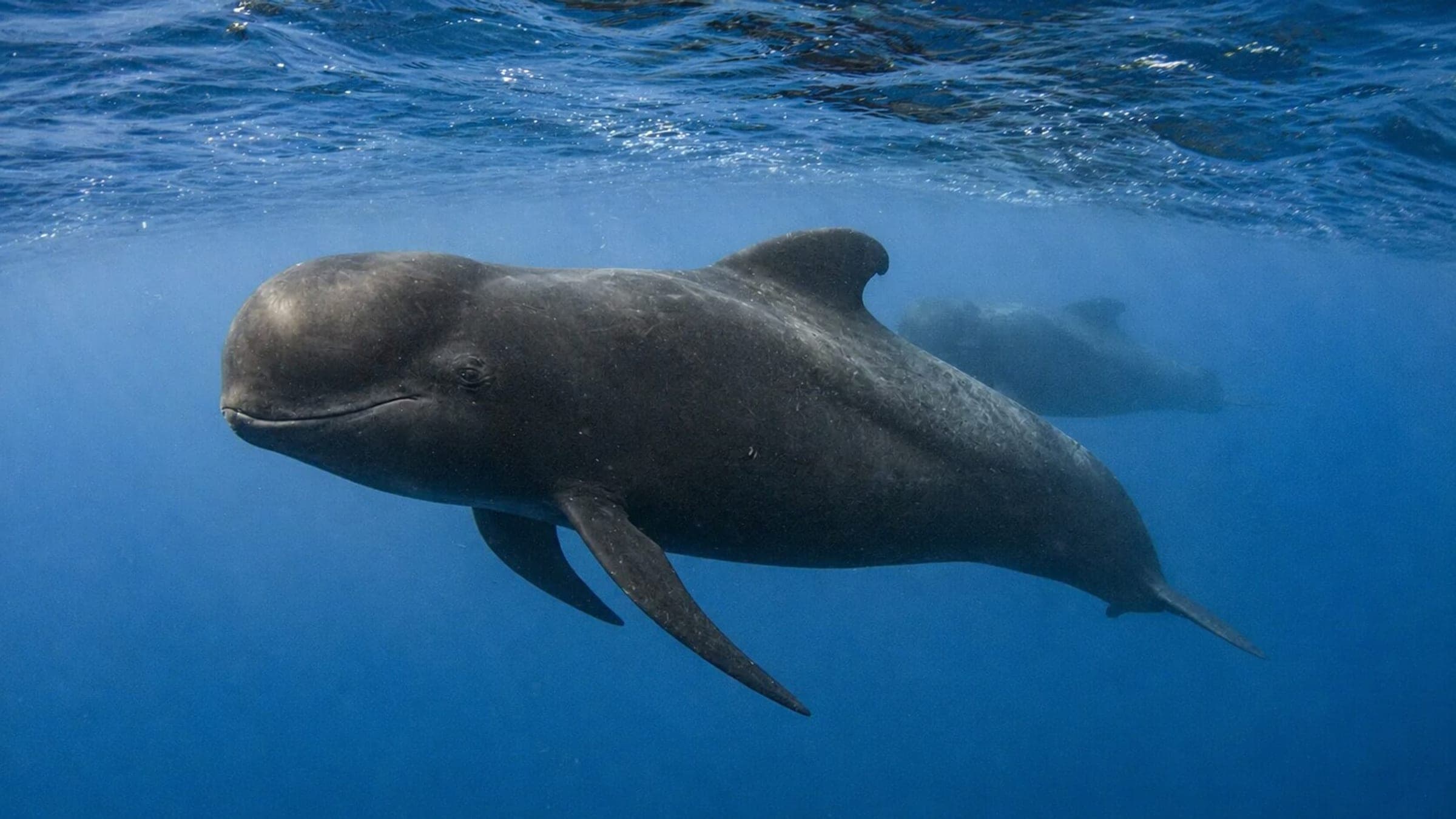
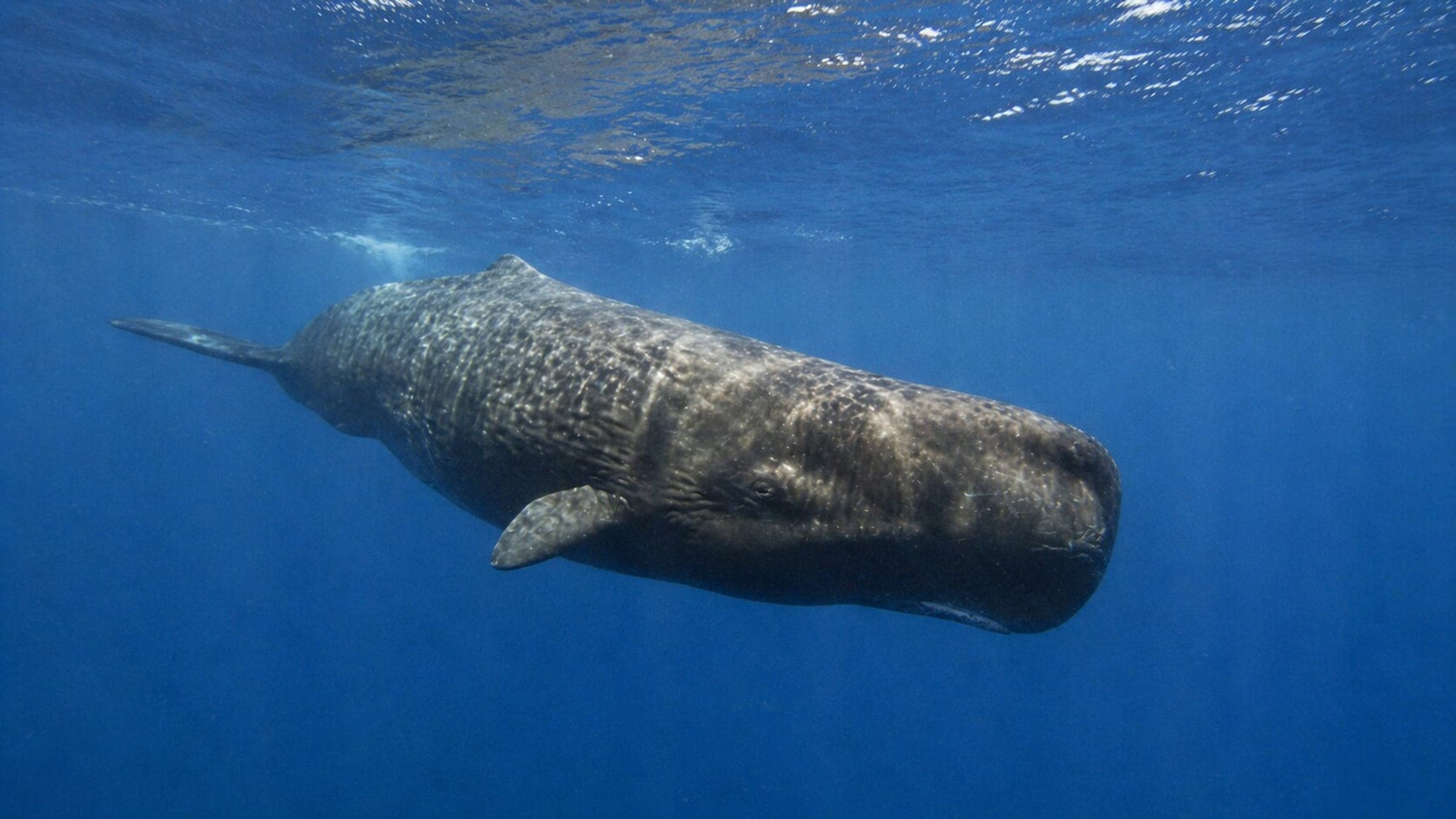
Baleen versus toothed whales
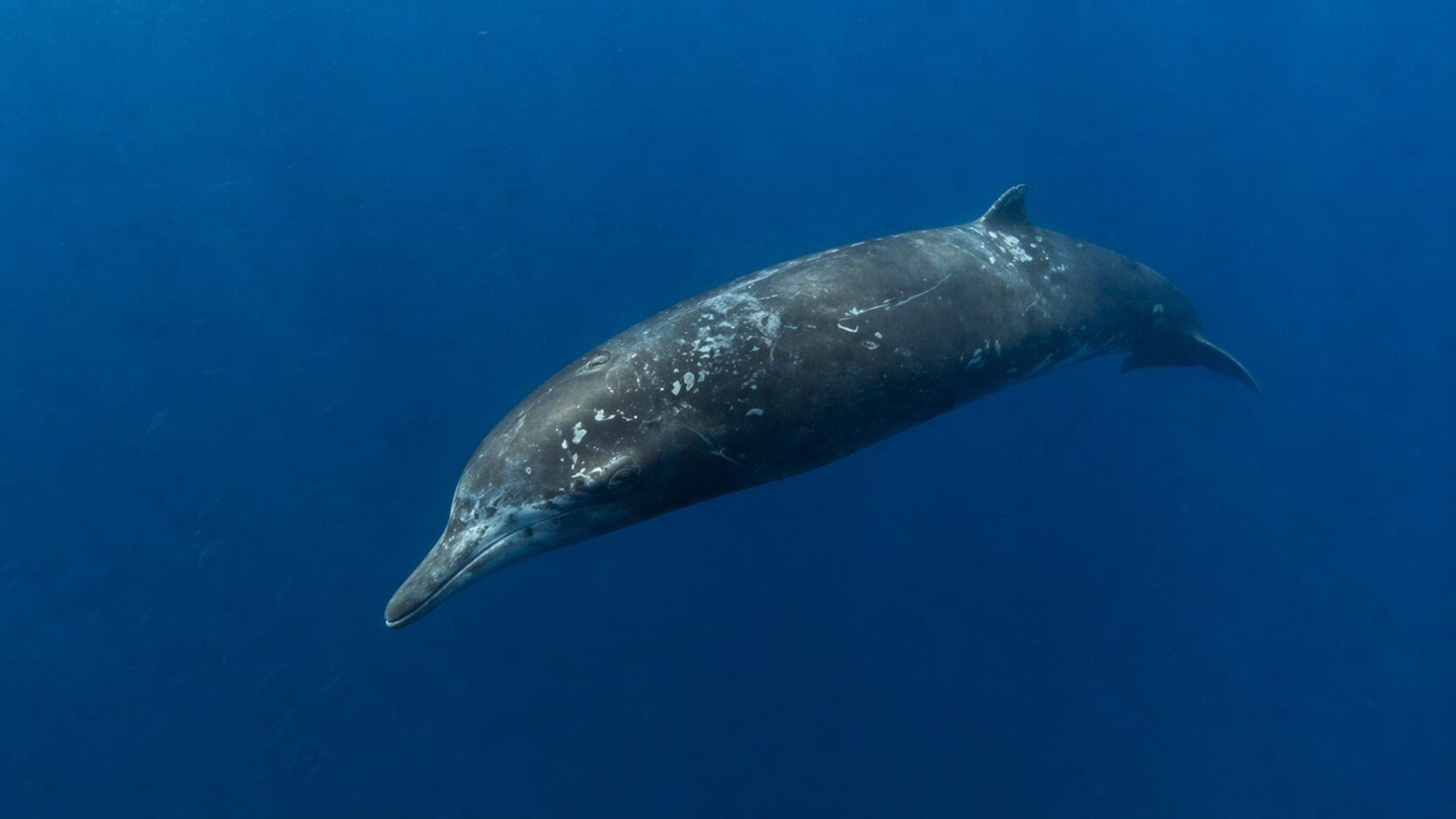
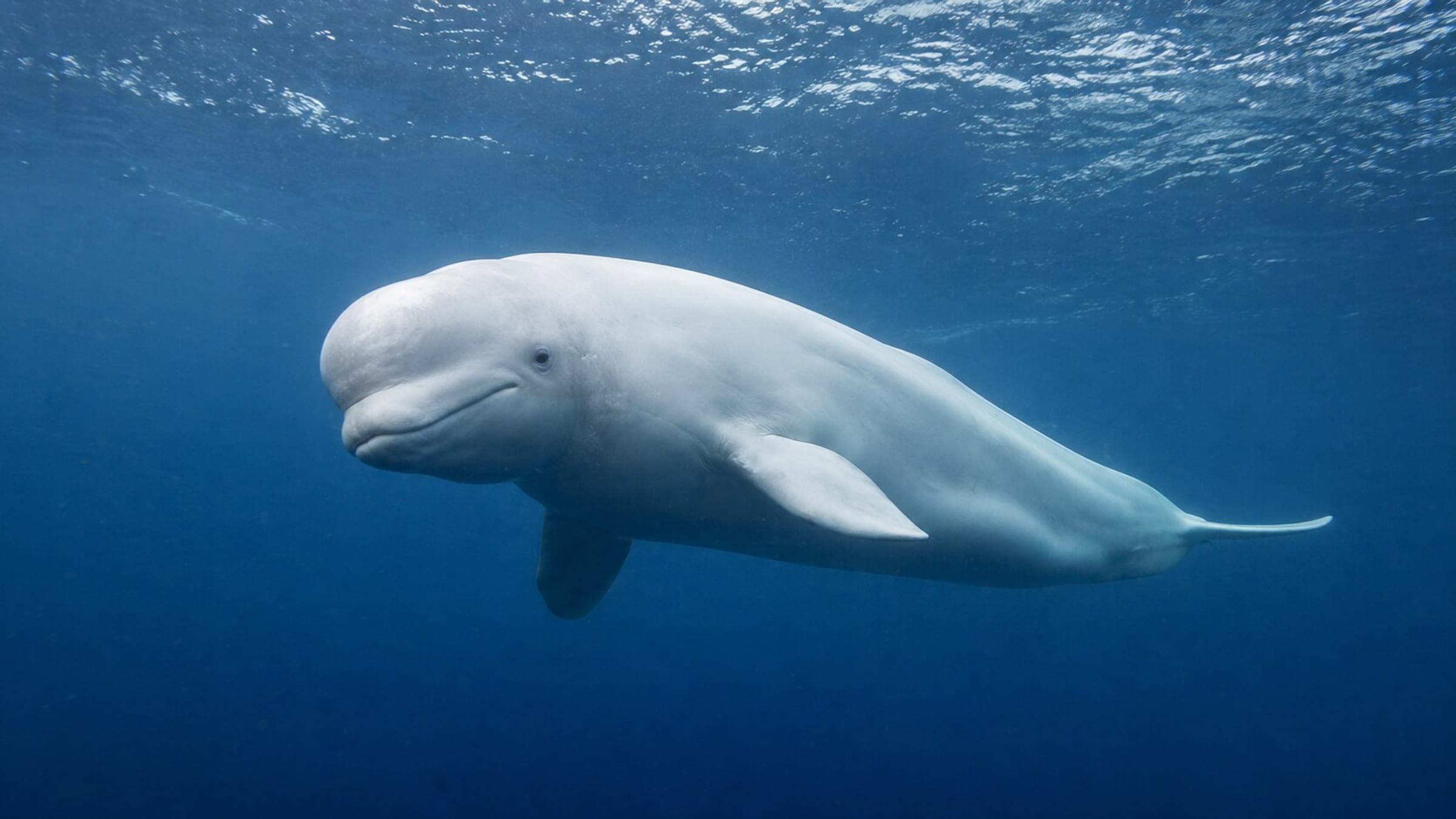
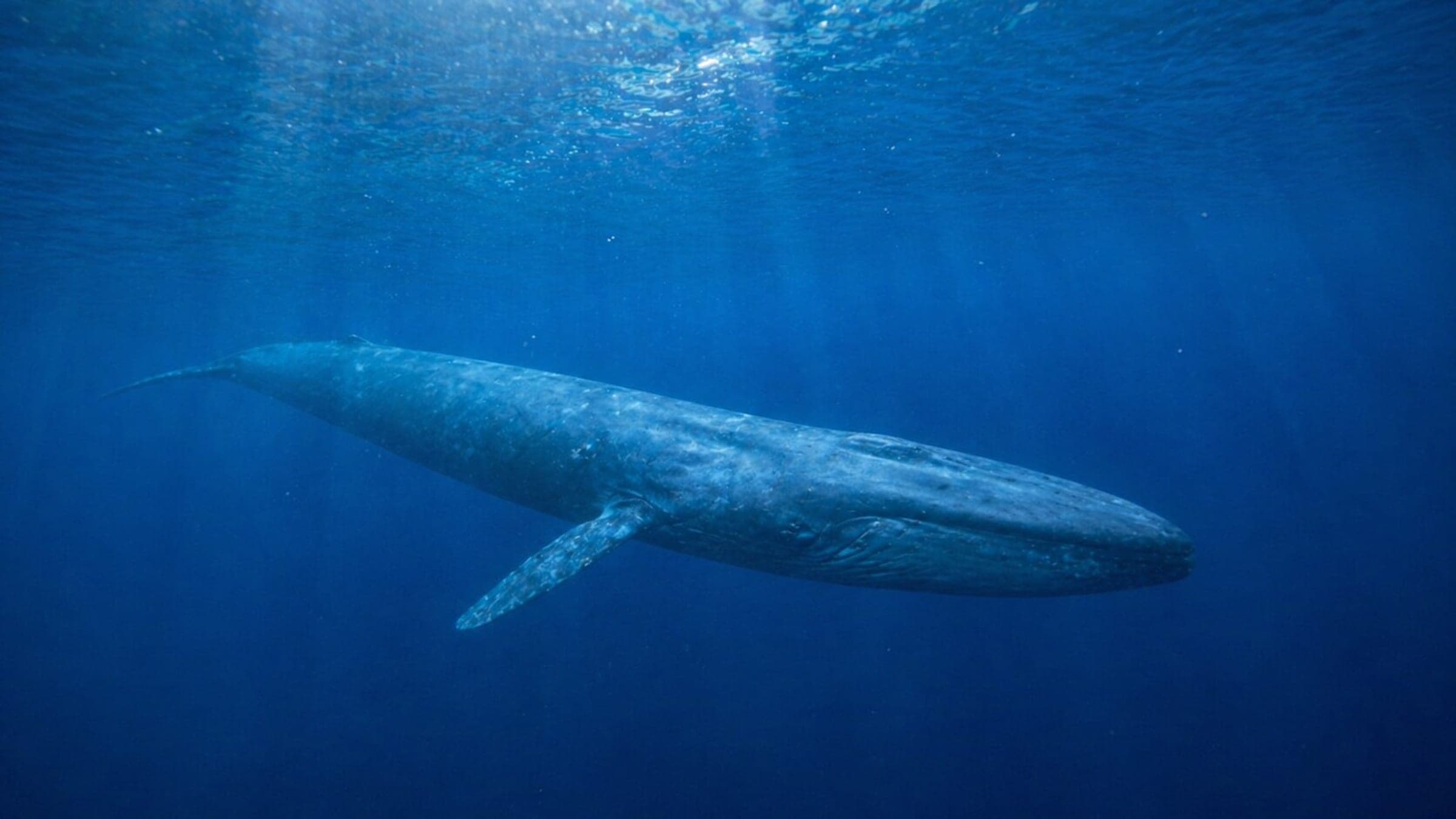
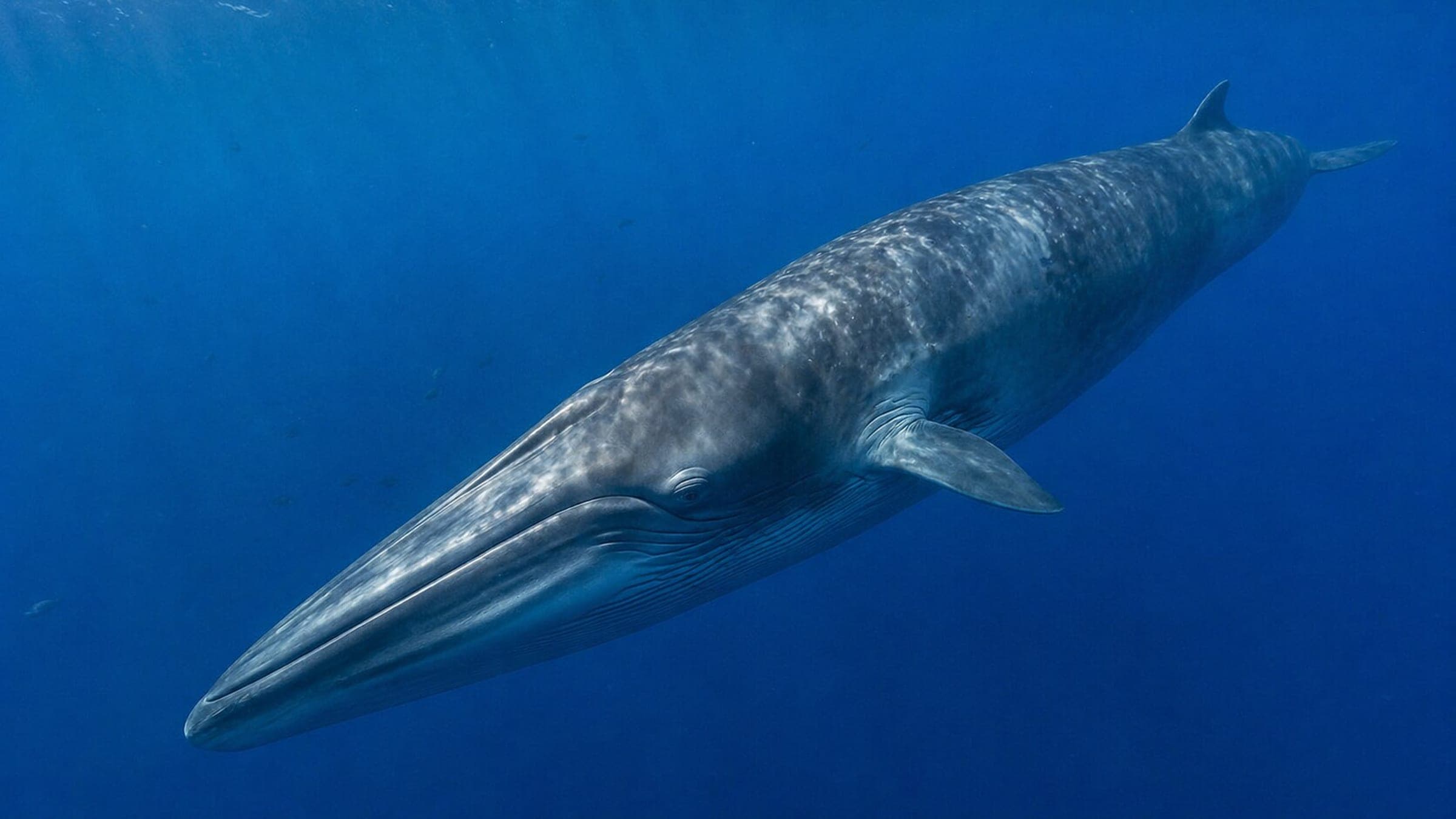
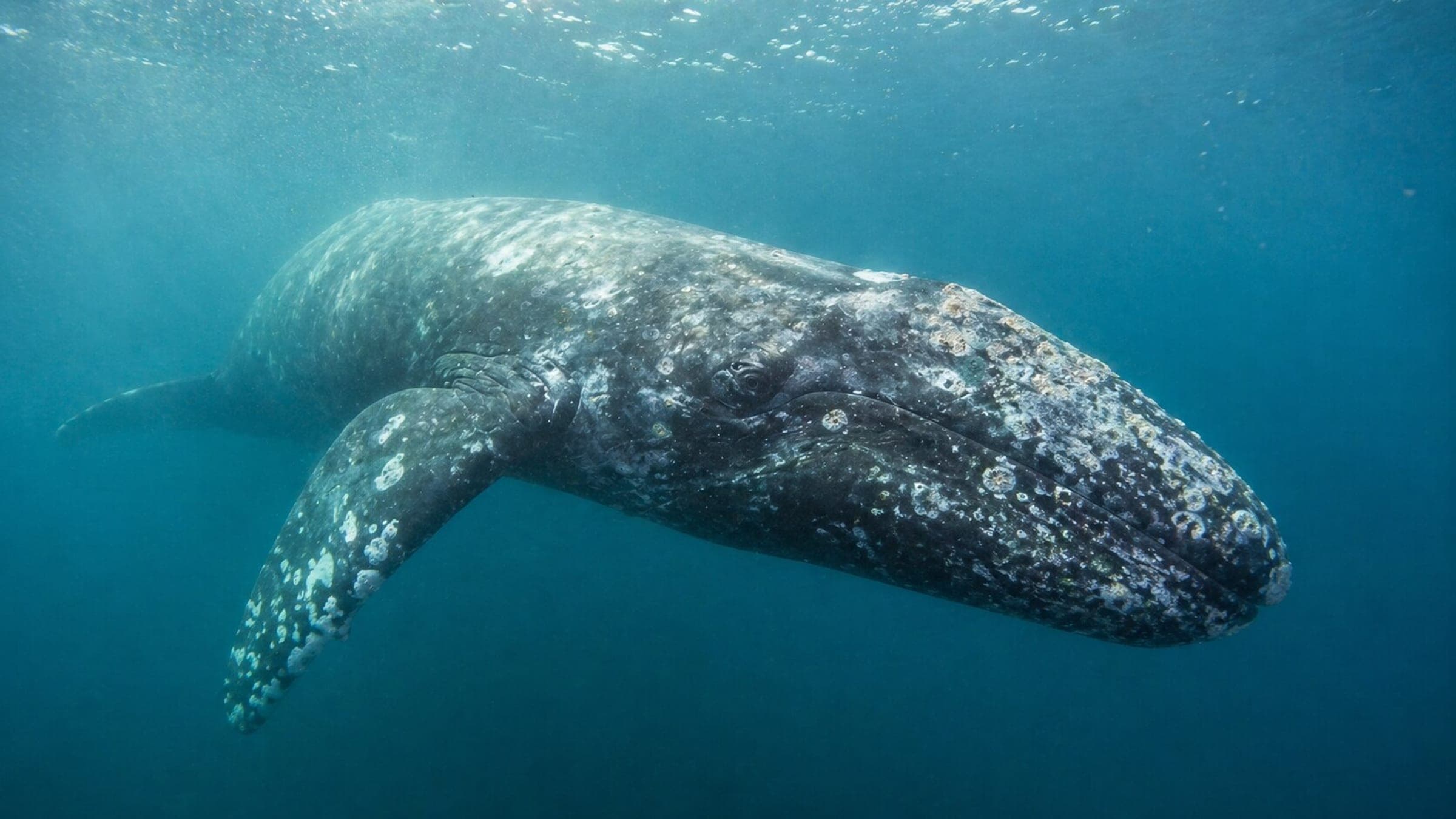
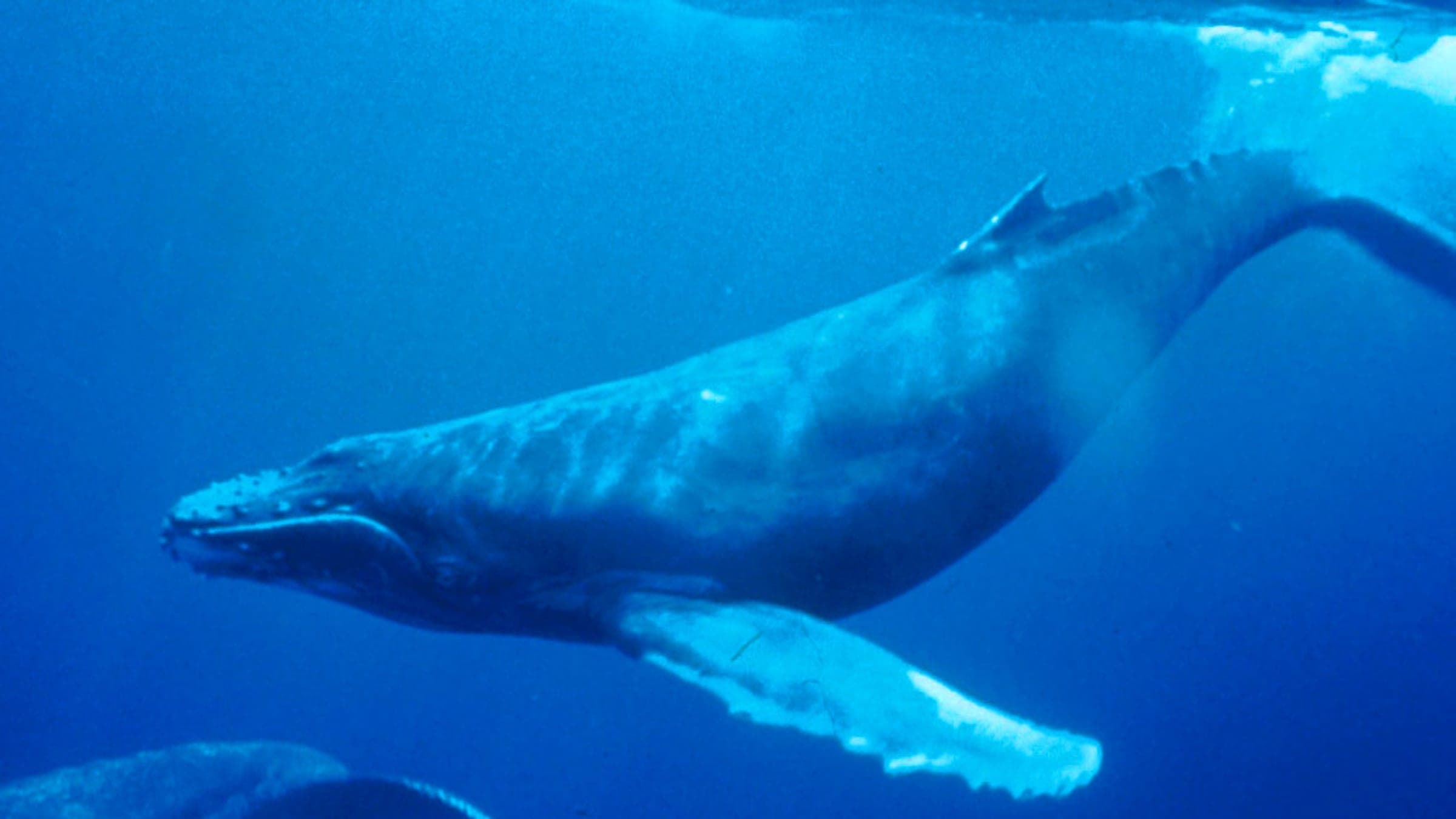
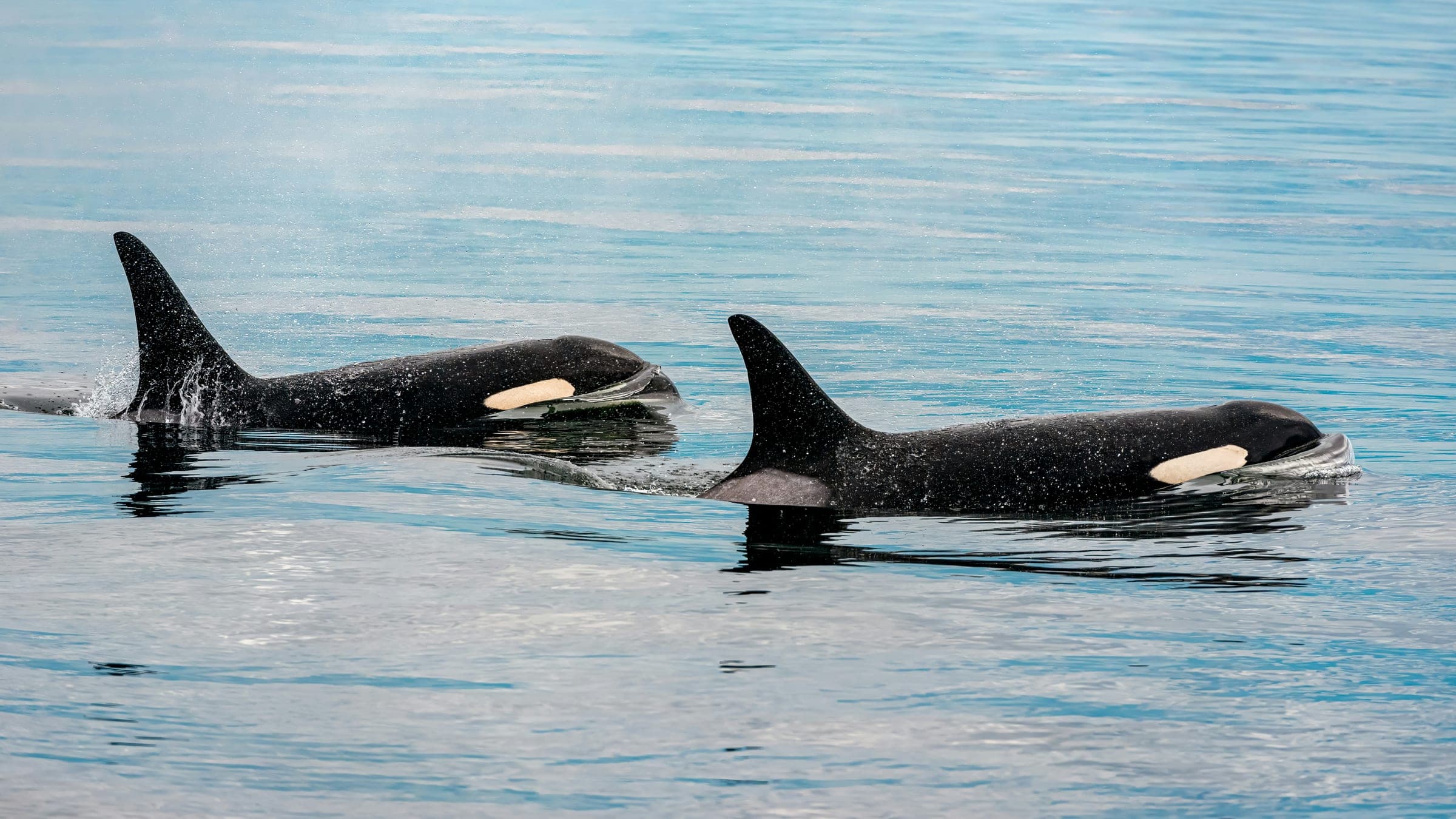
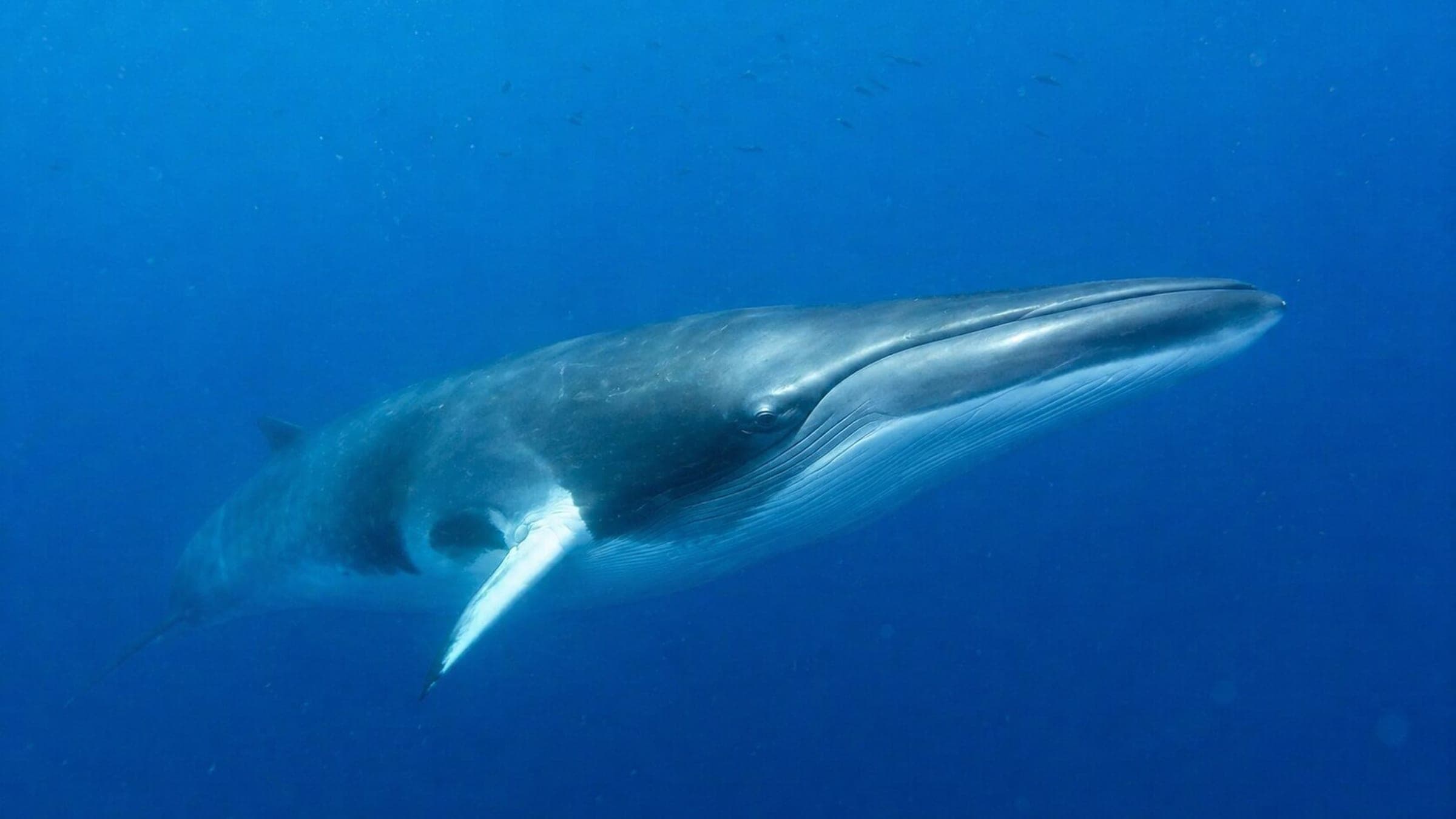
Baleen whales filter prey and generally show paired blowholes, while toothed whales hunt larger prey and have a single blowhole with more defined head shapes.
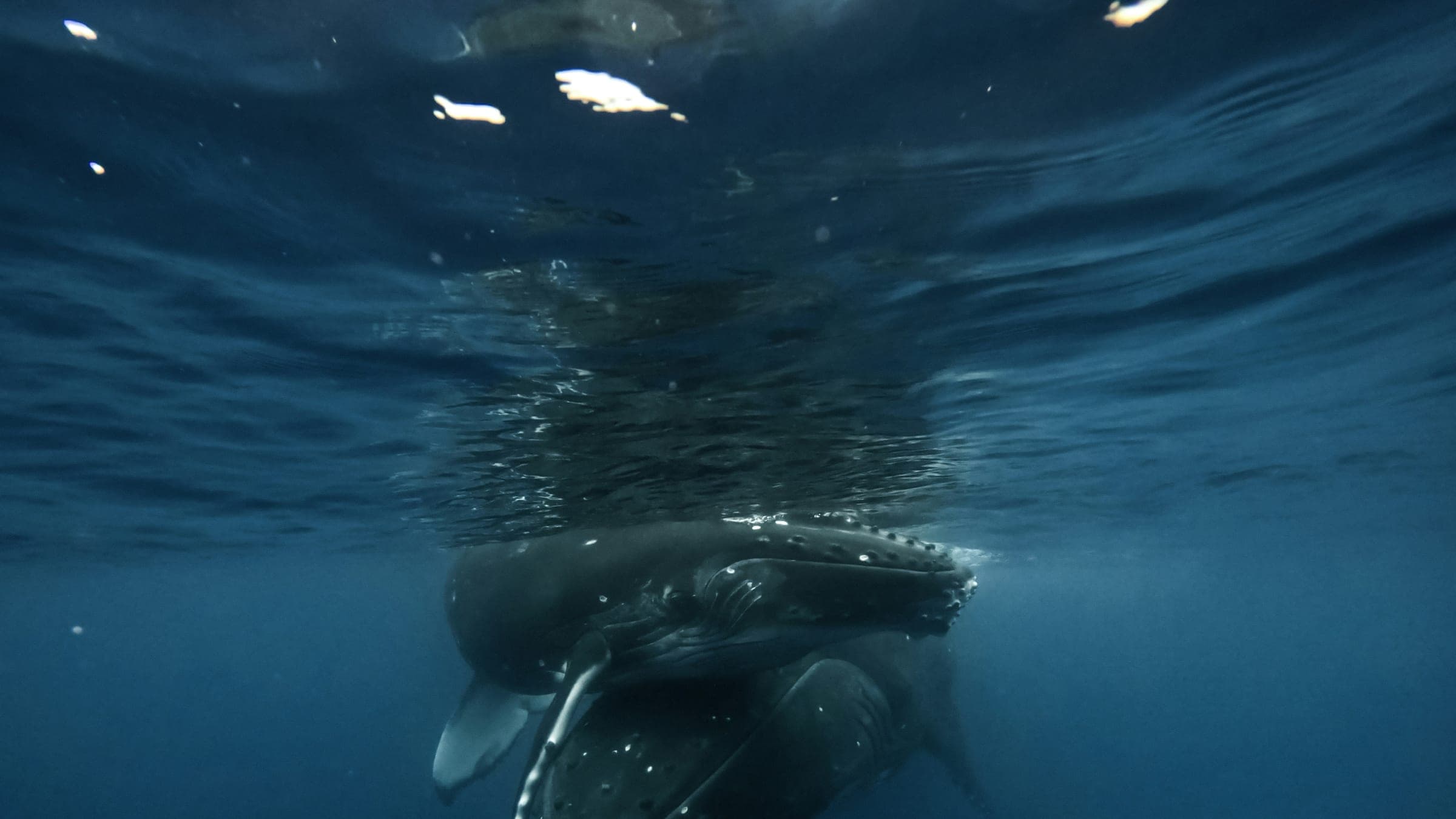
Whales are air-breathing cetaceans that surface on predictable migration and feeding routes, rewarding patient, low-impact encounters rather than close chases.
Group Guide
A group-level field guide built to move divers from broad intent into the right species, destinations, and encounter planning.
Whales on dive trips are usually seen as passing encounters rather than stationary reef residents. Baleen whales filter dense prey from the water with baleen plates, while toothed whales use teeth and sound to hunt fish, squid, and sometimes other marine mammals. For divers, the strongest planning pattern is seasonal: productive feeding grounds, warmer breeding areas, and migration corridors that connect them.
Start by separating baleen whales from toothed whales. Baleen whales usually show paired blowholes, long rostrums, and slower feeding or traveling behavior. Toothed whales tend to have a single blowhole, clearer forehead shapes, and more directional surfacing. Tail shape, dorsal-fin placement, flipper length, and the style of the blow are often more useful underwater than color alone.
Most in-water whale encounters happen where local regulations allow carefully managed tourism during migration or breeding seasons. Humpback breeding grounds are the classic example, but timing matters more than any generic whales label. On scuba, sightings are often opportunistic blue-water passes; in snorkel settings, operators may work under stricter rules around mothers, calves, and approach distance.
This group page is best used as a route into the right species and destination pages, not as a promise of a close interaction. Sea state, migration timing, local rules, and operator discipline all shape what is ethical and realistic.
This group guide pulls together 10 published Whales guides so divers can move from broad trip intent to the right species pages, destinations, and dive spots faster.
Whale conservation is uneven by species, but the main group-level pressures are well established: entanglement in fishing gear, vessel strikes, underwater noise, habitat disruption, climate-driven prey shifts, and the legacy of industrial whaling. International protections, trade controls, and responsible whale-watching rules help, yet divers should assume local conditions vary and that some populations remain much more vulnerable than the best-known tourism species.
Many whale encounters are tied to seasonal movements between productive feeding grounds and lower-latitude breeding or calving areas. Some species travel thousands of miles each year, which is why a destination that feels world-class in one month may feel empty outside the local window. Even less migratory populations can shift distribution with prey, ocean temperature, vessel traffic, and underwater noise.
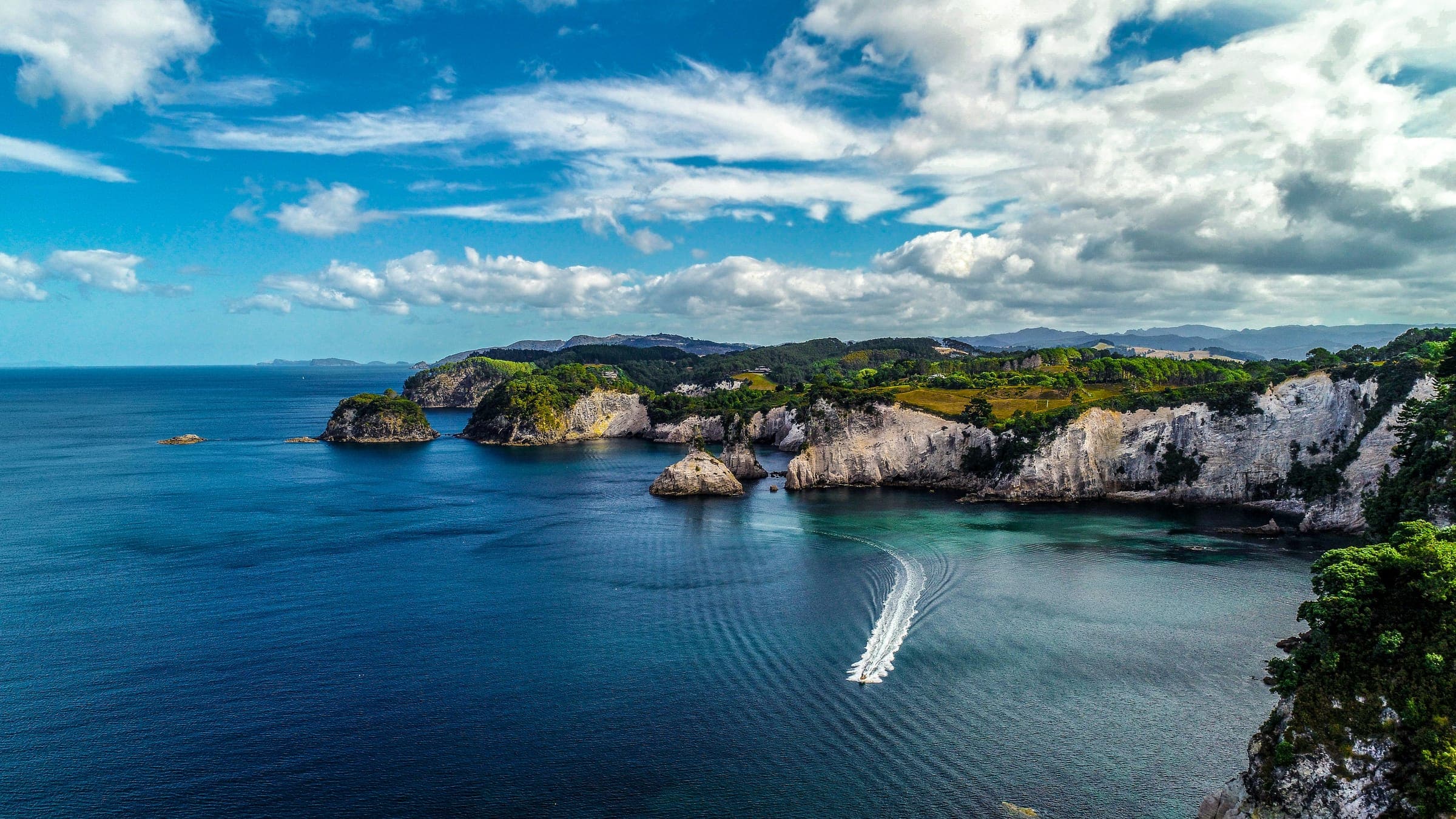
Mercury Islands (Coromandel Peninsula), Los Cabos (Cabo San Lucas and San Jose del Cabo), and Maui currently stand out as strong destination entry points for Whales planning.
Ecuador, Costa Rica, and Mexico are some of the clearest country-level starting points for this group right now.
Baleen whales filter prey and generally show paired blowholes, while toothed whales hunt larger prey and have a single blowhole with more defined head shapes.
At the surface, the shape of the blow, the position and size of the dorsal fin, and the outline of the tail stock are often the quickest field marks.
Long pectoral fins, a knuckled back, or an especially tall dorsal fin can narrow the identification faster than color, which changes with light and water conditions.
The whales divers hope to see belong to two broad camps: baleen whales that filter prey from the water column and toothed whales that actively hunt larger prey.
Some whale populations travel thousands of miles every year, so a famous destination is often famous because it intersects a seasonal route, not because whales stay there year-round.
Blow shape, dorsal-fin placement, flipper length, and tail profile often separate whale species faster than body color, which changes with light and angle.
Many whale encounters are tied to seasonal movements between productive feeding grounds and lower-latitude breeding or calving areas. Some species travel thousands of miles each year, which is why a destination that feels world-class in one month may feel empty outside the local window. Even less migratory populations can shift distribution with prey, ocean temperature, vessel traffic, and underwater noise.
Whale diet varies sharply across the group. Baleen whales filter krill, copepods, and schooling fish, while toothed whales hunt fish, squid, and sometimes other marine mammals. Prey distribution is one of the best clues for divers deciding where and when a whale encounter is realistic.
Conservation
A group-level read on the pressures, protections, and diver behavior that matter most across these species.
Whale conservation is uneven by species, but the main group-level pressures are well established: entanglement in fishing gear, vessel strikes, underwater noise, habitat disruption, climate-driven prey shifts, and the legacy of industrial whaling. International protections, trade controls, and responsible whale-watching rules help, yet divers should assume local conditions vary and that some populations remain much more vulnerable than the best-known tourism species.
Stay at operator-set distances, never cut across a whale's travel line, and keep noise and splashing low. Avoid repeated drops on the same animals, and give the widest possible buffer to mothers with calves or whales that are resting. If surfacing patterns shorten, direction changes become abrupt, or the animal speeds up to leave, back off immediately and end the interaction.
Ropes, nets, and other fishing gear can injure whales, reduce feeding efficiency, and cause long-term stress or death.
Busy migration corridors and coastal breeding areas overlap with shipping, tourism, and private boating, increasing the risk of collision and chronic disturbance.
Shipping noise, construction, pollution, and climate-driven changes in prey distribution can disrupt movement, feeding, and breeding behavior.
The International Whaling Commission remains a central forum for whale conservation and management, including the long-standing moratorium on commercial whaling for most stocks.
CITES listings restrict or prohibit international trade for many whale taxa, adding a separate layer of control beyond local fisheries law.
National marine mammal rules and IWC-aligned whale-watching guidance help reduce harassment, crowding, and repeated close approaches in tourism hotspots.
Species
Jump into the individual species pages that currently sit inside this wildlife group.
Top Destinations
Destinations surfaced from the linked dive spots associated with species in this group.
New Zealand

Mexico

United States

Australia

Mexico

Germany
Top Countries
The strongest country-level starting points currently linked to this wildlife group.
Top Dive Spots
Directly linked dive spots where species in this group already show up in the planning data.
Advanced offshore seamount dive for hammerheads and pelagics.
Shallow corridor reef with rays and winter whale song.
Boat dive with a wall, pinnacle, and rich fish life.
Cagarras: sheltered boat dive with walls and marine life.
Boat reef with granite structure and variable current.
Offshore pinnacles and grey nurse shark dives by Camden Haven.
FAQ
Direct answers to the questions divers and planners tend to ask first.
Research Sources
Primary and supporting references used for the published group guide.
Group overview, baleen versus toothed framing, and protection context.
Migration distance, breeding-ground framing, and encounter-season context.
Responsible whale-watching and encounter-management guidance.
Trade-control context for whale taxa listed under the convention.
Group-level vessel-strike risk framing across whale populations.