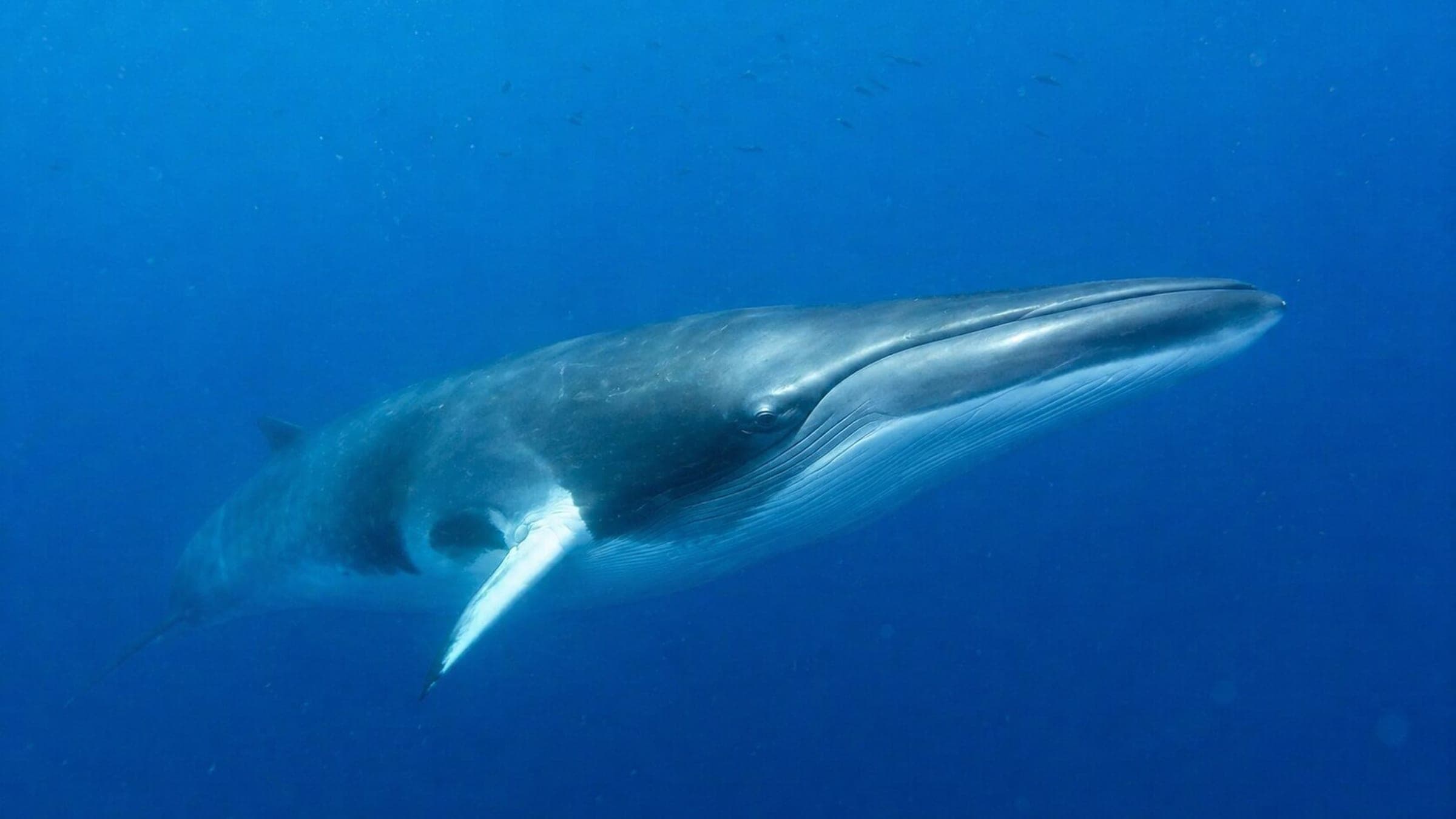
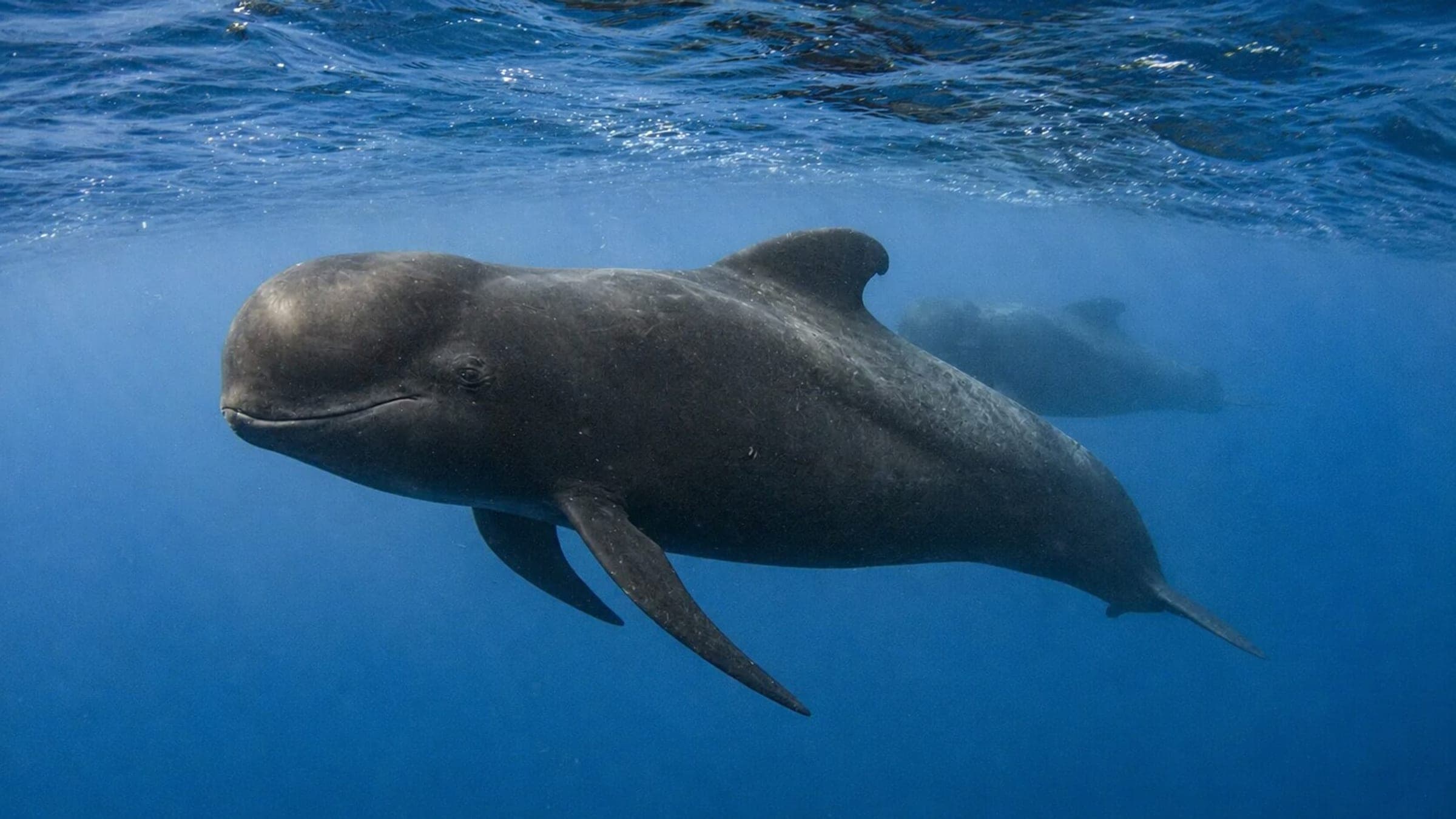
Size differences
The complex includes larger and smaller forms: the common B. brydei is larger, while B. edeni and some coastal/Indo‑Pacific forms are smaller.
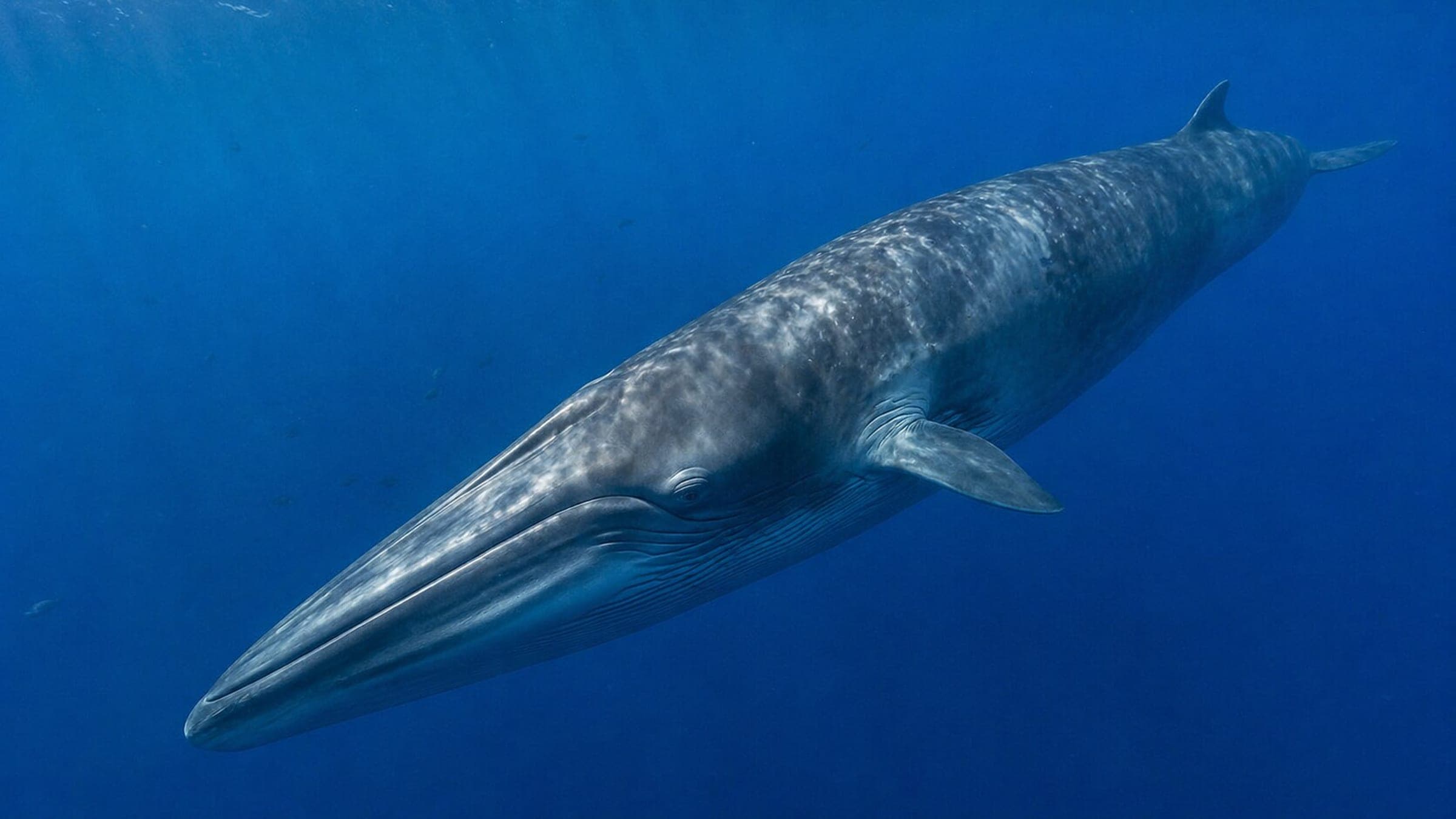
A rorqual complex of warm-temperate and tropical whales, Bryde's whale refers to several closely related forms including Balaenoptera brydei and B. edeni.
Species Guide
A clean field guide focused on habitat, identification, behavior, and conservation context without burying the useful parts.
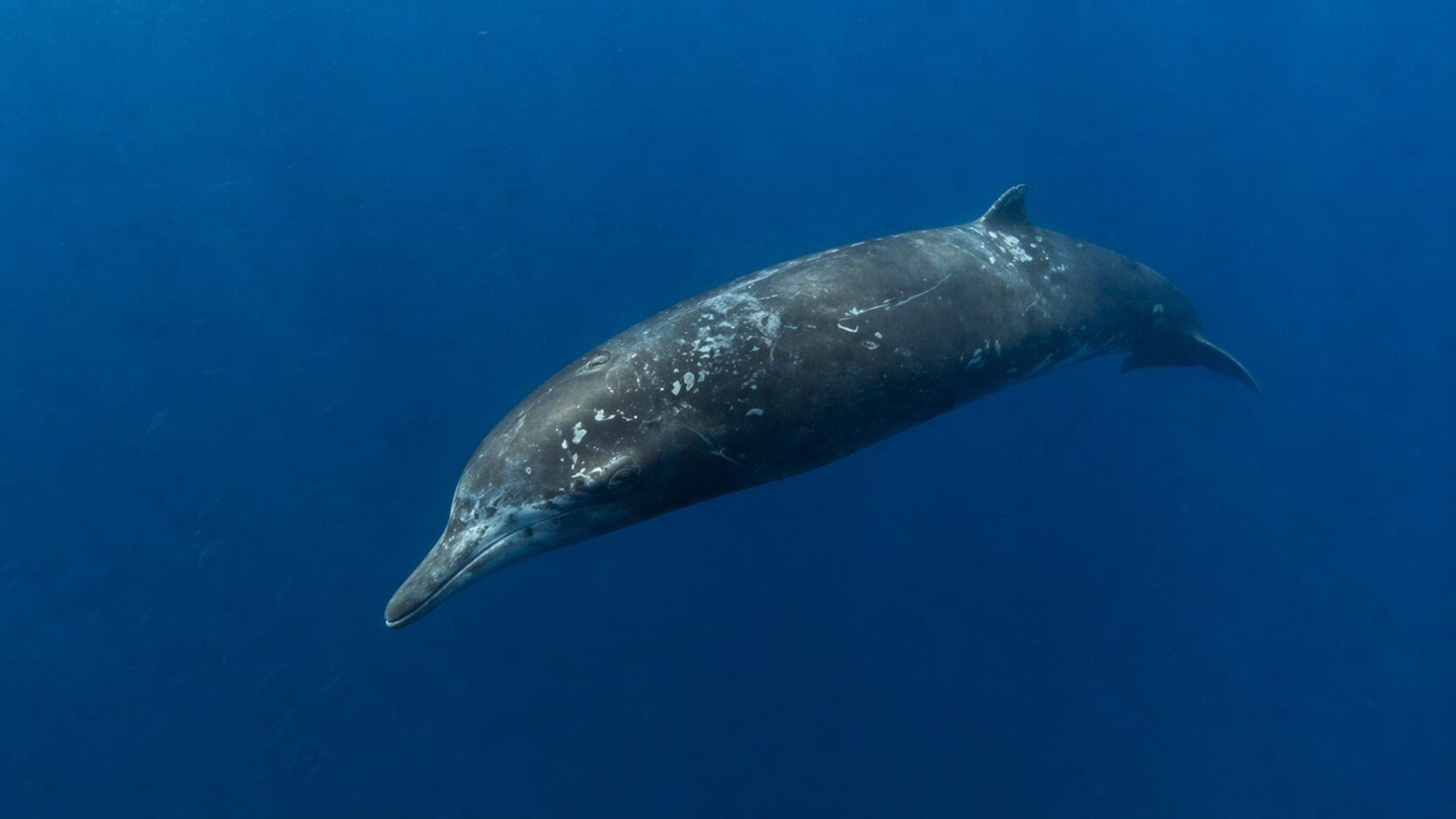
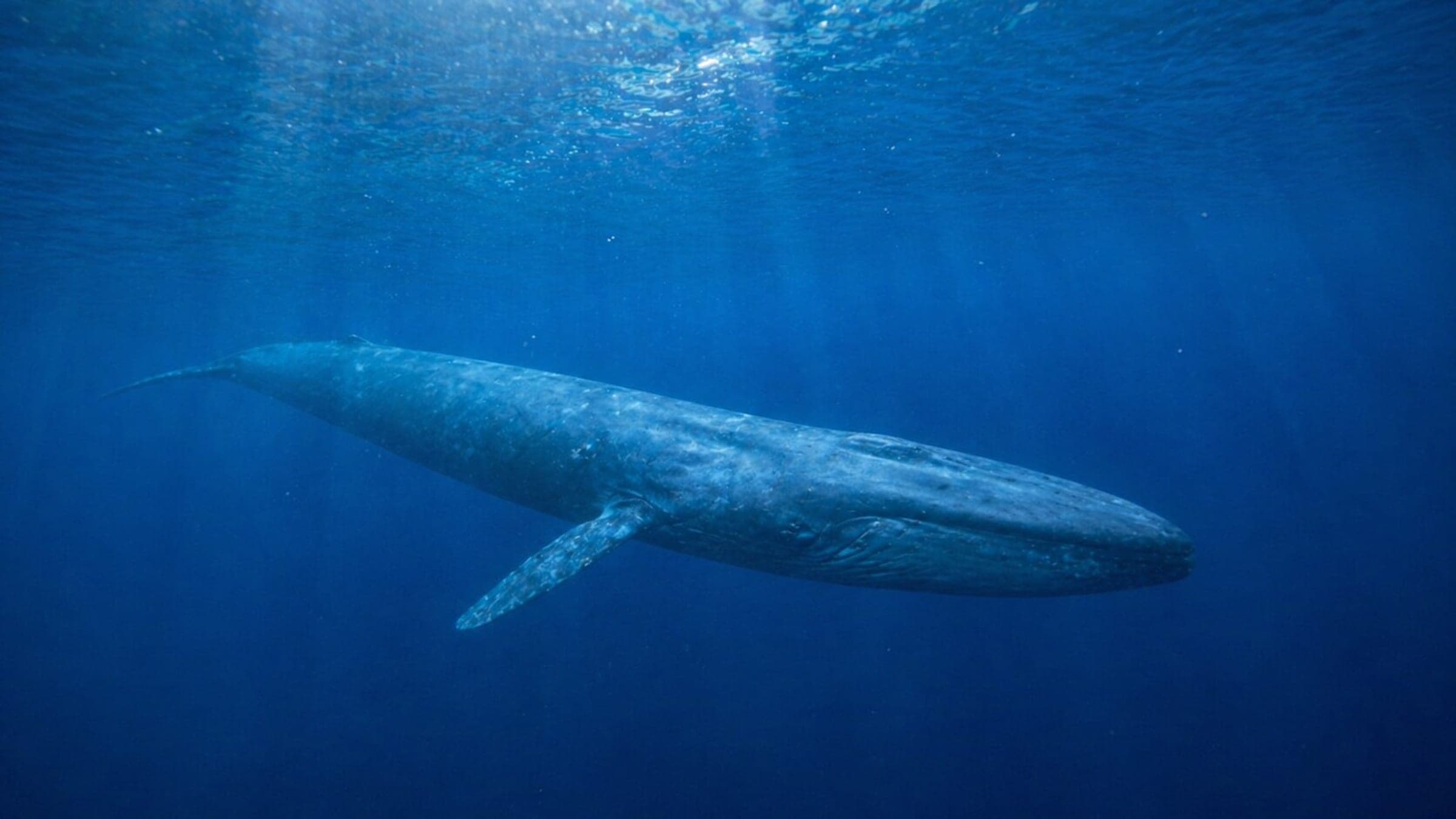
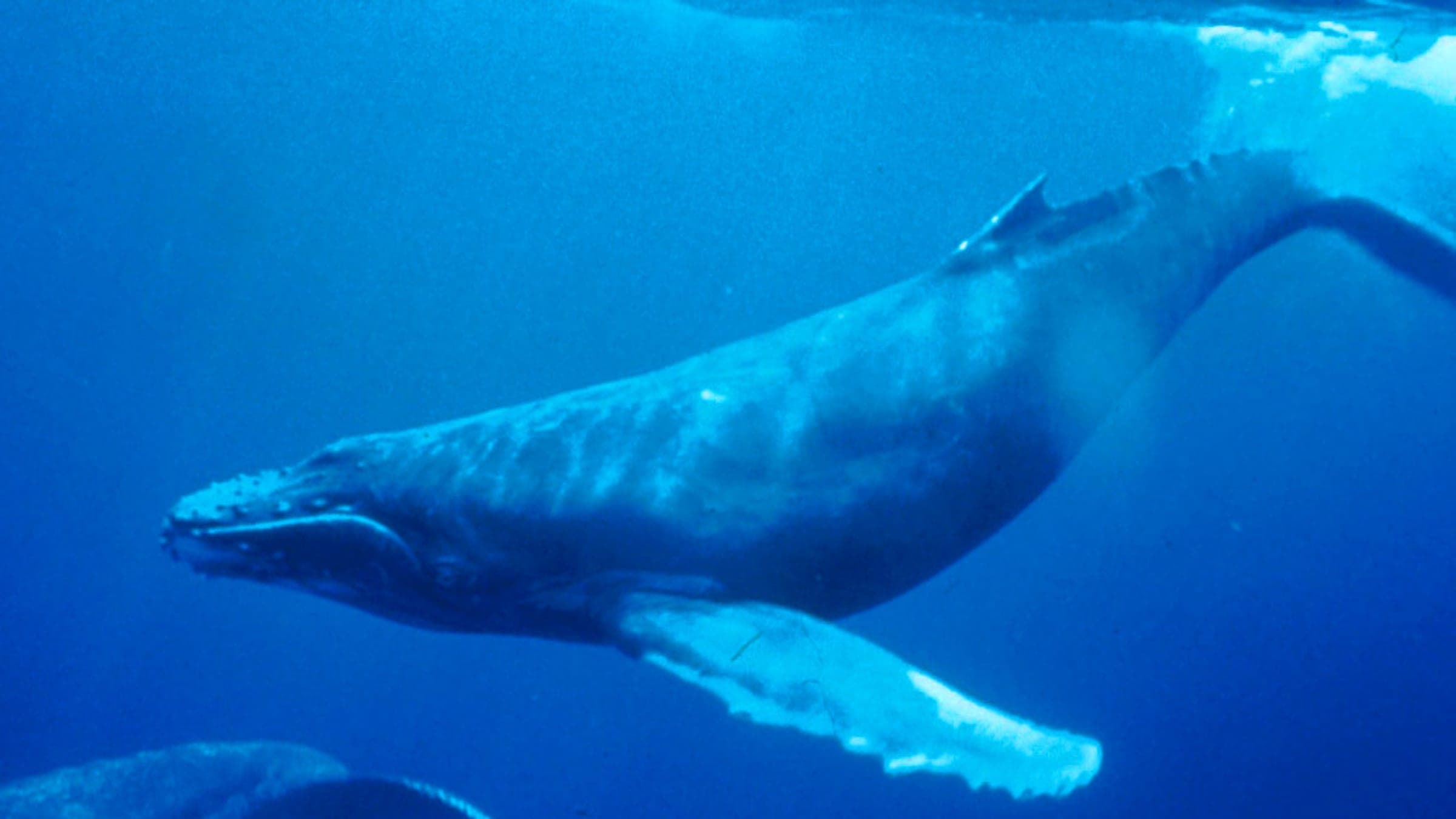
Bryde's whale (pronounced BRUU-dəz) refers to a complex of closely related rorquals rather than a single, well‑defined species. The complex putatively comprises three species and possibly four; taxonomy and classification remain unclear due to limited definitive information and research. The common Bryde's whale (Balaenoptera brydei) is described as a larger form with a worldwide distribution in warm temperate and tropical waters. The Sittang or Eden's whale (Balaenoptera edeni) is a smaller form that may be restricted to the Indo‑Pacific. Additional forms include a smaller coastal form off southern Africa and a tentatively recognized Indo‑Pacific form differing in skull morphology. Omura's whale (B. omurai) was formerly considered a pygmy Bryde's whale but is now recognized as a distinct species. Rice's whale (B. ricei), once considered a population of Bryde's whale, was described as a separate species in 2021.
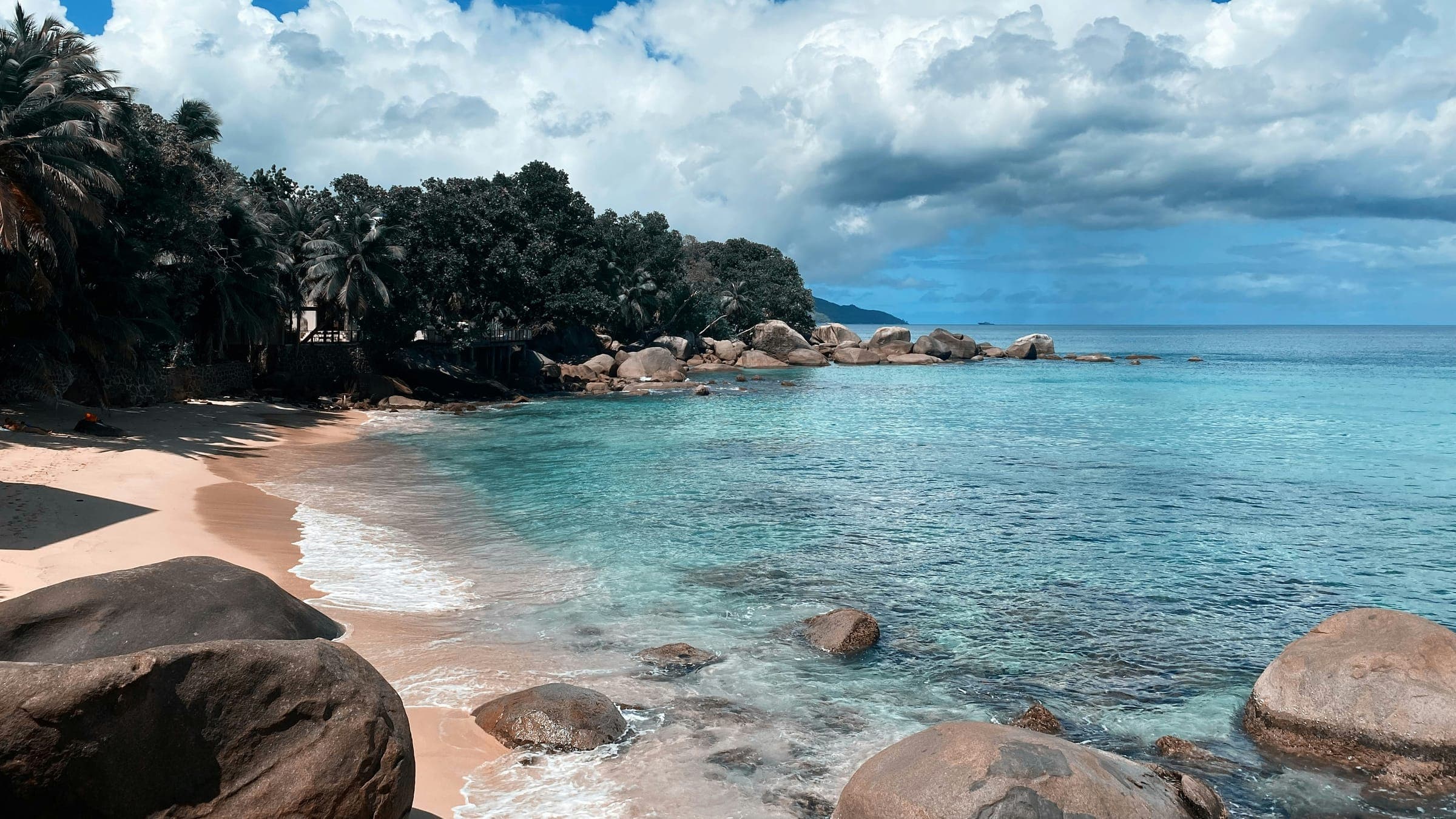
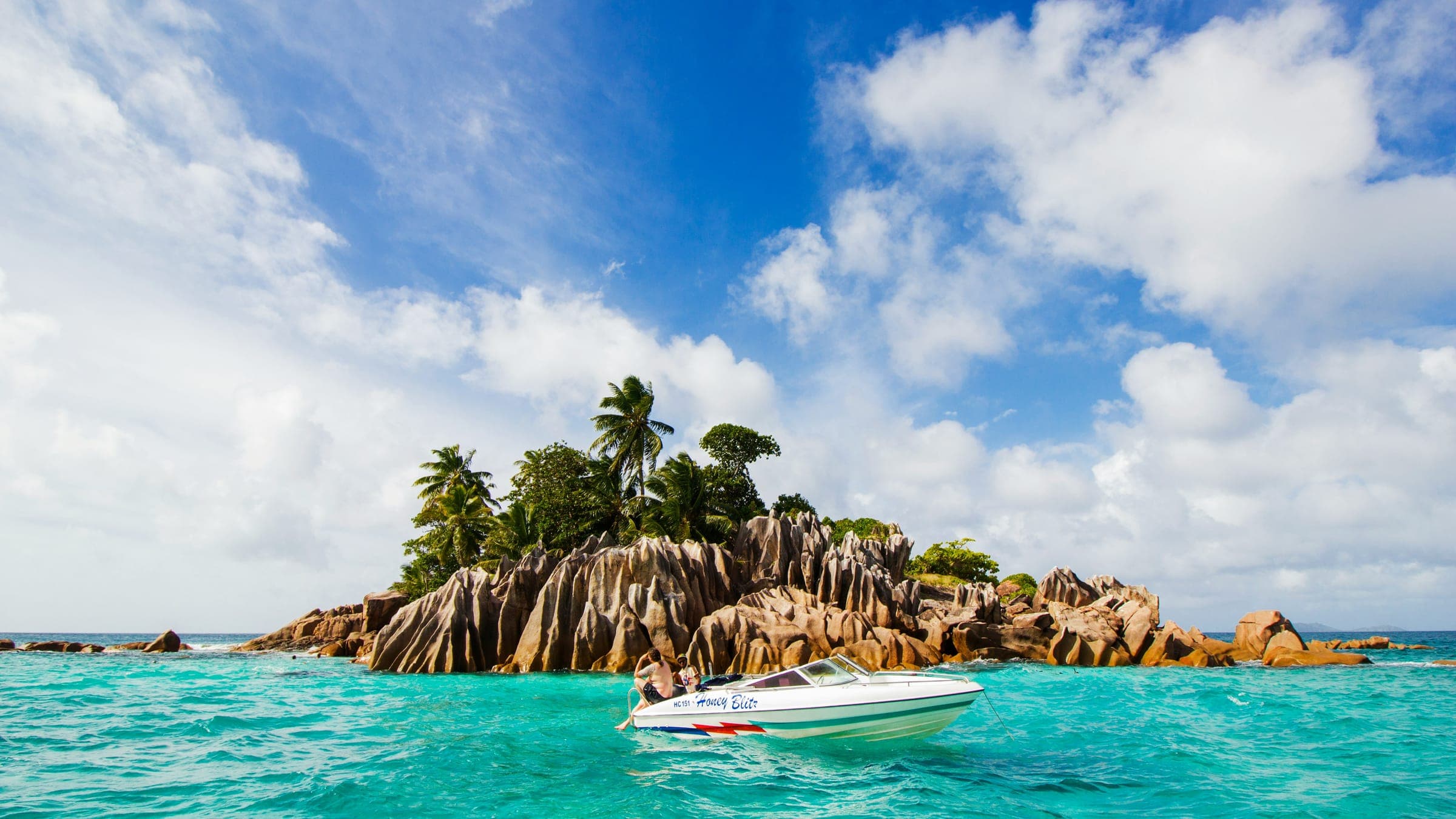
The strongest linked planning options currently surface around destinations such as Mahé and countries such as Seychelles for divers building trips around bryde’s whales.
Identification
The visual markers divers can use underwater, plus the species most likely to cause confusion.
The complex includes larger and smaller forms: the common B. brydei is larger, while B. edeni and some coastal/Indo‑Pacific forms are smaller.
Last Updated Mar 9, 2026 · 4 sources
At least one Indo‑Pacific form has been noted to differ from others in skull morphology, a trait used to distinguish forms.
Formerly thought to be a pygmy Bryde's whale but now recognized as a distinct species.
Once considered a distinct population of Bryde's whale; described as a separate species in 2021.
Responsible Encounters
Conservation-minded guidance for divers who want the encounter without adding pressure.
Give bryde’s whale space, avoid blocking the animal's path, and follow local site and operator rules for wildlife interactions with whales.
Field Notes
Useful species context that makes the encounter more meaningful once you are underwater.
B. brydei is named for Johan Bryde, while B. edeni is named for Sir Ashley Eden; 'Sittang whale' refers to the type locality of B. edeni.
The 'Bryde's whale' label covers multiple forms and unsettled classification, so the group is often referred to as a 'complex.'
Top Destinations
Destinations surfaced from the linked dive spots associated with this species.
Top Countries
The strongest country-level starting points currently linked to this species.
Top Dive Spots
Directly linked dive spots where this species already shows up in the planning data.
Boat reef with granite structure and variable current.
Boat-accessed Bohol Sea site with drift walls and marine life.
Boat dive on a shallow reef-and-wreck site in the Strait of Gubal.
FAQ
Clear planning and conservation answers written for search visibility and AI retrieval.
Research Sources
Primary and credible references behind the field-guide and conservation claims on this page.
Primary wildlife guide source.
Supporting wildlife source.
Supporting wildlife source.
Supporting wildlife source.
Related Species
Related species guides in the same encounter family.