Size
Adults typically 14–17 m (46–56 ft) long and up to about 40 metric tons.
Species Guide
A clean field guide focused on habitat, identification, behavior, and conservation context without burying the useful parts.
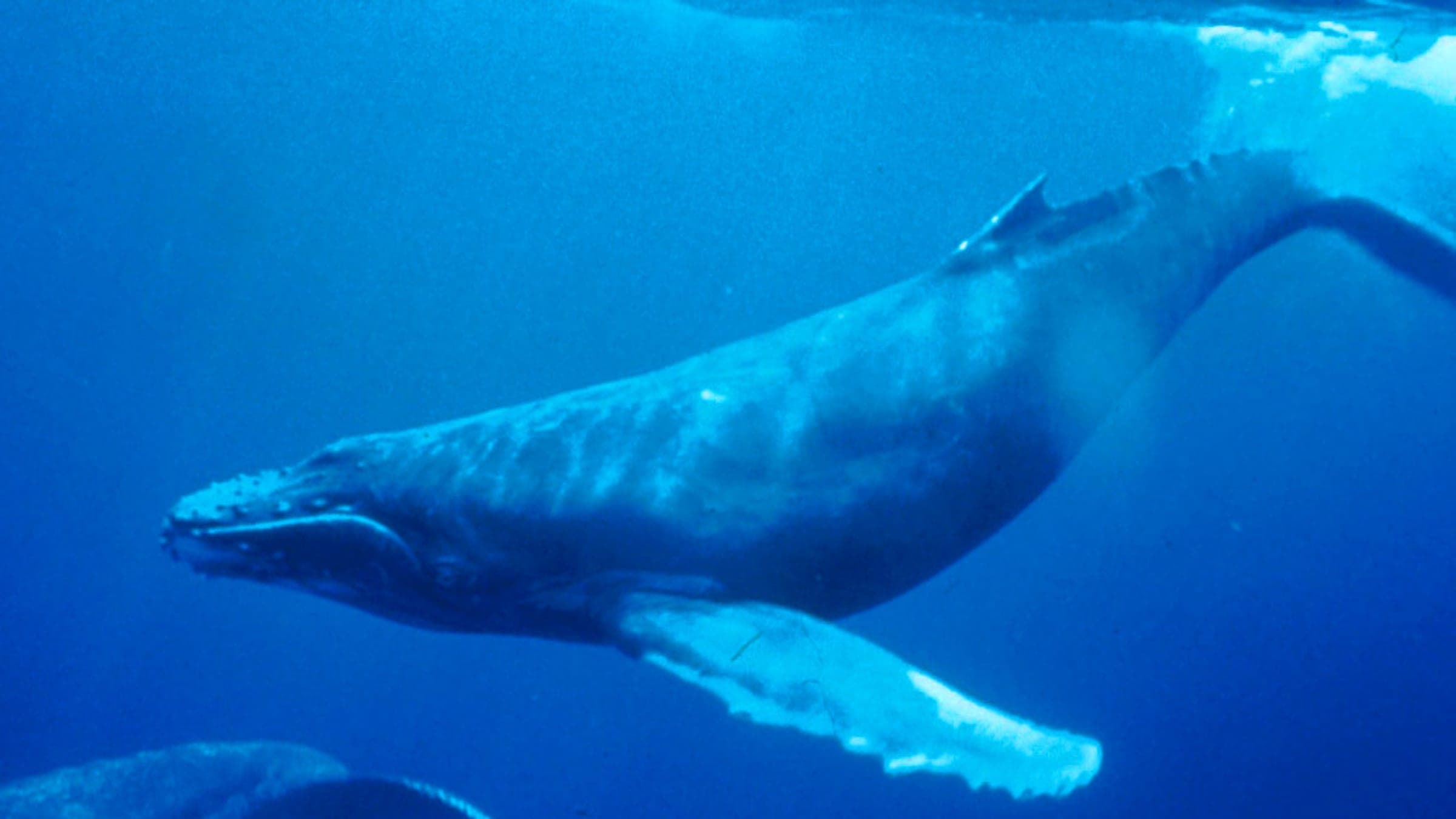
The humpback whale (Megaptera novaeangliae) is a rorqual in the family Balaenopteridae and the sole species in the genus Megaptera. Adults typically measure 14–17 m (46–56 ft) and can weigh up to 40 metric tons. The species has a distinctive body shape with long pectoral fins and tubercles on the head. Humpbacks are known for surface behaviors such as breaching and for males’ complex songs. They occur in oceans and seas worldwide and typically migrate between higher-latitude feeding areas and lower-latitude breeding areas. Their diet consists mainly of krill and small fish, and they commonly use bubble-netting or bubbles to corral prey. Reproduction is polygynandrous; mothers give birth to calves in shallower water. Orcas are the main natural predators. Humpbacks commonly host barnacles and whale lice on their bodies. The species was heavily hunted by commercial whaling and declined to around 5,000 individuals by the 1960s; numbers have since partially recovered to an estimate of some 135,000 animals worldwide. Ongoing human-caused threats include entanglement in fishing gear, collisions with ships, and noise pollution.
The species was driven near-extinct by commercial whaling and has partially recovered; current human-caused impacts include entanglement in fishing gear, ship collisions, and noise pollution.
Humpbacks typically migrate seasonally between feeding areas at higher latitudes (toward the poles) and breeding areas in lower-latitude, near-equatorial waters.
The strongest linked planning options currently surface around destinations such as Los Cabos (Cabo San Lucas and San Jose del Cabo), Maui, Bahias de Huatulco and countries such as Ecuador, Costa Rica, Mexico for divers building trips around humpback whales.
Identification
The visual markers divers can use underwater, plus the species most likely to cause confusion.
Adults typically 14–17 m (46–56 ft) long and up to about 40 metric tons.
Notably long pectoral fins compared with many other whale species.
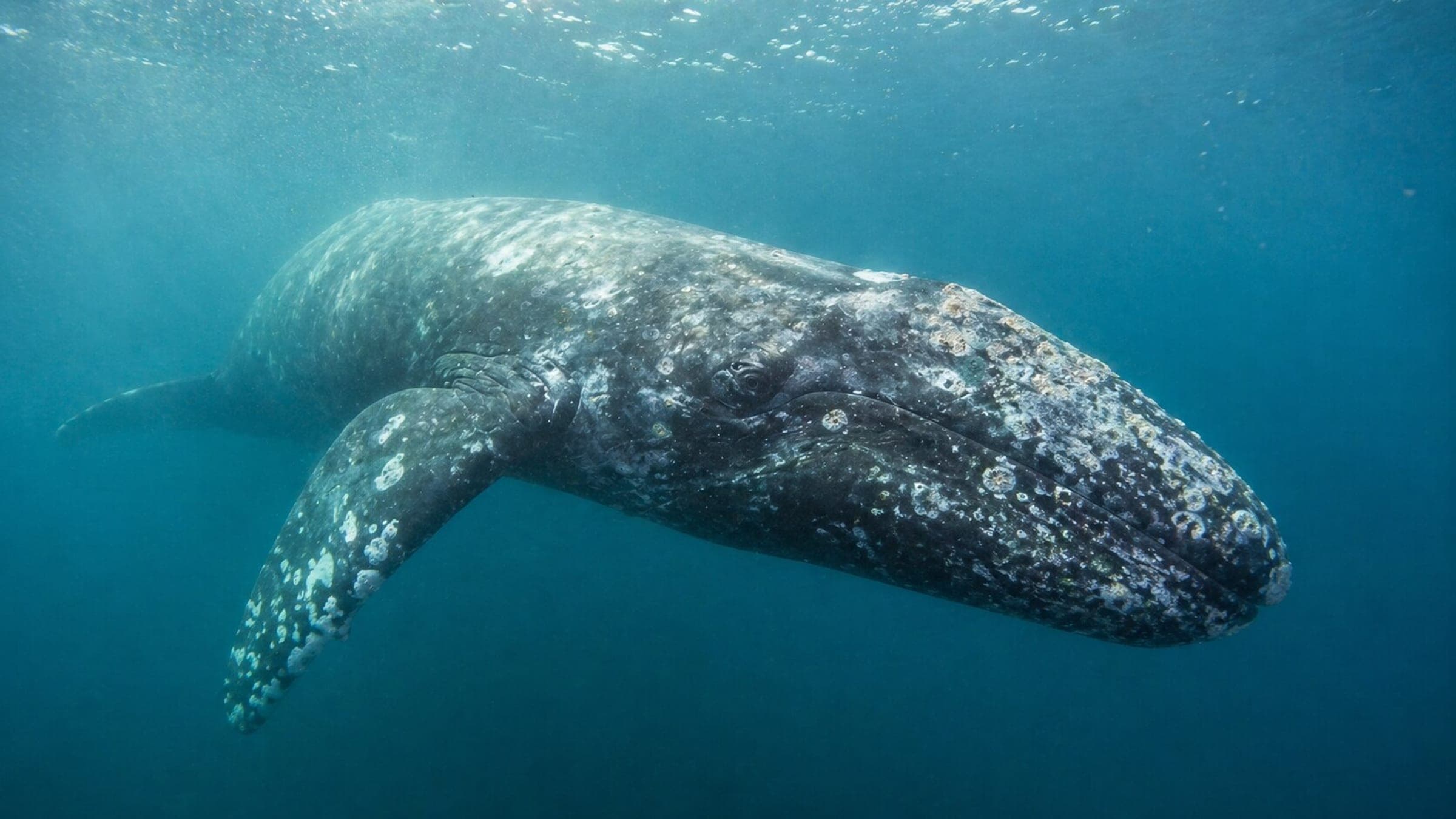
Distinctive round tubercles on the head.
Often observed breaching and other conspicuous surface behaviors; males produce long, complex songs.
Range and Movement
The broad range, seasonal movement, or migratory behavior that shapes where divers encounter this species.
Humpbacks typically migrate seasonally between feeding areas at higher latitudes (toward the poles) and breeding areas in lower-latitude, near-equatorial waters.
Diet
Useful feeding context that often explains habitat, movement, and encounter style.
Mainly krill and small fish; they commonly use bubbles to corral and capture prey.
Population
Published estimates when credible, or an explicit note when no reliable global count exists.
Global numbers declined to around 5,000 by the 1960s due to whaling; they have partially recovered to an estimated some 135,000 animals worldwide.
Conservation
Status, pressure, and protection context grounded in cited sources rather than filler.
The species was driven near-extinct by commercial whaling and has partially recovered; current human-caused impacts include entanglement in fishing gear, ship collisions, and noise pollution.
Humpbacks can become entangled in fishing gear, which continues to affect individuals.
Collisions with vessels are an ongoing threat to humpback whales.
Anthropogenic noise in the oceans affects humpback whales.
Extensive hunting by the whaling industry caused dramatic population declines through the mid-20th century.
Commercial whaling once hunted humpbacks to very low numbers; this is a key part of their recent conservation history.
Responsible Encounters
Conservation-minded guidance for divers who want the encounter without adding pressure.
Give humpback whale space, avoid blocking the animal's path, and follow local site and operator rules for wildlife interactions with whales.
Field Notes
Useful species context that makes the encounter more meaningful once you are underwater.
Male humpback whale songs typically last from 4 to 33 minutes.
Humpback bodies commonly host barnacles and whale lice.
Breeding is polygynandrous; mothers give birth to calves in shallower waters.
Humpbacks are known for breaching and other conspicuous surface behaviors popular with observers.
Top Destinations
Destinations surfaced from the linked dive spots associated with this species.
Top Countries
The strongest country-level starting points currently linked to this species.
Top Dive Spots
Directly linked dive spots where this species already shows up in the planning data.
Advanced offshore seamount dive for hammerheads and pelagics.
Shallow corridor reef with rays and winter whale song.
Cagarras: sheltered boat dive with walls and marine life.
Offshore pinnacles and grey nurse shark dives by Camden Haven.
Remote Atlantic reef with gorgonians and winter whales.
Boat-access coral reef off Isla de la Plata with mantas and turtles.
FAQ
Clear planning and conservation answers written for search visibility and AI retrieval.
Research Sources
Primary and credible references behind the field-guide and conservation claims on this page.
Primary wildlife guide source.
Taxonomy reference.
Related Species
Related species guides in the same encounter family.