Getting there and around
- Glasgow Airport · About 1 to 1.5 hourss by car, traffic and exact site dependent
- Glasgow Prestwick Airport · About 50 minutesutes to Largs or 1.5 to 2 hourss to Loch Long by car

Cold-water wrecks, sheltered sea-loch training, and island shore adventures within reach of Glasgow
Overview
Firth of Clyde and Loch Long is Scotland's most accessible west-coast cold-water diving region for many central-belt travelers. It combines sheltered training entries at Finnart, deeper loch walls, current-swept island reefs around Great Cumbrae, and wreck charters from Dunoon. The signature experience is land-based: drive to shore sites, join a local day boat, and build plans around weather, tides, port traffic, and visibility that can change quickly. Water commonly spans about 6°C to 14°C through the year, so a drysuit is the default for most scuba divers and exposure protection matters even in summer. Non-divers can pair water days with Benmore Botanic Garden, Cowal touring, island ferries, cycling, and Arrochar walking. This is not a tropical visibility destination. Its appeal is skill-building, maritime history, characterful marine life, and the satisfaction of reading a demanding local environment well.
Major Loch Long, Cowal, and Cumbrae gateways are reachable as land-based trips from Glasgow, making weekend and progressive training itineraries practical.
Sheltered Finnart sessions can support core skills, while deep walls, current-swept reefs, and wrecks create a credible pathway into advanced and technical diving.
Quick shortlist before you jump into the full planning page.
Fairlie Pier is a sheltered working-pier dive with training-friendly access.
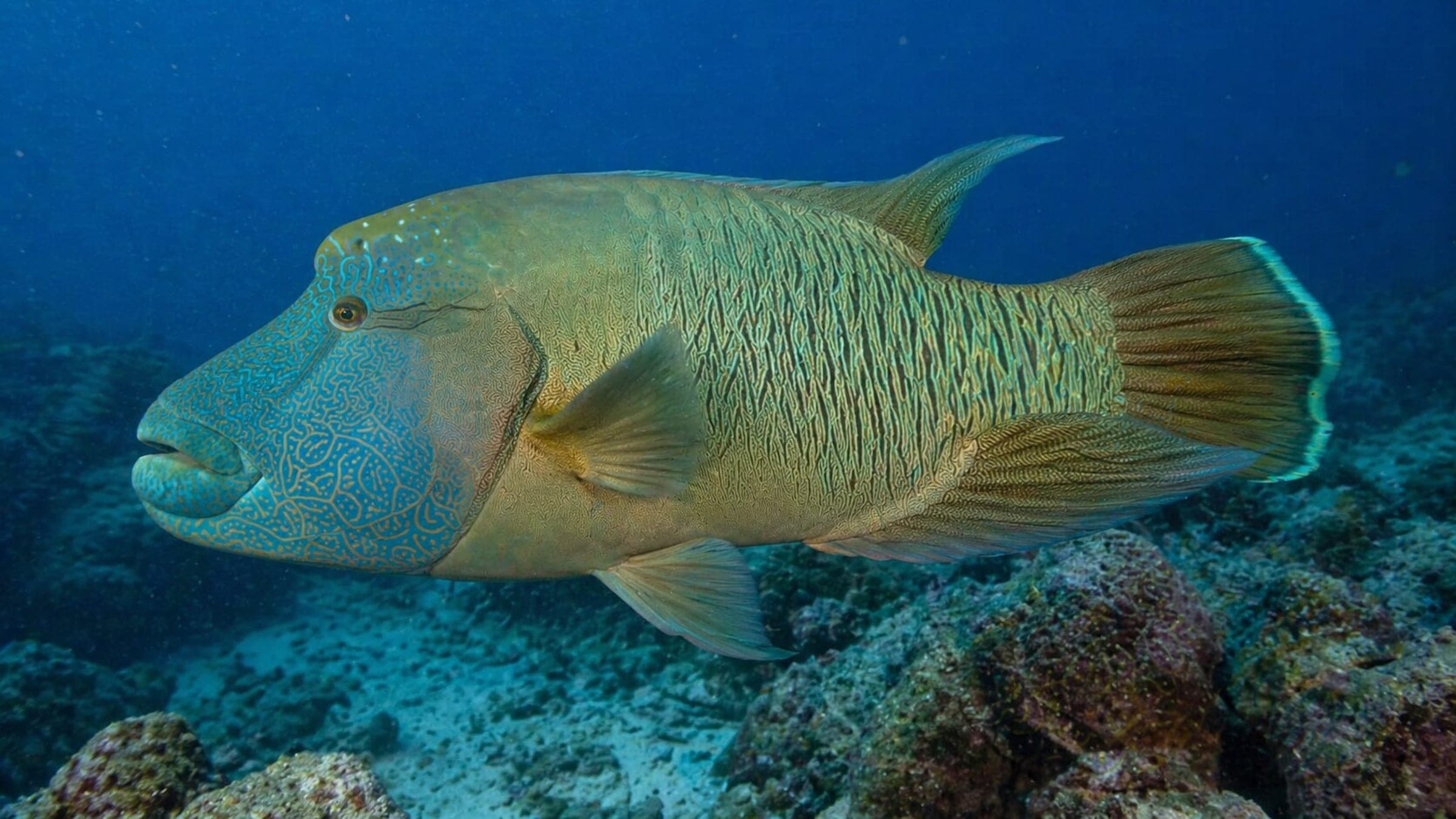
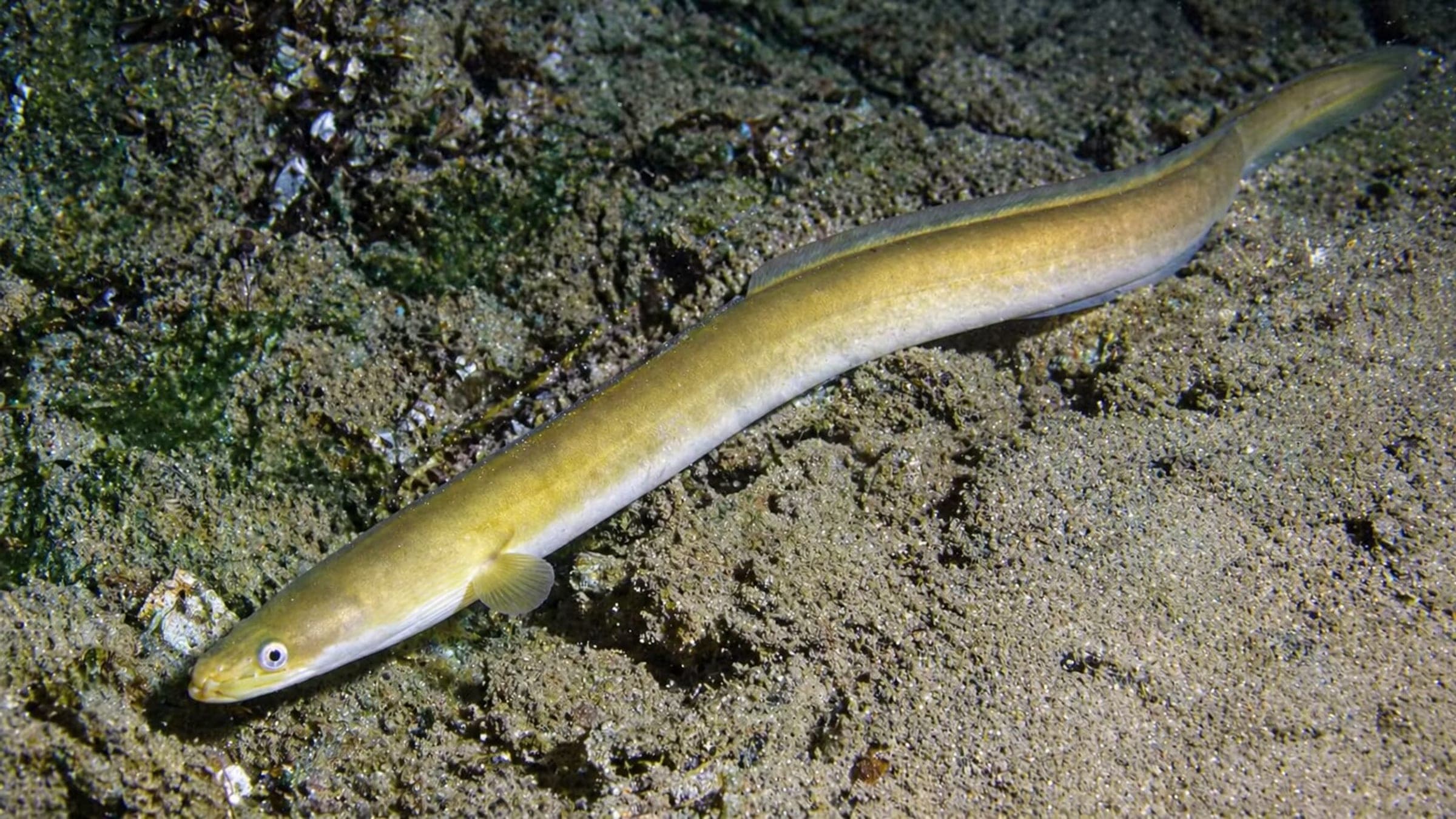
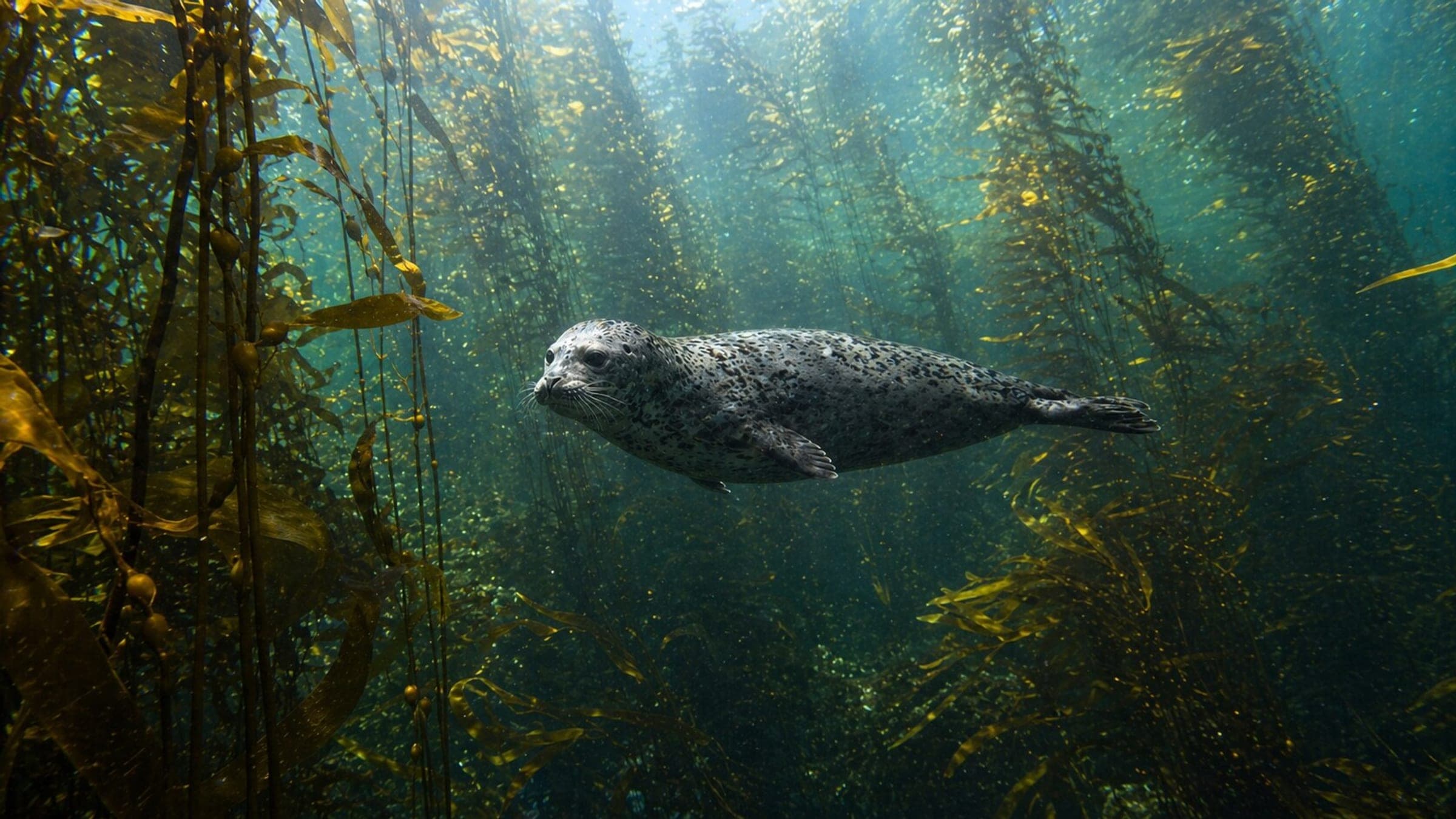
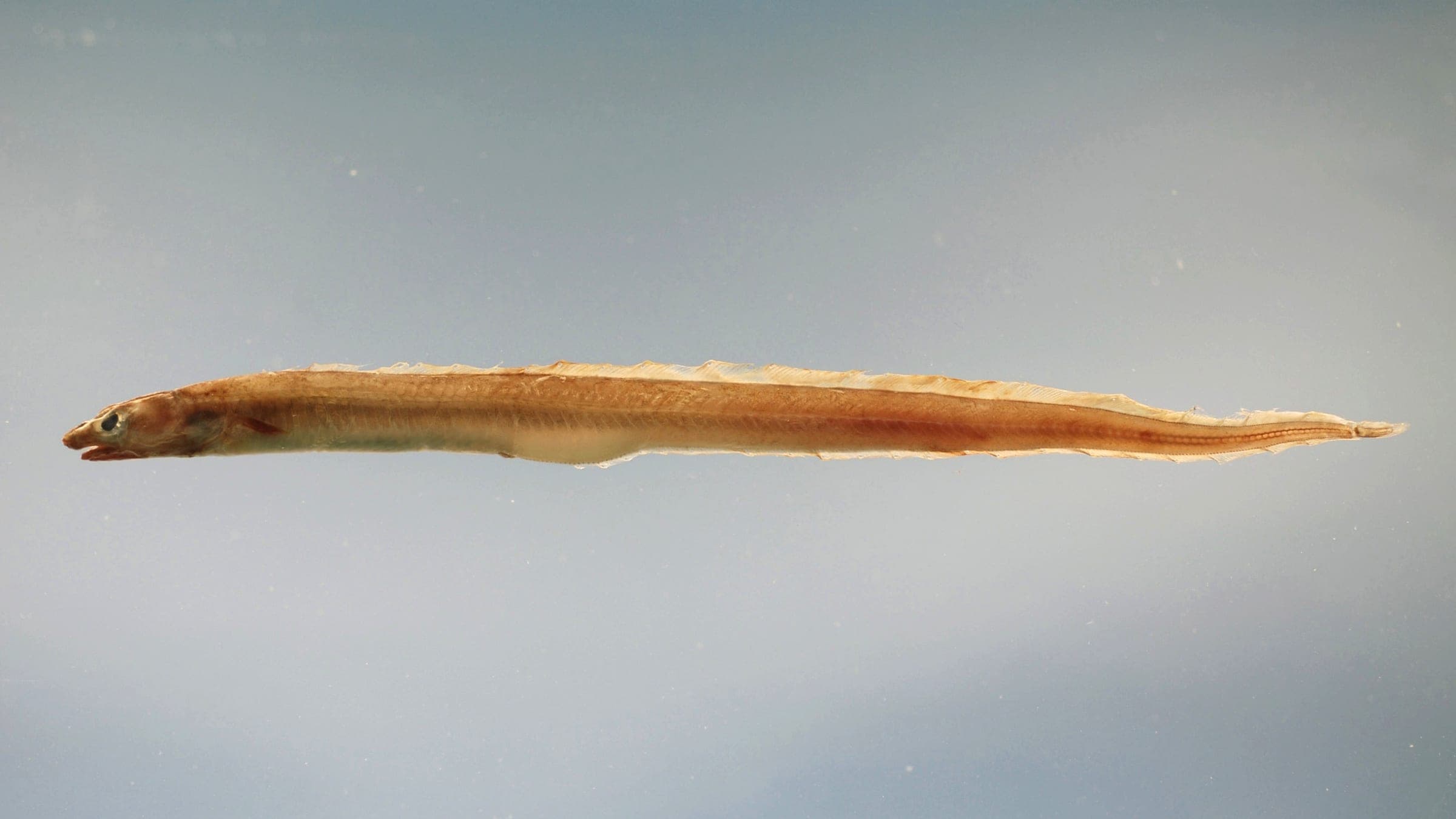
Top species linked to approved dive spots in Firth of Clyde and Loch Long.
Share what the whole destination was like. Once enough independent reviews are approved, DiveJourney publishes anonymous patterns, not reviewer profiles.
Day boats and tide-planned shore entries reveal a working estuary shaped by shipbuilding, trade, naval activity, and historic losses.
Drysuit-equipped teams dive throughout the year, although winter weather, short daylight, and cancellations require more flexibility.
Best time to go
May to September
No month removes the need for weather flexibility.
Main caution: Visibility can swing more from day to day.
2 linked spots