cloudfront.masterliveaboards.com · Liveaboard Operator
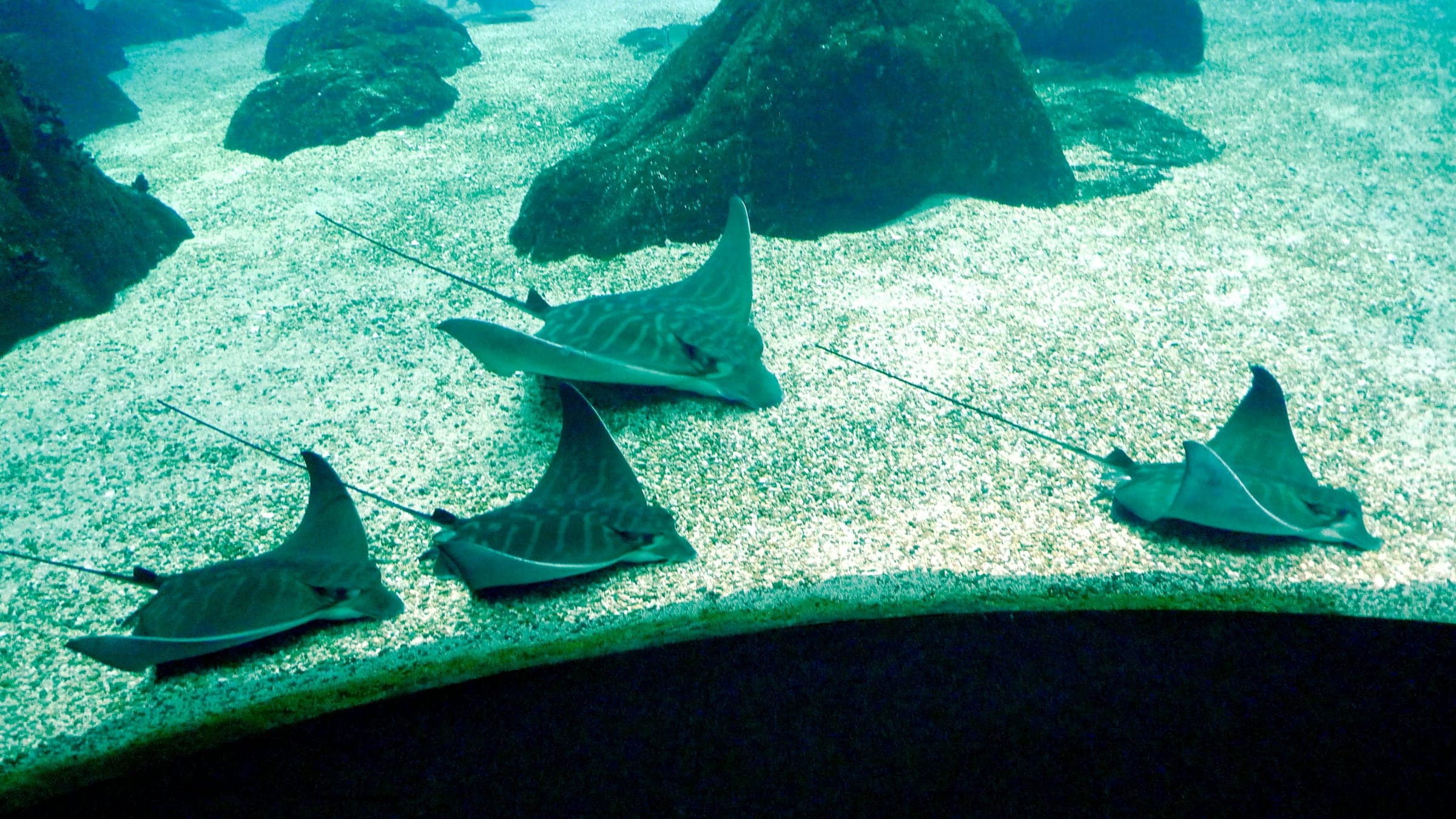
Itinerary PDF describing Maarehaa Kandu's outer reef, ledges, overhangs, fusiliers, sharks, and eagle rays.
Advanced Huvadhoo channel drift with sharks and eagle rays.
Advanced Huvadhoo channel drift with sharks and eagle rays.
Boat logistics, current timing, and remote channel positioning make local guide support the practical way to dive Maarehaa Kandu.
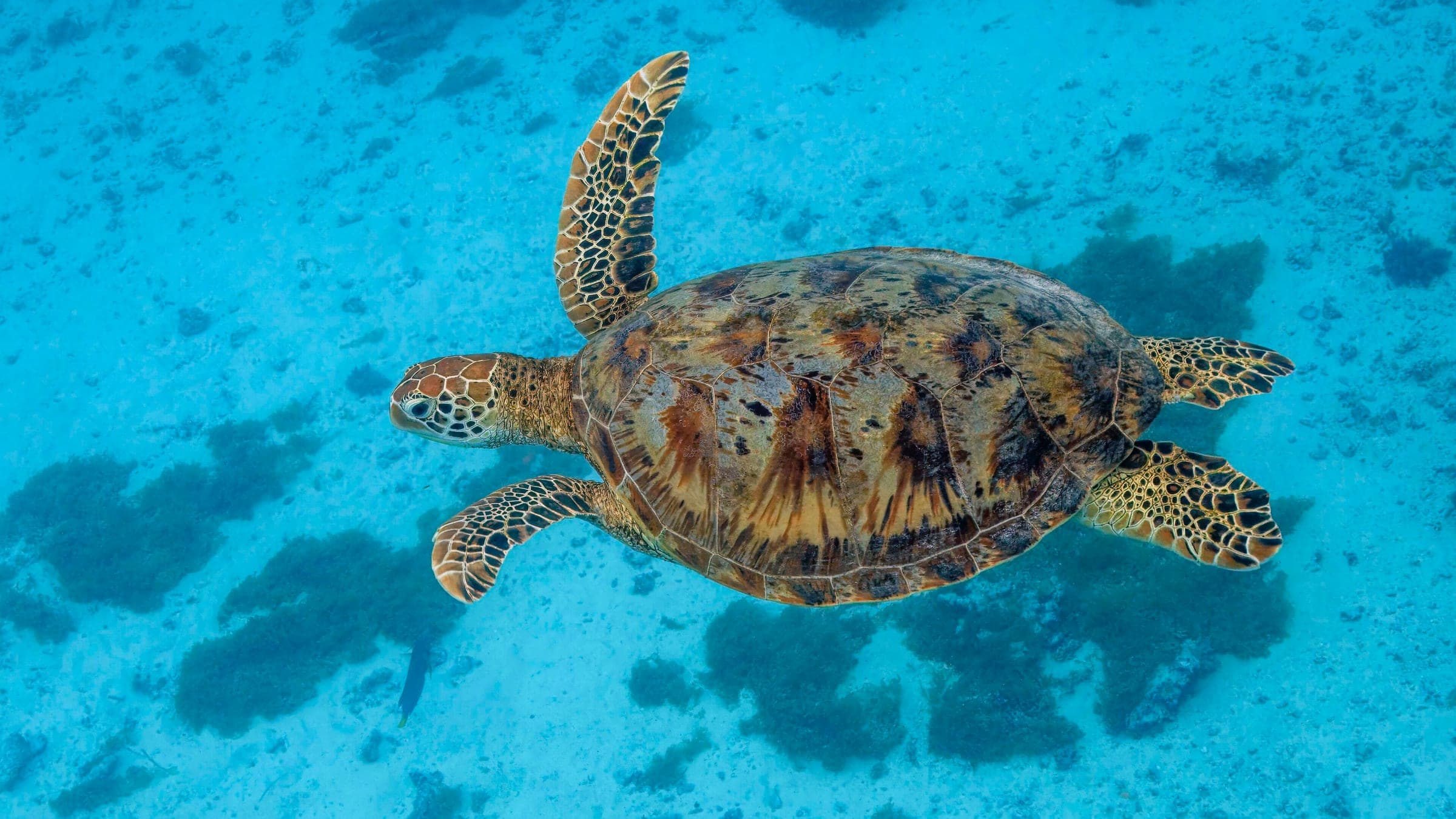
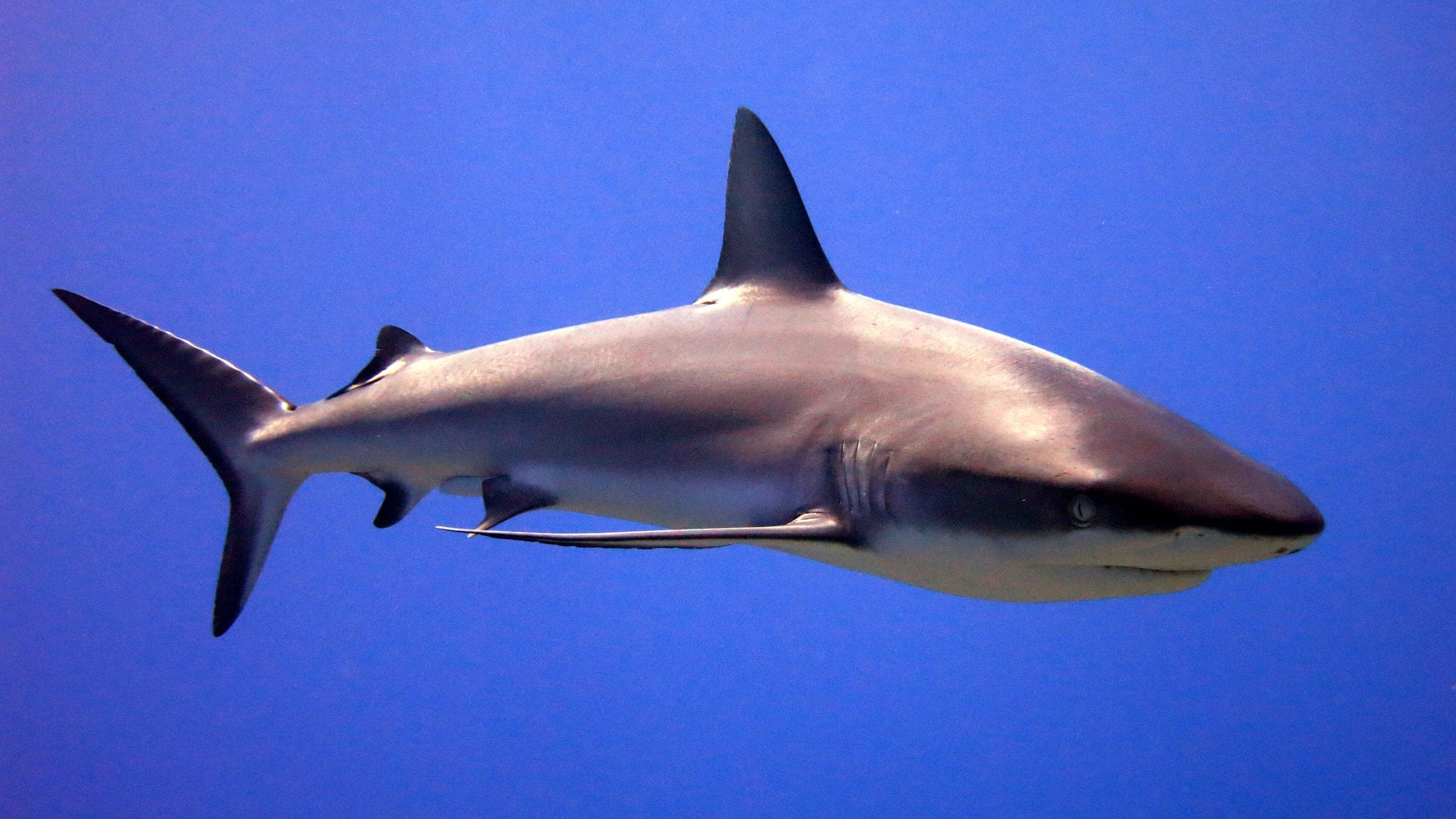
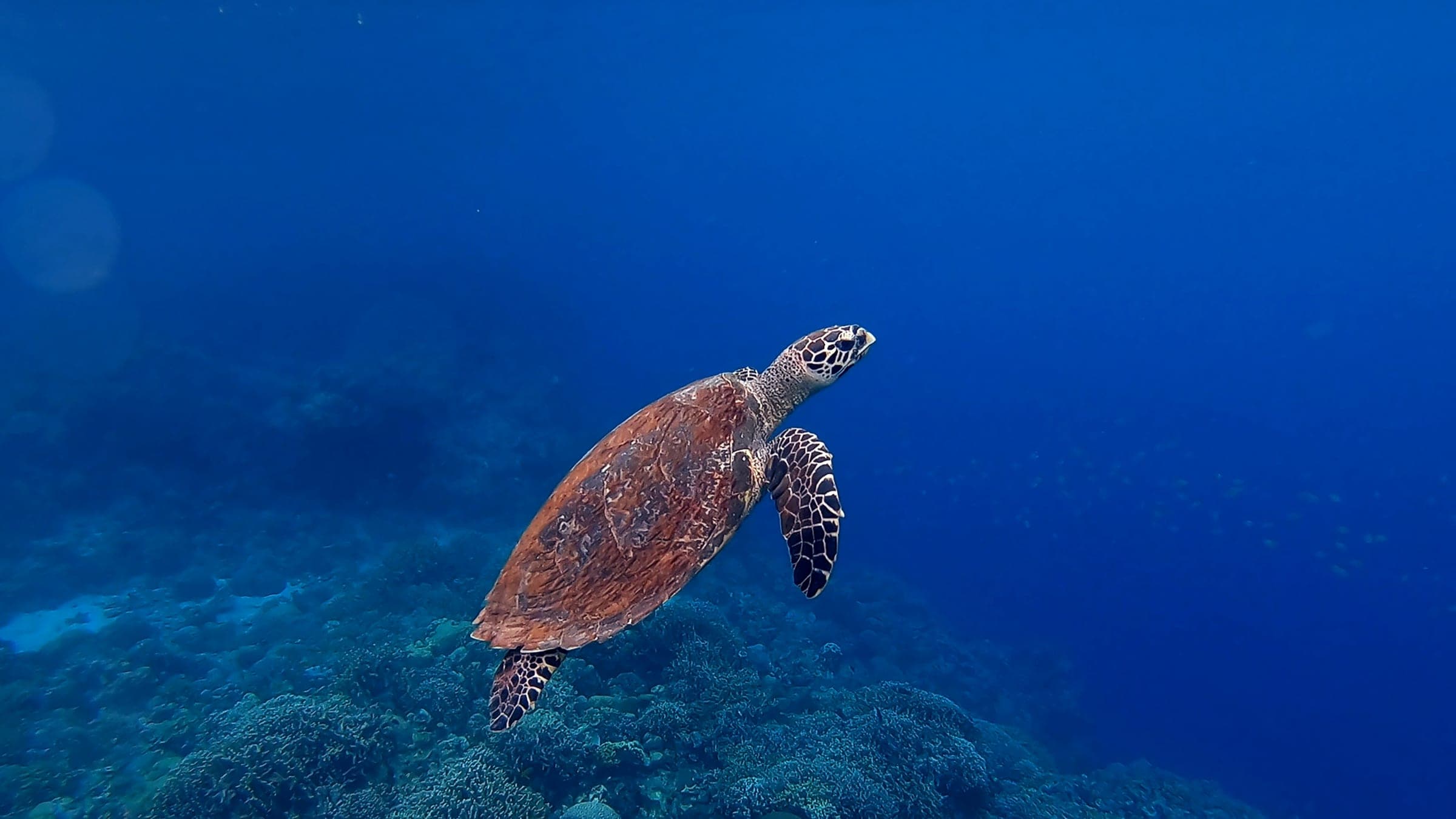
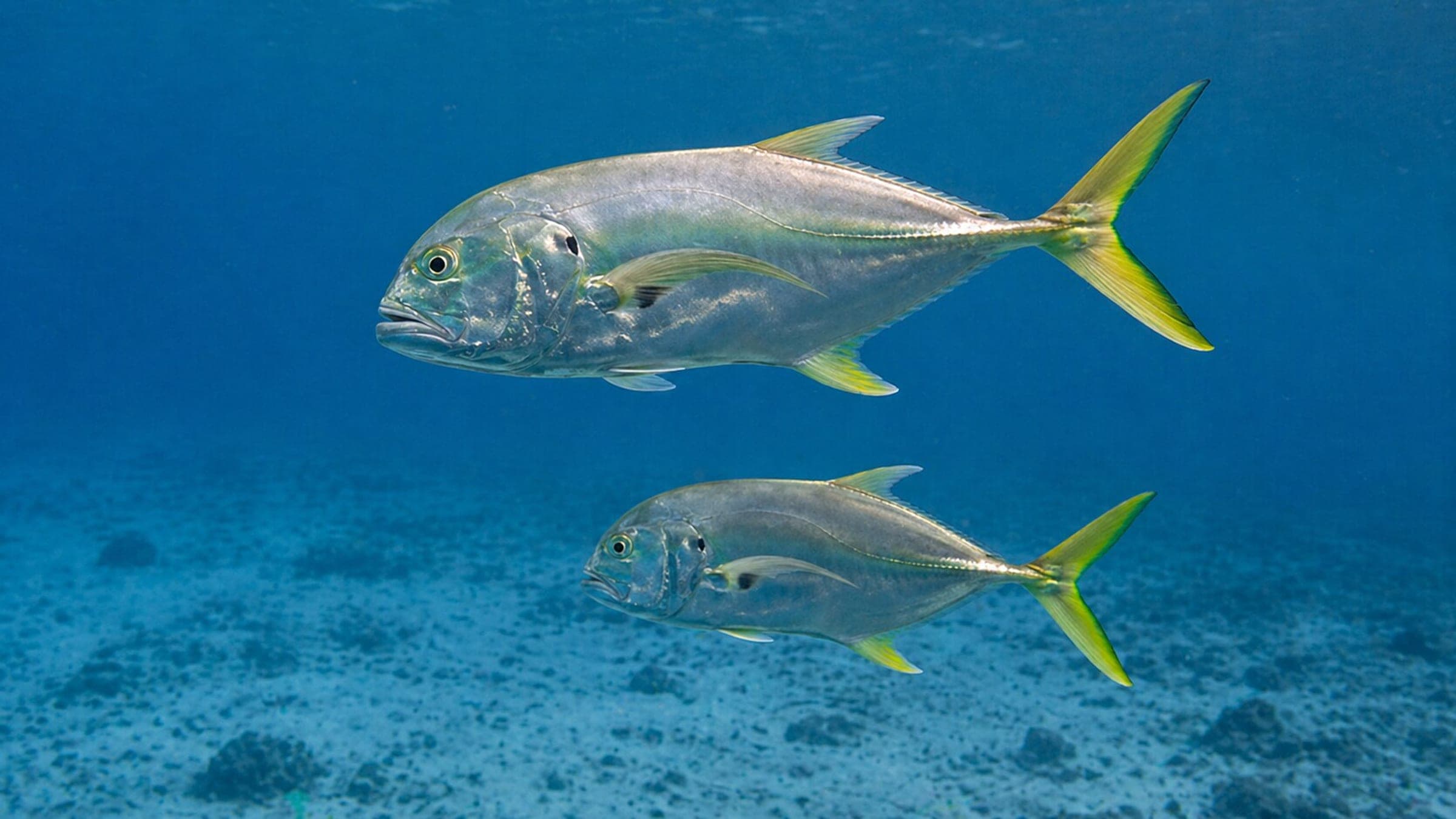
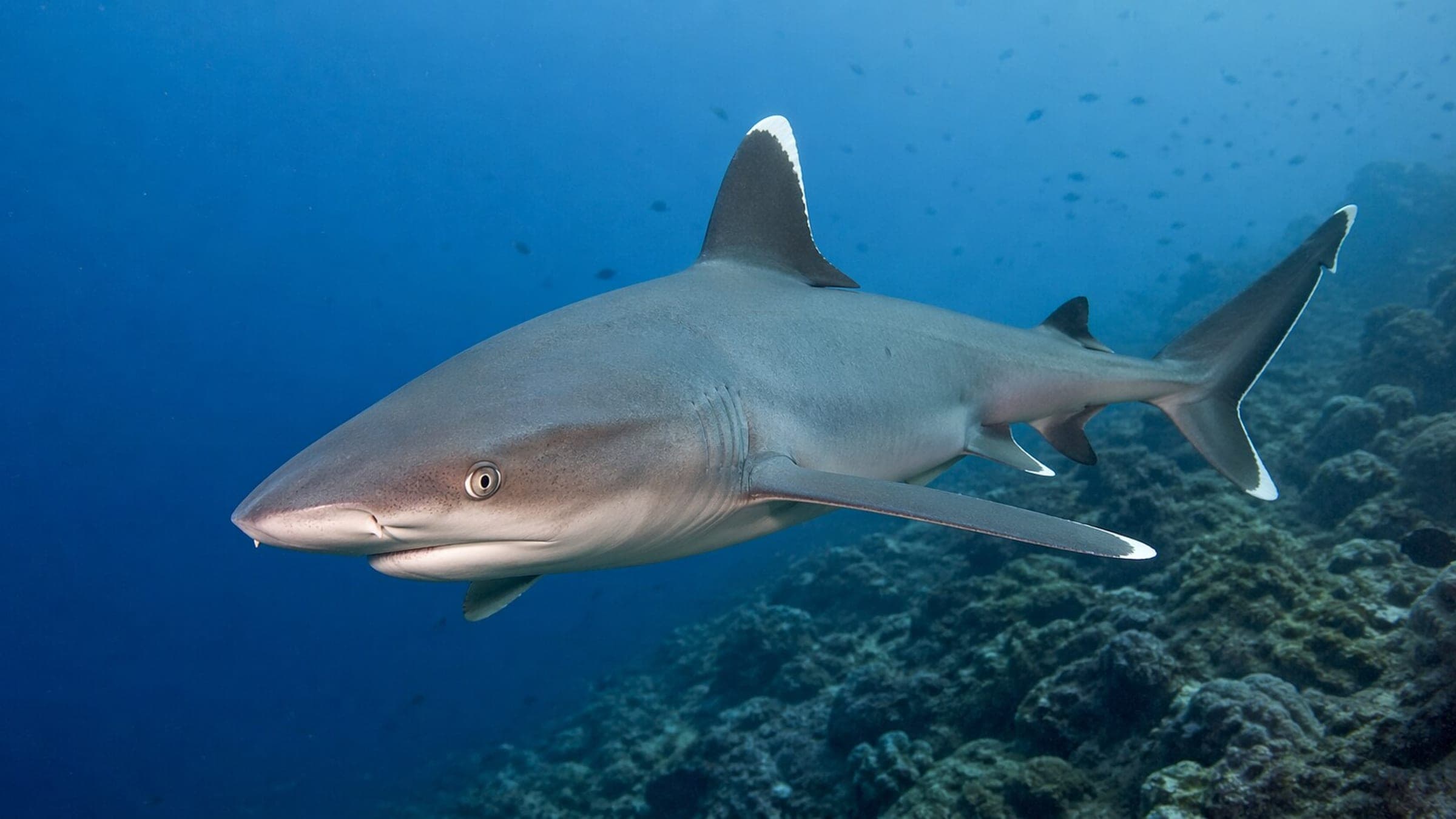
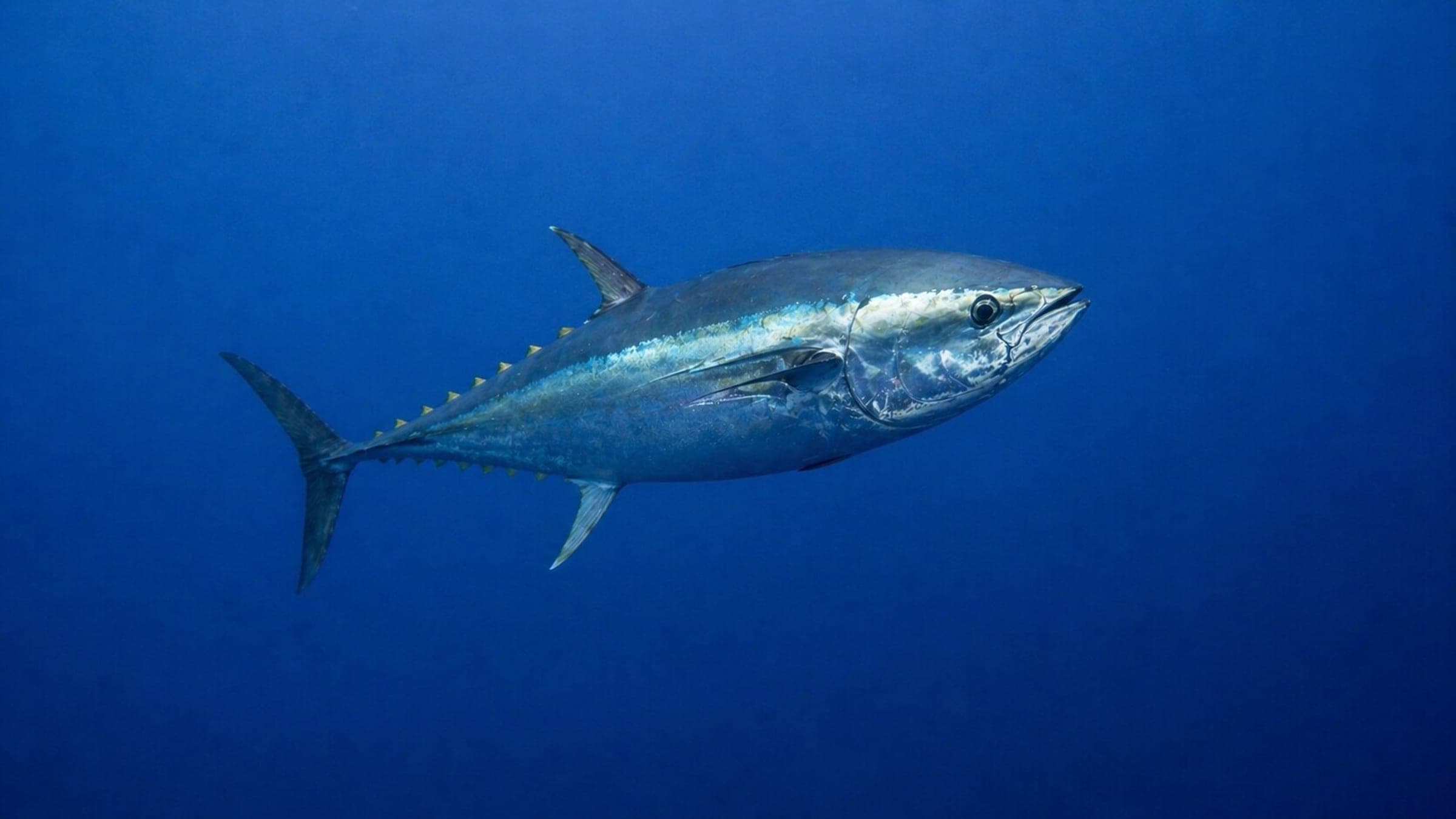
Maarehaa Kandu is an advanced boat-only channel dive on the eastern rim of Huvadhoo, where the outer wall, ledges, and channel mouth concentrate pelagic life. The site is widely described as a protected no-fishing pass, and when guides catch the right incoming flow, divers settle onto the edge to watch grey reef sharks, silvertips, eagle rays, jacks, and tuna moving through the blue. The dive is less about covering distance than timing the current and reading the channel. Expect a drift-oriented plan, open-water exposure at the mouth, and a finish that can slide into sandier sections with turtles, stingrays, fusiliers, and hard-coral patches inside the channel.
Conservative baseline from public research. No community dives logged yet.
Depth range, seasonality, and planning context.
Best Season
Commonly dived year-round, with January to April most often cited for clearer water and strong pelagic action in the deep south.
Typical Conditions
Expect an advanced drift-style channel dive with current-sensitive entries, blue-water shark watching at the mouth, and changing visibility as moving water and thermoclines pass through the channel.
Site conditions, restrictions, and access requirements.
Site Conditions
Safety Notes
This is a current-dependent channel dive; plan the dive for appropriate current and be prepared for large shark encounters.
Access Restrictions
Maarehaa Kandu is normally dived by liveaboard or operator boat. Follow the day's site-use briefing and any current no-take or protected-area rules applied to the channel.
Legal Notes
Maarehaa Kandu is commonly treated as a protected no-fishing channel. Confirm the current marine-protected-area rules and local site procedures with your operator before diving.
Community notes to help plan your visit.
Scuba Diving
Usually dived as an advanced guided channel drift with a prompt descent toward the wall or corner, followed by current-timed observation on the edge and a drift deeper into the channel.
Freediving
Maarehaa Kandu is not a typical freedive site. Boat access, open-water positioning, and current-dependent timing make it a much better fit for guided scuba.
Snorkeling
Maarehaa Kandu is generally not suitable for casual snorkeling because the site is boat accessed and exposed to current at the channel mouth.
Species commonly reported at this site, with direct links into their wildlife guides.
Community dive logs and visit reports for this site.
Average conditions based on logged dives & visits.
Planning answers for access, conditions, timing, and site logistics.
Last Updated
Research Sources
Itinerary PDF describing Maarehaa Kandu's outer reef, ledges, overhangs, fusiliers, sharks, and eagle rays.
Operator overview naming Maarehaa Kandu as a protected no-fishing channel with large grey reef shark and silvertip encounters.
Dive log describing medium to strong incoming current, 15-18 m visibility, and repeated grey reef shark, silvertip, eagle ray, and jack encounters.
Know this site? Improve Spot Details.
Blue-water hammerhead search dive outside Gemanafushi.
Advanced blue-water channel drift with frequent shark action.
Advanced outer channel dive with strong current and shark action.
North-point wall and blue-water reef with thresher shark passes.
North-tip drift dive with coral and blue-water edge.