White fin margins
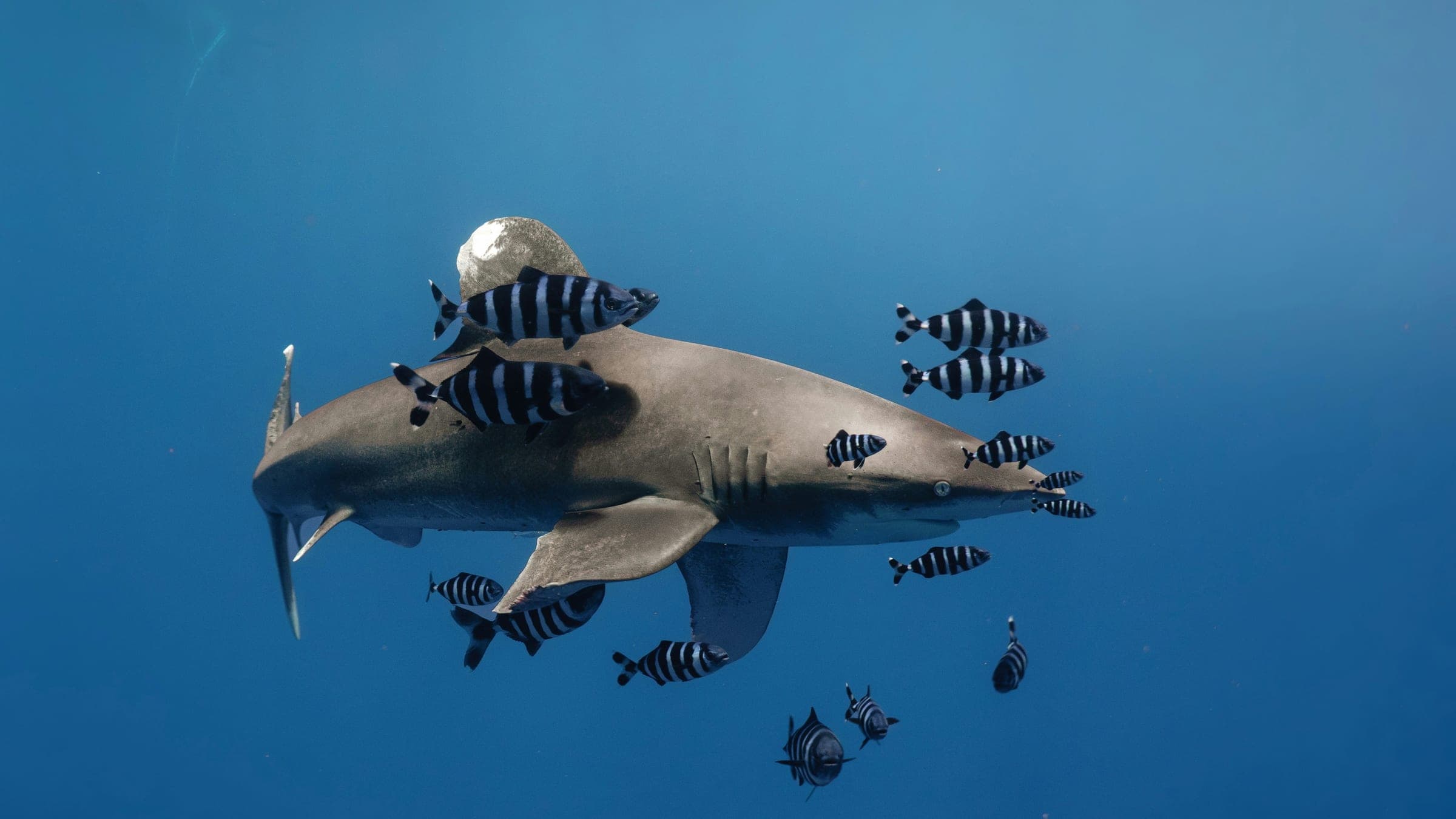
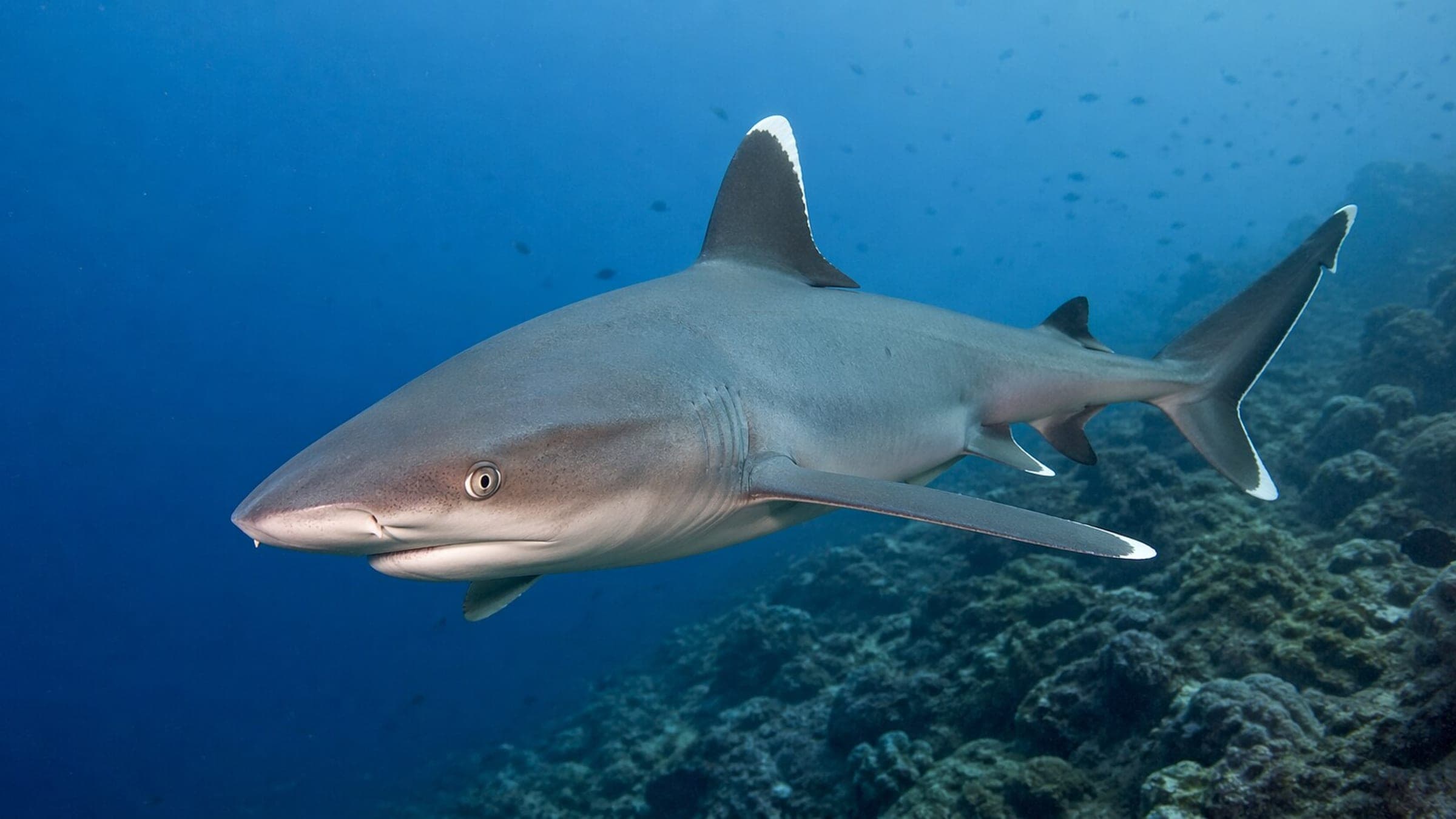
Prominent white margins on the fins distinguish silvertip sharks from similar species.
Species Guide
A clean field guide focused on habitat, identification, behavior, and conservation context without burying the useful parts.
The silvertip shark (Carcharhinus albimarginatus) is a large requiem shark with a fragmented distribution across the tropical Indian and Pacific Oceans. It is often encountered around offshore islands and coral reefs and can dive to depths of about 800 m (2,600 ft). The species attains a maximum length of about 3 m (10 ft) and is bulkier than the grey reef shark. Silvertip sharks are apex predators that feed on a wide variety of bony fishes, eagle rays, smaller sharks, and cephalopods. They are viviparous; females give birth to one to 11 pups in the summer. Silvertip sharks are regarded as potentially dangerous to humans and often approach divers closely. The species is taken by commercial fisheries for meat, fins, skin, cartilage, and jaws and teeth, which has led to local population declines or extirpations.
Commonly cited pressures include Commercial fishing.
Often encountered around offshore islands and coral reefs; known to dive to depths of about 800 m (2,600 ft).
The strongest linked planning options currently surface around destinations such as Fuvahmulah, Coral Coast, Viti Levu, Gizo and Western Province and countries such as Maldives, French Polynesia, Solomon Islands for divers building trips around silvertip sharks.
Identification
The visual markers divers can use underwater, plus the species most likely to cause confusion.
Prominent white margins on the fins distinguish silvertip sharks from similar species.
Larger and bulkier than the grey reef shark, reaching up to about 3 m (10 ft).
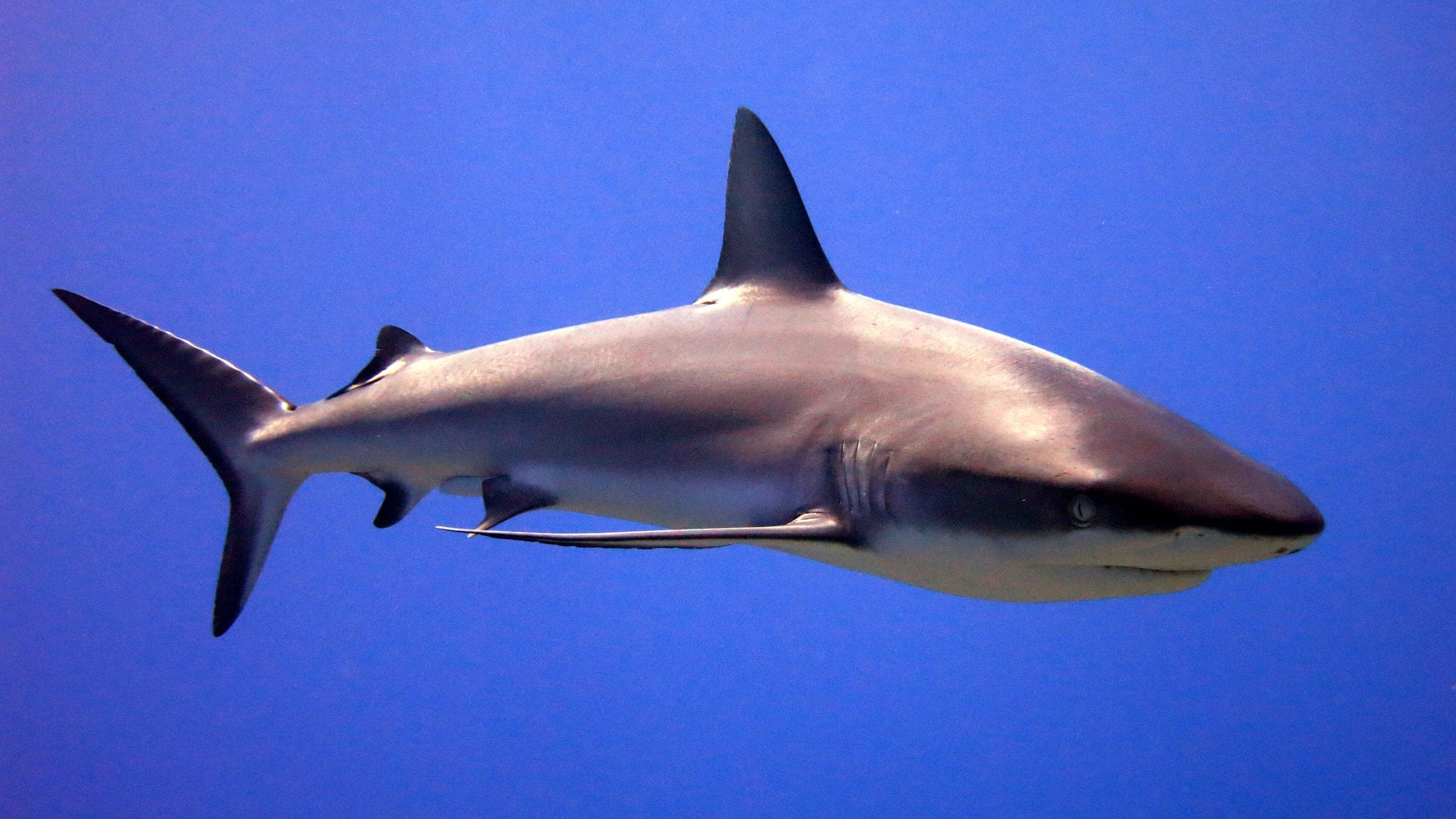
Silvertip sharks resemble the grey reef shark but have prominent white fin margins and a bulkier build.
Range and Movement
The broad range, seasonal movement, or migratory behavior that shapes where divers encounter this species.
Often encountered around offshore islands and coral reefs; known to dive to depths of about 800 m (2,600 ft).
Diet
Useful feeding context that often explains habitat, movement, and encounter style.
Feeds on a wide variety of bony fishes, eagle rays, smaller sharks, and cephalopods.
Conservation
Status, pressure, and protection context grounded in cited sources rather than filler.
Commonly cited pressures include Commercial fishing.
Taken for meat, fins, skin, cartilage, and jaws and teeth, leading to local population declines or extirpations.
Responsible Encounters
Conservation-minded guidance for divers who want the encounter without adding pressure.
Exercise caution: silvertip sharks are regarded as potentially dangerous and often approach divers closely.
Field Notes
Useful species context that makes the encounter more meaningful once you are underwater.
Silvertip sharks are aggressive, powerful apex predators that can dominate other requiem sharks of similar size during feeding.
Larger individuals are often heavily scarred from conflicts with others of their species.
They are viviparous, with females giving birth to one to 11 pups in the summer.
Top Destinations
Destinations surfaced from the linked dive spots associated with this species.
Top Countries
The strongest country-level starting points currently linked to this species.
Top Dive Spots
Directly linked dive spots where this species already shows up in the planning data.

Boat-only south-point drift for pelagics off Fuvahmulah.
Advanced harbor-side wall for tiger-shark passes.
Current-swept Coral Coast reef with shark action.
North Fuvahmulah reef-and-wall dive with pelagic passes.
Rangiroa pass drift with sharks and mantas.
Big Brother is a remote Red Sea liveaboard dive with sharks and wrecks.
FAQ
Clear planning and conservation answers written for search visibility and AI retrieval.
Research Sources
Primary and credible references behind the field-guide and conservation claims on this page.
Primary wildlife guide source.
Taxonomy reference.
Related Species
Related species guides in the same encounter family.