dreamdivers.co.uk · Dive Directory
Dream Divers guide to El Quseir dive sites including Ras Quseir entry, marine life, and difficulty
Reef wall with coral blocks and seagrass; rich macro life, Egypt Red Sea.
Reef wall with coral blocks and seagrass; rich macro life, Egypt Red Sea.
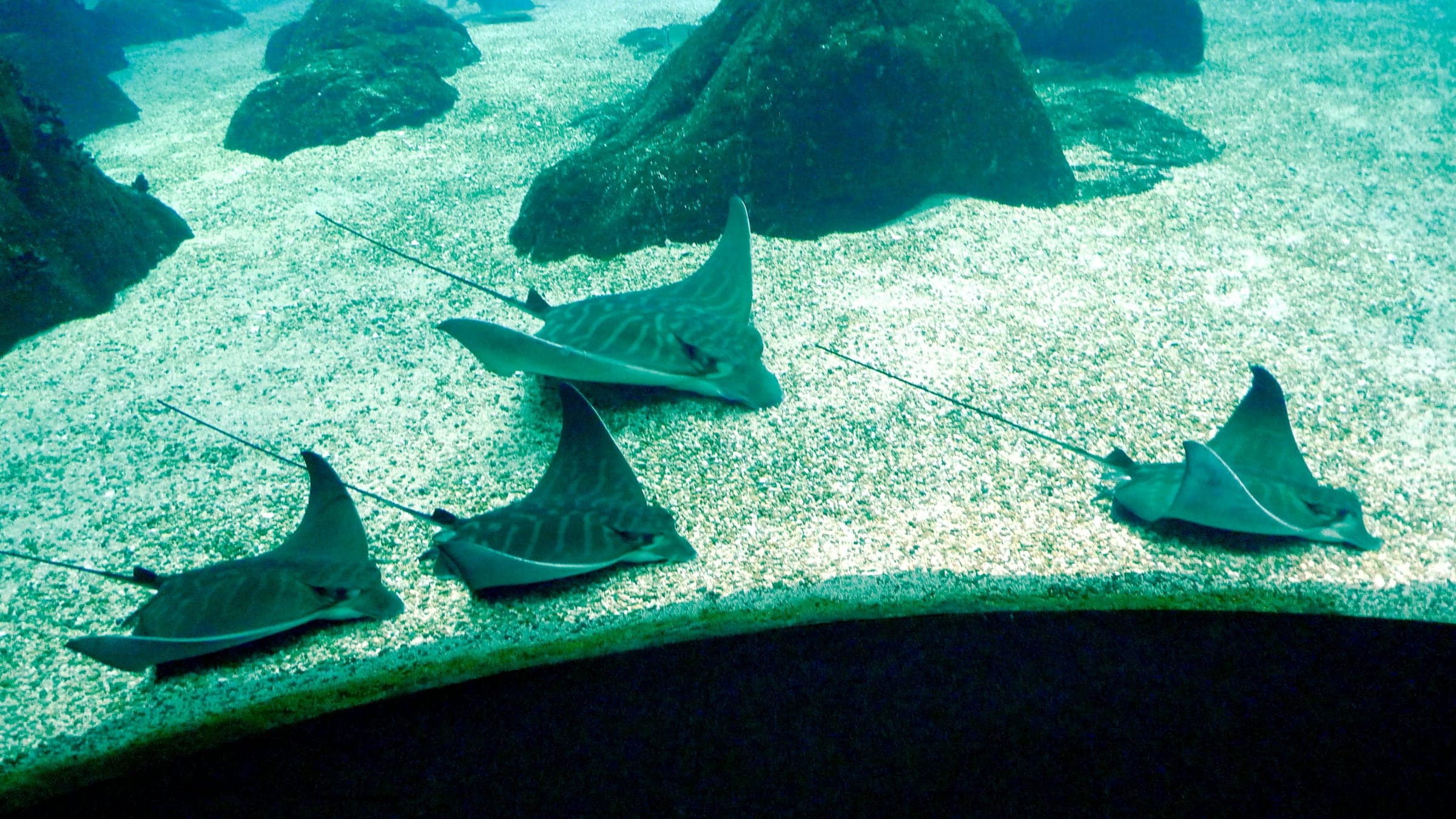
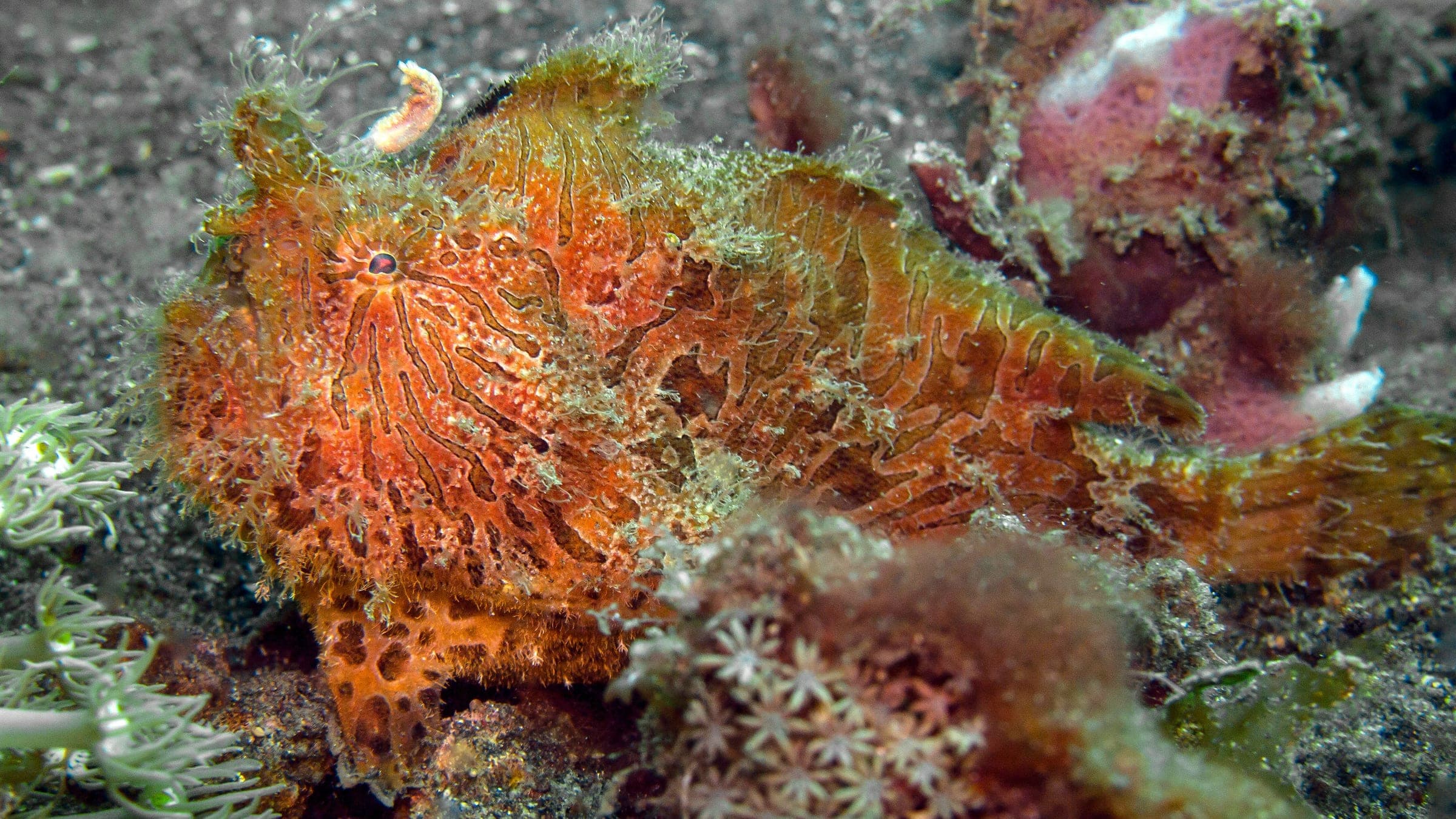
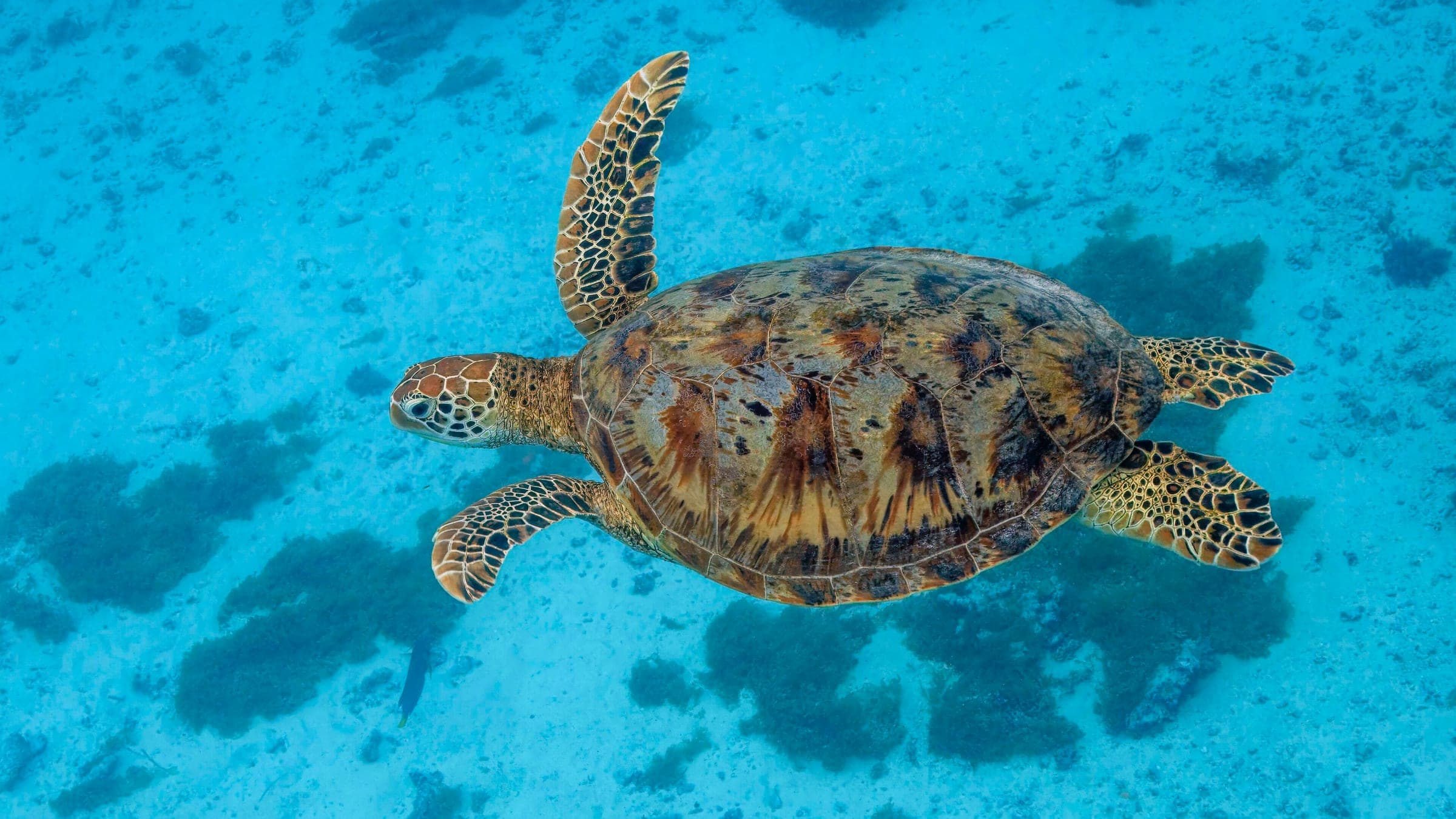
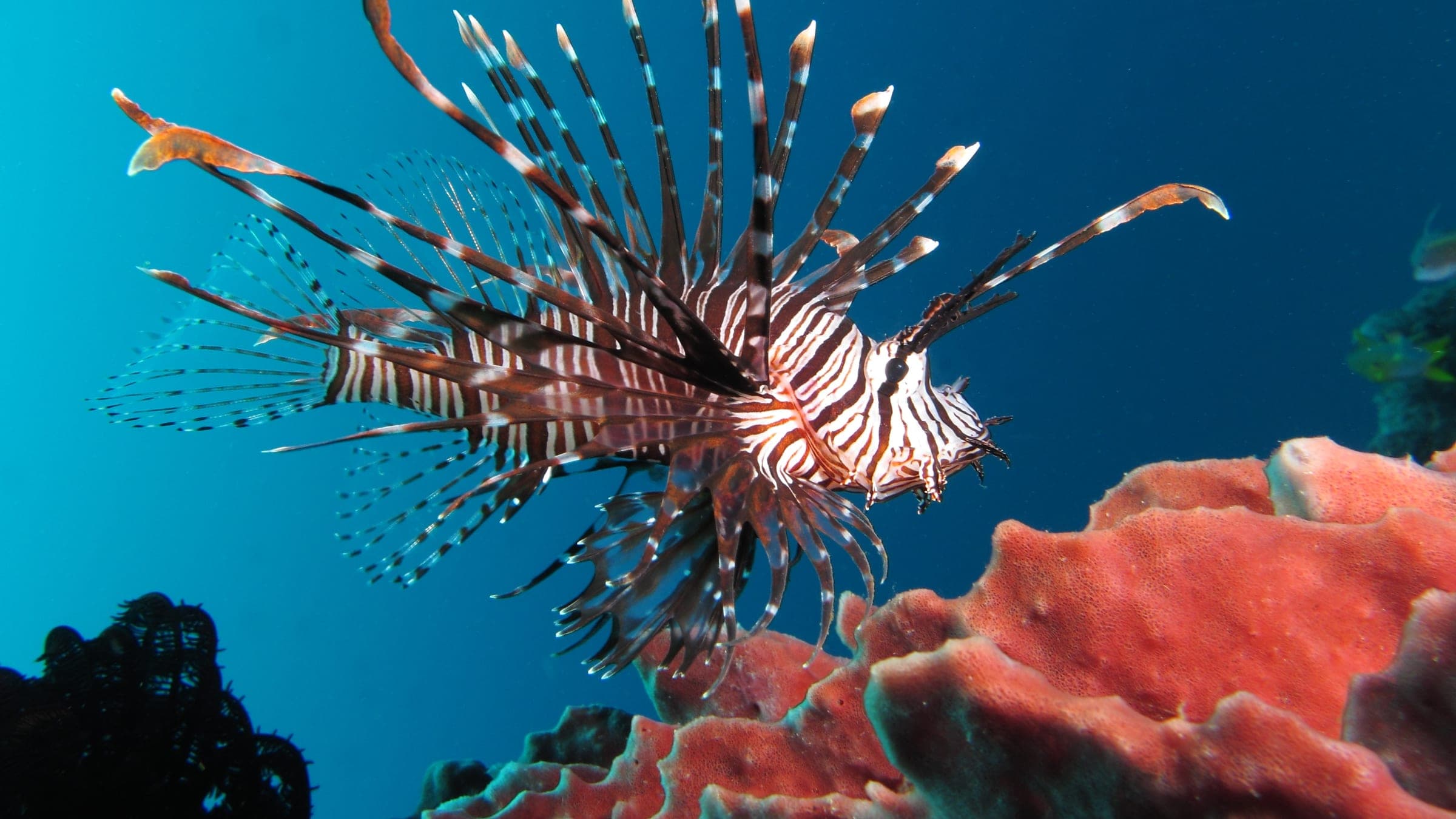
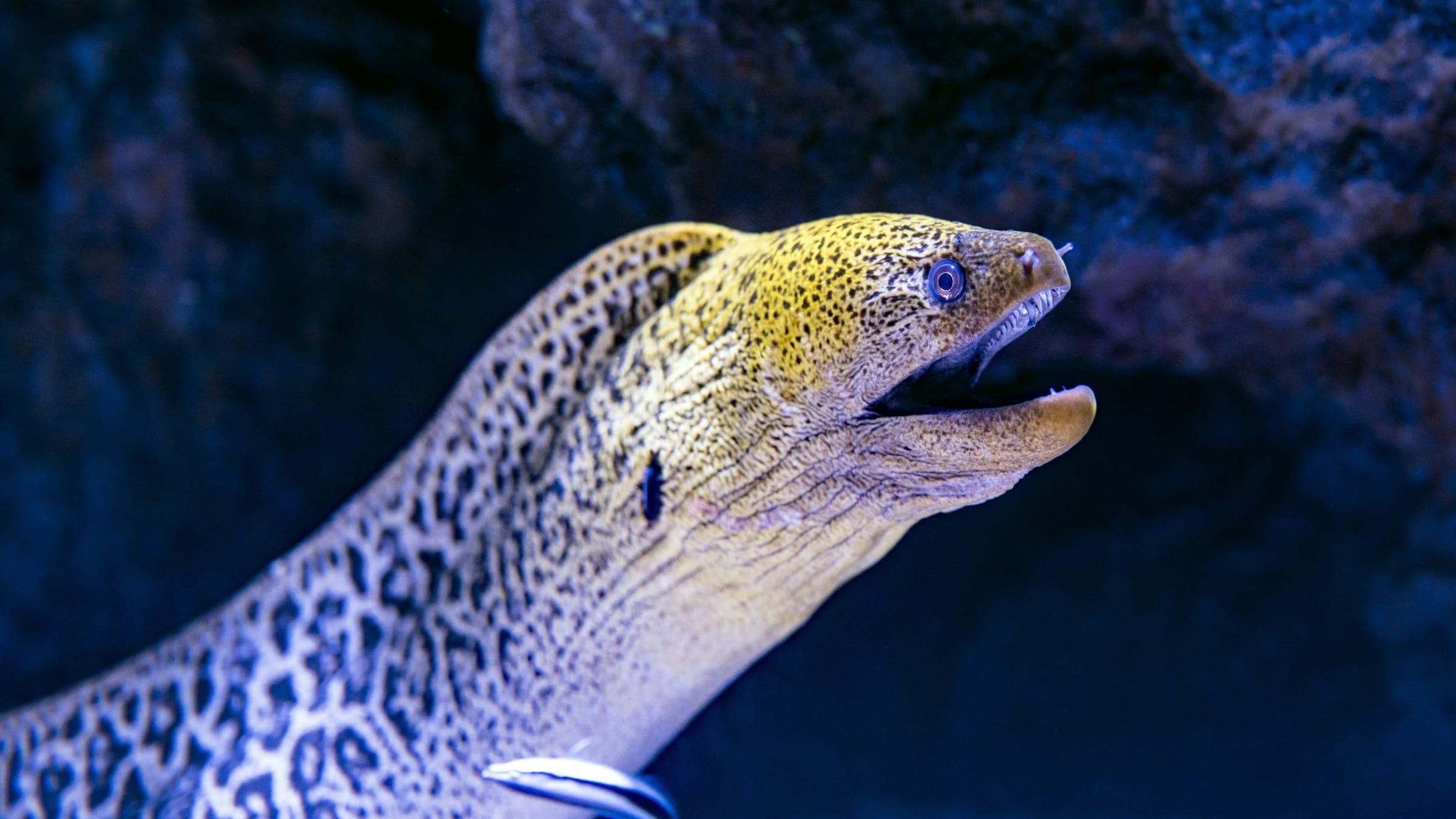
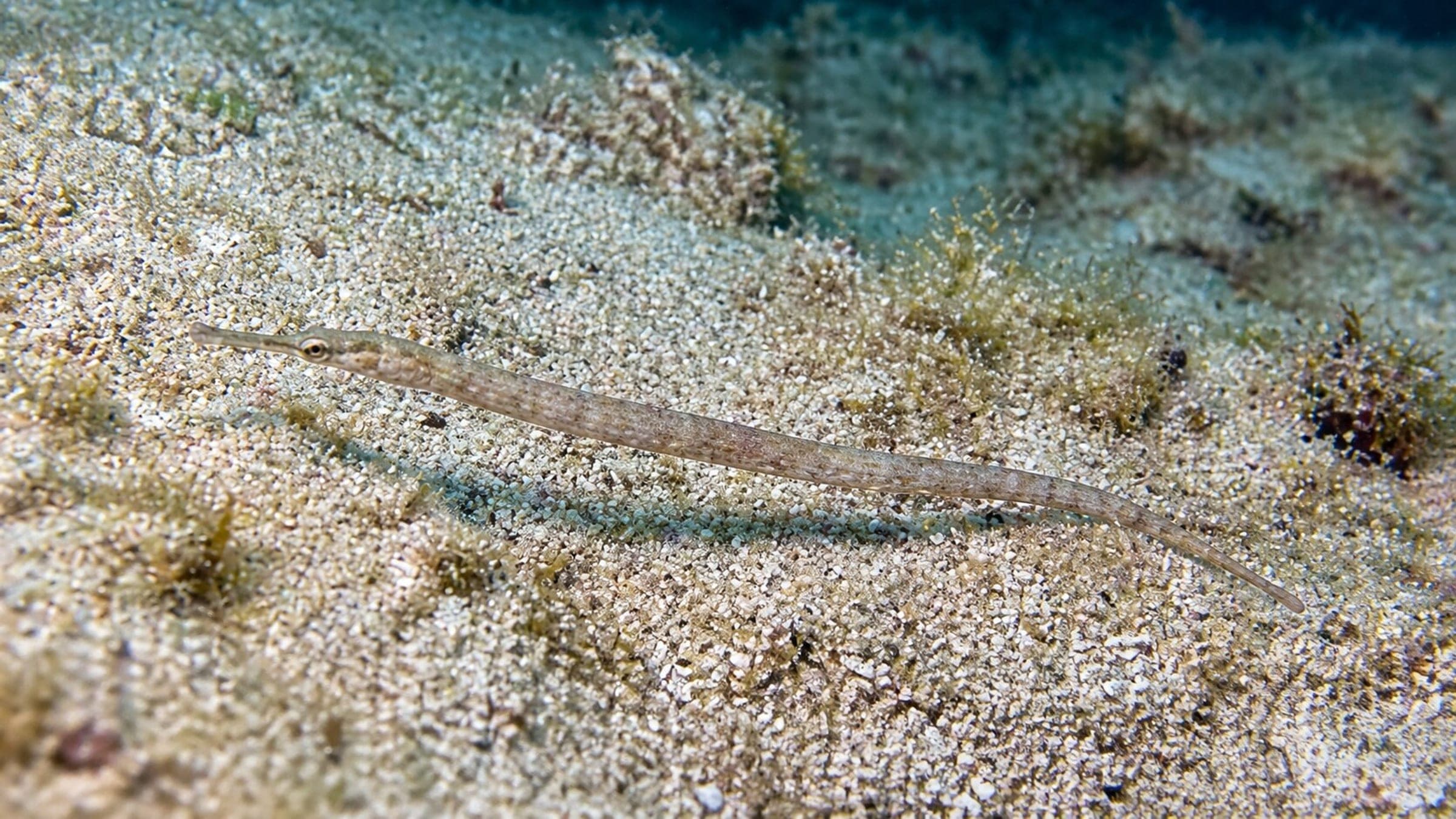
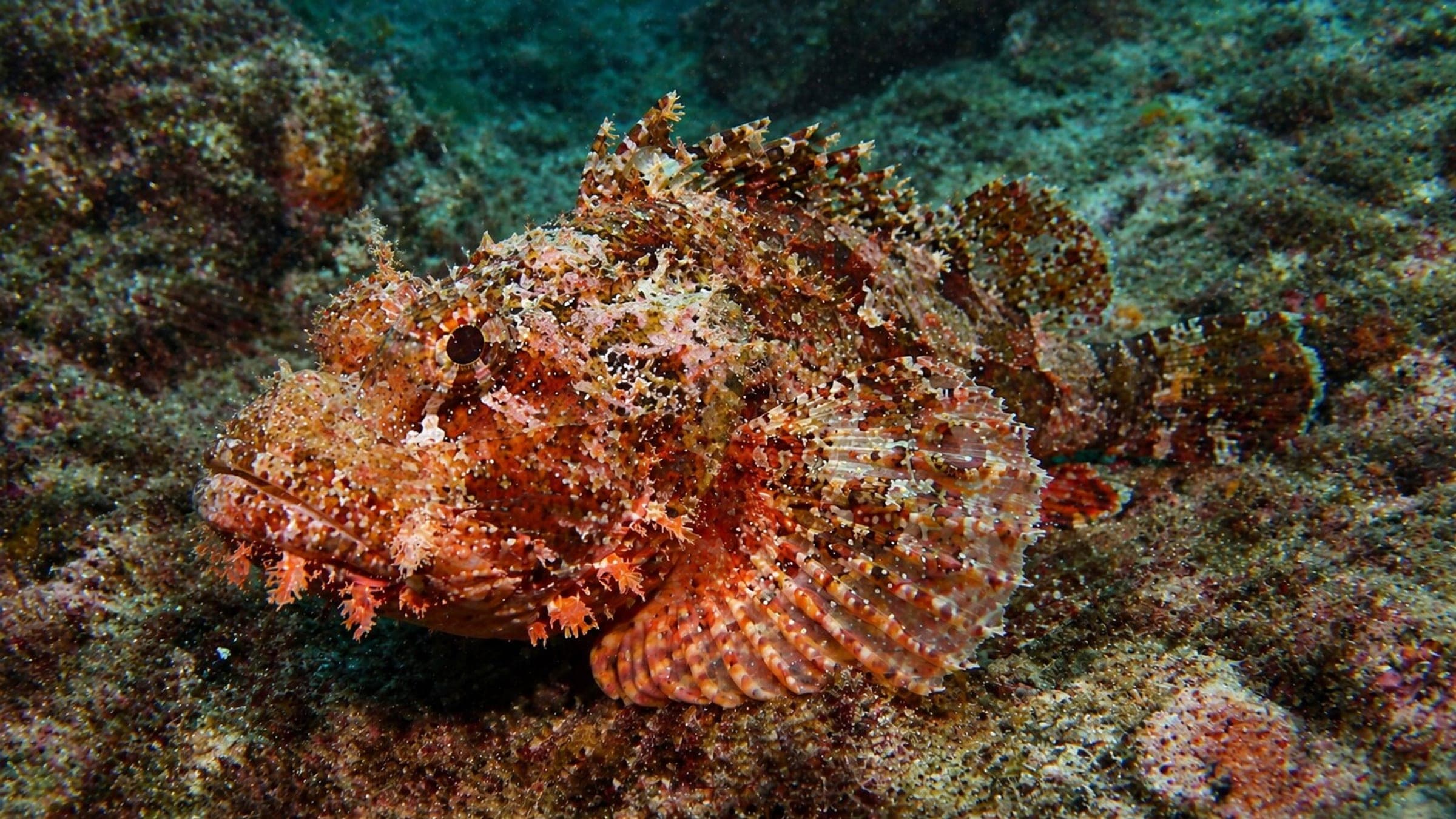
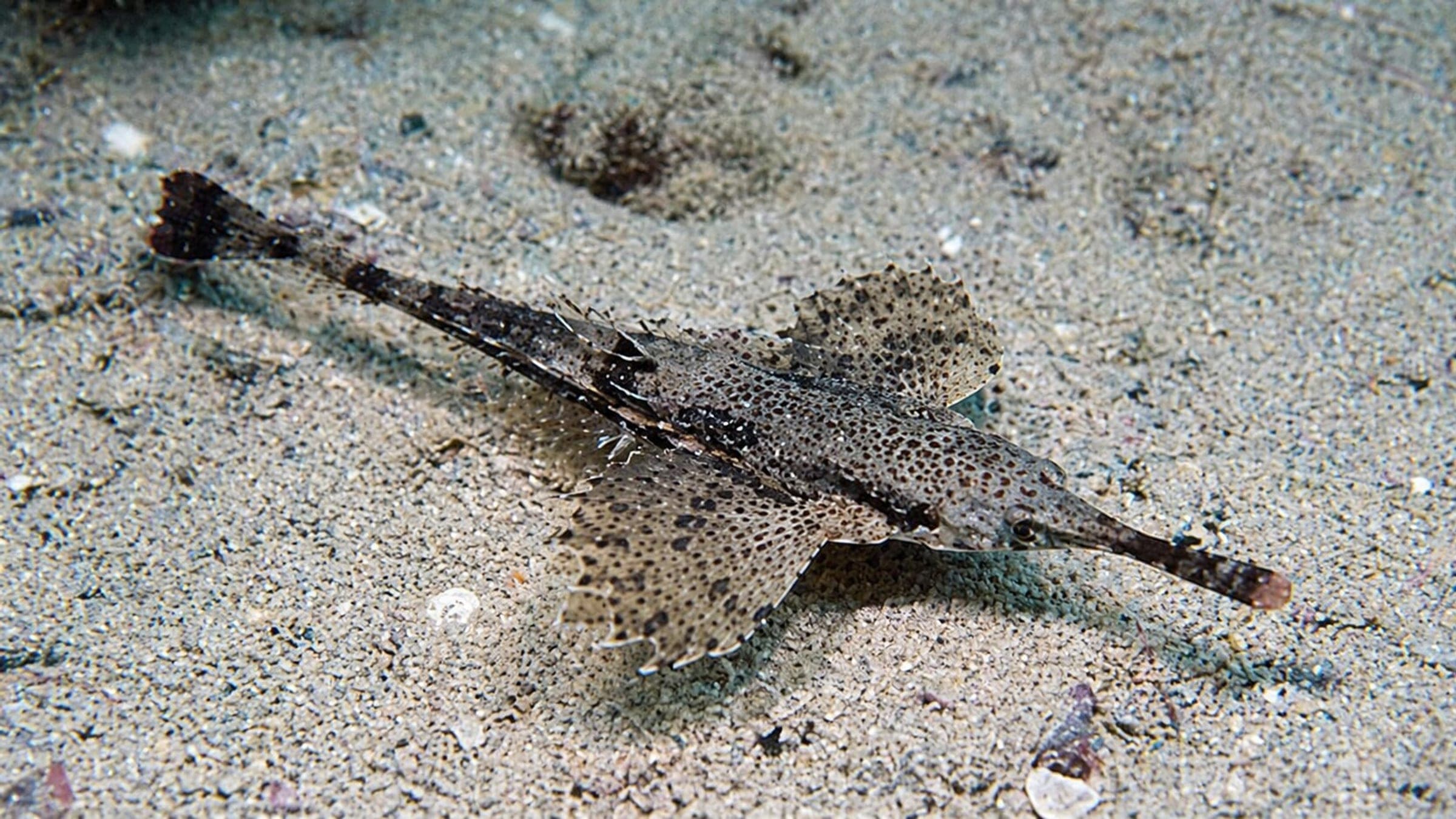
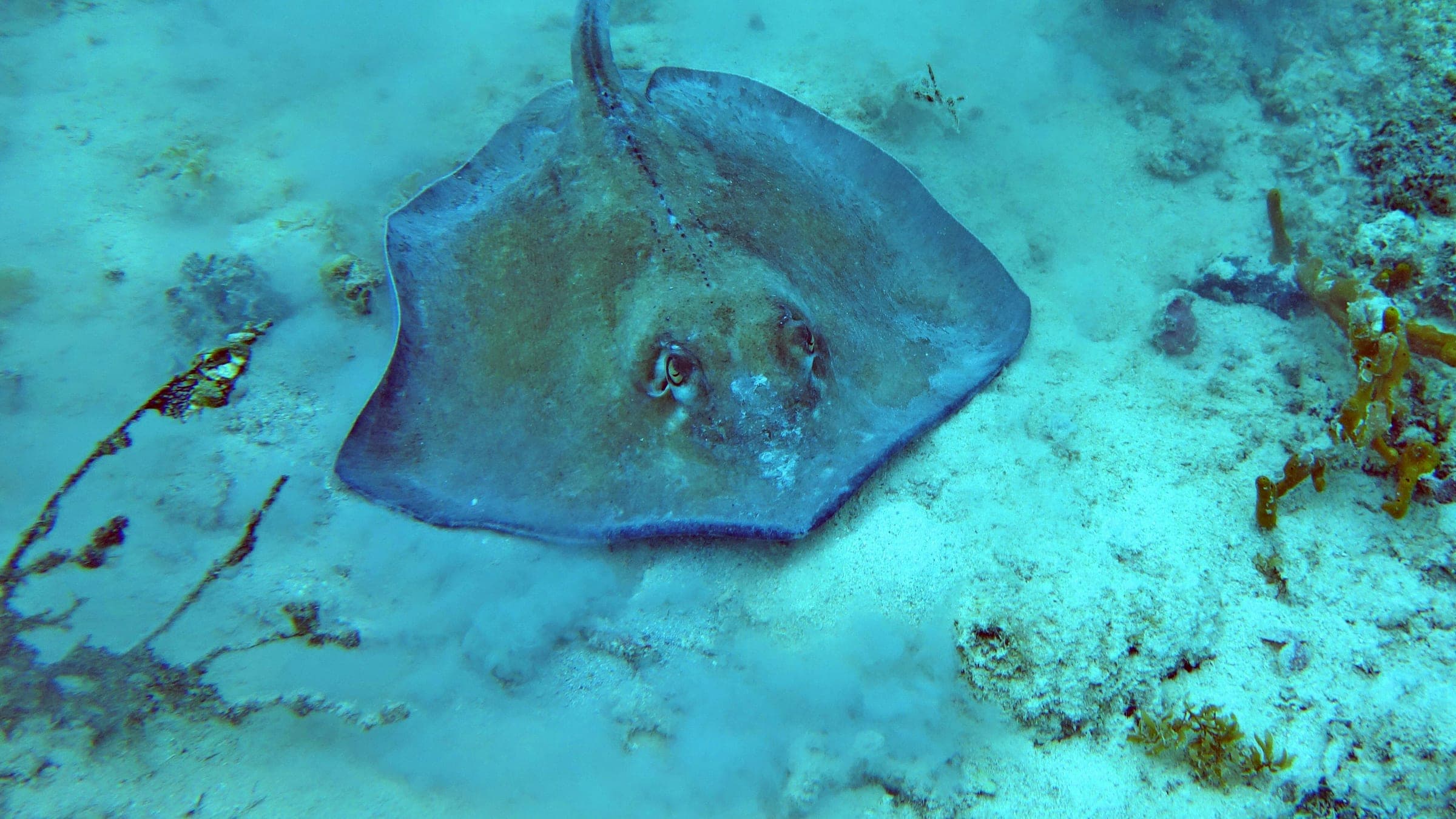
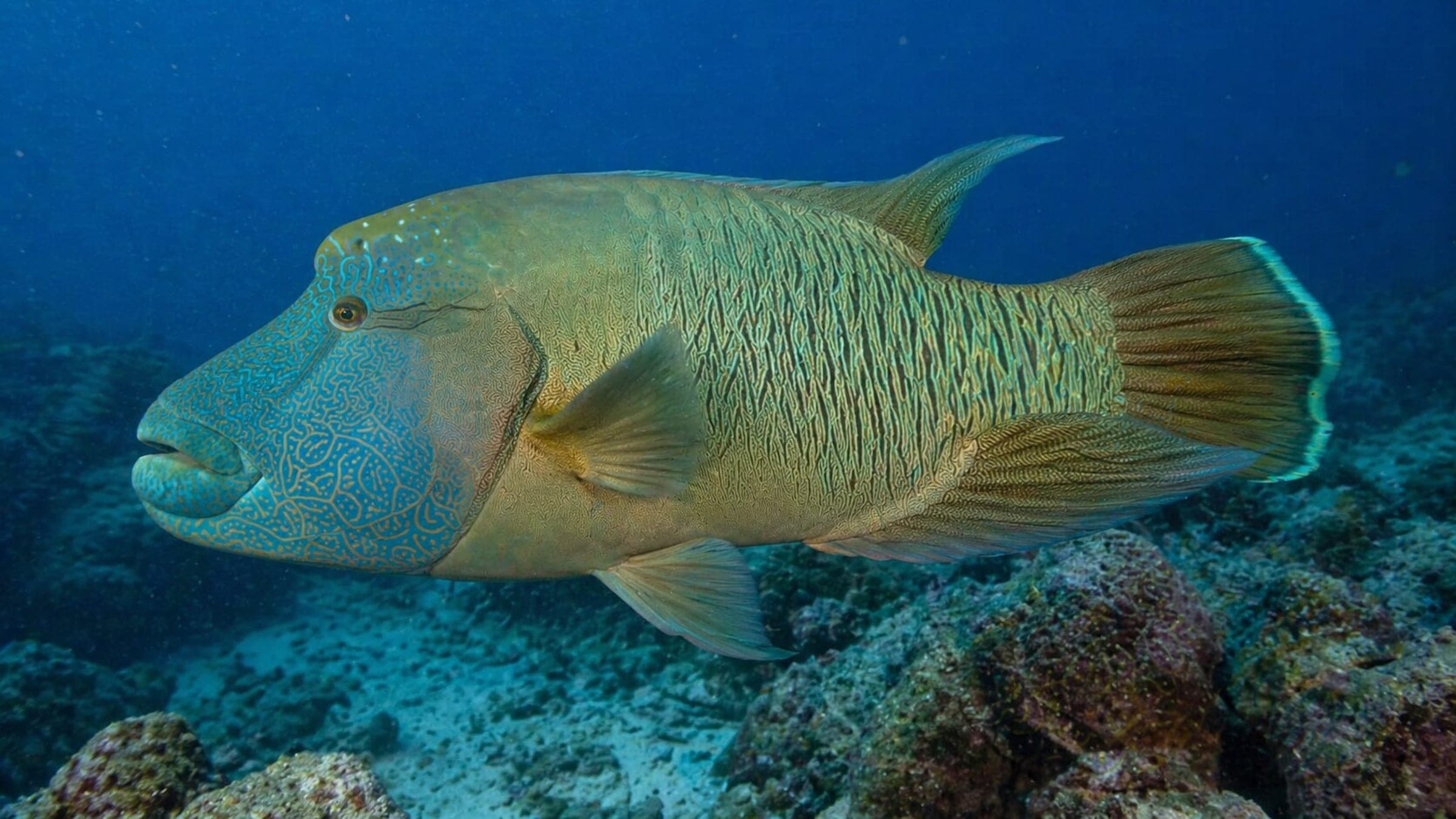
Ras El Quseir is a shore-accessible wall and reef site on Egypt's Red Sea coast, where a heavily colonised coral wall descends to a sandy bottom scattered with large coral blocks. The seagrass meadow that runs along the base holds smaller coral formations and draws grazing green turtles, while the wall itself supports moray eels, scorpionfish, frogfish, and ghostpipefish tucked into the growth. Entry is typically from the beach or jetty with a short swim to the reef edge, and the site suits divers from intermediate level upward due to the varied depth profile and occasional moderate current. Best conditions fall between March and May and again September to November, when water temperatures sit around 24-28°C and visibility is at its clearest, though the site can be dived year-round.
Conservative baseline from public research. No community dives logged yet.
Depth range, seasonality, and planning context.
Reported Depth
5m - 25m
Depth Note
Wall crest begins at around 5m and the main dive zone runs to approximately 13-25m along the wall and across sandy bottom areas. Greater depths possible along the deeper wall but not typically the focus of recreational dives here.
Best Season
March to May and September to November offer the clearest visibility and most comfortable water temperatures. Diving is possible year-round, with winter months bringing cooler water and occasional surface chop from northerly swell.
Typical Conditions
Mild to moderate current with small to medium surge in most conditions. Visibility typically 15-20m in ordinary conditions, reaching higher in peak season. Water temperatures range from approximately 22°C in winter to 28°C in summer.
Site conditions, restrictions, and access requirements.
Site Conditions
Safety Notes
Be cautious around camouflaged venomous species such as stonefish and scorpionfish when near the bottom, coral blocks, and sandy patches. Maintain neutral buoyancy above coral and avoid placing hands or knees on any substrate. Monitor current direction before descending.
Community notes to help plan your visit.
Scuba Diving
The main dive route follows the wall from the reef crest downward, then moves across the sandy bottom to explore large coral blocks before returning through the seagrass meadow. Plan for a 45-60 minute dive; the seagrass zone holds macro life worth slowing down for. Moderate current is possible; plan entry and exit with the current in mind.
Snorkeling
The shallow reef crest and seagrass areas close to shore are accessible for snorkellers in calm conditions. Turtles are regularly seen in the seagrass zone. Surface conditions can be choppy in winter; best in the calmer spring and autumn months.
Species commonly reported at this site, with direct links into their wildlife guides.
Community dive logs and visit reports for this site.
Average conditions based on logged dives & visits.
Planning answers for access, conditions, timing, and site logistics.
Last Updated
Research Sources
Dream Divers guide to El Quseir dive sites including Ras Quseir entry, marine life, and difficulty
Extra Divers El Quseir destination page with house reef description, entry details, and marine life
Dive O'Clock El Quseir photo guide confirming fauna and site conditions
Euro-Divers Egypt page confirming best seasons and visibility range
Regal Diving / Roots Red Sea El Quseir overview covering sites, marine life, and access
Know this site? Improve Spot Details.
Beginner-friendly shore reef near El Quseir
Abu Saaf ED is a shore tunnel dive ending in a coral garden.
Ras Dudi North is an easy resort house reef in Safaga.
Kalawy House Reef, South is a calm house reef dive
Easy shore dive over coral blocks between Safaga and El Quseir.