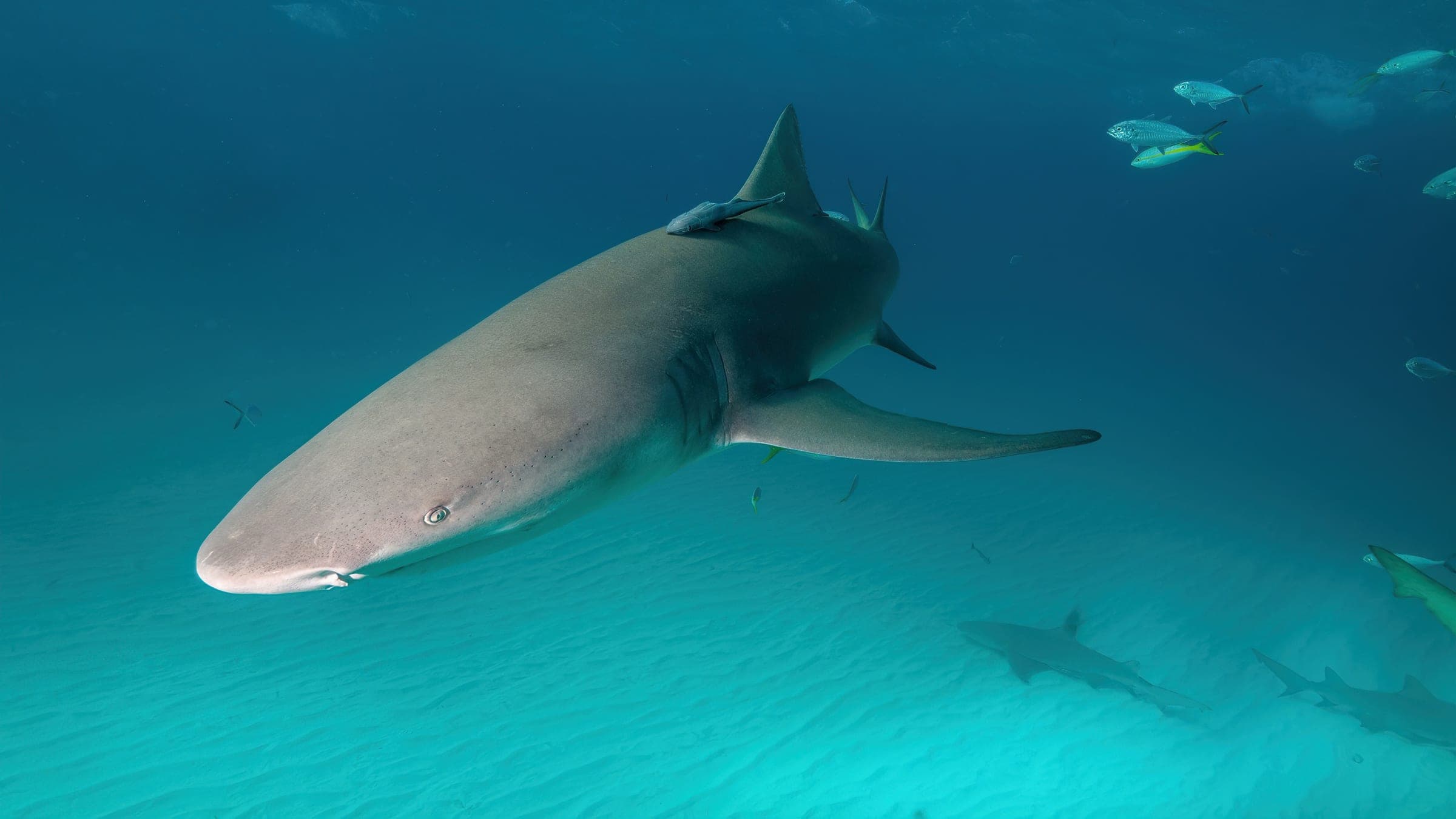
Body shape and size
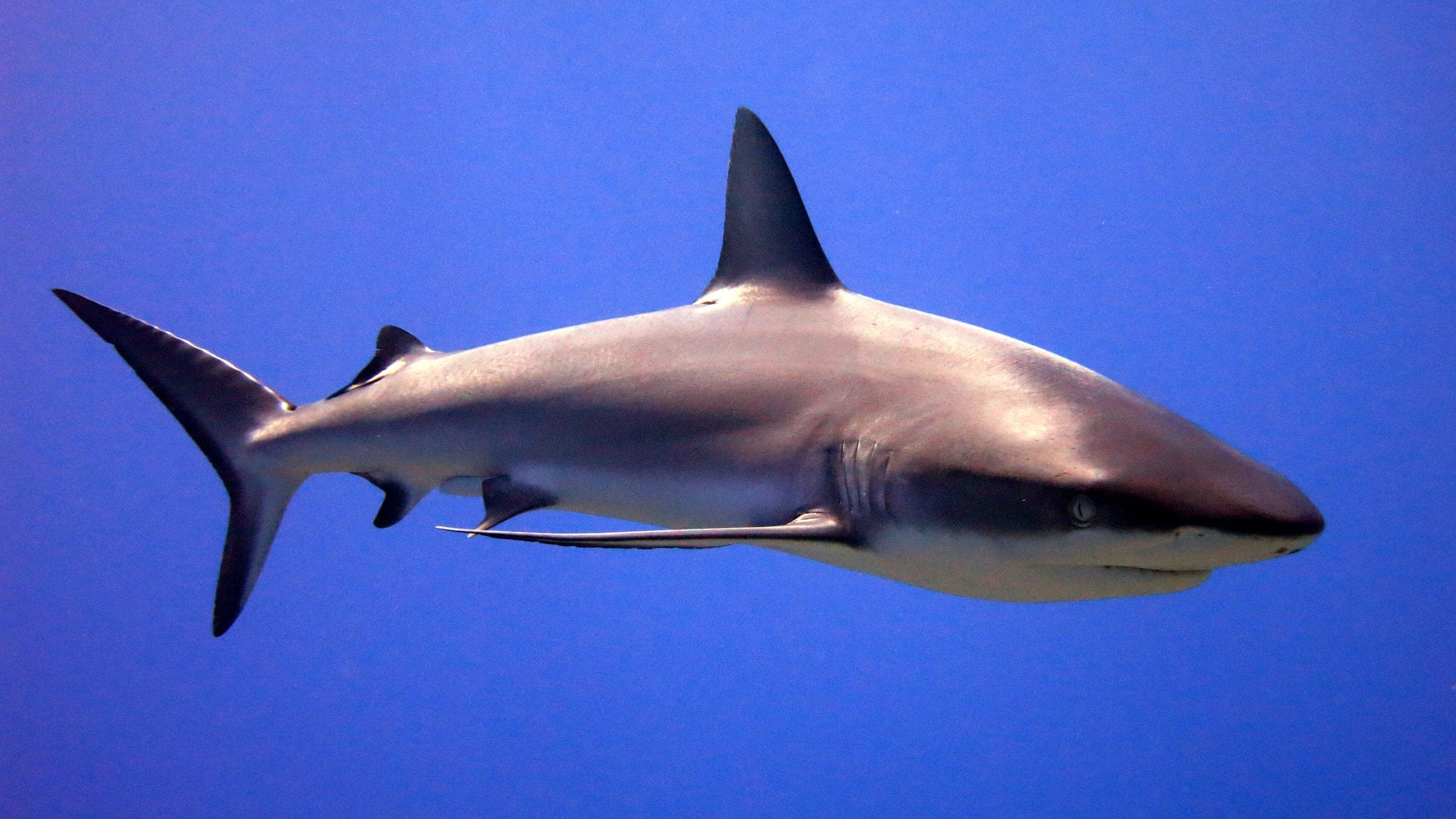
Slender, streamlined body commonly reaching about 2.5 m in length.
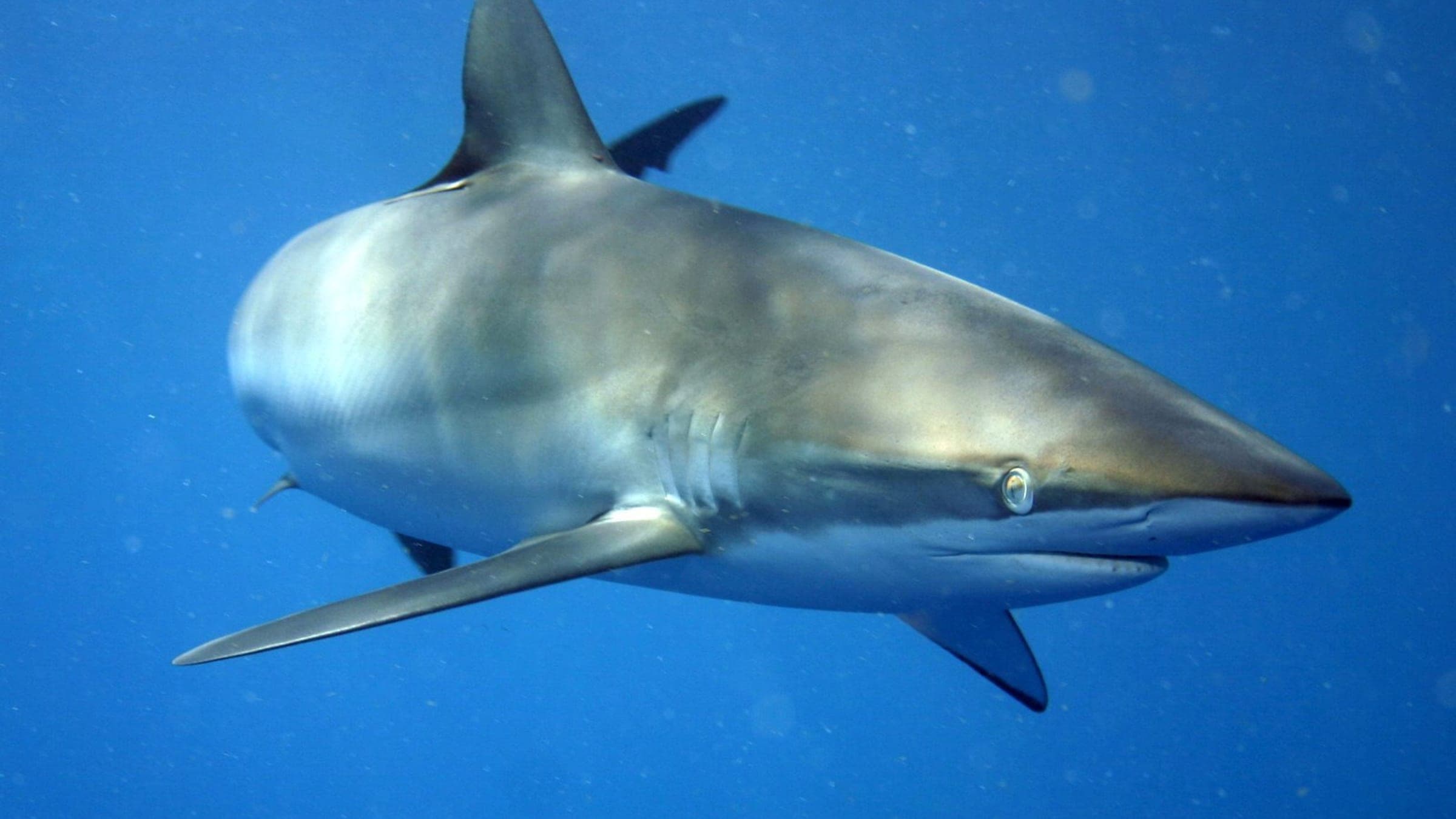
Carcharhinus falciformis
A widespread pelagic requiem shark with a slender body, long sickle-shaped pectoral fins, and a metallic bronze-gray coloration.
Species Guide
A clean field guide focused on habitat, identification, behavior, and conservation context without burying the useful parts.
The silky shark (Carcharhinus falciformis) is a requiem shark named for the smooth texture of its skin. It is one of the most abundant sharks in the pelagic zone and occurs worldwide in tropical waters. Highly mobile and migratory, silky sharks are most often found over the edge of the continental shelf down to about 50 m.
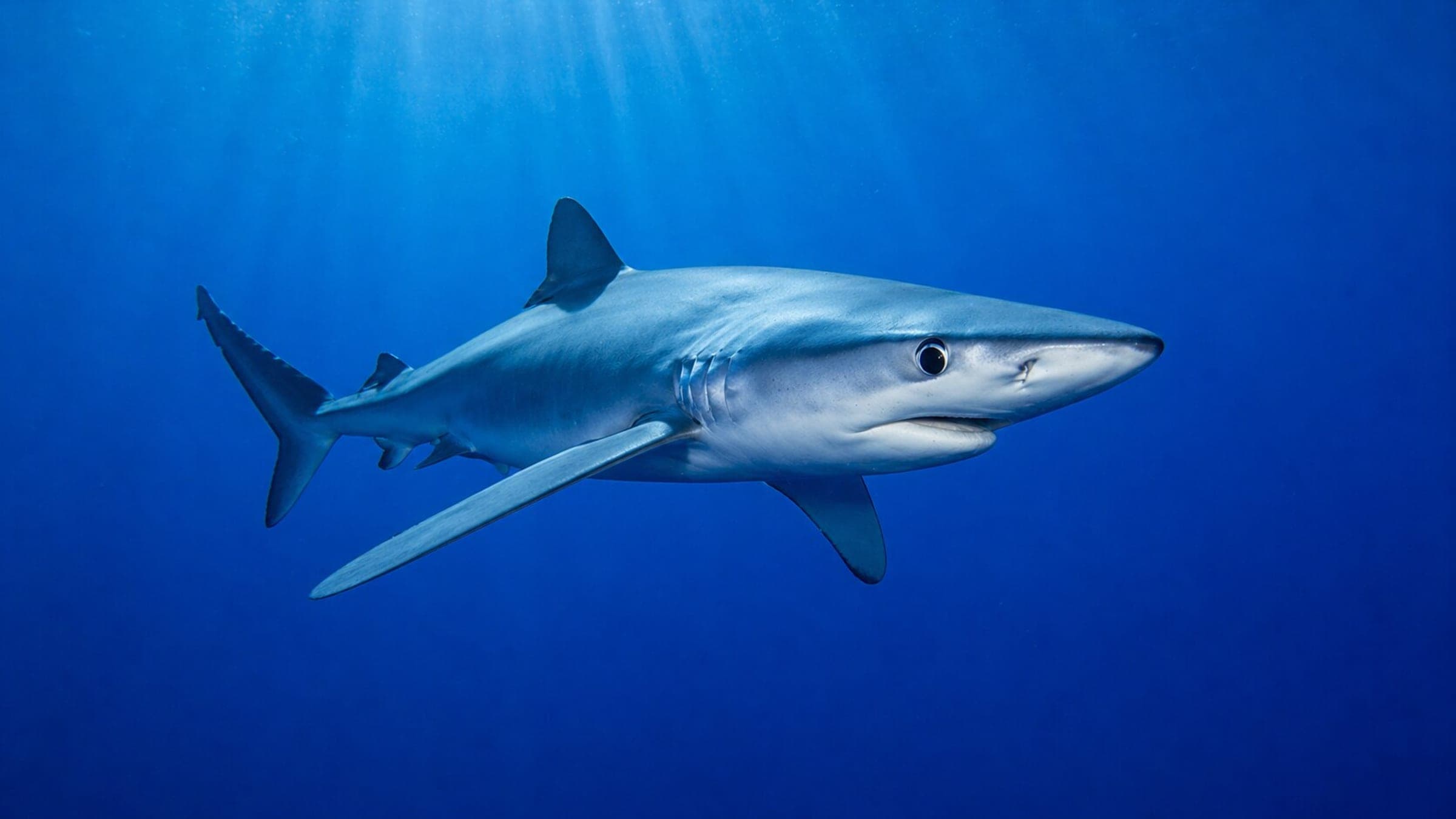
Silky sharks have a slender, streamlined body and commonly reach lengths around 2.5 m. Identification features include a relatively small first dorsal fin with a curving rear margin, a tiny second dorsal fin with a long free rear tip, long sickle-shaped pectoral fins, and a deep metallic bronze-gray dorsum with a white underside.
They are swift, inquisitive, and persistent hunters that feed mainly on bony fishes and cephalopods, and often trail schools of tuna. Their highly acute hearing helps them localize low-frequency sounds produced by feeding animals. Silky sharks have live birth (viviparous) with embryos sustained via a placental connection; females give birth to litters of up to 16 pups either annually or biennially depending on region. Newborns spend their first months in relatively sheltered reef nurseries on the outer continental shelf before moving offshore.
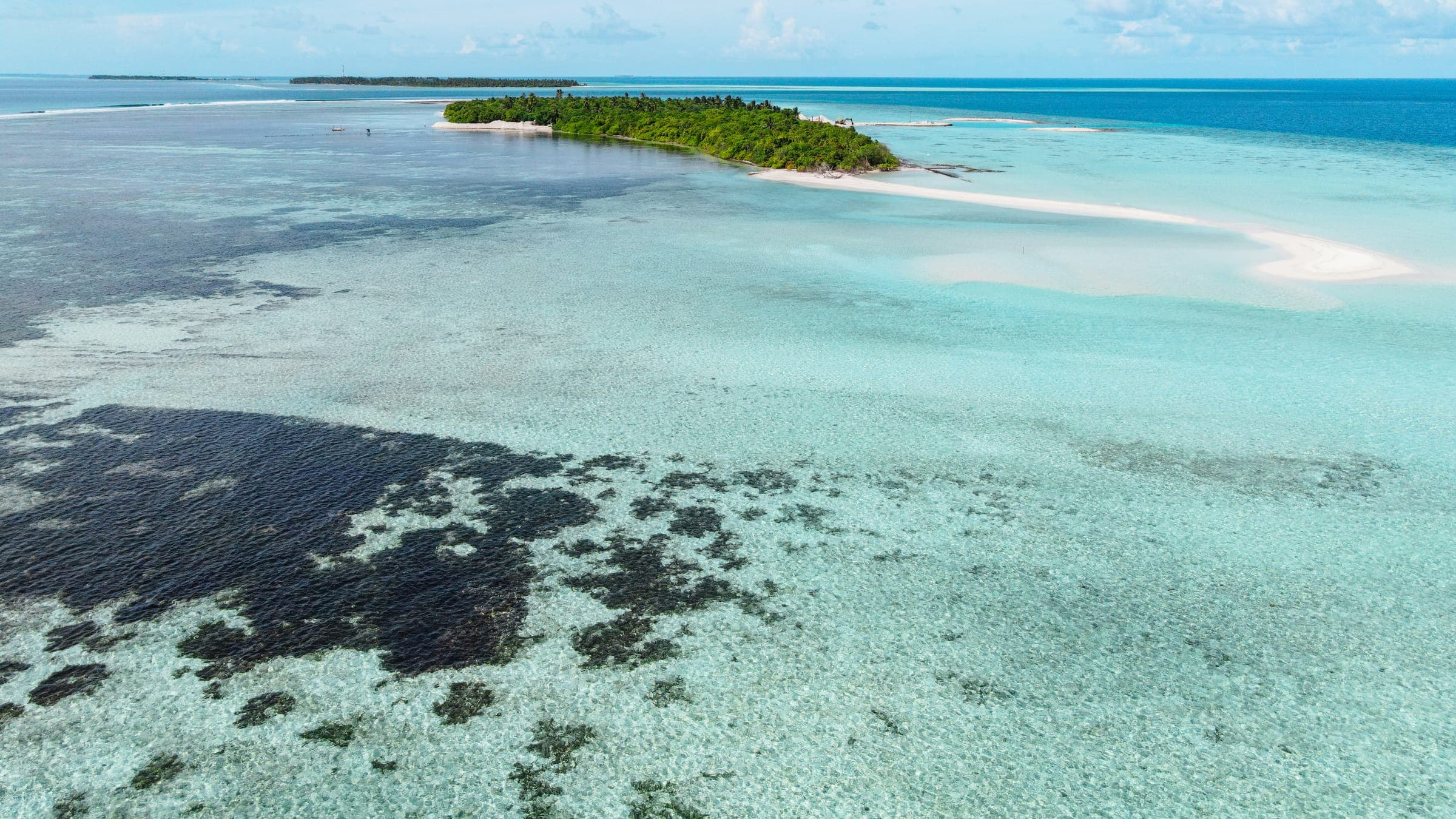
The strongest linked planning options currently surface around destinations such as Addu Atoll (Seenu Atoll), Channel Islands, Gaafu Atoll (Huvadhoo Atoll) and countries such as French Polynesia, Maldives, Mexico for divers building trips around silky sharks.
Last Updated Mar 9, 2026 · 2 sources
Identification
The visual markers divers can use underwater, plus the species most likely to cause confusion.
Slender, streamlined body commonly reaching about 2.5 m in length.
Relatively small first dorsal fin with a curving rear margin; tiny second dorsal fin with a long free rear tip; long, sickle-shaped pectoral fins.
Deep metallic bronze-gray above and white below; named for the smooth texture of its skin.
Range and Movement
The broad range, seasonal movement, or migratory behavior that shapes where divers encounter this species.
Highly mobile and migratory pelagic shark, most often found over the continental shelf edge down to about 50 m.
Diet
Useful feeding context that often explains habitat, movement, and encounter style.
Feeds mainly on bony fishes and cephalopods; often trails schools of tuna and can drive prey into compacted schools before attacking.
Conservation
Status, pressure, and protection context grounded in cited sources rather than filler.
Once thought buffered by wide distribution and abundance, data show global declines related to commercial and artisanal fisheries and tuna-fishery bycatch, prompting an IUCN Vulnerable listing in 2017.
Silky sharks are targeted for their fins and also retained for meat, hide, liver oil, and jaws, forming a major component of many shark fisheries.
Association with tuna causes many silky sharks to be taken as bycatch in tuna fisheries.
Responsible Encounters
Conservation-minded guidance for divers who want the encounter without adding pressure.
Exercise caution around silky sharks; their size and teeth make them potentially dangerous and they have shown aggressive behavior toward divers, though attacks are rare.
Field Notes
Useful species context that makes the encounter more meaningful once you are underwater.
Embryos are sustained via a placental connection; females give birth to litters of up to 16 pups annually or biennially.
Newborns spend their first months in relatively sheltered reef nurseries on the outer continental shelf.
Silky sharks have an extremely acute sense of hearing that helps them localize low-frequency noises from feeding animals.
Top Destinations
Destinations surfaced from the linked dive spots associated with this species.
Top Countries
The strongest country-level starting points currently linked to this species.
Top Dive Spots
Directly linked dive spots where this species already shows up in the planning data.

Advanced Cocos seamount dive with hammerheads and strong current.
Red Sea safari-boat pinnacles with strong current swings and rich marine life.
Boat-dived outer reef with sharks, rays, turtles, and coral gardens.
Liveaboard-only shark dive in the Galápagos
Roatan's coached deep freediving line.
Offshore La Paz seamounts for hammerheads and other pelagics.
FAQ
Clear planning and conservation answers written for search visibility and AI retrieval.
Research Sources
Primary and credible references behind the field-guide and conservation claims on this page.
Primary wildlife guide source.
Supporting wildlife source.
Related Species
Related species guides in the same encounter family.