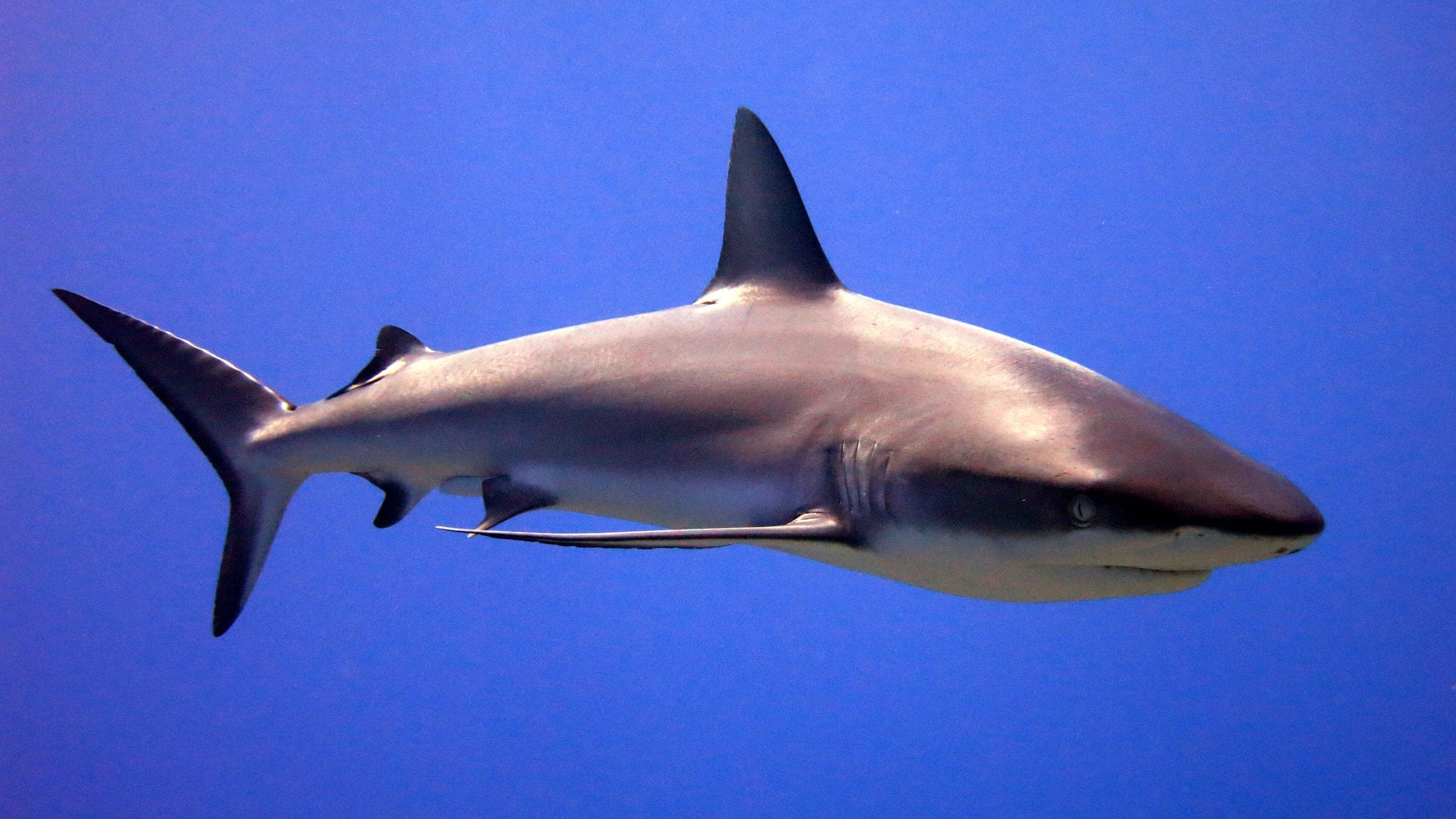
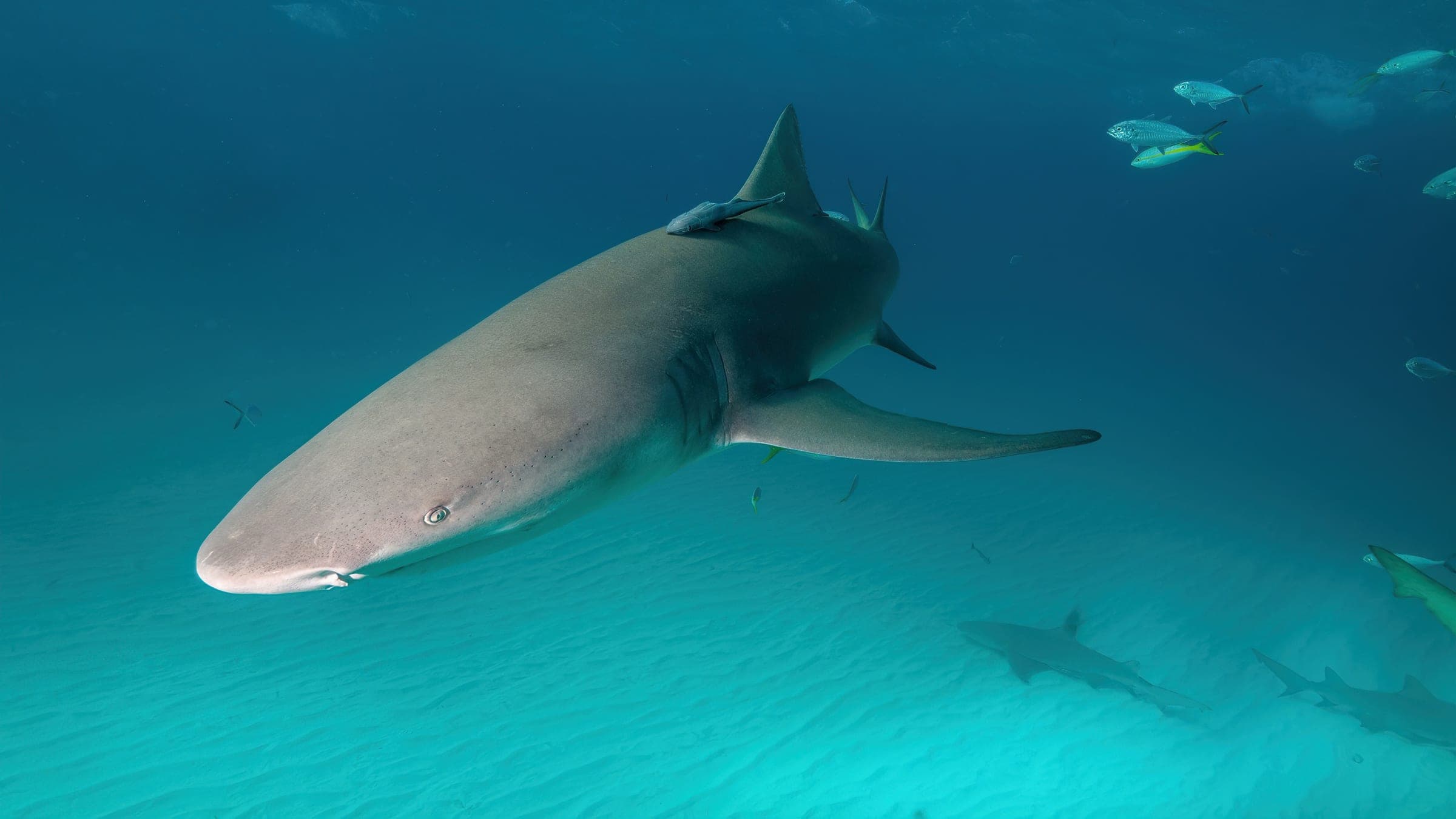
Body shape
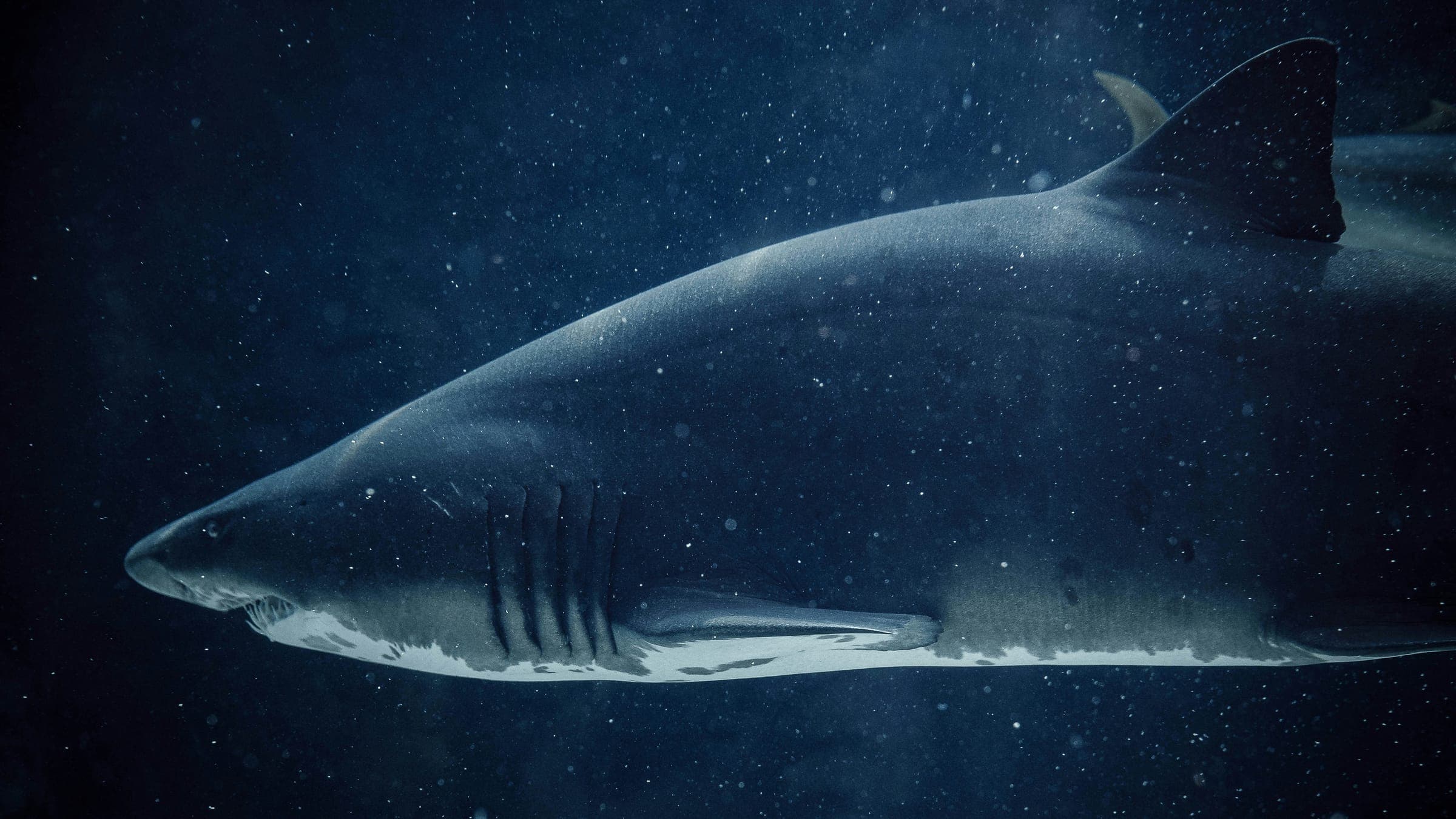
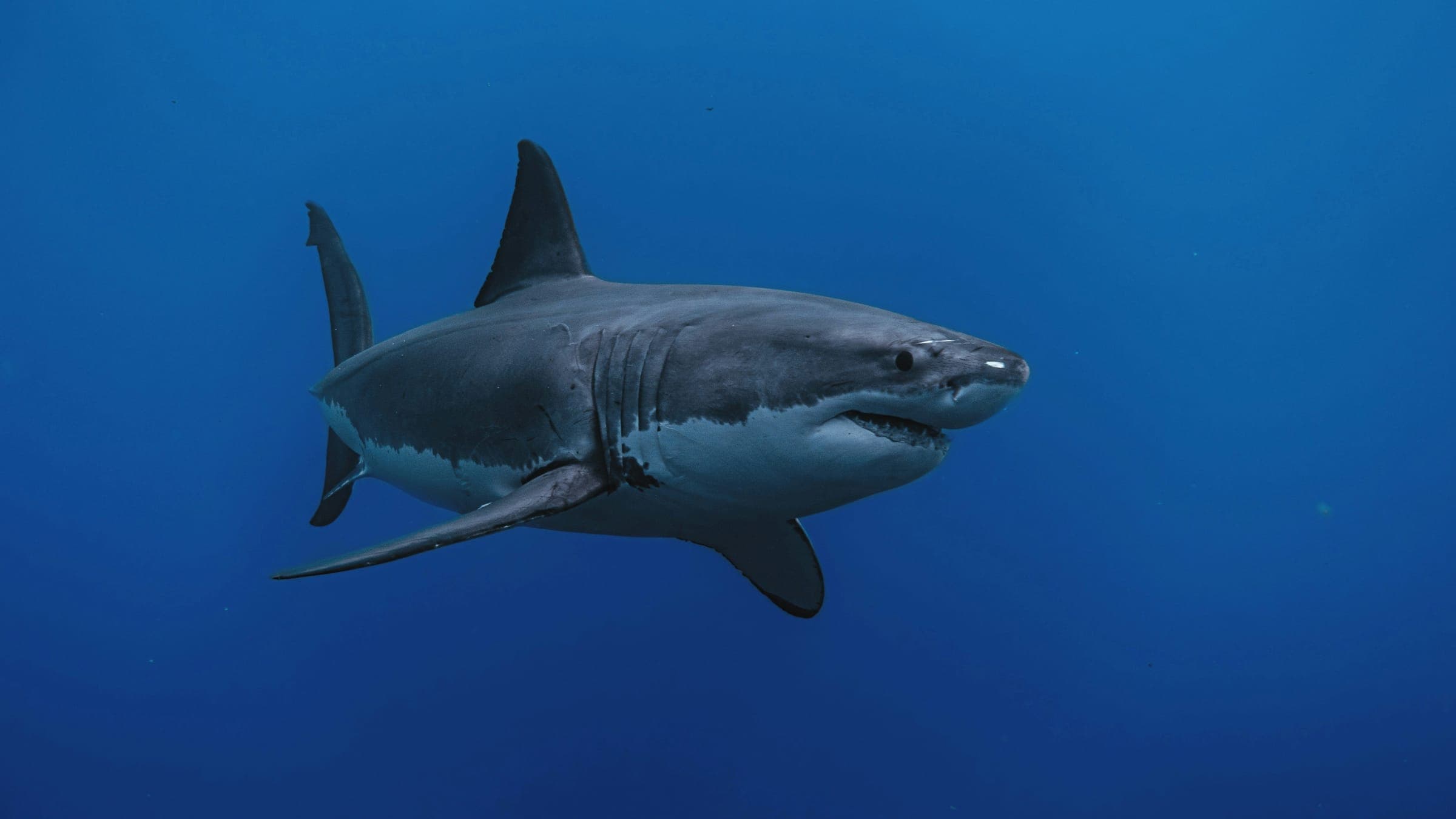
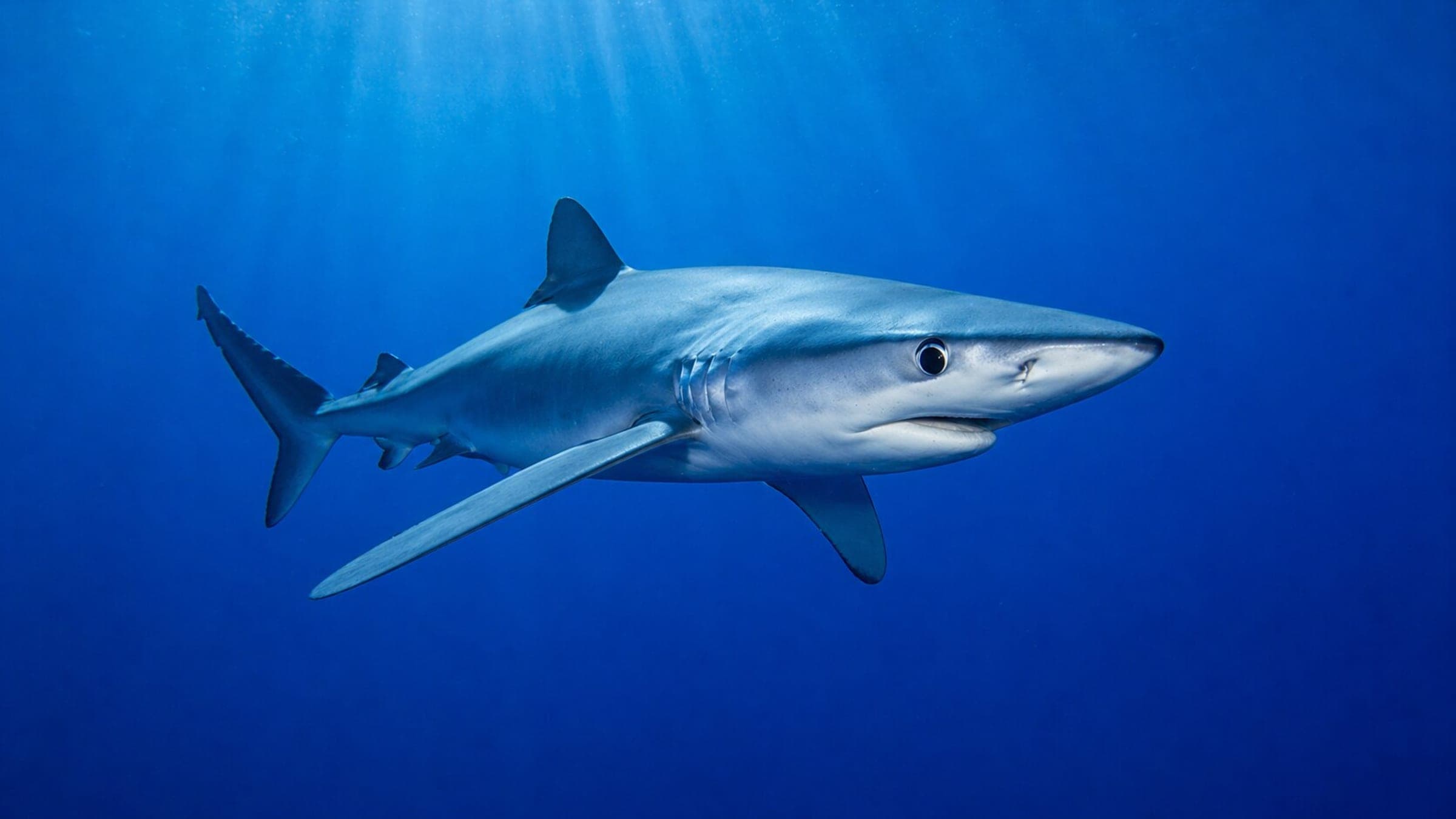
Stout, fusiform body with a pointed snout and long gill slits.
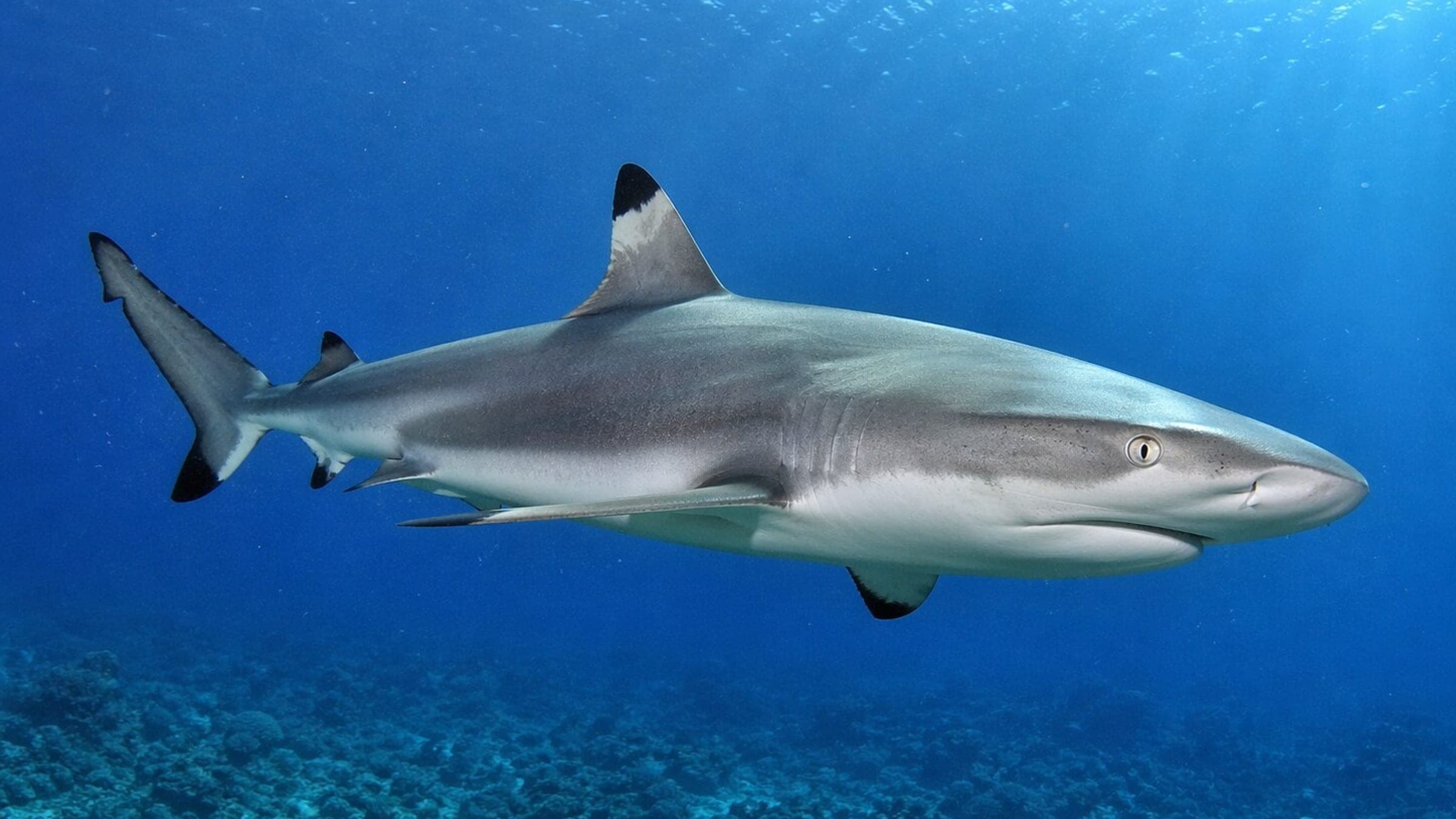
Carcharhinus limbatus
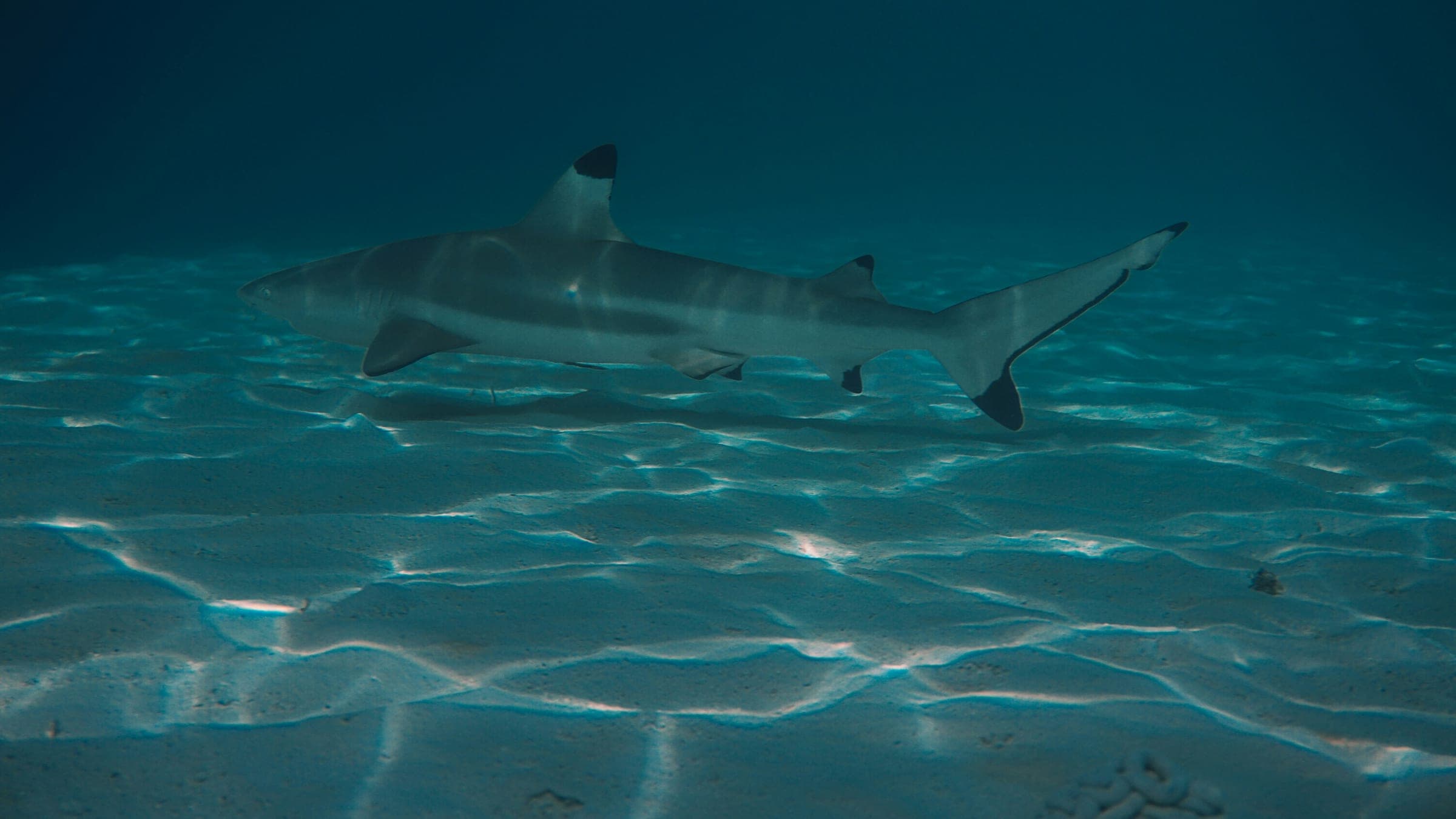
A coastal requiem shark with black-edged fins, swift piscivorous behaviour, and typically reaching about 1.5 m in length.
Species Guide
A clean field guide focused on habitat, identification, behavior, and conservation context without burying the useful parts.
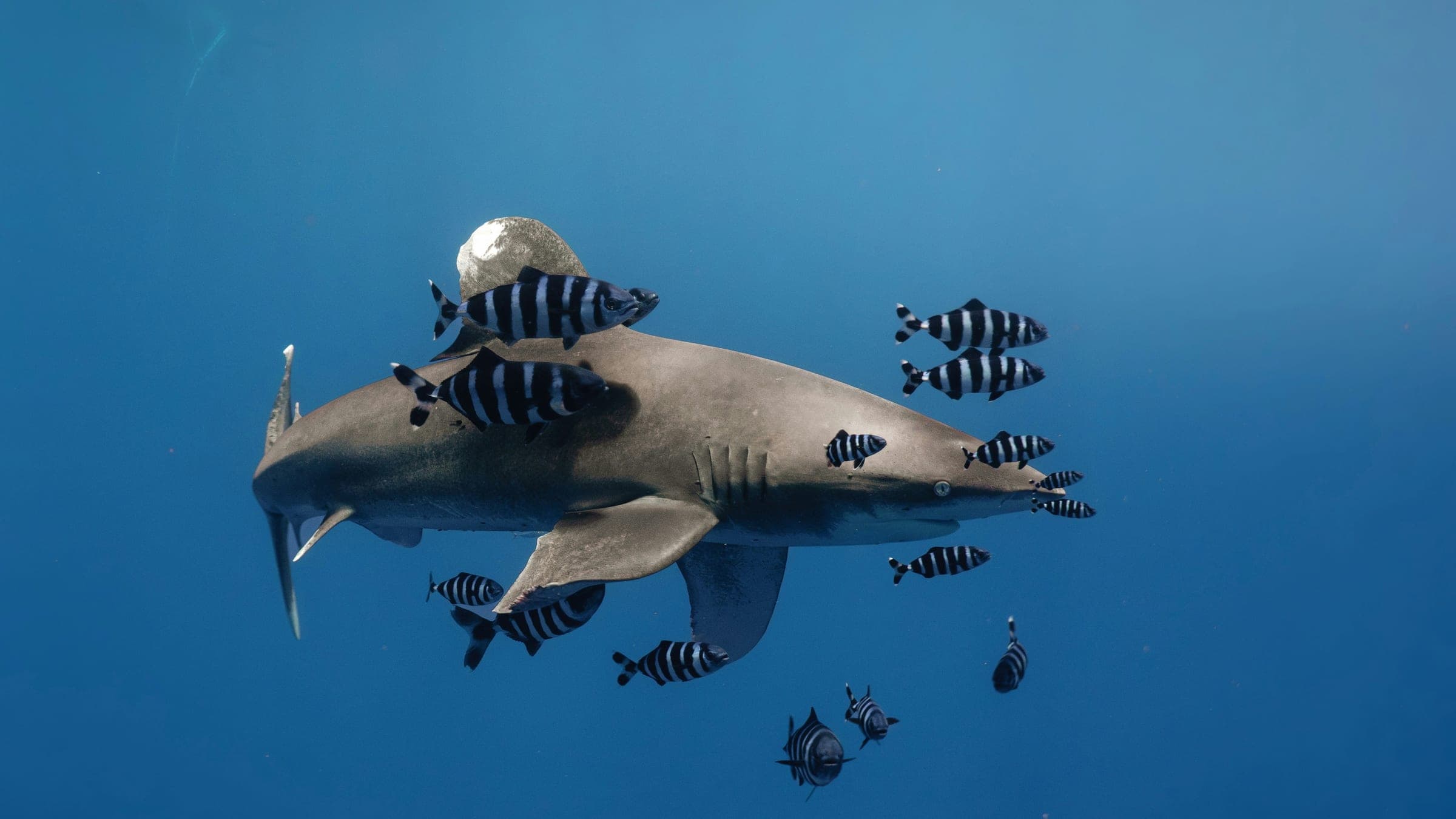
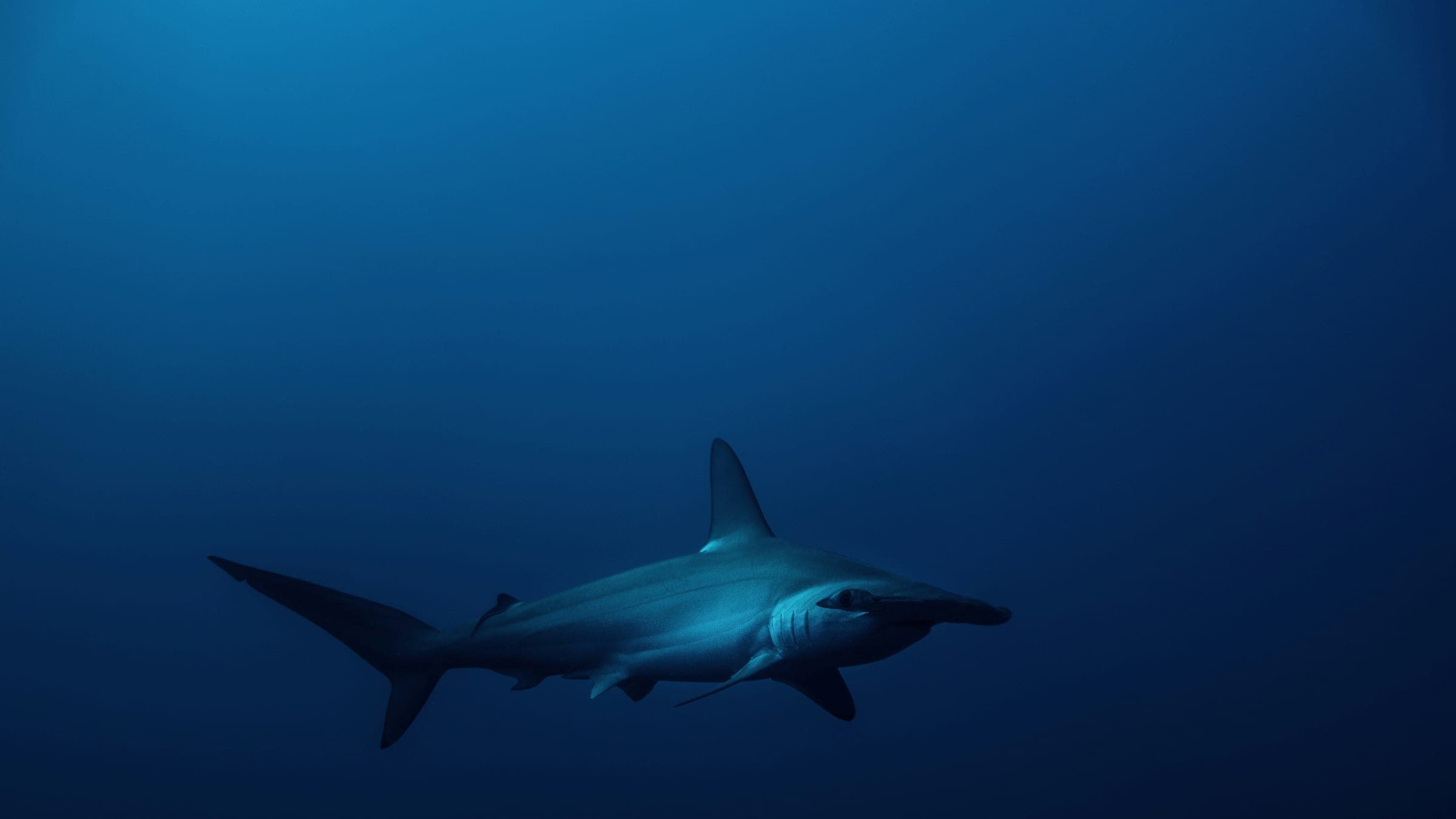
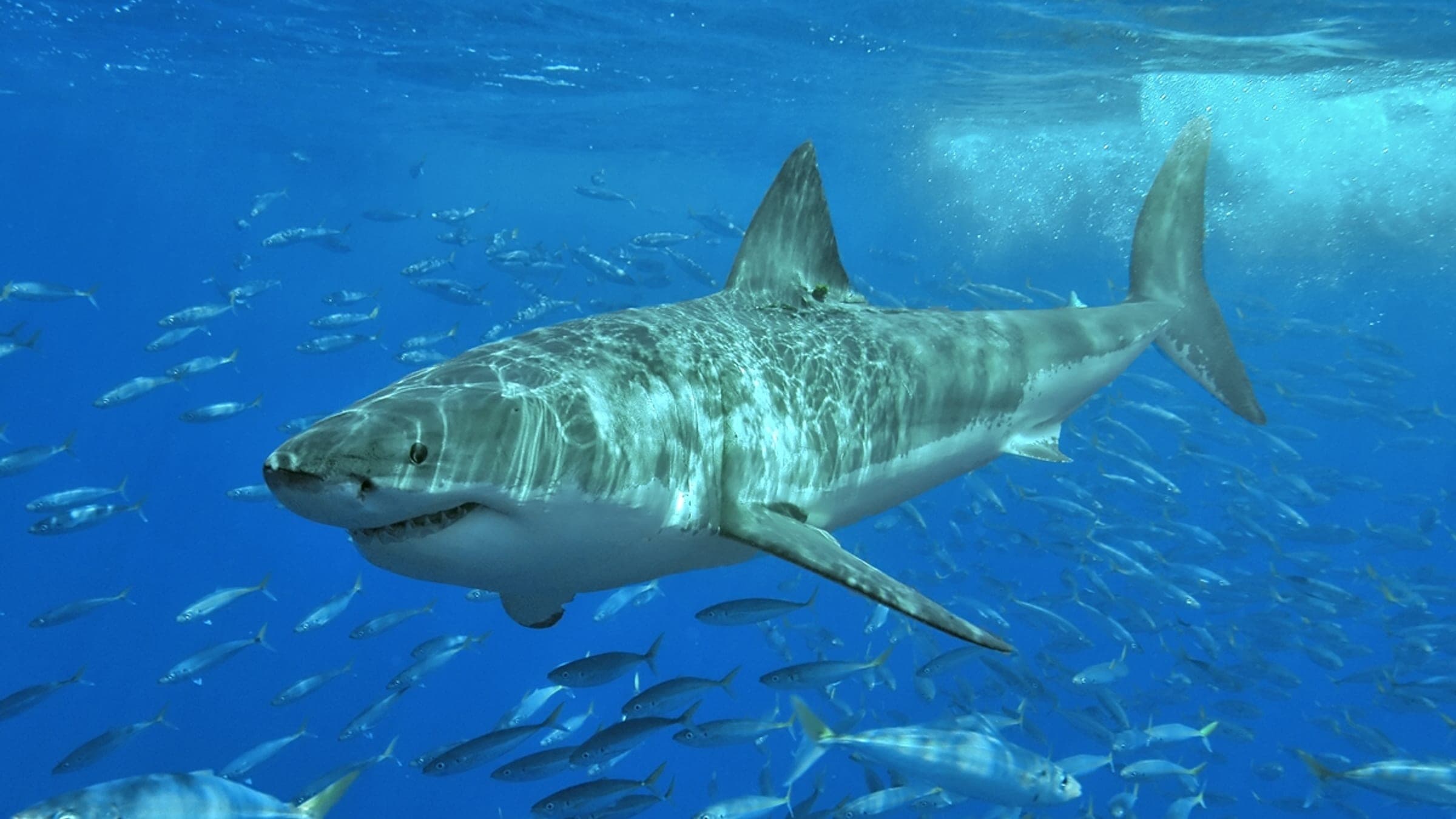
The blacktip shark (Carcharhinus limbatus) is a requiem shark common in tropical and subtropical coastal and brackish waters worldwide. It has a stout, fusiform body, pointed snout, long gill slits, and no ridge between the dorsal fins. Most individuals show black tips or edges on the pectoral, dorsal, pelvic, and caudal fins and usually reach about 1.5 m (4.9 ft). Blacktip sharks are swift, energetic piscivores known to make spinning leaps out of the water while attacking schools of small fish. Both juveniles and adults form groups of varying size. They are viviparous; females typically give birth to one to ten pups every other year. Young spend their first months in shallow nurseries, and females often return to their natal nurseries to give birth. In the absence of males, females are capable of asexual reproduction. Normally wary of humans, they can become aggressive when food is present and have been involved in a number of attacks on people. The species is of commercial and recreational importance for meat, skin, fins, and liver oil.
Assessed as Vulnerable due to low reproductive rate combined with high value to fisheries leading to substantial exploitation.
Swift, energetic swimmers and piscivores; known to make spinning leaps out of the water when attacking schools of small fish; juveniles and adults form groups.
The strongest linked planning options currently surface around destinations such as Aliwal Shoal and Umkomaas, Protea Banks and countries such as South Africa, Mozambique, Japan for divers building trips around oceanic blacktip sharks.
Last Updated Mar 9, 2026 · 3 sources
Identification
The visual markers divers can use underwater, plus the species most likely to cause confusion.
Stout, fusiform body with a pointed snout and long gill slits.
No ridge between the dorsal fins.
Most individuals have black tips or edges on the pectoral, dorsal, pelvic, and caudal fins.
Typically attains about 1.5 m (4.9 ft) in length.
Range and Movement
The broad range, seasonal movement, or migratory behavior that shapes where divers encounter this species.
Swift, energetic swimmers and piscivores; known to make spinning leaps out of the water when attacking schools of small fish; juveniles and adults form groups.
Diet
Useful feeding context that often explains habitat, movement, and encounter style.
Primarily piscivorous, feeding on small fish; they may leap while attacking schools.
Conservation
Status, pressure, and protection context grounded in cited sources rather than filler.
Assessed as Vulnerable due to low reproductive rate combined with high value to fisheries leading to substantial exploitation.
High commercial and recreational value for meat, skin, fins, and liver oil drives intense fishing across much of its range.
Responsible Encounters
Conservation-minded guidance for divers who want the encounter without adding pressure.
Normally wary of people but can become aggressive in the presence of food; avoid feeding or attracting sharks and maintain distance.
Field Notes
Useful species context that makes the encounter more meaningful once you are underwater.
Females bear one to ten pups every other year.
Young spend early months in shallow nurseries; females often return to the nursery where they were born to give birth.
Females are capable of asexual reproduction in the absence of males.
They are known to make spinning leaps out of the water while attacking schools of small fish.
Top Destinations
Destinations surfaced from the linked dive spots associated with this species.
Top Countries
The strongest country-level starting points currently linked to this species.
Top Dive Spots
Directly linked dive spots where this species already shows up in the planning data.
Aliwal Shoal: a shark-rich boat dive off Umkomaas.
Boat-access boulder reef with gullies and steady fish life.
Shark-rich reef with pinnacles and swim-throughs on Aliwal Shoal.
Doodles: short-boat reef packed with life
Deep outer Sodwana Bay ledge with sharks and reef structure
Boat-access inshore wall at Aliwal Shoal with sharks and macro life
Diver Sightings
Approved diver reports where oceanic blacktip sharks were recently tagged.
FAQ
Clear planning and conservation answers written for search visibility and AI retrieval.
Research Sources
Primary and credible references behind the field-guide and conservation claims on this page.
Primary wildlife guide source.
Supporting wildlife source.
Taxonomy reference.
Related Species
Related species guides in the same encounter family.