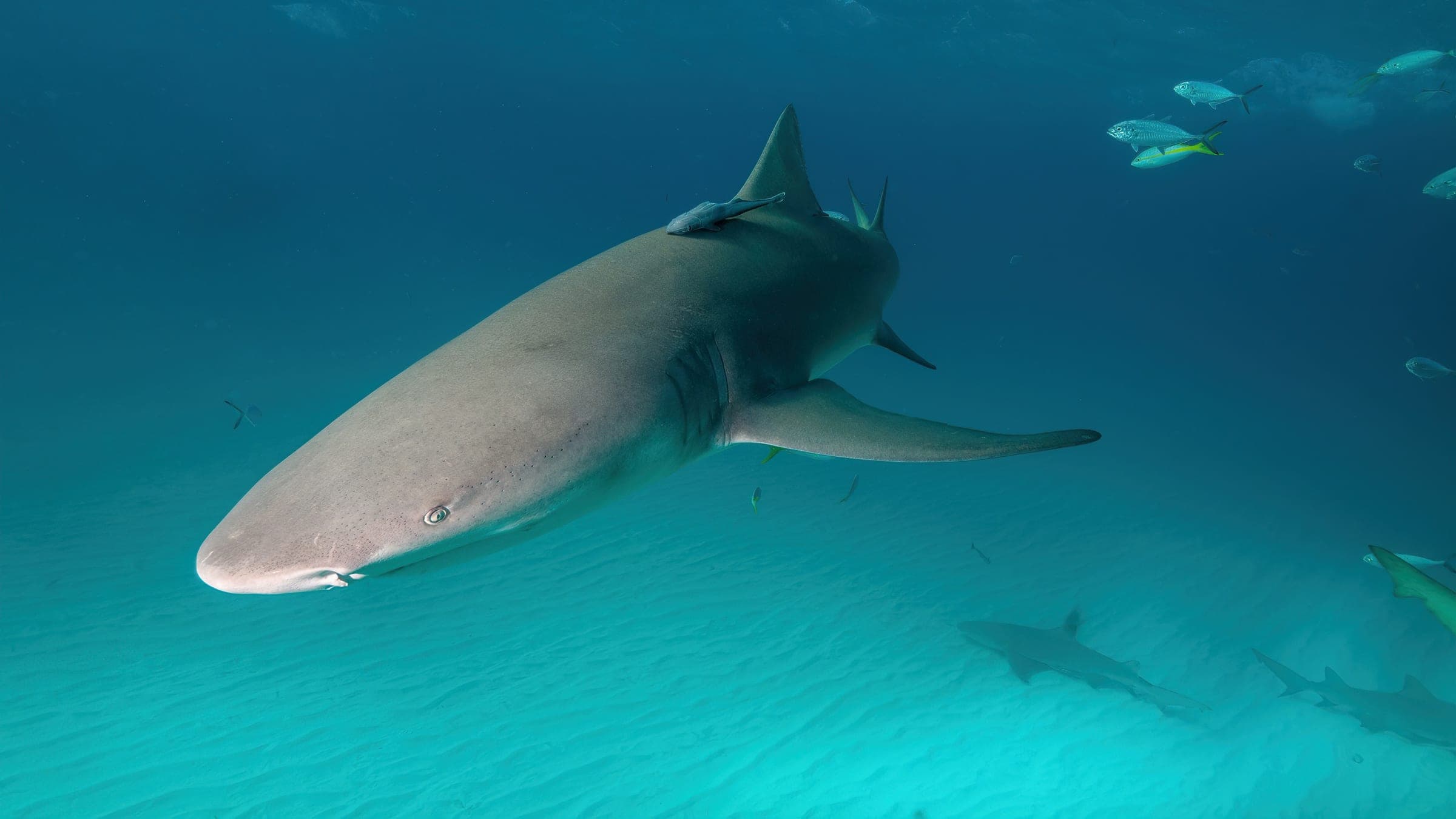
Body shape
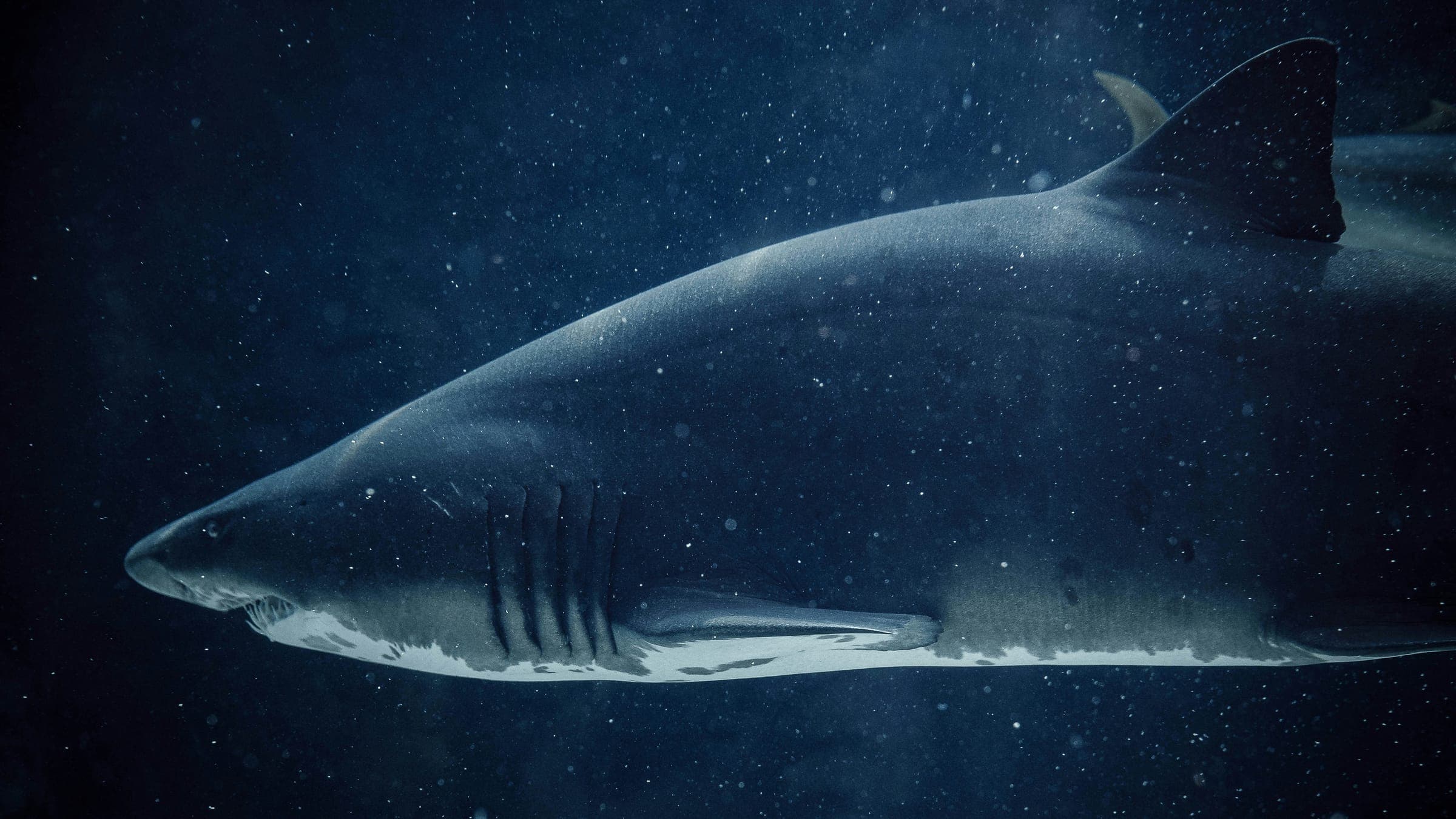
Bulky body with a sharp, pointy head.
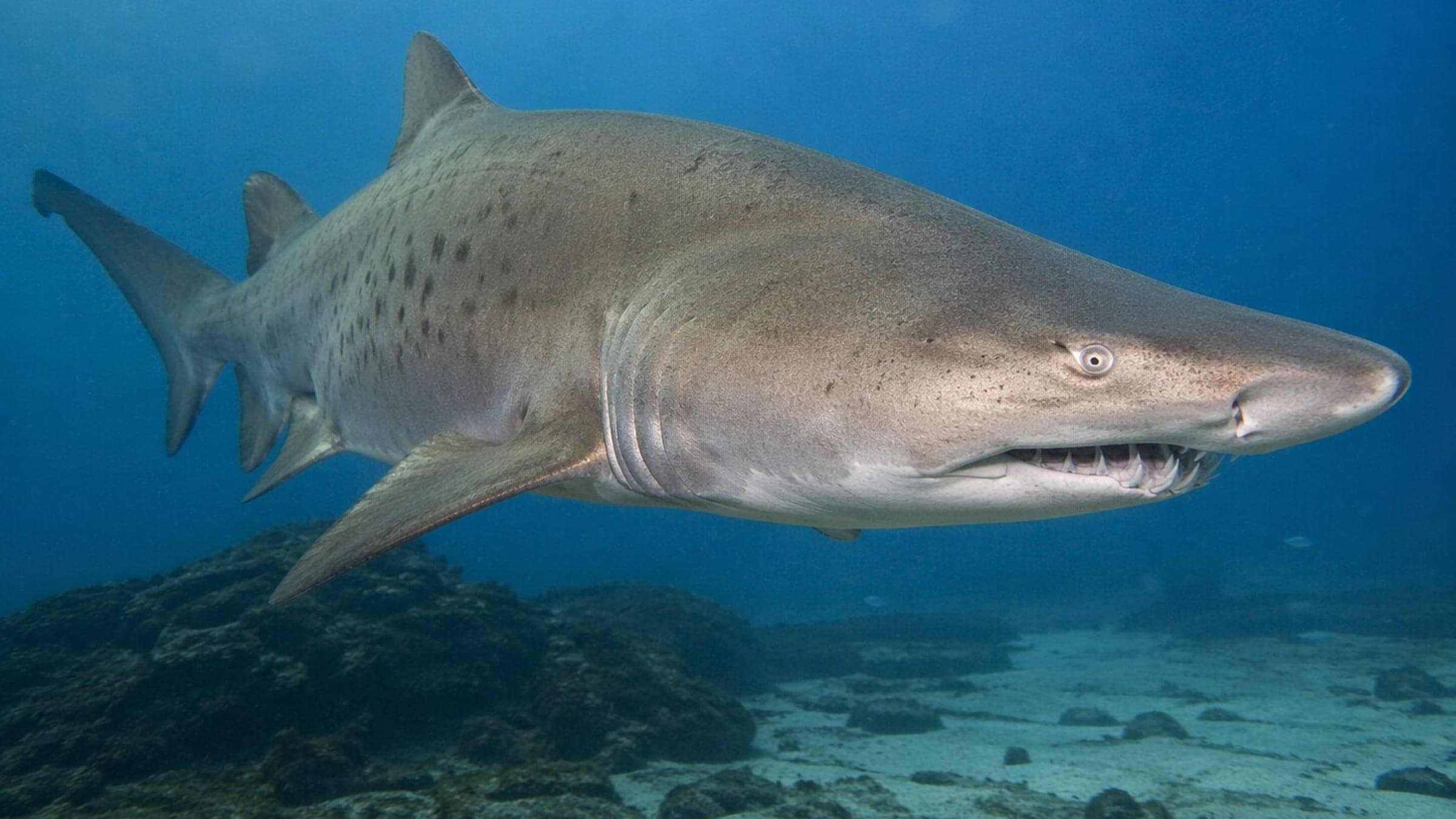
Carcharias taurus
A slow-moving, relatively placid shark of subtropical and temperate continental shelves, often found near sandy shorelines and submerged reefs.
Species Guide
A clean field guide focused on habitat, identification, behavior, and conservation context without burying the useful parts.
The sand tiger shark (Carcharias taurus) inhabits subtropical and temperate waters worldwide, occupying continental shelf habitats from sandy shorelines and submerged reefs down to about 191 m. It occurs in regions including Japan, Australia, South Africa, and the east coasts of the Americas; it is presumed extirpated from the Mediterranean after the last sighting in 2003. Adults are bulky with a sharp, pointy head, typically 2.2–2.5 m long and reaching up to about 3.2 m. Colouration is grey with reddish-brown spots on the back. Sand tiger sharks are relatively placid and slow-moving, and have no confirmed human fatalities recorded. They can gulp air at the surface, which allows them to remain suspended in the water column with minimal effort. Reproduction includes intrauterine cannibalism, where the most developed embryo feeds on its siblings. The species is listed as Critically Endangered on the IUCN Red List and is commonly kept in public aquariums due to its tolerance for captivity.
Categorized as Critically Endangered on the IUCN Red List.
Relatively placid and slow-moving; can remain suspended in the water column by gulping air from the surface.
The strongest linked planning options currently surface around destinations such as Aliwal Shoal and Umkomaas, Perth and Rottnest Island (Wadjemup), Sodwana Bay and countries such as Australia, South Africa, United States of America for divers building trips around sand tiger sharks.
Last Updated Mar 9, 2026 · 3 sources
Identification
The visual markers divers can use underwater, plus the species most likely to cause confusion.
Bulky body with a sharp, pointy head.
Normally 2.2–2.5 m long, can reach about 3.2 m.
Grey with reddish-brown spots on the back.
Capable of gulping air from the surface to remain suspended in the water column.
Despite common names, the sand tiger is not closely related to the tiger shark (Galeocerdo cuvier) or the nurse shark (Ginglymostoma cirratum).
Range and Movement
The broad range, seasonal movement, or migratory behavior that shapes where divers encounter this species.
Relatively placid and slow-moving; can remain suspended in the water column by gulping air from the surface.
Diet
Useful feeding context that often explains habitat, movement, and encounter style.
Feeds on bony fish, crustaceans, squid, skates and other sharks.
Conservation
Status, pressure, and protection context grounded in cited sources rather than filler.
Categorized as Critically Endangered on the IUCN Red List.
Responsible Encounters
Conservation-minded guidance for divers who want the encounter without adding pressure.
Relatively placid and slow-moving; there are no confirmed human fatalities attributed to this species.
Field Notes
Useful species context that makes the encounter more meaningful once you are underwater.
They can gulp air from the surface, allowing them to be suspended in the water column with minimal effort.
During pregnancy, the most developed embryo feeds on its siblings (intrauterine cannibalism).
They are the most widely kept large shark in public aquariums because of their tolerance for captivity.
Top Destinations
Destinations surfaced from the linked dive spots associated with this species.
Top Countries
The strongest country-level starting points currently linked to this species.
Top Dive Spots
Directly linked dive spots where this species already shows up in the planning data.
3 mile Bommie is a boat reef with big marine life.
Abu Tair: Red Sea reef-and-wreck dive off Jeddah
Aliwal Shoal: a shark-rich boat dive off Umkomaas.
Atlas is a deep North Carolina wreck with big relief and sand tigers.
Boat-dived crack-through channel on Broughton Island with grey nurse sharks.
Sheltered shore dive with sharks, snorkel, and easy access.
FAQ
Clear planning and conservation answers written for search visibility and AI retrieval.
Research Sources
Primary and credible references behind the field-guide and conservation claims on this page.
Primary wildlife guide source.
Supporting wildlife source.
Taxonomy reference.
Related Species
Related species guides in the same encounter family.